Bird Feeders: The Complete Guide to Types, Setup & Use
A bird feeder is the single fastest way to attract wild birds to your yard. The catch is that “a feeder” is actually a category covering at least seven distinct designs, each suited to different bird species, seed types, and yard layouts. Most beginners buy whichever feeder catches their eye at the hardware store, fill it with generic “wild bird mix,” and then wonder why only House Sparrows show up. This guide walks through every feeder type that matters, which birds use each, the seed pairings that actually work, the placement rules that determine success or failure, and the maintenance practices that keep your birds healthy.
What a Bird Feeder Actually Does
A bird feeder is a container that holds bird food in a way that’s accessible to birds, protected from rain, and (ideally) defended against squirrels, raccoons, and other non-target visitors. The design varies enormously, from a tray on the ground to a pole-mounted tube with weight-triggered seed ports, but the underlying job is the same: make food predictably available to birds, in a location and configuration that suits the species you want to attract.
Most beginners think of “bird feeder” as one thing. In reality, feeder design dictates which species visit. A tube feeder with thistle seed attracts goldfinches almost exclusively. A platform feeder with millet attracts ground-feeding sparrows, juncos, and doves. A suet cage attracts woodpeckers, nuthatches, and chickadees but not seed-eaters like cardinals. Matching feeder design to seed type to target species is the entire game.
If you’re just getting started with backyard birding overall, the complete beginner’s guide to backyard birding covers gear setup, yard layout, and the first 10 species you’ll learn. This guide goes deep on the feeder side specifically.
The Seven Bird Feeder Types You Need to Know
Most retail feeders fall into one of seven categories, each with strengths and trade-offs. Pick a primary feeder based on the species you most want to attract, then add complementary feeders to expand your range over time. A single well-chosen feeder will outperform three poorly-matched feeders in the same yard.
1. Tube Feeders
A tube feeder is a vertical plastic or metal cylinder with small perches and feeding ports along the sides. Tube feeders are the most popular all-purpose feeder for backyards because they protect seed from rain, restrict access to smaller birds, and work well with several seed types.
Best for: chickadees, titmice, nuthatches, finches, small woodpeckers.
Best seed: black oil sunflower, sunflower hearts, or thistle (nyjer) if the ports are tiny.
Capacity: 1 to 3 lbs typical, larger models up to 5 lbs.
Two variants worth knowing:
- Standard tube feeders have perches sized for small to medium songbirds (chickadees through cardinals). Cardinals will use them if perches are long enough.
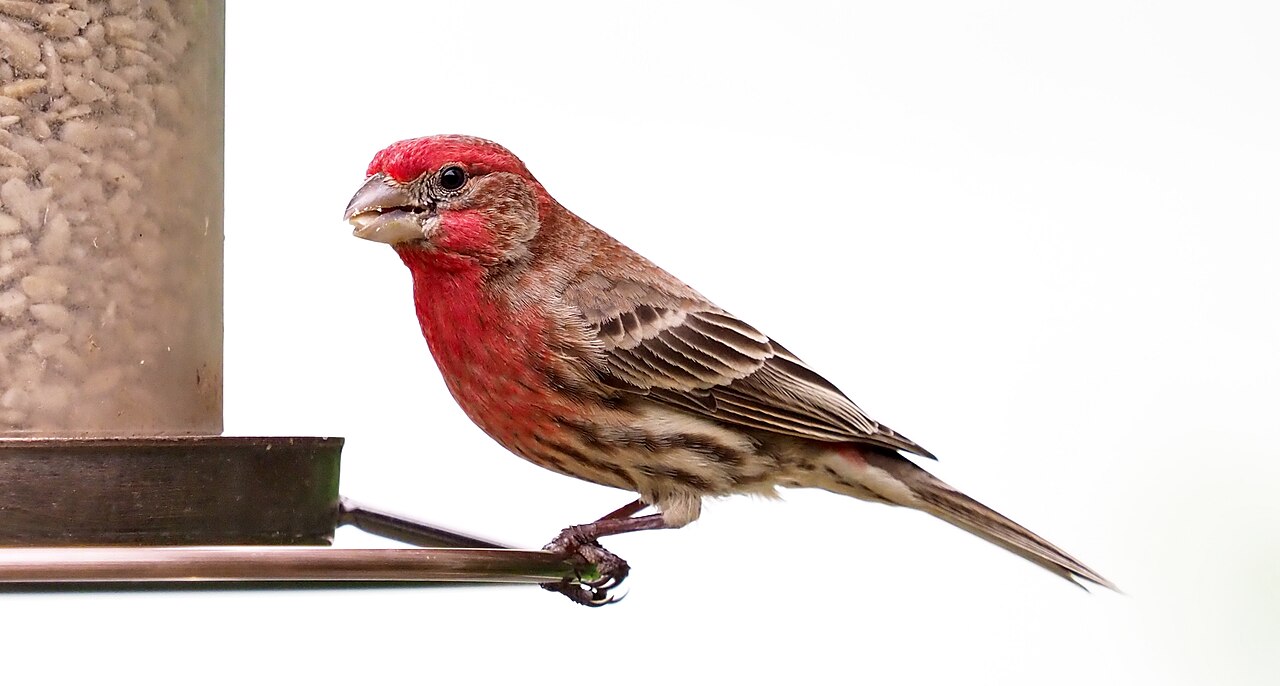
- Thistle (nyjer) tube feeders have very small ports designed only for thin-billed finches. Goldfinches and House Finches use them; almost nothing else can.
Pairing notes: Tube feeders work especially well in combination with a platform or hopper feeder for larger ground-feeding species. We cover specific tube feeder picks in the best squirrel-proof bird feeders guide and the no-mess seed comparison.
2. Hopper Feeders
A hopper feeder is a house-shaped container with a roof, walls, and a tray at the bottom where seed dispenses. The hopper is the workhorse design for variety, it accepts many seed types, accommodates birds of several sizes, and stays usable in light rain.
Best for: cardinals, jays, finches, sparrows, chickadees, grosbeaks.
Best seed: sunflower seed (black oil or striped), safflower, mixed seed.
Capacity: 3 to 10 lbs typical, large hoppers up to 25 lbs.
The trade-off with hoppers is squirrel access. The wide tray and stable design that make hoppers great for birds also make them squirrel-friendly. A pole-mounted hopper with a baffle solves this, but a hanging hopper without protection will be raided within a day. Our pole and baffle guide covers the setups that work.
3. Platform Feeders (Tray Feeders)
A platform feeder is a flat open tray, mounted on a pole, hung from a hook, or placed directly on the ground. Platform feeders attract the widest variety of species because nothing about their design excludes any bird, large, small, ground-feeding, perching.
Best for: doves, juncos, sparrows, towhees, jays, cardinals, grosbeaks.
Best seed: mixed seed, millet, cracked corn, sunflower, peanuts, fruit.
Capacity: 1 to 3 lbs per fill; refill more often than other types.
The downsides: platform feeders offer zero protection from rain, snow, or seed spoilage. Wet seed molds quickly. They’re also accessible to squirrels, raccoons, and ground-foraging mammals. Use platform feeders for ground-feeding species you specifically want to attract (doves, sparrows, juncos), but combine them with a covered feeder type for everyone else.
4. Suet Feeders
A suet feeder is a wire cage or mesh holder for blocks of suet, rendered animal fat mixed with seeds, nuts, or fruit. Suet is high-energy food, especially valuable in winter, and it attracts species that mostly ignore seed feeders.
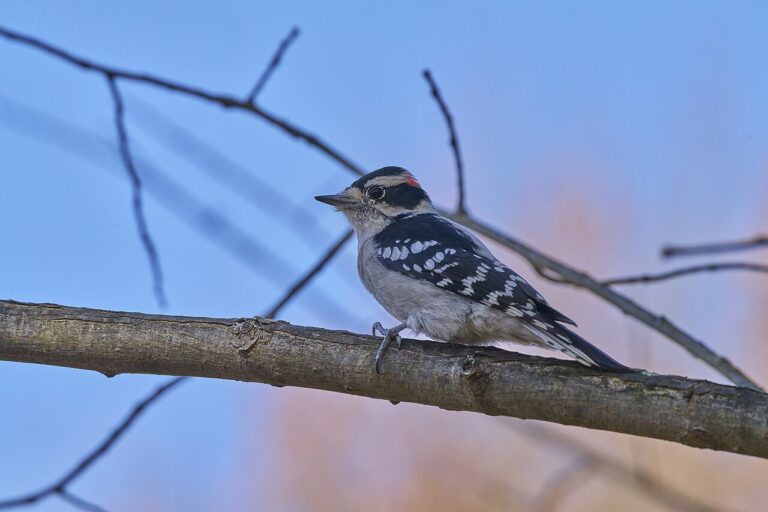
Best for: woodpeckers (Downy, Hairy, Red-Bellied, Pileated), nuthatches, chickadees, titmice, wrens, occasionally Northern Flickers.
Best food: suet cakes, pre-made blocks ($1 to 3 each) or homemade.
Capacity: one suet cake per refill.
Hang suet feeders against a tree trunk or on a pole. Woodpeckers in particular prefer suet positioned where they can brace against a vertical surface, the way they would on a tree.
Hot-weather note: standard suet melts in summer heat. “No-melt” or “high-temperature” suet formulations are available and worth the small price premium if you’re in a warm climate.
5. Nyjer (Thistle) Feeders
A nyjer feeder is a specialized tube feeder with very small ports, designed exclusively for thin-billed finches that eat nyjer seed. It’s the most species-specific feeder design, Goldfinches, House Finches, Purple Finches, Pine Siskins, and Redpolls use it, and almost nothing else can.
Best for: goldfinches (American and Lesser), House Finches, Purple Finches, Pine Siskins.
Best seed: nyjer (also called thistle).
Capacity: 1 to 2 lbs typical.
Two variants:
- Standard nyjer tube with tiny round ports.
- Finch sock (mesh fabric tube) that birds cling to directly. Cheaper but degrades faster.
Nyjer seed is expensive (often $3 to 5/lb) but a small bag goes a long way because only small birds eat it. The seed must be fresh, nyjer that’s sat in a bag for over a year often won’t germinate (it’s heat-treated to prevent that anyway, by law in the US) and birds reject stale seed.
6. Window Feeders
A window feeder attaches directly to glass with suction cups, putting birds inches from the indoor viewer. For apartments, small spaces, or anyone who wants the closest possible bird views, window feeders are unmatched. They also work as supplemental feeders in yards where you already have a main pole-mounted setup.
Best for: chickadees, titmice, nuthatches, finches, occasional cardinals.
Best seed: sunflower hearts, black oil sunflower, mixed seed.
Capacity: typically small, 1 to 2 cups.
Birds usually take 1 to 4 weeks to discover and trust a window feeder, longer than free-hanging feeders because windows are unfamiliar approach surfaces. Once they trust it, activity is intense and intimate.
We have a dedicated window bird feeders guide for setup, suction-cup tips, and the right product picks.
7. Hummingbird Feeders
A hummingbird feeder dispenses sugar water (nectar substitute) through small ports designed for hummingbird bills and tongues. They’re a completely separate ecosystem from seed feeders, different birds, different food, different maintenance, but a backyard with both seed and hummingbird feeders attracts the broadest possible range.
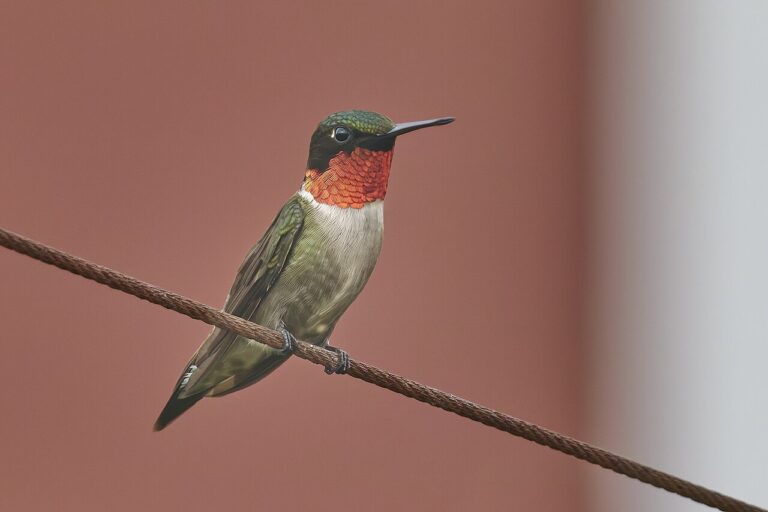
Best for: hummingbirds (Ruby-Throated, Anna’s, Rufous, and many others depending on region), occasional orioles.
Best food: 1:4 sugar:water ratio (no honey, no food coloring, no commercial mixes needed).
Capacity: 4 to 32 oz typical.
The whole hummingbird feeder world has its own gear, recipes, ant defenses, cleaning protocols, and seasonal strategies. We cover all of it in the complete hummingbird guide, including the sugar water recipe and the cleaning frequency by temperature.
The Seed-to-Species Matrix (Quick Reference)
Different seeds attract different birds. The one rule almost every beginner gets wrong: generic “wild bird mix” is mostly filler. It’s heavy on milo, red millet, and cracked corn, seeds that some birds eat but most ignore. A bag of mixed seed is often half-wasted on the ground.
The seed-species pairings that matter:
- Black oil sunflower. The universal seed. Attracts the widest range: chickadees, titmice, cardinals, finches, jays, nuthatches, woodpeckers, grosbeaks. If you buy one seed, buy this.
- Sunflower hearts (shelled). Same birds as black oil sunflower, no shells under the feeder. Costs more, but reduces mess and rodent attraction.
- Safflower seed. Loved by cardinals, ignored by House Sparrows and squirrels. The trick seed for “I want cardinals but not the pests.”
- Nyjer (thistle). Goldfinches, House Finches, Pine Siskins, Redpolls. Almost nothing else.
- Millet (white proso). Doves, juncos, sparrows, towhees. Ground-feeding species.
- Cracked corn. Jays, doves, blackbirds, ground-feeders. Cheap but messy.
- Peanuts (whole or pieces). Jays, woodpeckers, titmice, chickadees, nuthatches. High-energy, expensive.
- Suet. Woodpeckers, nuthatches, chickadees, wrens. Winter energy.
- Mealworms (live or dried). Bluebirds, robins, wrens, chickadees. The premium attractant.
The complete bird seed guide covers each seed in depth, plus storage, freshness, and brand recommendations. The best bird seed comparison and the safflower vs sunflower comparison help you choose the specific products that perform best.
Where to Place Bird Feeders (The Rules That Matter)
Feeder placement determines whether birds find your feeder fast, feel safe using it, and return reliably. Most feeder failures are placement failures, not feeder failures. Move a struggling feeder six feet, and traffic often triples within a week.
The three placement principles, in priority order:
Distance from Cover
Birds need a quick escape route from feeders, because feeders attract predators (Cooper’s Hawks especially, and outdoor cats). The sweet spot is 10 to 15 feet from the nearest dense shrub or low tree. Closer than 10 feet, cats can ambush from cover. Further than 15 feet, smaller birds feel exposed and visit reluctantly.
If your yard has no cover within that range, plant a shrub or set up a brush pile within 15 feet. A bird feeder in a treeless lawn might attract House Sparrows but few else. Native plants for shelter and food are covered in the guide to plants that attract birds.
Distance from Windows
Birds hit windows at predictable rates. The risk is highest when feeders are 5 to 30 feet from a window, close enough that birds startled from the feeder don’t reach full flight speed before hitting glass, far enough that they don’t see the window as part of the feeder structure.
Two safe placement ranges: less than 3 feet from the window (birds can’t build enough speed to injure themselves) or more than 30 feet from the window (birds reach normal flight speed and either avoid the glass or strike at full speed, which is paradoxically less likely because they’re navigating normally). The danger zone is 5 to 30 feet.
If your only good placement is in the danger zone, applied window markers (the small dots you stick on glass at 2 to 4 inch spacing) dramatically reduce collisions. The American Bird Conservancy maintains a list of effective products on their website.
Sun, Wind, and Sight Lines
Other placement factors matter but are secondary:
- Sun. Morning sun is good (warms the feeder area, birds are most active). Direct afternoon sun in summer can melt suet and spoil seed faster.
- Wind. Some shelter from prevailing wind is helpful. Hanging feeders that swing violently scare birds away.
- Your view. A feeder you can’t see won’t reward you with the observation that motivates birding. Place it where you actually look, kitchen window, home office, dining area.
For mounting hardware, the bird feeder poles guide and the bird feeder stands guide cover the specific options.
Squirrels: The One Battle You Have to Plan For
Squirrels will find your feeder within 24 hours and figure out how to access it within a week. Defending against squirrels isn’t optional, it’s a core part of feeder setup, because an undefended feeder will be emptied by squirrels faster than birds can use it, the feeder itself often gets damaged, and squirrels chase birds away.
The strategies that actually work:
- Pole-mounted feeder with baffle. A pole at least 5 feet tall, planted at least 10 feet from any jumpable surface (fence, tree, deck rail), with a wraparound baffle 4 to 4.5 feet up the pole. This is the gold standard.
- Squirrel-proof feeder mechanism. Weight-triggered feeders close the seed ports when something heavier than a bird lands. Designs like the Brome Squirrel Buster Plus, Droll Yankees Yankee Flipper, and similar mechanisms work consistently.
- Safflower seed. Squirrels generally dislike safflower. Filling your feeder with safflower won’t stop a determined squirrel but reduces their interest.
- Hot pepper seed. Birds can’t taste capsaicin; mammals can. Pepper-treated seed deters squirrels but is controversial in the birding community (some worry about effects on bird beaks and eyes, research is mixed).
What doesn’t work: greasing the pole (legal liability if a squirrel falls and hurts itself, plus it’s cruel), shooting them (illegal in most jurisdictions for nuisance squirrels), or trapping and relocating (illegal in many states, and creates conflict in the new location).
For specific product picks, see the best squirrel-proof bird feeders guide and the squirrel baffle comparison.
Feeder Maintenance: Health and Hygiene
Bird feeders can spread disease through bird populations if neglected. Salmonellosis outbreaks in American Goldfinches and Pine Siskins have killed thousands of birds in recent years, traced largely to contaminated feeders. Maintaining feeders properly is a baseline responsibility of feeding birds.
The maintenance schedule:
- Refill timing. Refill before the feeder is completely empty, but don’t let stale seed sit. Aim for full or refilled every 3 to 7 days.
- Cleaning frequency. Wash feeders every 2 weeks during normal periods, weekly during damp or hot weather, and immediately if you see any sick birds.
- Cleaning method. Empty the feeder, soak in a 1:9 bleach-to-water solution for 10 minutes, scrub with a bottle brush to remove debris, rinse thoroughly with fresh water, air-dry completely before refilling.
- Under-feeder cleanup. Sweep or rake the ground beneath feeders weekly. Accumulated seed hulls and waste seed attract rodents and harbor mold.
During known disease outbreaks (your state wildlife agency or local Audubon chapter will issue alerts), the official recommendation is to take feeders down for 2 to 4 weeks, allowing birds to disperse. It’s the right move even though it feels counterintuitive.
If birds aren’t visiting at all despite proper setup, see the troubleshooting guide for bird feeders not attracting birds.
How to Choose Your First Feeder Setup
For a brand-new yard with no existing bird traffic, the highest-return single setup is:
- One hopper or tube feeder filled with black oil sunflower seed.
- Mounted on a 6-foot pole with a wraparound baffle, 10+ feet from cover and 10+ feet from any squirrel-jumpable surface.
- Placed where you can see it from inside your home.
- Refilled every 4 to 7 days, cleaned every 2 weeks.
That single setup will attract chickadees, titmice, nuthatches, cardinals, finches, woodpeckers (occasionally), and sometimes jays. Birds typically find a new feeder within 1 to 3 weeks.
After that’s running successfully, the typical expansions are:
- A platform or ground tray with millet for sparrows, doves, and juncos.
- A suet cage for woodpeckers (especially valuable in winter).
- A nyjer tube for goldfinches.
- A hummingbird feeder during the spring, fall hummingbird season.
The complete guide to attracting birds to your yard covers the broader yard setup that complements your feeders.
Smart Feeders and Camera Feeders
Camera-enabled bird feeders are a relatively new category that’s grown rapidly. Devices like Bird Buddy, Birdfy, and Netvue use AI to identify visiting birds and stream live video to your phone. They’re not necessary for backyard birding, but they’re genuinely useful for two cases: people who want to watch birds remotely (while at work, traveling), and beginners who want help with identification.
The trade-offs: they cost $150 to 250 versus $20 to 40 for a basic feeder, they need WiFi and charging or solar input, the AI identification is generally accurate for common species but errs on unusual ones, and the smart-feeder ecosystem includes subscription fees for some features.
For specific product comparisons and an honest assessment of which smart feeder is worth it, see the best smart bird feeders guide, the best bird feeder cameras guide, and our Bird Buddy long-term review.
DIY and Budget Options
You don’t need to buy commercial feeders to feed birds. Many homemade designs work fine, especially for beginners testing whether they enjoy birding before committing to expensive gear.
The minimal-budget options:
- A shallow ceramic dish or tray on a flat surface, filled with sunflower seed. Five dollars at any thrift store.
- A pinecone smeared with peanut butter and rolled in seed, hung from a branch with twine. Cost: nearly zero. Beloved by chickadees and titmice.
- A 2-liter plastic bottle with two perches (sticks pushed through) and small ports cut below the perches. Five-minute build, lasts a season.
For families with kids, the pinecone-and-peanut-butter version is a perfect first project. For more deliberate DIY builds, the internet has thousands of plans, the build skill is low, the results work surprisingly well.
Worth noting: high-end commercial feeders typically last 5+ years, perform better against squirrels and rain, and require less frequent replacement. The math favors better feeders after the first year if you intend to stay with the hobby.
Frequently Asked Questions
What’s the best bird feeder for beginners?
A simple tube or hopper feeder filled with black oil sunflower seed, mounted on a pole with a squirrel baffle, 10 to 15 feet from cover. This setup attracts the widest variety of common backyard birds and costs $40 to 70 total for everything you need.
Why aren’t birds coming to my new feeder?
New feeders typically take 1 to 3 weeks for birds to discover and trust. If your feeder still isn’t being used after 4 weeks, the most common causes are placement (too exposed, no cover within 15 feet), seed type (using filler-heavy “wild bird mix”), or competition from established feeders nearby. See the dedicated troubleshooting guide for full diagnostics.
How often should I clean my bird feeder?
Clean every 2 weeks during normal conditions, weekly in hot or damp weather, and immediately if you see any sick or dead birds in your yard. Use a 1:9 bleach-to-water solution, scrub thoroughly, rinse, and air-dry completely before refilling.
Should I take my feeders down in summer?
In most regions, no. Birds use feeders heavily during nesting season, especially when feeding fledglings. The exceptions: during local disease outbreaks (follow your state wildlife agency’s guidance) or if your feeder location attracts excessive bear activity in some regions.
Will feeding birds make them dependent on me?
No. Backyard feeders supply a small fraction of any wild bird’s overall food. Birds remain capable foragers regardless of feeder availability. If you stop feeding, birds will find food elsewhere within days. The exception is during severe winter storms or in regions with extreme cold, when consistent feeding can be a survival factor.
What’s the best seed if I can only buy one?
Black oil sunflower seed. It attracts the widest range of species, chickadees, cardinals, finches, jays, nuthatches, woodpeckers, titmice, grosbeaks, and works in virtually every feeder type. A 20-pound bag costs $25 to 35 and lasts most yards 1 to 2 months.
Do squirrels eat all my bird seed?
If you have squirrels in your neighborhood (you do, almost certainly), they’ll find your feeder within 24 hours and consume seed faster than birds. A pole-mounted setup with a wraparound baffle solves this for most situations. Weight-triggered squirrel-proof feeders also work well.
Are smart feeders with cameras worth it?
For most birders, no, a $40 standard feeder serves birds just as well. Smart feeders ($150 to 250) make sense if you specifically want remote viewing, help with identification, or photos/videos of your birds. The bird-attracting performance is similar; you’re paying for the technology layer, not better bird outcomes.
Can I feed birds from a window or apartment balcony?
Yes. Window feeders attach directly to glass with suction cups, and small balcony setups attract surprising species. See the window bird feeders guide for specific product picks and placement tips.