The Best Bird Seed: 9 Top Picks for Every Species and Budget (2026)
Affiliate Disclosure: This article contains affiliate links. We may earn a small commission when you purchase products through these links, at no additional cost to you. This supports our research and content creation. We only recommend products that match the specifications and quality standards we cover in our complete bird seed guide.
The single most common mistake beginning bird feeders make is buying the wrong seed. A $12 bag of generic “wild bird mix” from a grocery store may attract fewer birds than a $5 bag of straight black oil sunflower seed, because most cheap mixes are filler-heavy with seeds birds reject (red millet, milo, cracked corn, wheat). The right seed transforms a feeder from sparsely-visited to constantly active within days. This guide ranks the 9 best bird seed products across categories, best overall, best for finches, best for cardinals, best squirrel-resistant, best no-mess, best suet, best mealworms, best budget, and best premium mix. Each pick is based on customer reviews, established brand reputation, and matches the specifications we cover in our complete seed guides.
Black oil sunflower is the single most useful seed, taken by more feeder birds than any other. Nyjer draws finches, safflower deters squirrels and grackles, and cheap mixes padded with red milo and cracked corn are mostly kicked to the ground uneaten.
Quick Comparison Table
| Seed Type | Brand | Attracts | Approx. Price | Best For |
|---|---|---|---|---|
| Lyric Black Oil Sunflower | Lyric | All seed-eating species | $25-35 (20 lb) | Overall #1 |
| Wagner’s Nyjer/Thistle | Wagner’s | Goldfinches, siskins | $15-25 (5 lb) | Finches |
| Cole’s Hot Meats Safflower | Cole’s | Cardinals, no squirrels | $20-30 (10 lb) | Squirrel-Resistant |
| Wagner’s Songbird Supreme | Wagner’s | All small songbirds | $30-45 (16 lb) | Premium Mixed |
| Lyric Fine Tunes (Hulled) | Lyric | All seed-eating, no mess | $30-40 (15 lb) | No-Mess |
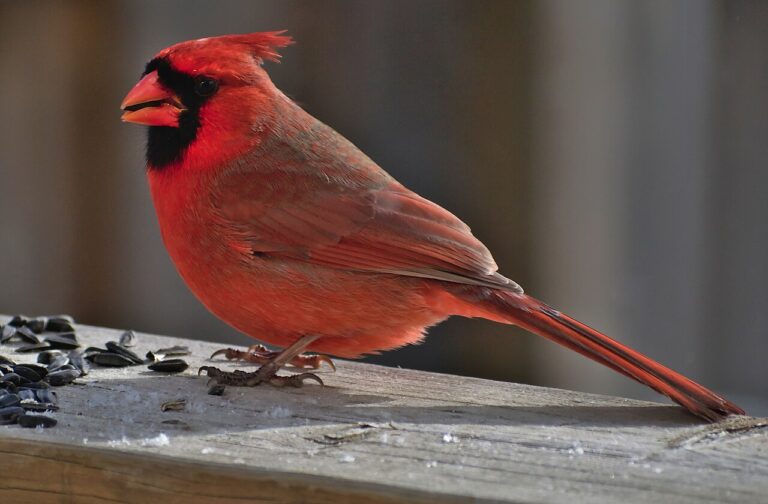
| Cole’s Cardinal Blend | Cole’s | Cardinals especially | $20-30 (10 lb) | Cardinals |
| Wildlife Sciences Suet | Wildlife Sciences | Woodpeckers, nuthatches | $10-20 (12-pack) | Suet |
| Mealworms To Go | Mealworms To Go | Bluebirds, robins | $25-40 (1 lb dried) | Mealworms |
| Pennington Black Oil Sunflower | Pennington | Same as Lyric BOSS | $15-25 (20 lb) | Budget |
#1: Best Overall, Lyric Black Oil Sunflower Seed
Why we recommend it: Black oil sunflower seed is the universal champion of bird seeds, attractive to nearly every backyard species (chickadees, cardinals, titmice, nuthatches, finches, woodpeckers, jays, and more). Lyric’s premium-grade black oil sunflower is cleaner, fresher, and has fewer broken shells than budget alternatives. If you buy only one seed, this is it.
Key specs:
- Single ingredient: 100% black oil sunflower seed
- Available sizes: 5 lb, 10 lb, 20 lb, 40 lb
- High oil content for energy-rich feeding
- Cleaned to remove broken shells and debris
- Excellent for fall, winter, and year-round use
Pros:
- Attracts the widest variety of backyard birds
- Premium quality with minimal debris
- Higher oil content than budget alternatives (better energy density for birds)
- Available in multiple sizes
- Reliable consistency between bags
Cons:
- Higher price than budget black oil sunflower
- Single seed type, pair with other types for variety
- Shells create mess below feeders (consider hulled if mess is a concern)
- Squirrels also love it (use with a baffle)
Best for: Primary seed for any tube or hopper feeder, beginners building their first setup, year-round use, attracting the widest species variety. Pairs perfectly with the Brome Squirrel Buster Plus.
[Check Price on Amazon →]
#2: Best for Finches, Wagner’s Nyjer/Thistle Seed
Why we recommend it: Nyjer (also called thistle) is the specialty seed for goldfinches, siskins, redpolls, and house finches. It must be used in a specialized finch feeder (mesh sock or fine-port tube). Wagner’s is the most consistent nyjer brand widely available, fresh, well-cleaned, and reliably attractive to goldfinch flocks.
Key specs:
- Single ingredient: Sterilized nyjer seed
- Available sizes: 5 lb, 10 lb, 20 lb
- Sterilized (won’t sprout in your yard)
- Higher oil content suitable for finch metabolism
Pros:
- Goldfinch magnet (often the only seed they reliably use)
- Sterilized prevents yard sprouting
- Squirrels generally avoid nyjer (built-in squirrel resistance)
- Compact storage (smaller seeds, denser packing)
- Excellent fall and winter food
Cons:
- Requires a specialty finch feeder (mesh sock or thistle tube)
- Goes stale relatively quickly (use within 4-6 weeks of opening)
- More expensive per pound than sunflower seed
- Only attracts finches and a few related species
Best for: Goldfinch-focused yards, fall and winter feeding (when goldfinch flocks are largest), specialty supplemental feeding, pairing with a finch sock feeder.
[Check Price on Amazon →]
#3: Best Squirrel-Resistant, Cole’s Hot Meats Safflower Seed
Why we recommend it: Safflower seed is the secret weapon for squirrel-pressured yards, squirrels generally dislike it, while cardinals, finches, chickadees, and grosbeaks readily eat it. Cole’s Hot Meats version adds capsaicin (the active ingredient in hot peppers) which further deters squirrels and other mammals without affecting birds (birds don’t have receptors for capsaicin).
Key specs:
- Ingredients: Safflower seed treated with capsaicin
- Available sizes: 5 lb, 10 lb, 20 lb
- Suitable for any tube, hopper, or tray feeder
- High protein, high fat content
Pros:
- Squirrels strongly avoid (especially the capsaicin version)
- Also deters raccoons, deer, and most non-bird mammals
- Cardinals are particularly fond of safflower
- Doesn’t harm any birds (capsaicin is mammal-specific)
- Excellent year-round seed
Cons:
- More expensive than sunflower seed
- Some birds take time to adapt (introduce gradually)
- The capsaicin version may be less suitable in households with pets that frequent the area
- Initial bird traffic may decrease slightly while species adapt
Best for: Yards with heavy squirrel pressure, cardinal-focused setups, deer-pressured areas, any feeder you’ve struggled to keep stocked. Pairs well with open tray feeders.
[Check Price on Amazon →]
#4: Best Premium Mixed Seed, Wagner’s Songbird Supreme
Why we recommend it: Most mixed seed is filler-heavy garbage. Wagner’s Songbird Supreme is one of the few premium mixes worth buying, it’s heavy on black oil sunflower, sunflower hearts, and other high-value seeds, with minimal filler. The result: birds eat almost all of it rather than picking through and rejecting filler.
Key specs:
- Mix: Black oil sunflower (45%), sunflower hearts, white millet, safflower, peanut pieces
- Available sizes: 6 lb, 12 lb, 16 lb, 22 lb
- No corn, milo, red millet, or wheat fillers
- High protein, high fat content
Pros:
- Premium ingredients (no cheap fillers)
- Attracts wide variety of species simultaneously
- Birds eat nearly all of it (low waste)
- Good for cardinals, finches, chickadees, sparrows simultaneously
- Better value than the “premium” claim suggests because nothing’s wasted
Cons:
- Higher price than budget mixes
- Slightly less effective than straight black oil sunflower for finches
- Mixed seed always wastes more than single-ingredient seed (birds pick favorites)
Best for: Yards with diverse species, beginners wanting “one bag to rule them all,” ground or tray feeders where multiple birds compete for different seeds.
[Check Price on Amazon →]
#5: Best No-Mess, Lyric Fine Tunes (Hulled Sunflower)
Why we recommend it: The hidden cost of black oil sunflower seed: shells under feeders create messy piles that smother grass, attract rodents, and may sprout sunflower plants. Lyric Fine Tunes is hulled sunflower seed, birds eat 100% of what comes out of the bag, leaving no shells.
Key specs:
- Ingredient: 100% hulled sunflower (kernels only)
- Available sizes: 5 lb, 10 lb, 15 lb
- No shells (no mess below feeder)
- Pre-shelled saves birds energy
Pros:
- Zero mess below feeders
- Birds eat 100% of the seed (no waste)
- Saves birds energy (they don’t have to crack shells)
- Cardinal, chickadee, and finch favorite
- Cleaner-looking feeder area
Cons:
- 2-3× more expensive per pound than shelled sunflower
- Spoils faster than shelled sunflower (smaller bags better)
- Doesn’t last as long in damp weather
- May attract more bird traffic than you expected
Best for: Patio and deck feeders where mess matters, anyone with HOA restrictions on bird feeders, low-maintenance setups, supplemental feeding for variety.
[Check Price on Amazon →]
#6: Best for Cardinals, Cole’s Cardinal Blend
Why we recommend it: Cardinals prefer larger seeds and have stronger beaks than smaller songbirds. Cole’s Cardinal Blend is specifically formulated for cardinal preferences, heavy on black oil sunflower, safflower, and white millet (the seeds cardinals actually prefer over generic mixes).
Key specs:
- Mix: Black oil sunflower, safflower, white millet, peanut pieces
- Available sizes: 5 lb, 10 lb, 20 lb
- No corn, milo, red millet, or wheat fillers
- High protein content for cardinals
Pros:
- Cardinals visibly prefer this over generic mixed seed
- Also excellent for grosbeaks, jays, and chickadees
- Built-in squirrel resistance (safflower component)
- Reliable consistency
- Good for tray and hopper feeders
Cons:
- More expensive than basic black oil sunflower
- Less ideal for finch-focused setups (use nyjer instead)
- Open tray feeders with this seed need more cleaning (it gets wet faster)
Best for: Cardinal-focused yards, open tray feeders, supplemental specialty seed alongside primary tube feeder seed.
[Check Price on Amazon →]
#7: Best Suet, Wildlife Sciences Premium Suet
Why we recommend it: Suet (animal fat blended with seeds, nuts, or fruit) provides essential winter calories that other seeds can’t match. Wildlife Sciences offers consistently fresh, well-formulated suet with variety options (peanut, berry, hot pepper, etc.). Particularly effective for woodpeckers, nuthatches, chickadees, and wrens.
Key specs:
- 12-pack of suet cakes (or 24-pack options available)
- Standard size: 11 oz cakes (fits all standard suet cages)
- Various flavors: Plain, Peanut, Berry, Hot Pepper
- Long shelf life if stored properly
Pros:
- Essential winter calorie source
- Attracts species that don’t typically visit seed feeders (woodpeckers especially)
- Long shelf life (sealed cakes last 6+ months)
- Multiple flavor options for variety
- The hot pepper version deters squirrels
Cons:
- Requires a suet cage feeder
- Higher protein cost than basic seed
- Spoils faster than seed in hot summer weather
- Some squirrels still raid suet despite hot pepper additions
Best for: Winter feeding (when birds need maximum calories), attracting woodpeckers and nuthatches specifically, supplementing your primary feeders. See our complete bird seed guide for suet placement strategy.
[Check Price on Amazon →]
#8: Best Mealworms, Mealworms To Go Dried Mealworms
Why we recommend it: Mealworms are the secret to attracting bluebirds, robins, wrens, and other insectivorous birds that don’t typically visit seed feeders. Dried mealworms (vs. live) are easier to store and handle, while still being highly attractive to insect-eating birds.
Key specs:
- 100% dried mealworms (no fillers)
- Available sizes: 8 oz, 1 lb, 2 lb, 5 lb
- Long shelf life when stored cool and dry
- High protein (50%+ protein content)
Pros:
- Attracts bluebirds, robins, wrens, species that ignore seed feeders
- Long shelf life (1+ year sealed)
- Easy to handle (vs. live mealworms)
- High protein essential for nesting birds
- Excellent for nestling-feeding parents
Cons:
- Expensive per pound compared to seed
- Quality varies between brands (cheaper brands often have broken/dusty product)
- Specialty feeder (tray or dish) typically needed
- Storage attention required (cool, dry, sealed)
Best for: Bluebird-focused yards, nesting season supplementation, attracting insectivorous species that ignore seed feeders. Place in small dishes or specialty bluebird feeders.
[Check Price on Amazon →]
#9: Best Budget, Pennington Black Oil Sunflower Seed
Why we recommend it: When budget matters more than premium quality, Pennington’s black oil sunflower seed is the best value option widely available. The seed itself is functionally identical to premium black oil sunflower; the differences are in cleanliness (more shell debris) and consistency (more variation between bags). Still excellent value at typically 25-30% less than premium brands.
Key specs:
- Single ingredient: Black oil sunflower seed
- Available sizes: 5 lb, 10 lb, 20 lb, 40 lb
- Widely available at big-box stores and Amazon
- Suitable for any feeder type
Pros:
- Excellent value (lowest price per pound of quality black oil sunflower)
- Widely available
- Birds eat it just as readily as premium brands
- Multiple size options
- Good for high-volume bird feeders
Cons:
- More shell debris than premium brands
- Some bag-to-bag inconsistency
- Slightly more sprouting from unfed seed
- May contain occasional foreign material
Best for: Budget-conscious feeders, high-volume yards, beginners testing whether they’ll continue feeding, anyone willing to accept minor quality trade-offs for significant cost savings.
[Check Price on Amazon →]
How to Choose the Right Bird Seed
The seed strategy that matches your specific yard and birds:
Step 1: Start with Black Oil Sunflower
Always. Black oil sunflower seed attracts the widest variety of backyard birds. Lyric (premium) or Pennington (budget) are both excellent. Make this your primary seed before adding anything else.
Step 2: Add Specialty Seed Based on Target Birds
- Goldfinches in your area: Add nyjer (Wagner’s) in a finch sock
- Cardinals especially: Add Cole’s Cardinal Blend or Cole’s Hot Meats Safflower
- Bluebirds and robins: Add dried mealworms
- Winter season: Add suet cakes
Step 3: Avoid Generic “Wild Bird Mix”
The single biggest seed mistake. Cheap wild bird mix is heavy on filler seeds (milo, red millet, cracked corn, wheat) that birds reject. The “good” seeds get picked out; the rest gets thrown on the ground and wasted. Either buy premium mix (Wagner’s Songbird Supreme) or build your own with separate bags of preferred seeds.
Step 4: Match Seed Type to Feeder Type
- Tube feeder: Black oil sunflower, hulled sunflower, or nyjer
- Hopper feeder: Black oil sunflower, premium mix, or specialty blends
- Tray feeder: Mixed seeds, safflower, or specialty blends
- Window feeder: Black oil sunflower or hulled sunflower (less mess)
- Specialty finch feeder: Nyjer/thistle
- Suet cage: Suet cakes
- Mealworm dish: Dried mealworms
For complete feeder strategy, see our best bird feeders guide and our bird feeders guide.
Step 5: Budget vs. Premium Strategy
For a typical yard, the best balance:
- Black oil sunflower (premium quality): $25-35 / 20 lb, primary feeder
- Nyjer (Wagner’s): $15-25 / 5 lb, finch sock
- Safflower (Cole’s Hot Meats): $20-30 / 10 lb, squirrel defense
- Suet (Wildlife Sciences): $10-20 / 12-pack, winter only
Total seasonal seed cost for active yard: $80-120 for 4-6 weeks of feeding. Daily cost is similar to buying a few coffee shop drinks per week.
How Much Seed Will I Use?
Seed consumption varies dramatically by yard activity:
- Low traffic (occasional birds): 5-10 lb black oil sunflower per month
- Moderate traffic (regular activity): 10-20 lb per month
- High traffic (multiple feeders, many birds): 20-40 lb per month
- Winter peak (cold-stressed birds): Can double normal consumption
Buying in bulk (20-40 lb bags) saves significantly per pound. Store sealed in a dry container to prevent moisture and pest issues.
Storing Bird Seed Properly
Improperly stored seed gets stale, attracts pests, and may grow mold. The correct storage approach:
- Use sealed containers (metal trash cans, food-grade plastic bins, or original sealed bags)
- Store in cool, dry location (garage, basement, mudroom)
- Avoid heat exposure (kitchen, attic, direct sunlight)
- Use within 4-6 months of purchase for best quality
- Inspect monthly for signs of pests (web-like material, small insects, off smell)
- Discard contaminated seed immediately, moldy or pest-infested seed can sicken birds
Suet specifically requires refrigeration in hot weather, or it’ll go rancid within days.
What Seed to Avoid
Three categories of bird seed to skip:
Generic “Wild Bird Mix” with Filler
If the ingredient list shows milo, red millet, cracked corn, or wheat as primary ingredients, birds will reject most of it. Look for mixes that prioritize black oil sunflower, sunflower hearts, white millet, and safflower.
Cheap “Bird Buffet” Mixes from Grocery Stores
These are often the worst offenders, heavy on cheap filler, sometimes with artificial colors. The bag might cost less, but cost-per-actually-eaten-seed is often higher than premium options.
Stale or Old Seed
Sniff-test seed before buying: it should smell faintly nutty, not sour or musty. Avoid bags that appear damaged, water-stained, or unusually old.
Pesticide-Treated Seed (Where Possible)
Some agricultural-grade seeds are treated with pesticides. Specifically labeled “bird seed” should be untreated, but verify with manufacturers if in doubt.
Where to Buy Bird Seed
The trade-offs across purchase channels:
- Amazon: Widest selection, fast shipping, customer reviews. Most brands available.
- Wild Birds Unlimited: Premium specialty stores with expert staff and freshness guarantees. Higher prices but excellent guidance.
- Tractor Supply, Rural King, Ace Hardware: Mid-range pricing, big bag availability, limited brand selection.
- Big-box grocery (Walmart, Target): Convenience but quality varies dramatically.
- Co-op or feed store: Often best per-pound pricing on large quantities, especially in rural areas.
- Manufacturer direct (e.g., Wagner’s, Lyric): Sometimes available for bulk orders, possible freshness advantages.
For most American backyards, Amazon Subscribe & Save offers the best combination of price, convenience, and reliable freshness for recurring seed needs.
Why Seed Under the Feeder Is a Disease Risk
The seed that ends up on the ground is the part of a feeding setup that causes problems. Spilled seed and hulls collect droppings, hold moisture and go mouldy, and because ground-feeding birds like juncos, doves and sparrows work through that layer, it becomes the main route by which disease passes between birds.
Salmonellosis is the clearest example. Outbreaks among finches and pine siskins recur most winters somewhere in North America, spread when birds ingest feed contaminated with infected droppings, and state agencies respond by asking people to clean feeders and, during active outbreaks, to take them down for a couple of weeks so flocks disperse.
Two habits remove most of the risk. Choose seed the birds actually eat, since mixes heavy in milo and cracked corn generate the most waste, and use hulled sunflower or a seed tray if ground litter is a persistent problem. Then rake or shovel the area under the feeder regularly, move the feeder occasionally so the ground can recover, and clean the feeder itself at least monthly. Kentucky’s wildlife department set out the practical version of this during a salmonella outbreak at bird feeders.
Frequently Asked Questions
What’s the best bird seed for beginners?
Straight black oil sunflower seed (Lyric or Pennington). It attracts the widest variety of backyard birds, works in any standard feeder type, and is impossible to confuse. Add specialty seeds (nyjer, suet, mealworms) later as you identify specific species you want to attract.
Why do birds avoid my mixed seed?
Most cheap wild bird mixes contain filler seeds (milo, red millet, cracked corn, wheat) that birds reject. The birds pick out the few preferred seeds and toss the rest. Switch to straight black oil sunflower or a premium mix (Wagner’s Songbird Supreme, Cole’s blends) to avoid this waste.
Is more expensive bird seed worth it?
Generally yes, especially for primary seed. Premium brands have higher oil content, cleaner processing, fewer broken shells, and more consistent quality. The cost-per-actually-eaten-seed is often comparable to budget brands because birds reject more of the budget seed.
How long does bird seed last?
Sealed bags last 6-12 months under cool, dry conditions. Opened bags should be used within 4-6 weeks for best freshness. Nyjer specifically goes stale faster, use within 6-8 weeks of opening. Suet keeps 6+ months sealed, but must be refrigerated in hot summer weather once opened.
What seed do cardinals like best?
Cardinals especially prefer black oil sunflower, safflower, and white millet. Cole’s Cardinal Blend combines these. Open tray and hopper feeders work better for cardinals than tube feeders because their larger bodies need perching space.
Why is nyjer seed so expensive?
Nyjer is grown primarily in India and Ethiopia and must be sterilized (heat-treated) before US import to prevent it from sprouting as a weed. This processing and limited supply increases costs. Despite the price, nyjer attracts goldfinch flocks that no other seed reliably does.
Should I buy bird seed in bulk?
Yes, if you can store it properly. Bulk bags (20-40 lb) save 25-40% per pound compared to small bags. The challenges: storage space and freshness if you can’t use it within 4-6 months. For active feeders, bulk is almost always better value.
Can I make my own bird seed mix?
Yes, buying separate bags of high-quality seeds and mixing them yourself often beats commercial mixes. Recipe for a great custom mix: 50% black oil sunflower, 25% safflower, 15% white millet, 10% peanut pieces or hulled sunflower. Skip cheap fillers.
What’s the difference between black oil sunflower and striped sunflower?
Black oil sunflower has thinner shells (easier for small birds to crack), higher oil content (more energy per seed), and is more widely accepted by backyard birds. Striped sunflower has thicker shells, lower oil content, and is preferred by larger birds (cardinals, jays). Black oil is the more versatile choice.
How do I know if bird seed has gone bad?
Sniff-test before each refill. Fresh seed smells faintly nutty. Stale seed smells sour, musty, or off. Moldy seed has visible fuzzy growth or clumped texture. Discard bad seed immediately, it can sicken birds and may have caused them to stop visiting your feeder.
Is organic bird seed worth the premium?
Generally no. Most bird seed is grown without significant pesticide use (it’s not consumed by humans), and the organic certification adds 30-50% to costs without meaningful benefit for birds. Standard quality bird seed from reputable brands is fine for birds.
Should I add corn to my bird feeding mix?
Whole corn attracts squirrels, raccoons, deer, and other unwanted wildlife while not particularly attracting many songbirds. Cracked corn has limited bird appeal (mostly larger species like jays and grackles). Avoid both as primary feeder ingredients.
Where can I find more specific seed recommendations?
Our complete guides cover specific topics in depth:
- Bird Seed Guide, Complete seed strategy
- Best Bird Feeders, Matching feeders to seed types
- Attract Birds to Your Yard, Complete habitat framework
Related reading: female painted bunting identification, types of wrens.