Bull Snake: How to Tell It Apart From a Rattlesnake
Bull snakes hiss and shake their tails to mimic rattlesnakes, but they’re harmless. Here’s how to identify one and where it lives.
Beyond the feeder. Guides to the mammals, reptiles, and other wildlife that share your backyard, from squirrels and raccoons to deer and foxes.
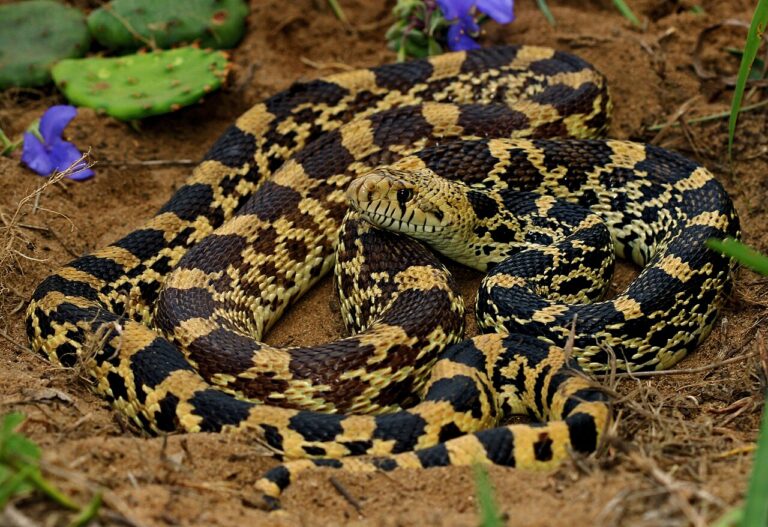
Bull snakes hiss and shake their tails to mimic rattlesnakes, but they’re harmless. Here’s how to identify one and where it lives.
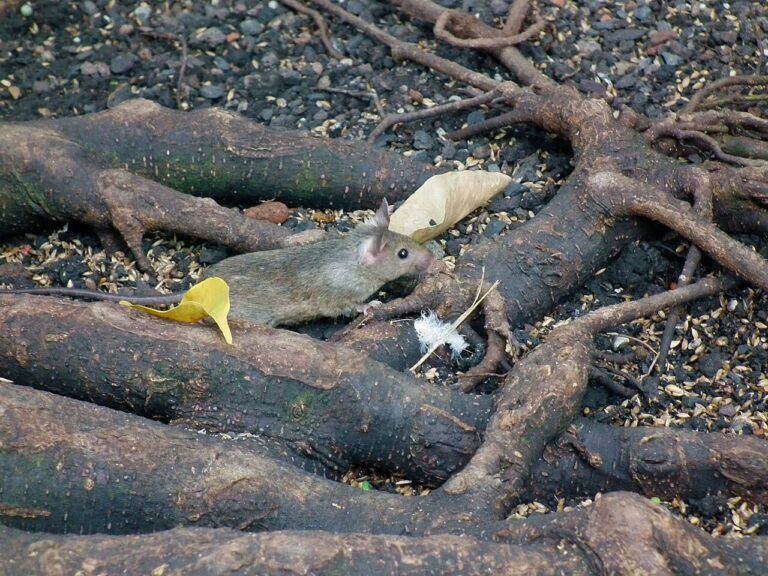
Learn how to find where mice are entering your walls, seal the gaps, and set traps in the right spot to clear an infestation for good.
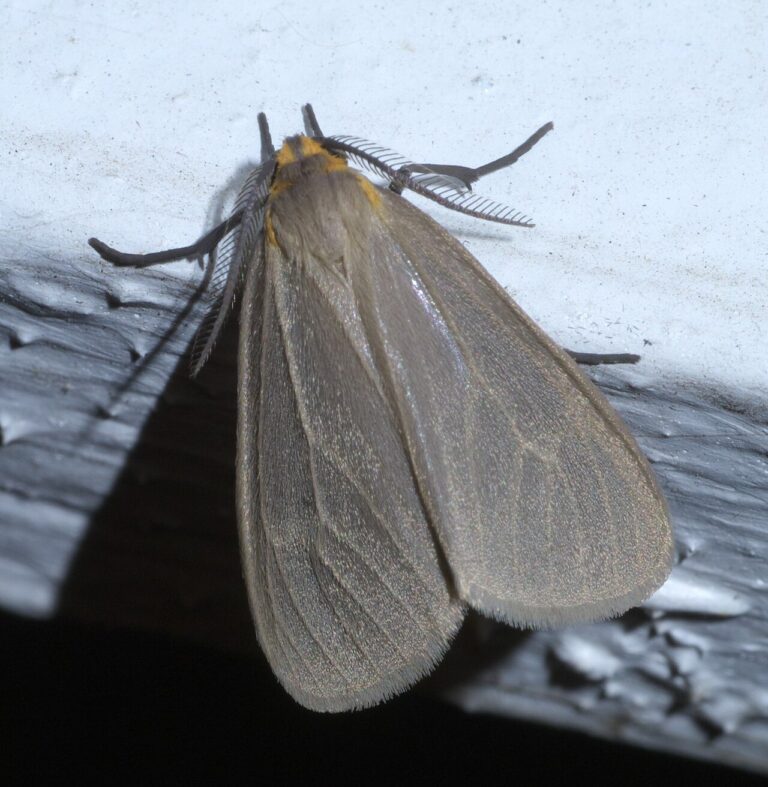
Most black and orange caterpillars are harmless woolly bears, but a few fuzzy look-alikes can cause mild skin irritation. Here is how to tell them apart.
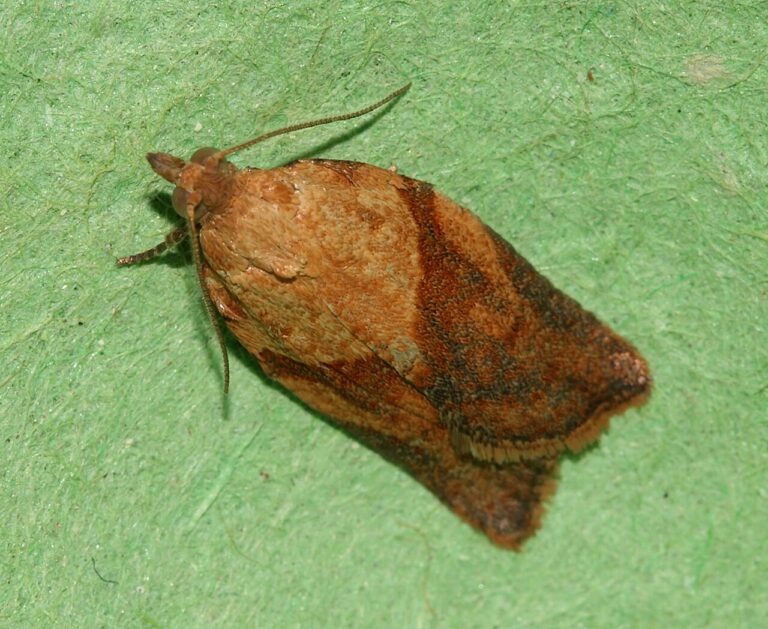
Which brown moth is in your house or yard, whether it is a pest, and what to do about it. Nine common species compared by size, habitat and harm.
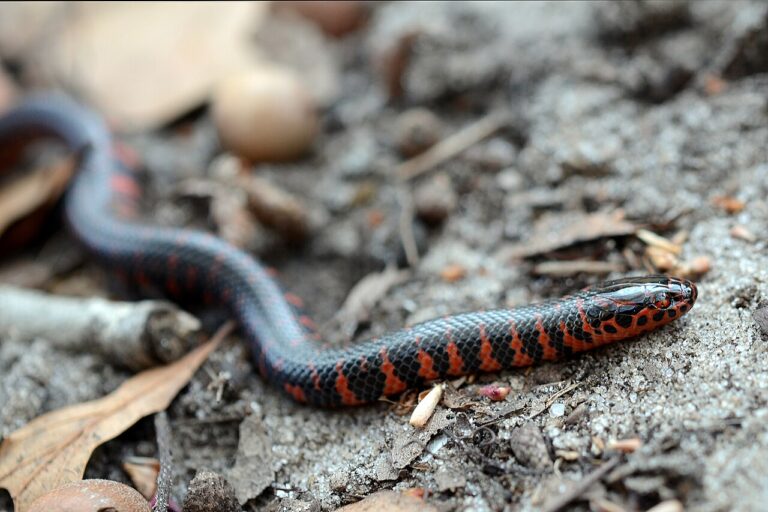
Mud snake, scarlet snake, or ring-necked snake, all harmless. Why missing yellow bands rules out a coral snake.
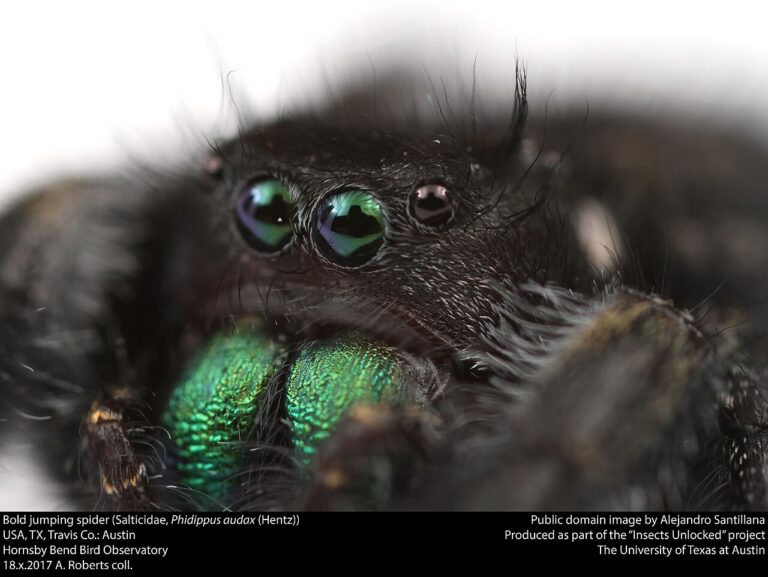
Bold jumper, zebra jumper, or spined micrathena? How to tell black and white spiders apart by web, eyes, and abdomen shape.
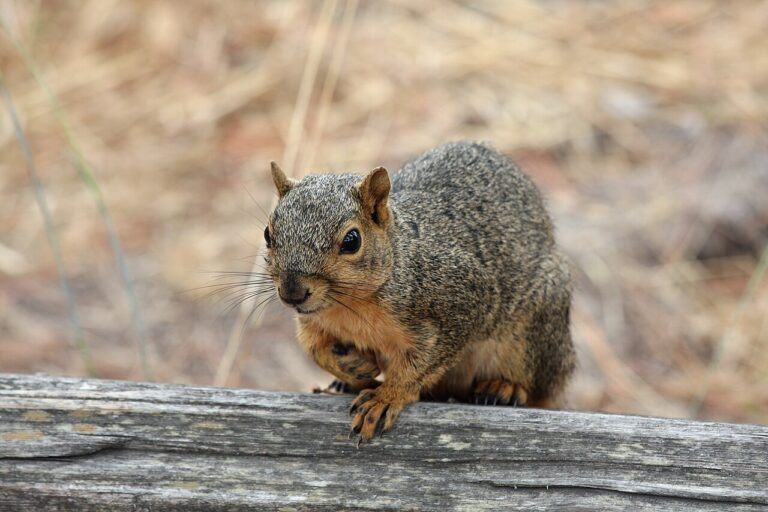
Tree squirrels are diurnal and sleep through the night. Here is which squirrel really is nocturnal, and what the noise overhead after dark actually is.
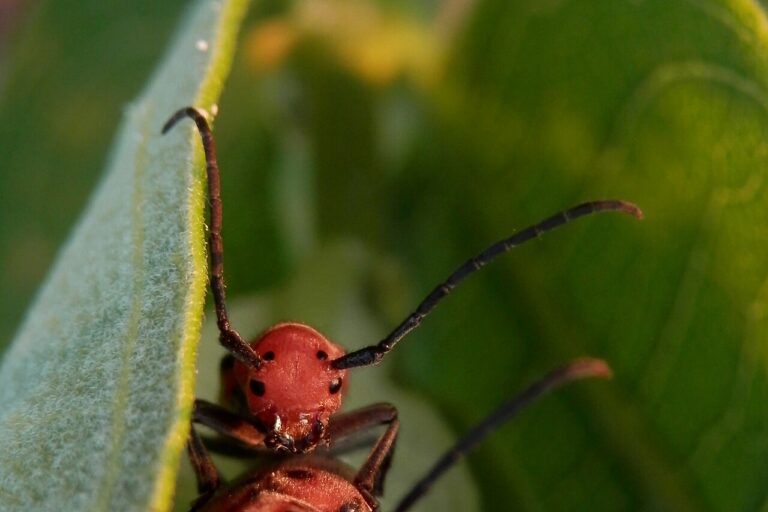
Most red and black beetles are not beetles at all. How to tell boxelder bugs and milkweed bugs from real beetles, and what to do about each.
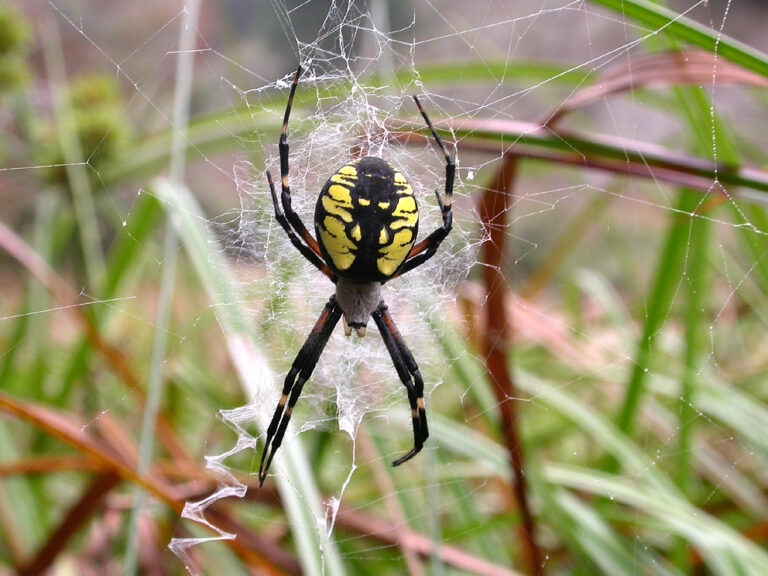
The big black and yellow spider in the garden web is Argiope aurantia and it is harmless. Here is how to tell it from banded garden spiders, jumpers, and sac spiders.
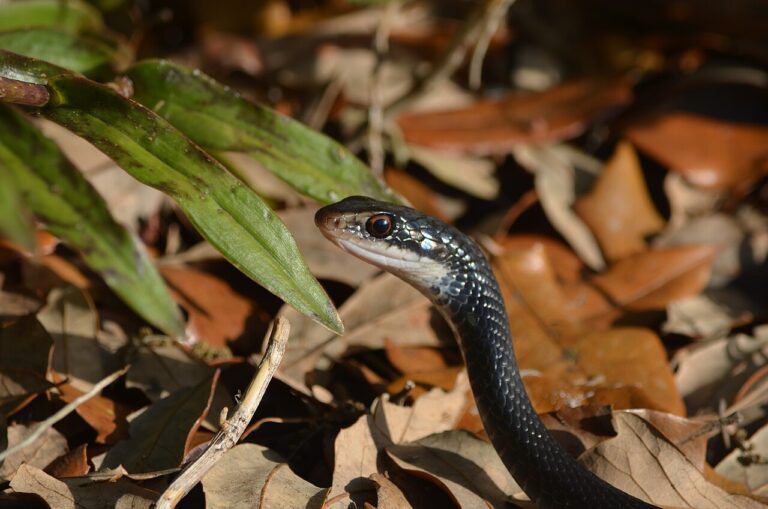
Eastern racer, black rat snake, or black kingsnake. All harmless, all beneficial. How to tell them apart and what actually attracts them.