Suet for Birds: Complete Guide
Suet for birds is rendered beef or vegetable fat, prized by woodpeckers, chickadees, and nuthatches for the concentrated energy it delivers, especially in winter.
What to feed backyard birds and how. Compare feeder types, seed blends, suet, and nectar recipes, and learn how to keep feeding stations clean and safe.
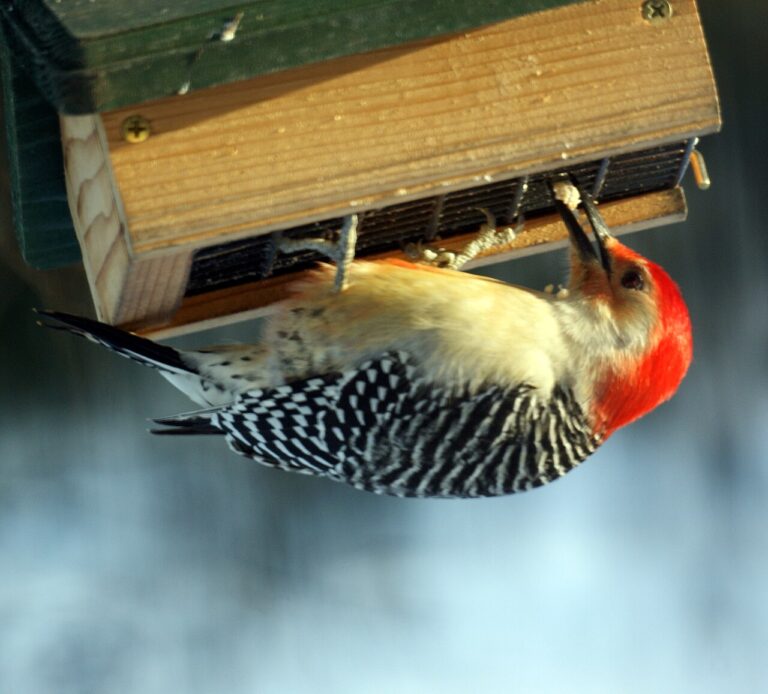
Suet for birds is rendered beef or vegetable fat, prized by woodpeckers, chickadees, and nuthatches for the concentrated energy it delivers, especially in winter.
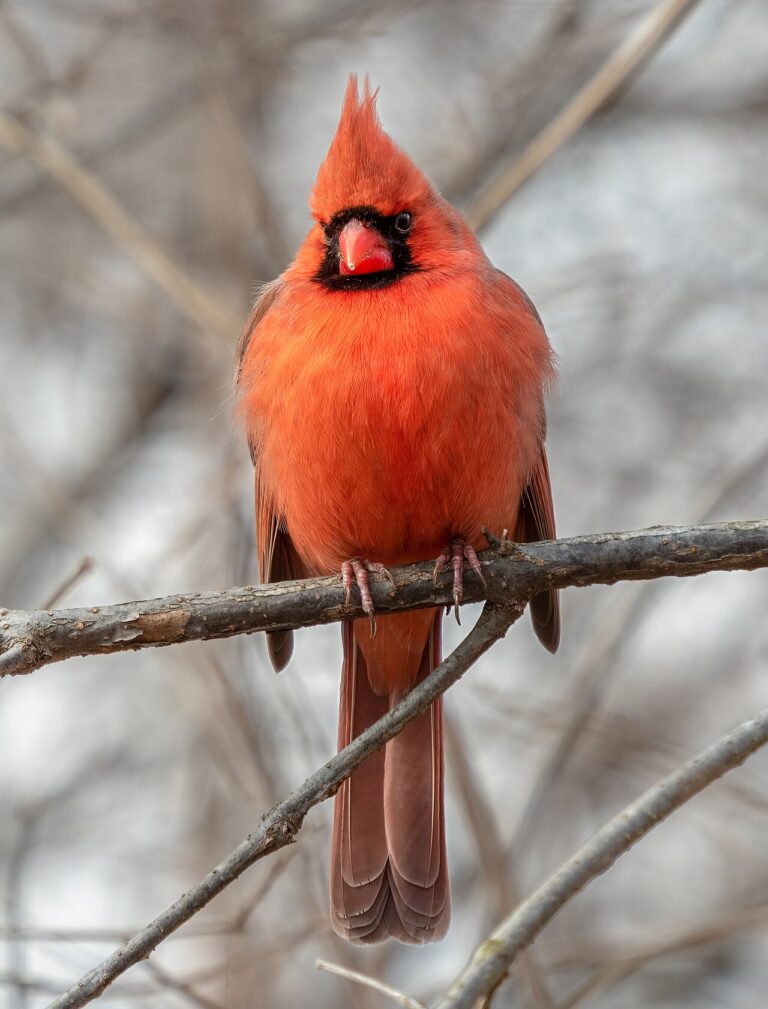
The best bird seed for cardinals is black oil sunflower and safflower, offered from a platform or hopper feeder with room for their thick beak.
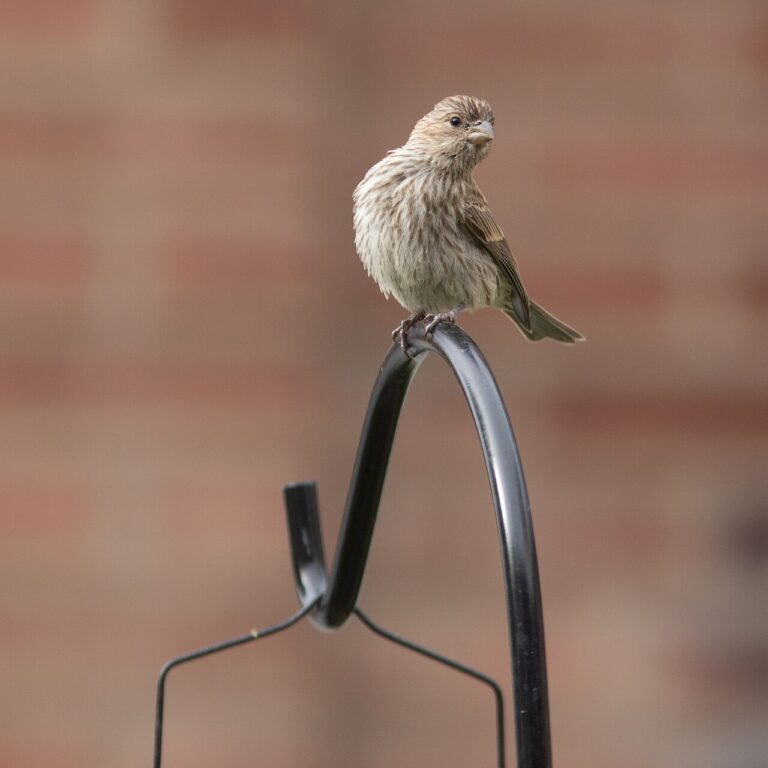
What birds eat depends on the species, the season, and the beak they were born with. Here is the complete picture, from seeds and insects to fruit and nectar.
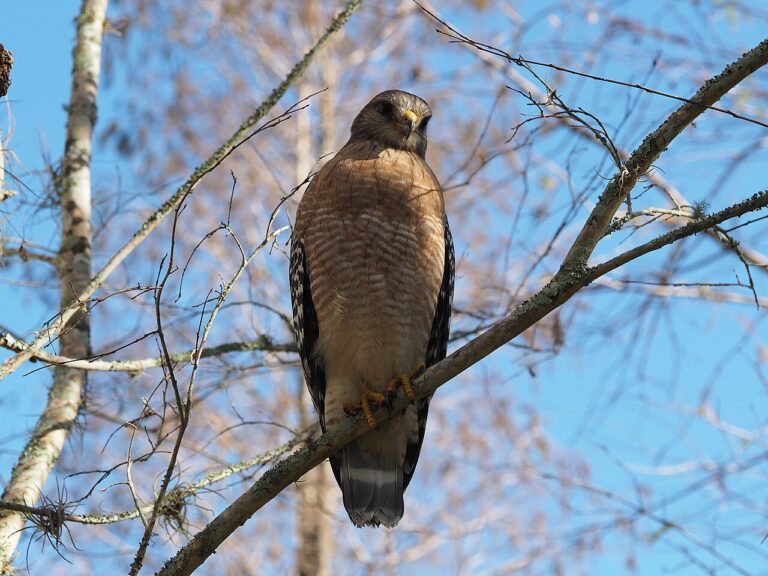
Hawks at bird feeders are hunting the songbirds a feeder attracts. Here is how to make the area less appealing to hawks without breaking the law.
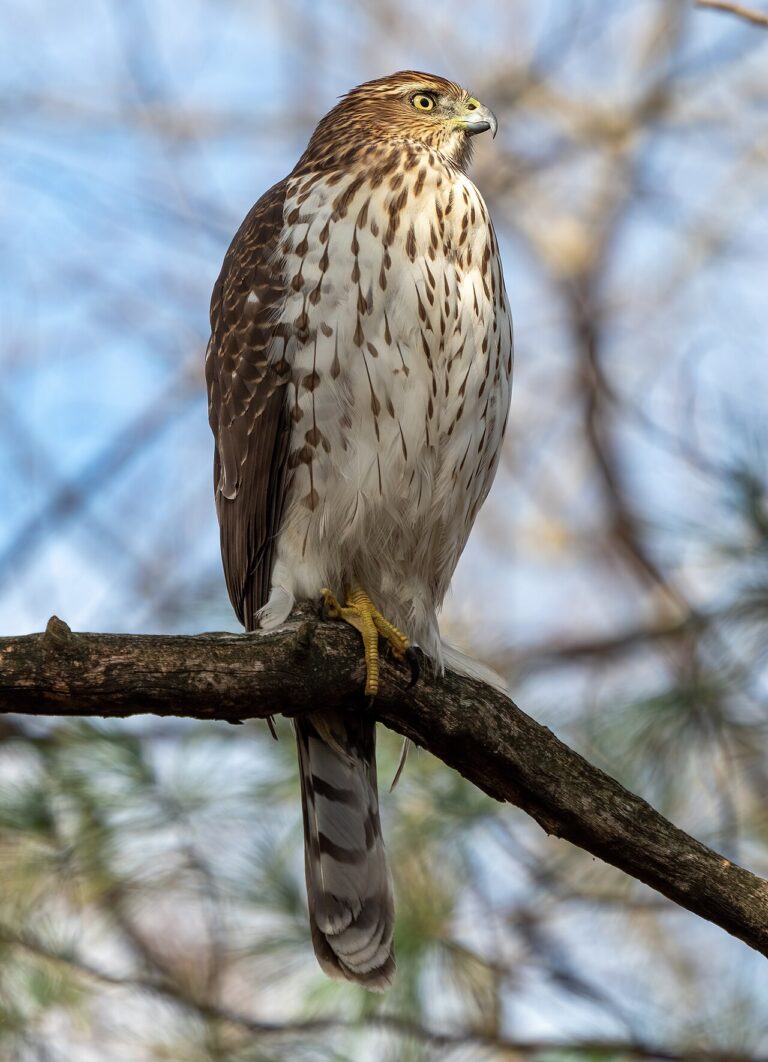
Hawks are carnivorous hunters that eat small mammals, birds, reptiles, and insects, though exact prey varies widely by species and habitat.
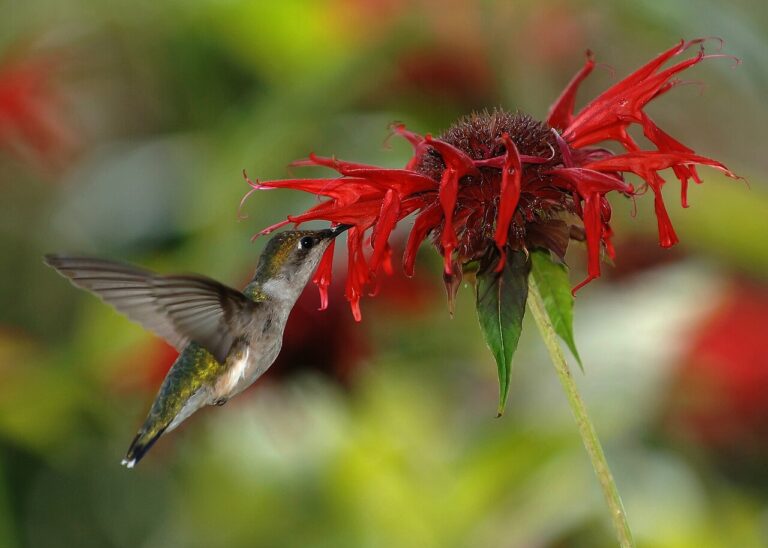
Red dye in hummingbird food is neither safe nor necessary, since feeders already attract birds through their own red coloring without any dye in the nectar.
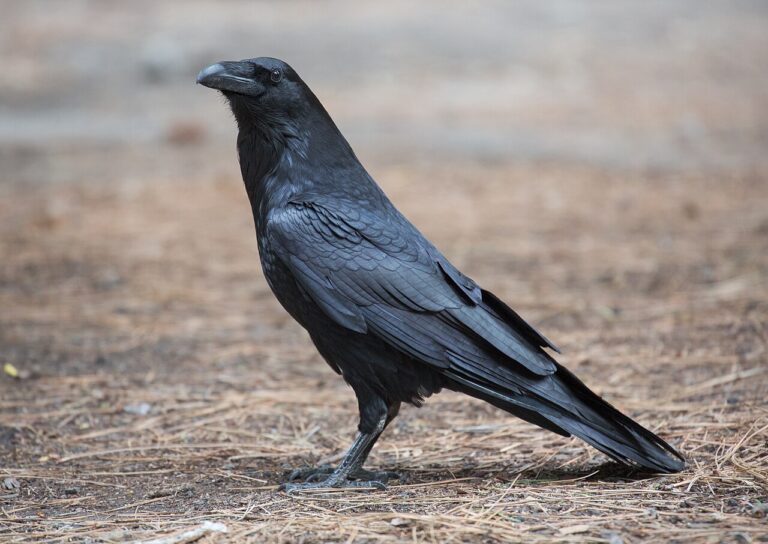
Ravens are omnivorous scavengers that eat carrion, small animals, insects, grains, and more. Learn their full diet, how they forage, and how they differ from crows.
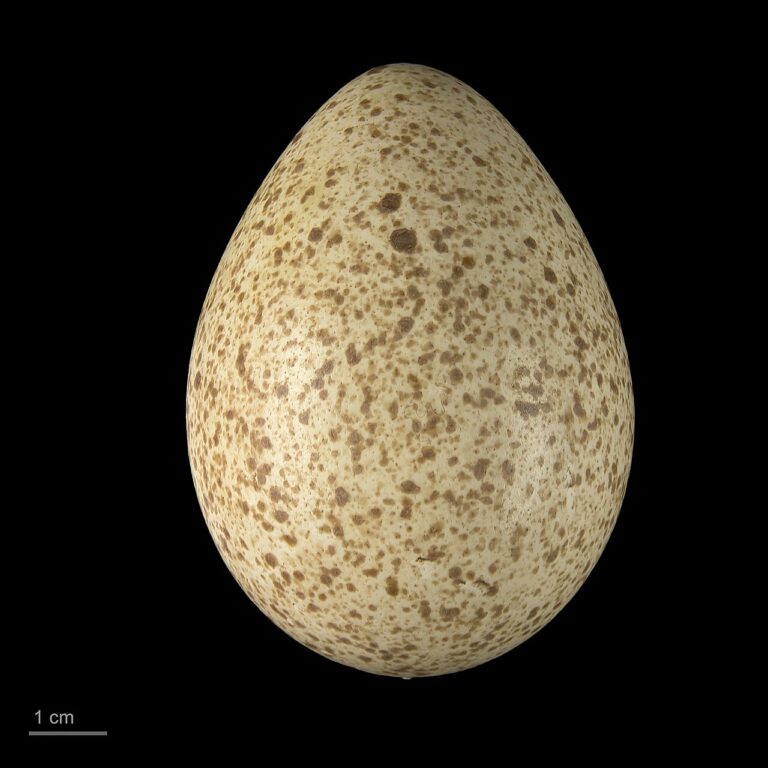
Wild turkeys are omnivores that eat acorns, nuts, seeds, berries, and insects. Learn their full diet, how they forage, what poults eat, and seasonal changes.
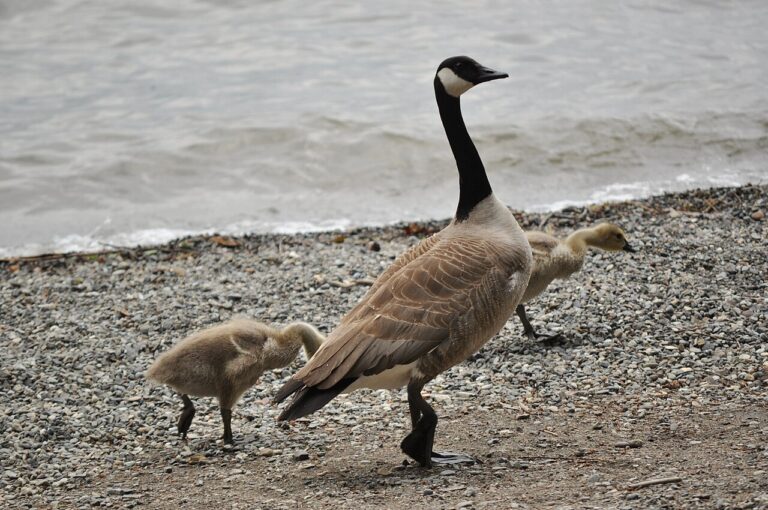
Geese are grazers that eat grasses, aquatic plants, grains, and seeds. Learn their full diet, what goslings eat, and healthy foods to feed geese instead of bread.
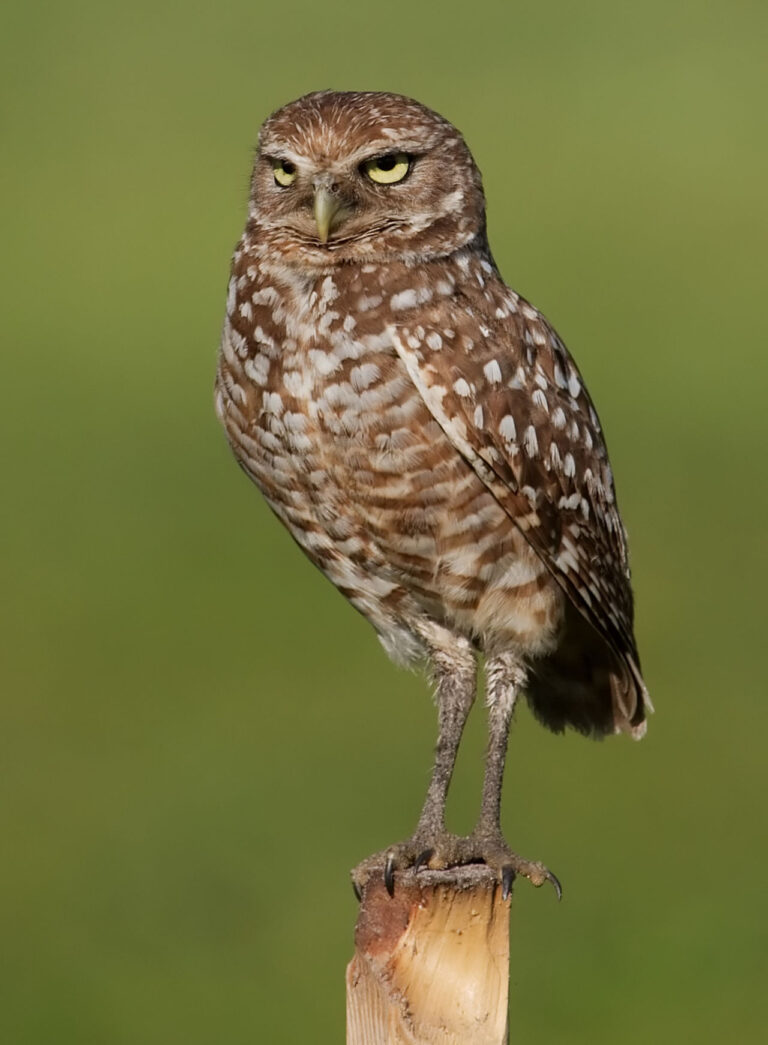
Owls are carnivores that eat mice, voles, birds, insects, and more. Learn their full diet, how they hunt, what owl pellets reveal, and what baby owls eat.