What Do Birds Eat? A Complete Guide
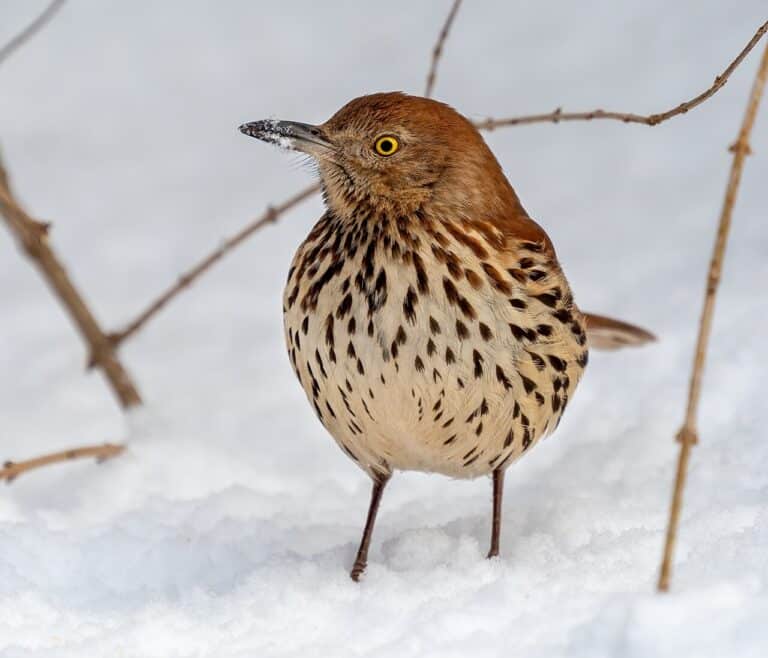
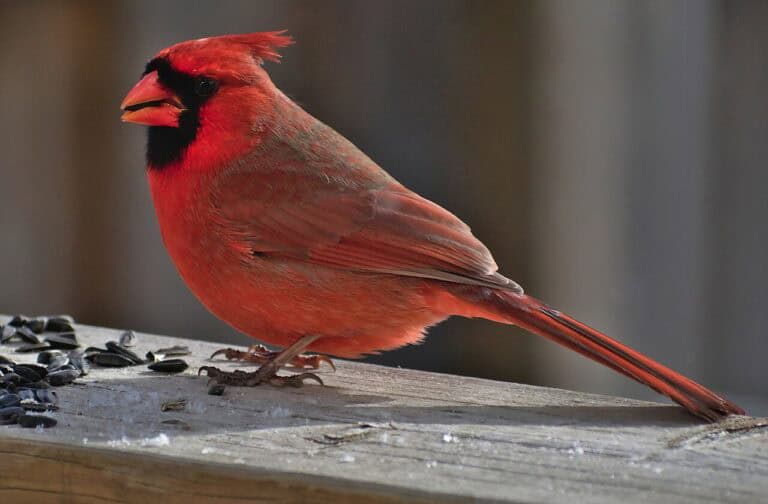
Birds eat seeds, insects, fruit, nectar, and small animals, with the exact mix depending on the species, the season, and the shape of the bird’s beak. A cardinal’s thick, conical bill is built for cracking seeds, while a hummingbird’s needle-like bill is built for sipping nectar, and a robin’s slender bill is built for pulling worms from soil. No single food works for every backyard bird, which is why a feeding station with several food types attracts far more species than one filled with a single seed.
| Food Type | Typical Birds | Best Offered As |
|---|---|---|
| Seeds | Cardinals, finches, sparrows, jays | Black oil sunflower, safflower |
| Insects and larvae | Warblers, wrens, bluebirds, most nestlings | Live in the yard, mealworms at feeders |
| Fruit | Robins, waxwings, orioles, mockingbirds | Orange halves, grape jelly, berries |
| Nectar | Hummingbirds, orioles | 4:1 sugar water ratio |
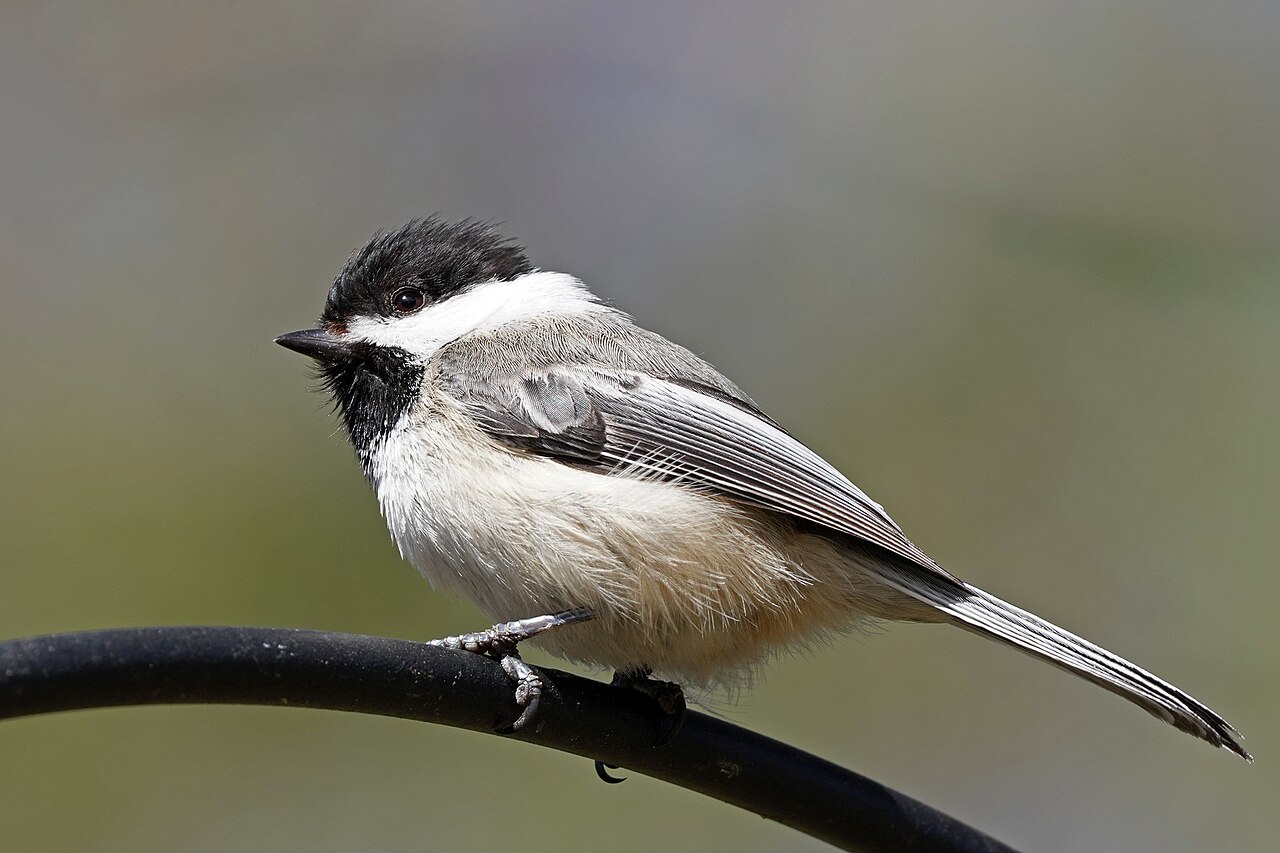
| Suet and fat | Woodpeckers, chickadees, nuthatches | Suet cakes in winter |
| Grit and small stones | Doves, sparrows, most seed eaters | Ground feeders or dedicated tray |
The Main Food Groups Birds Rely On
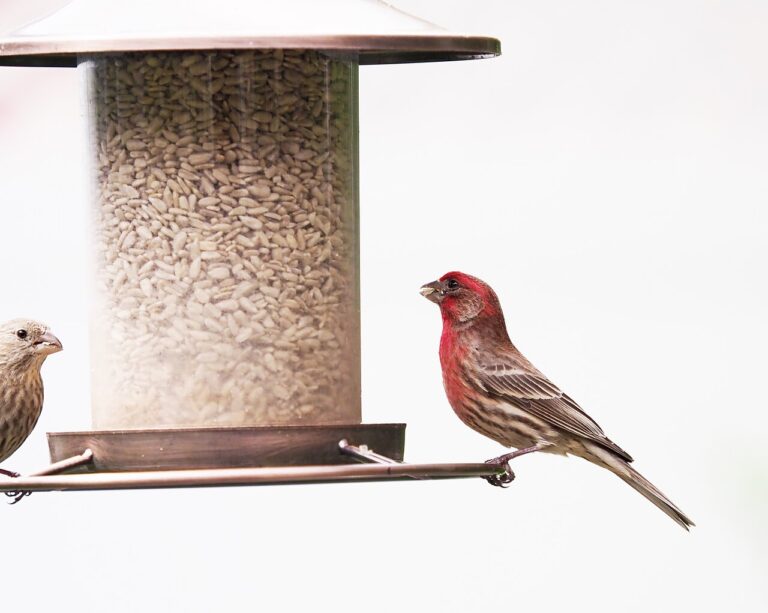
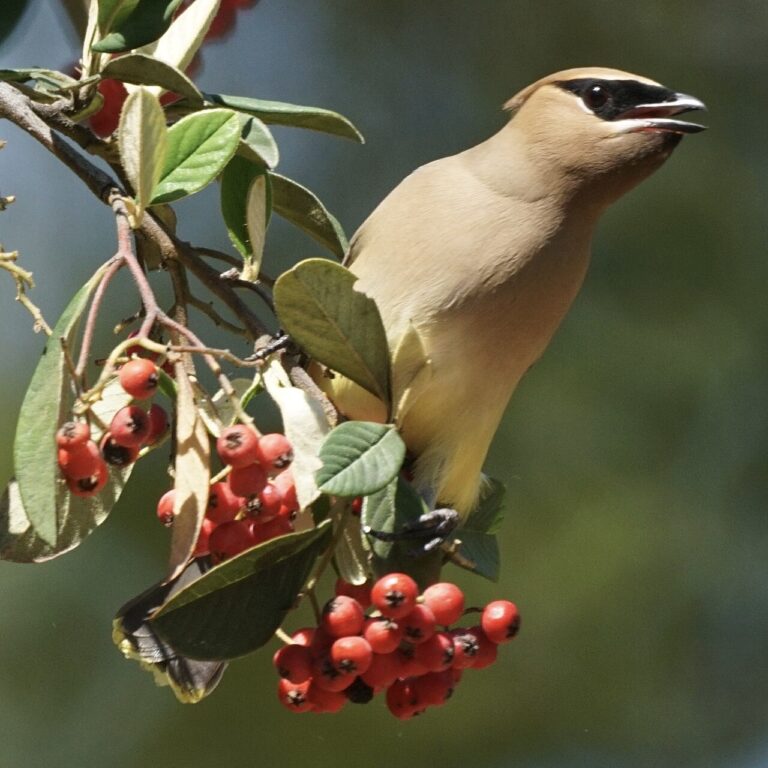
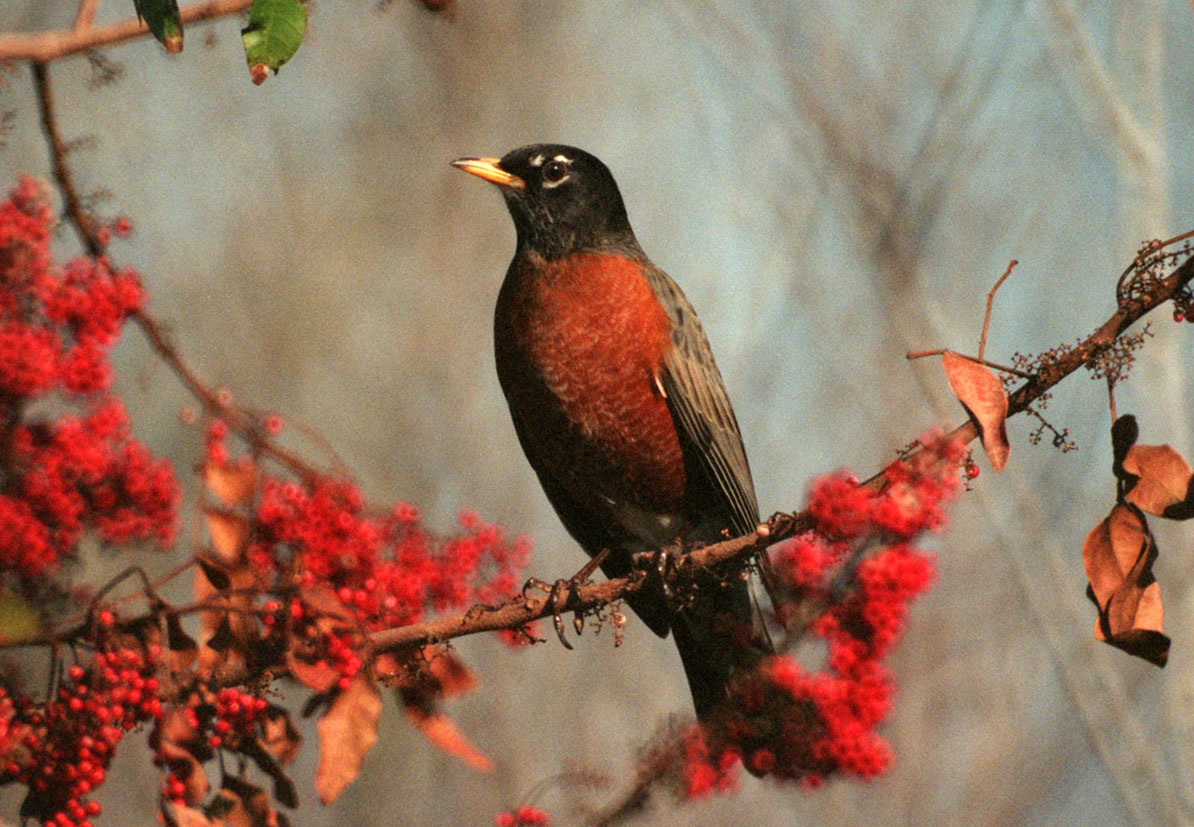
Most backyard birds fall into a handful of dietary categories, and many species move between them depending on what is available. Seed eaters like cardinals, finches, and sparrows have short, cone-shaped bills built for cracking hulls, and they favor black oil sunflower seed, safflower, and millet. Insect eaters, sometimes called insectivores, include wrens, warblers, and bluebirds, and they use thin, pointed bills to pick larvae, beetles, and caterpillars off bark and leaves. Fruit eaters such as robins, cedar waxwings, and orioles switch heavily to berries and soft fruit once insect activity slows in fall. Nectar feeders, most famously hummingbirds, have long, thin bills adapted to reach deep into tubular flowers. Many birds that people think of as strict seed eaters, including cardinals and chickadees, actually rely on insects for a large share of their diet during the breeding season, since growing chicks need the protein that seed alone cannot supply.
How Beak Shape Predicts Diet
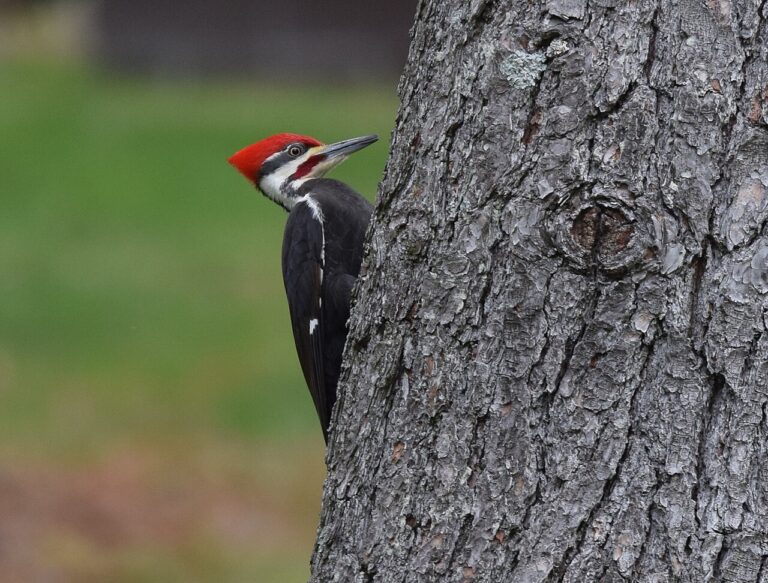
A bird’s beak is essentially a tool shaped by what it evolved to eat, and reading that shape is one of the fastest ways to guess a species’ diet before opening a field guide. Thick, short, conical beaks, seen on cardinals and grosbeaks, generate the crushing force needed to crack tough seed hulls. Long, thin, pointed beaks, seen on warblers and wrens, work like tweezers for picking insects from crevices in bark. Chisel-like beaks, seen on woodpeckers, drill into wood to expose beetle larvae and also work well on suet cakes. Hooked beaks, seen on hawks and owls, tear flesh from prey. Needle-thin, slightly curved beaks, seen on hummingbirds, are built to reach nectar at the base of tubular flowers. This is also why a single feeder rarely satisfies every visitor: a tube feeder with small seed ports works for finches but frustrates a cardinal, while a platform feeder with sunflower works for cardinals but does nothing for a hummingbird.
What Baby Birds Eat
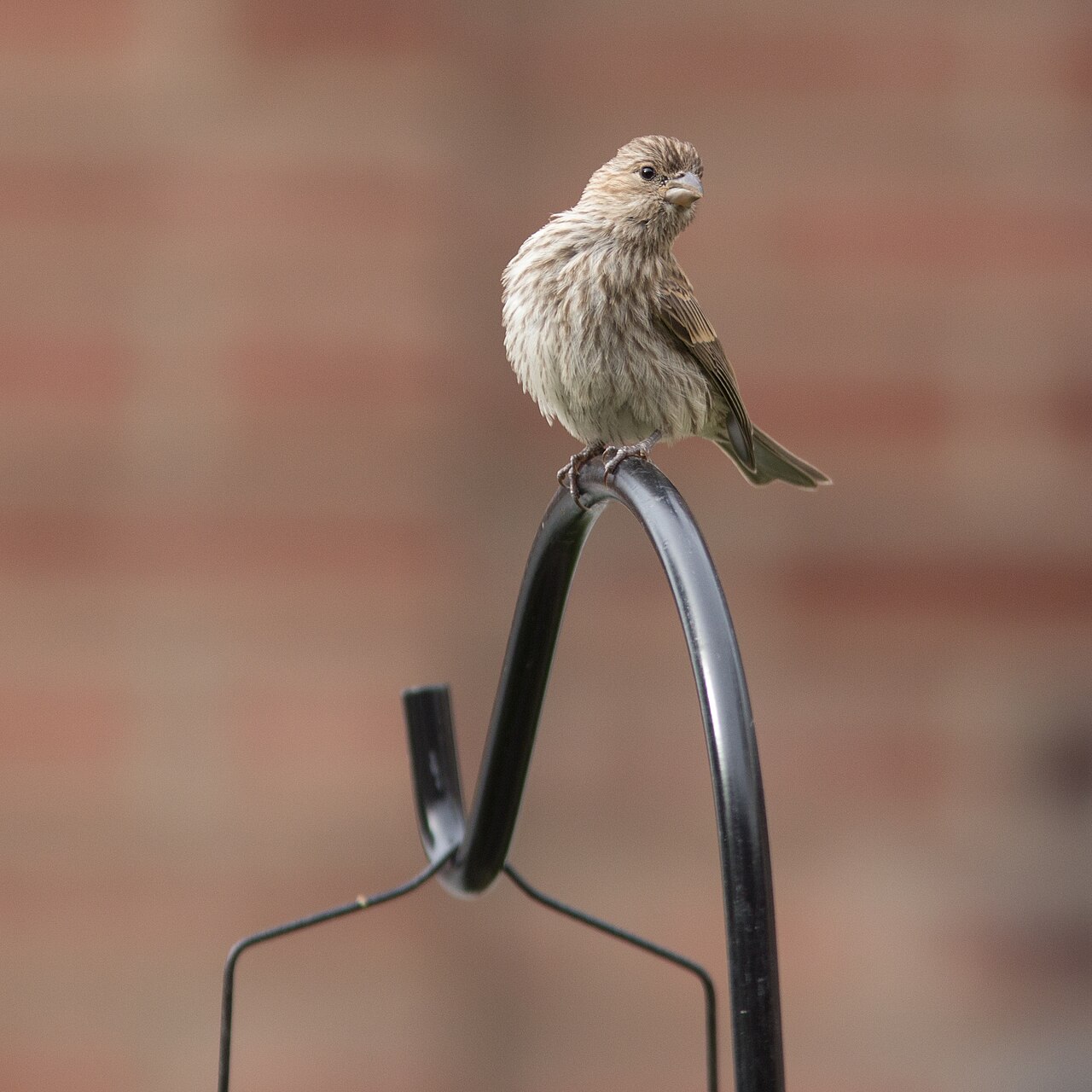
Nearly all baby birds, even species that eat mostly seed as adults, are fed insects and larvae by their parents, because growing chicks need protein and fat to build muscle, bone, and feathers far faster than a seed-based diet can provide. A parent cardinal or house finch will spend the breeding season gathering caterpillars, beetles, and spiders for its nestlings even though it eats sunflower seed itself the rest of the year. Hummingbird chicks are fed a mix of tiny insects and regurgitated nectar rather than pure sugar water. If you find a baby bird that appears orphaned, the safest move is to leave it alone or contact a licensed wildlife rehabilitator, since improper feeding, including offering bread or milk, can cause serious harm; birds have no enzyme to digest dairy, and bread offers filler calories with none of the protein a nestling needs. For more detail on what to do in that exact situation, see our guide to identifying baby birds.
What Birds Eat in Winter
Winter forces a shift toward calorie-dense food, since birds burn enormous energy just staying warm through cold nights and insects become scarce or dormant. Suet, with its high fat content, becomes one of the most valuable feeder foods of the season, drawing woodpeckers, chickadees, and nuthatches that rely on it to fuel their metabolism overnight. Black oil sunflower and peanuts remain reliable staples, while berries left on shrubs such as holly and winterberry become a critical wild food source once insects disappear. Water can matter as much as food in winter, since open water is often harder to find than food when ponds and birdbaths freeze; a heated bath can draw as many visitors as a feeder. Our winter feeding guide covers the full seasonal setup in more depth.
Common Feeder Foods and Which Birds They Attract
Stocking a feeding station with a few complementary foods covers most backyard visitors without wasting money on seed that goes uneaten. Black oil sunflower is the closest thing to a universal seed, taken by cardinals, chickadees, finches, and jays alike. Safflower is prized because cardinals and finches eat it readily while squirrels and grackles generally avoid its bitter taste. Nyjer, sometimes called thistle, is the top choice for goldfinches and other small finches but needs a mesh or tube feeder with tiny ports to prevent waste. Suet feeds woodpeckers, nuthatches, and chickadees, especially in cold months. Mealworms, live or dried, draw bluebirds, wrens, and robins that otherwise ignore seed feeders entirely. Grape jelly and orange halves are a proven draw for orioles in spring and early summer. For species-specific detail, see what cardinals eat, what blue jays eat, and what hummingbirds eat.
Foods That Can Harm Birds
A handful of common kitchen foods cause real harm and should stay out of feeders and off the ground entirely. Bread offers almost no nutritional value and can lead to malnourishment if birds fill up on it instead of proper food. Chocolate contains theobromine, which is toxic to birds in the same way it is toxic to dogs. Avocado contains persin, a fungicidal compound that is toxic to many bird species. Salted or seasoned nuts and salty snack food can disrupt fluid balance in small bodies. Milk and other dairy cause digestive upset because birds lack the enzyme lactase. According to the Cornell Lab of Ornithology, sticking to unsalted seed, unseasoned suet, fresh fruit, and clean water is the safest way to feed wild birds without unintended harm.
How Diet Changes With the Seasons
A bird’s diet is rarely fixed year-round; it shifts with what the season makes available and what the bird’s body needs at that moment. Spring brings a surge in insect activity just as nesting season begins, so even confirmed seed eaters like cardinals and house finches load up on caterpillars and beetles to feed protein-hungry chicks. Summer keeps insect numbers high while early berries and garden pests add variety. Fall marks a turning point, as ripening fruit and seed heads on native plants become more important while many insect populations decline and migratory species fatten up for their journey south. Winter is the leanest season for insect-eating birds, which is exactly why suet, sunflower seed, and berries left on shrubs carry so much more weight once October passes; a feeding station stocked with those three foods does more good in January than the same station does in July. Understanding this rhythm helps explain why a feeder that sits nearly empty in summer can suddenly draw a dozen species the moment temperatures drop.
Frequently Asked Questions
What do wild birds eat in general?
Wild birds eat a mix of seeds, insects, fruit, and in some species nectar or small vertebrates, with the balance shifting by species, season, and habitat. Insects dominate the diet during the spring and summer breeding season, while seeds and stored fat sources like berries become more important in fall and winter.
What do baby birds eat if the mother is gone?
Baby birds need protein-rich food such as soft insects, not bread or milk, and the safest step if you find one alone is to contact a licensed wildlife rehabilitator rather than attempt to feed it yourself. Improper feeding is one of the most common causes of harm to found nestlings.
What seeds do birds eat the most?
Black oil sunflower is the most broadly popular feeder seed because its thin shell and high fat content suit the widest range of species. Safflower, nyjer, and white proso millet are close behind for specific groups like cardinals, finches, and ground-feeding sparrows.
Do birds eat fruit?
Yes, robins, waxwings, orioles, and mockingbirds all rely heavily on fruit, especially in fall when berries ripen and insect numbers drop. Orange halves and grape jelly at a feeder can draw orioles that otherwise ignore seed entirely.
What do birds eat in the winter when food is scarce?
Winter birds shift toward high-fat foods like suet, sunflower seed, and peanuts, along with any berries still clinging to shrubs such as holly. Access to unfrozen water often matters as much as food during the coldest stretches.
Can birds eat rice?
Plain, cooked or raw rice is safe for birds and the myth that raw rice causes birds to explode internally has been thoroughly debunked; it is simply not a preferred or especially nutritious food compared to seed.
What human foods are safe for birds?
Unsalted nuts, plain cooked rice, fresh or dried fruit, and unseasoned suet are generally safe in moderation. Bread, chocolate, avocado, salted snacks, and dairy should always be avoided.