What Do Hummingbirds Eat? Beyond Sugar Water
Hummingbirds eat far more than sugar water. They live on flower nectar for energy and on small insects and spiders for protein. Nectar, whether from flowers or feeders, fuels their extraordinary metabolism, while tiny bugs provide the protein, fat, and nutrients they cannot get from sugar alone. They also drink tree sap and eat pollen incidentally. This guide covers everything hummingbirds eat, how often they feed, why insects are essential, and how their diet changes through the year.
| Food | Provides | Source |
|---|---|---|
| Flower nectar | Sugar and energy | Tubular flowers |
| Feeder nectar | Sugar and energy | Sugar water feeders |
| Small insects | Protein, fat, nutrients | Gnats, aphids, spiders |
| Tree sap | Sugar early in spring | Sapsucker wells |
| Pollen | Trace nutrients | Picked up at flowers |
What Do Hummingbirds Eat?
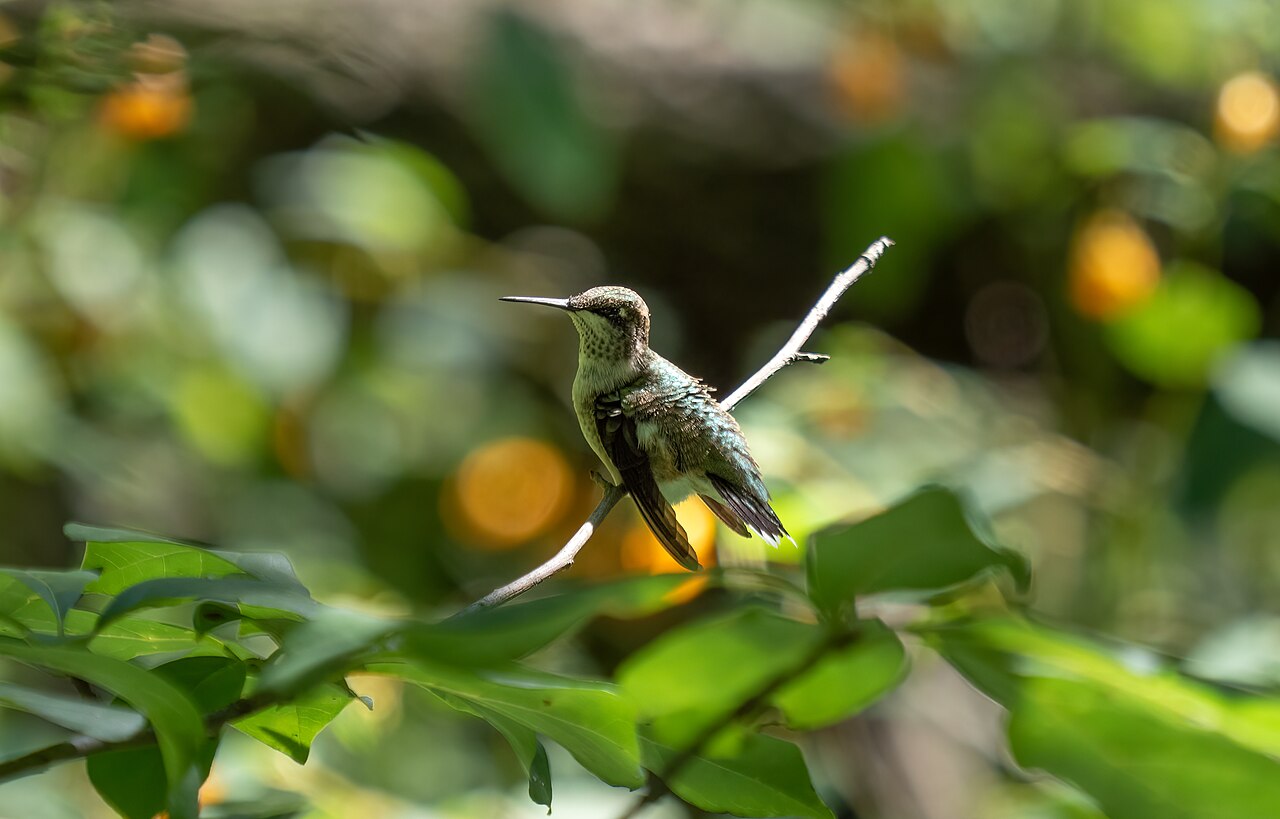
Hummingbirds have a two-part diet. The first part is nectar, a sugar-rich liquid they take from flowers and feeders, which provides the fast energy their bodies burn at an astonishing rate. The second, and just as important, is small insects and spiders, which supply the protein, fat, vitamins, and minerals that sugar cannot. Common insect prey includes gnats, midges, aphids, small flies, and spiders, which hummingbirds catch in midair, glean from leaves, or pluck from spider webs. Many people are surprised to learn that a hummingbird cannot survive on sugar water alone, and that a truly healthy hummingbird diet is roughly half nectar and half insects. For the full profile of these remarkable birds, see our complete hummingbird guide.
Nectar: Their Fuel
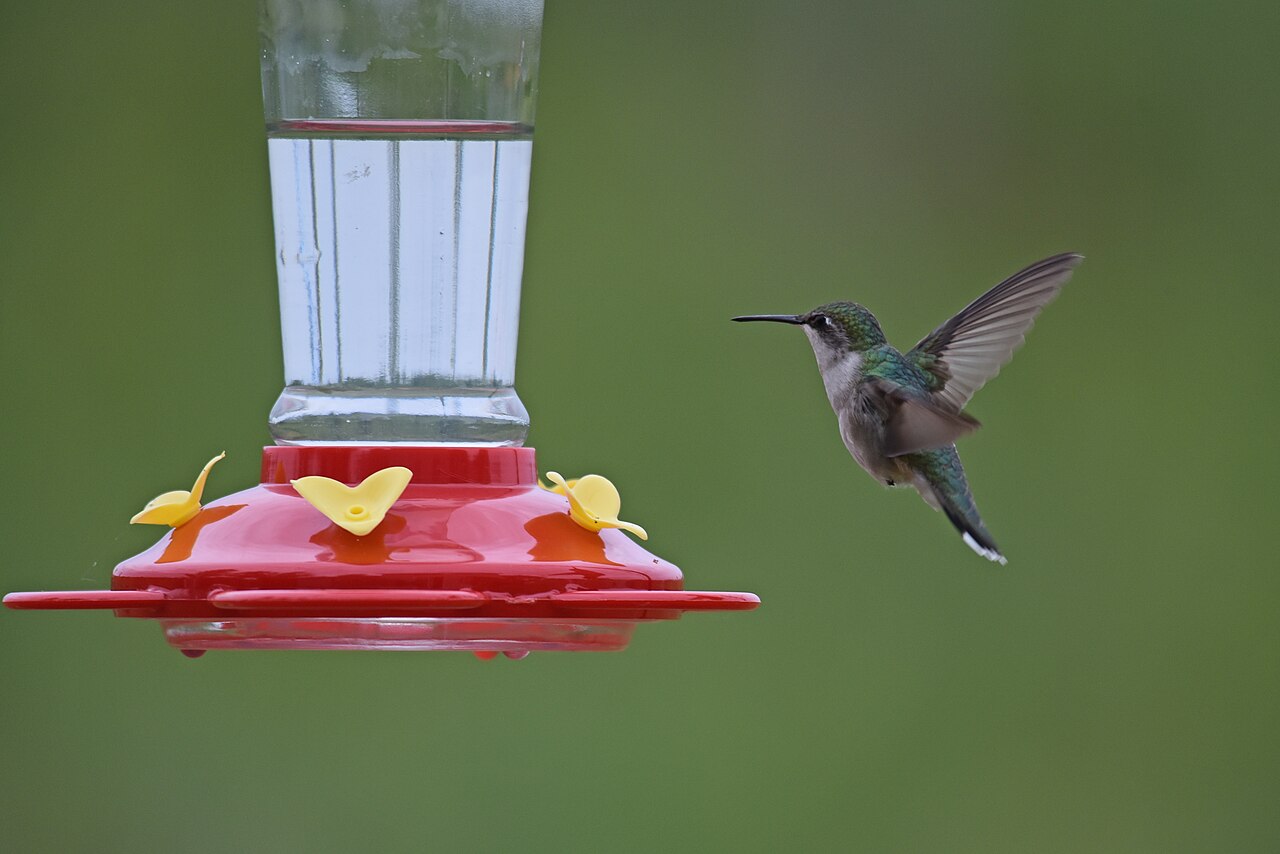
Nectar is the fuel that powers a hummingbird’s high-speed life. With a heart that can beat over a thousand times a minute and wings that beat dozens of times a second, hummingbirds burn energy faster than almost any other animal, and sugar-rich nectar is the perfect fuel. In nature they visit hundreds of flowers a day, favoring tubular red and orange blooms whose shape matches their long bills and tongues. Feeder nectar, a simple four to one mix of water and white sugar, closely matches the sugar level of natural flower nectar, which is why hummingbirds accept it so readily. To make it correctly at home, follow our hummingbird sugar water recipe.
Insects: Their Protein
Although nectar gets the attention, insects are essential to a hummingbird’s survival. Protein and fat from small bugs and spiders are what allow hummingbirds to build muscle, grow feathers, and raise young, and nesting females feed their chicks a diet rich in insects rather than nectar. A hummingbird may eat hundreds of small insects in a day, hawking them from the air like a tiny flycatcher, gleaning them from foliage, or stealing them from spider webs, which also supply silk for nest building. This reliance on insects is exactly why avoiding pesticides matters so much for anyone hoping to support hummingbirds, a point echoed in our guide to plants that attract birds, since native plants host the insects hummingbirds need.
Do Hummingbirds Eat Anything Else?
Beyond nectar and insects, hummingbirds take advantage of a few other foods. In early spring, before many flowers bloom, they drink tree sap from the small wells drilled by sapsuckers, a woodpecker whose sap wells provide a crucial early-season sugar source, and the returning hummingbirds often time their arrival to follow these. They also ingest small amounts of pollen while feeding at flowers, and they will sip juice from very ripe or broken fruit on occasion. None of these are major foods compared with nectar and insects, but they show how resourceful hummingbirds are at finding energy wherever it is available, especially at the edges of the season when nectar is scarce.
How Often Do Hummingbirds Eat?
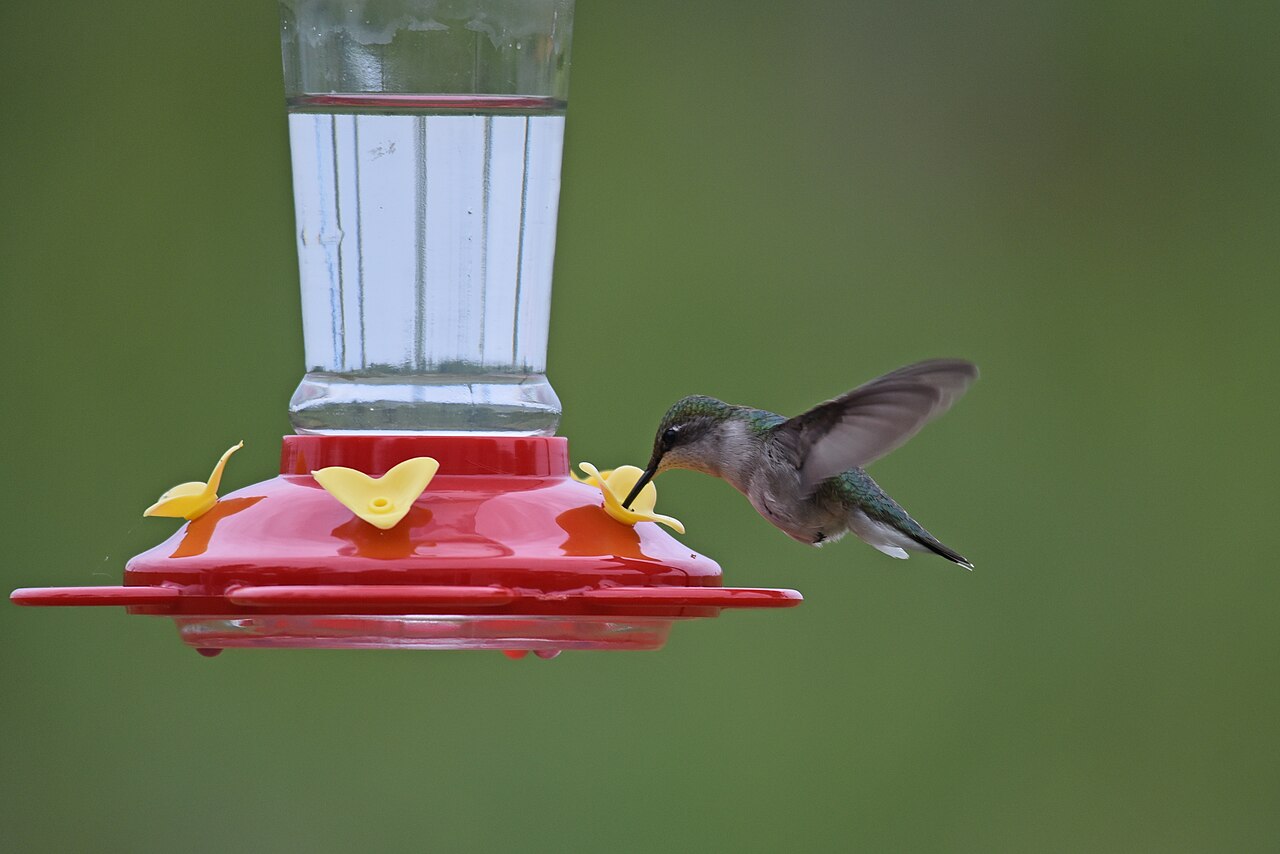
Hummingbirds eat almost constantly. Because their metabolism is so fast, they feed many times an hour throughout the day, visiting flowers and feeders repeatedly and often eating half their body weight or more in a single day. At night, when they cannot feed, many hummingbirds enter a deep, energy-saving state called torpor, dropping their body temperature and heart rate dramatically to survive until morning. This constant need for fuel is why a reliable, clean feeder and a nectar-rich garden are so valuable to them, and why a feeder that runs dry or spoils can genuinely set a bird back. To keep hummingbirds well fed and coming back, see our guide on how to attract hummingbirds.
How Hummingbirds Drink Nectar
The way a hummingbird feeds is as remarkable as what it eats. A hummingbird has a long, extendable tongue that reaches well past the tip of its bill, and it laps nectar many times per second. For a long time people believed the tongue worked like a simple straw, but research has shown it acts more like a tiny pump, with grooves that trap and draw up nectar as the tongue flicks in and out at astonishing speed. This lets a hummingbird drain a flower or feeder port in moments before moving on. According to the Cornell Lab of Ornithology, a hummingbird may visit well over a thousand flowers in a single day to meet its energy needs, which is why reliable nectar sources matter so much.
Feeding Hummingbirds Responsibly
If you feed hummingbirds, doing it well matters for their health. Use only a four to one mix of water and plain white sugar, never honey, dye, or substitutes, and keep the feeder scrupulously clean, changing the nectar every two to three days in warm weather. Beyond the feeder, the best thing you can do is garden for them, since flowers provide nectar and, just as importantly, host the insects hummingbirds depend on for protein. Avoiding pesticides protects that insect supply. In this way a feeder and a healthy, chemical-free garden together give hummingbirds the complete diet they need. For the exact nectar method, see our hummingbird sugar water recipe, and for nectar plants, our guide to flowers that attract birds.
Do Hummingbirds Eat Fruit?
Hummingbirds do not eat solid fruit the way orioles or robins do, since their bills and tongues are built for sipping liquid rather than pecking flesh. They will, however, occasionally sip juice from very ripe, soft, or broken fruit when it is available, drawn by the sugars, much as they take nectar. More often, fruit indirectly helps hummingbirds by attracting small fruit flies and other tiny insects that the birds then catch and eat for protein. So while a bowl of fruit is not a hummingbird food in itself, ripe fruit in the garden can support the insect life hummingbirds depend on. The reliable energy source remains nectar, and the reliable protein source remains small insects and spiders.
What Do Hummingbirds Eat in Winter?
Most hummingbirds migrate south for winter, so in much of North America they are simply not present in the cold months and are feeding on tropical flowers and insects in Mexico and Central America. In the far South and along parts of the West Coast, however, some hummingbirds overwinter, and there they continue to rely on whatever nectar flowers are blooming, small insects, and any feeders kept up through the season. In those regions, a maintained winter feeder can be a genuine help, and the nectar recipe stays the same year round. For most backyard birders, though, the hummingbird feeding season runs from spring through fall, bracketed by the migrations covered in our seasonal guides.
Can You Feed Hummingbirds Too Much?
You cannot really overfeed wild hummingbirds through a properly maintained feeder, since they self-regulate and take only the energy they need, then move on to hunt insects and visit flowers. Offering nectar does not make hummingbirds lazy or dependent, and it does not stop them from eating the insects that provide their protein, because their instinct to hunt bugs remains strong regardless of feeder access. What matters far more than quantity is quality and safety: fresh, correctly mixed nectar in a clean feeder. A feeder simply adds a convenient, reliable energy source to a hummingbird’s natural diet. So feed generously if you enjoy it, focus on keeping the nectar fresh and the feeder clean, and let the birds balance their own diet as they naturally do.
Frequently Asked Questions
What do hummingbirds eat?
Flower and feeder nectar for energy, plus small insects and spiders for protein, fat, and nutrients. A healthy hummingbird diet is roughly half nectar and half insects.
Do hummingbirds only drink sugar water?
No. Sugar water and flower nectar provide energy, but hummingbirds cannot survive on sugar alone. They also need small insects and spiders for protein, especially when raising young.
Do hummingbirds eat insects?
Yes, and it is essential. They catch gnats, midges, aphids, small flies, and spiders in the air, off leaves, and from spider webs, eating hundreds in a day.
How often do hummingbirds eat?
Almost constantly, feeding many times an hour and often eating half their body weight or more each day, because their metabolism burns energy extremely fast.
Do hummingbirds drink tree sap?
Yes, especially in early spring before flowers bloom. They drink from the sap wells drilled by sapsuckers, which provide an important early-season sugar source.
What do baby hummingbirds eat?
Nesting females feed their chicks a protein-rich diet of small insects and spiders, along with some nectar, rather than nectar alone, since the young need protein to grow.
Can hummingbirds survive on feeders alone?
Not fully. Feeders provide energy, but hummingbirds still need insects for protein and nutrients, so a pesticide-free yard with natural bugs and flowers is important.