Red-Tailed Hawk Sound: The Scream Hollywood Gives to Eagles
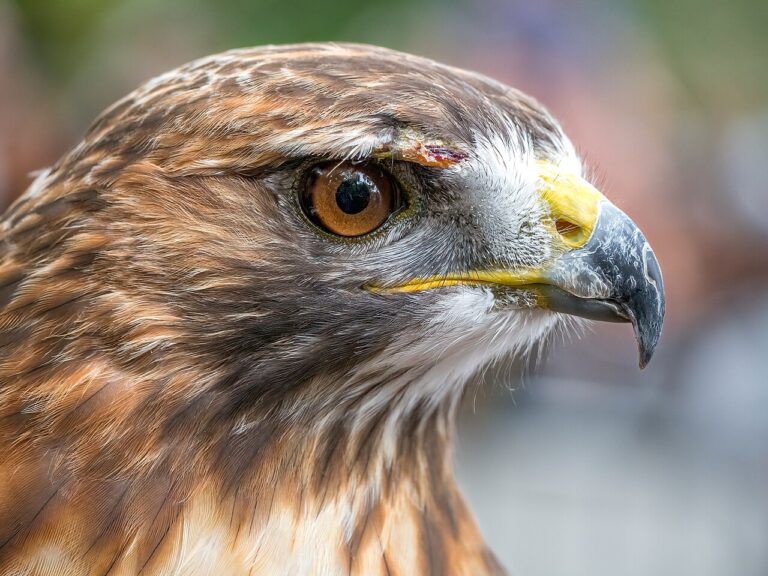
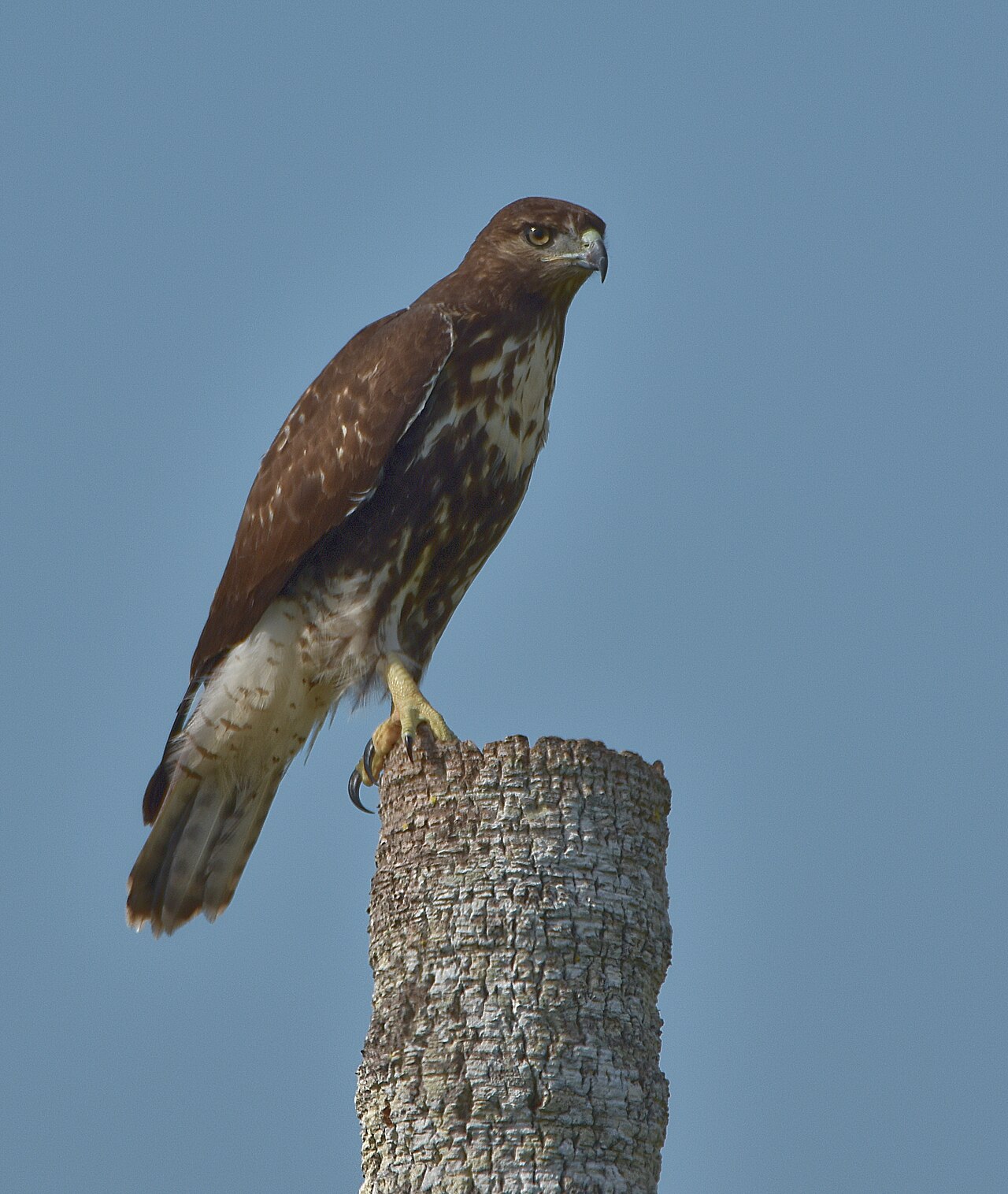
The red tailed hawk sound is the most recognized bird call in America, and almost nobody knows they are hearing it. That long, rasping scream used in every film with a soaring eagle belongs to the Red-tailed Hawk (Buteo jamaicensis), not to the Bald Eagle, which sounds nothing like it.
Knowing the real call is useful. It tells you a hawk is overhead before you see it, it separates this species from the Red-shouldered Hawk that shares the same neighborhoods, and it explains the screaming that starts over rooftops every February.
A Red-tailed Hawk makes a hoarse, descending scream lasting two to three seconds, usually written as keeer-r-r-r. It is raspy and breathy rather than musical, delivered mostly in flight, and repeated every 20 to 60 seconds while a bird circles its territory. Nestlings add a thin whistled begging call in summer.
| Sound | Description | Context |
|---|---|---|
| Classic scream | Hoarse keeer-r-r-r, 2 to 3 seconds, falling pitch | Soaring, territory defense |
| Chirp or chwirk | Short, softer note | Between mates near the nest |
| Chittering | Rapid series of harsh notes | Courtship, close contact |
| Begging call | Thin, wavering whistle, repeated | Fledglings, June through August |
| Alarm scream | Louder, faster, repeated scream | Intruder or predator at the nest |
| Bill snap | Sharp mechanical click | Cornered or handled bird |
What Does a Red Tail Hawk Scream Sound Like?
It is a single drawn out screech that starts high and slides down, with a rough, air-through-gravel texture in the middle. Most people describe it as a scream rather than a call, and it carries well over a mile on a still day. The bird usually gives it with wings spread, circling on a thermal.
The rasp is the key. A clean, musical whistle of similar length belongs to something else, and so does any call built from repeated short notes. One long, harsh, descending note means Red-tailed Hawk. Compare it with the broader survey of hawk calls across species if you are working through several candidates.
Why Does a Red-Tailed Hawk Scream?
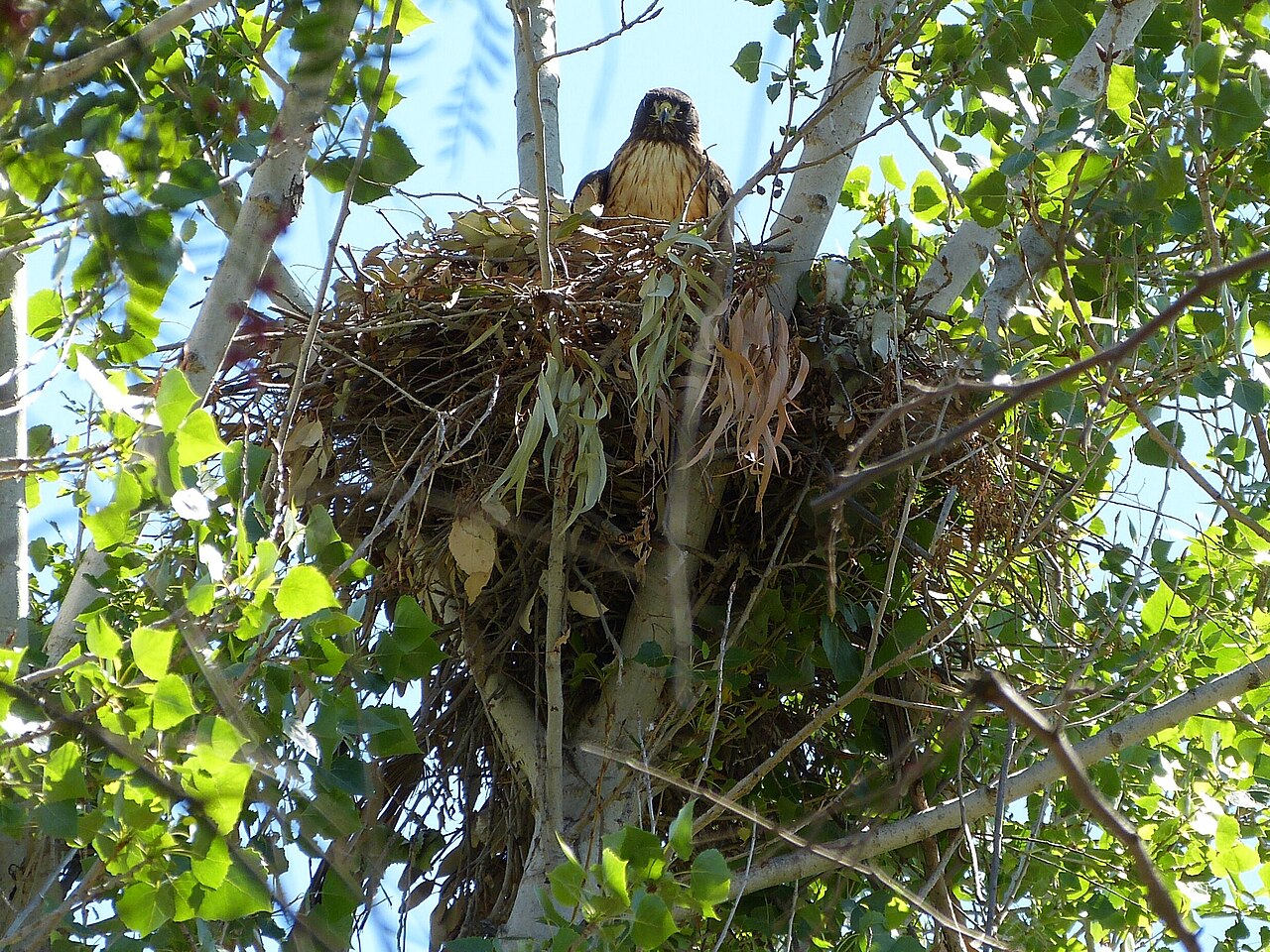
Territory, mostly. A pair holds the same 0.5 to 2 square miles year after year, and the scream is a boundary announcement aimed at other red-tails. Screaming rises sharply from late January through March, when pairs court and rival birds probe the edges of an occupied range.
The second reason is threat. A hawk will scream repeatedly at a Great Horned Owl, a fox, a climbing raccoon or a person near an active nest, and the delivery gets faster and louder the closer you get. Steady screaming from a perched bird in May usually means you are standing under something.
Does a Hawk Sound Like an Eagle?
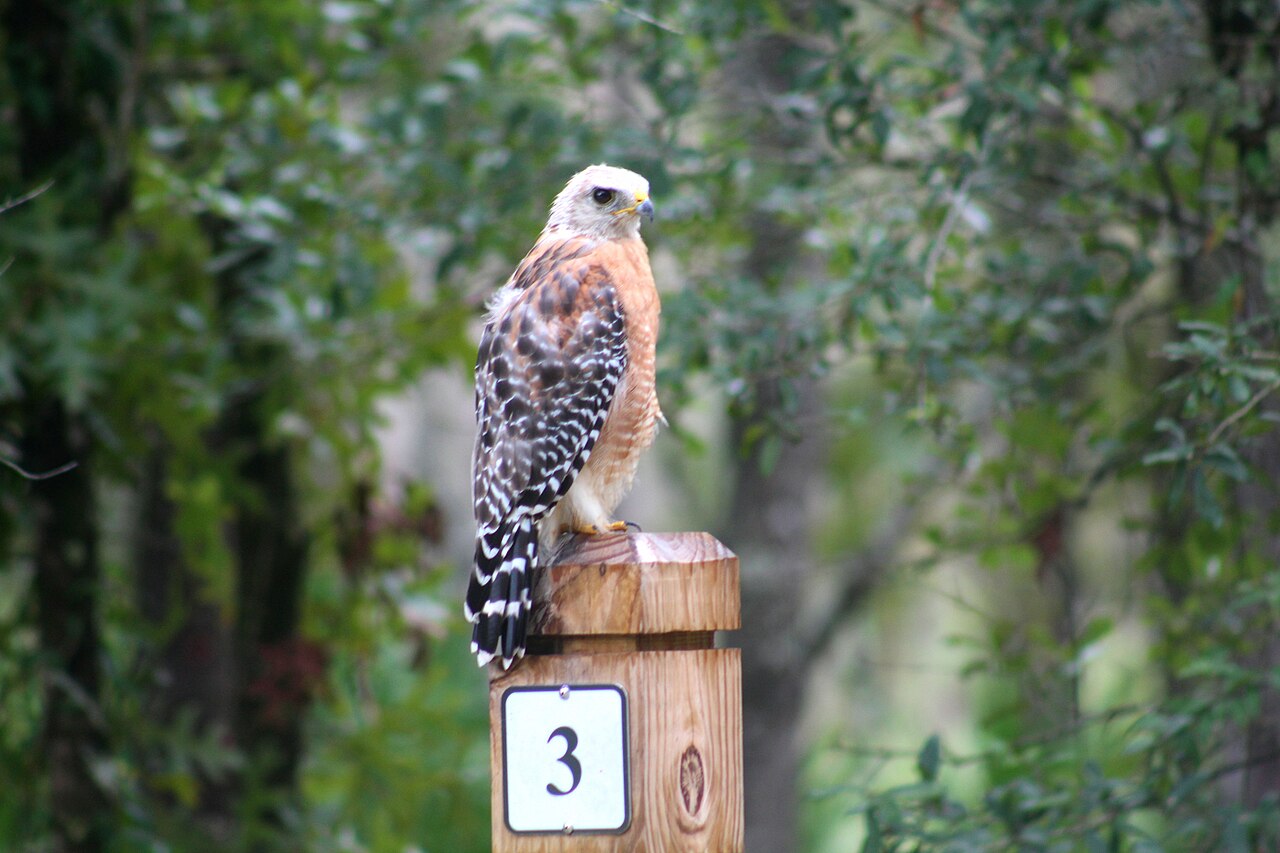
No, and the confusion runs the opposite way from what people expect. The Bald Eagle produces a weak, stuttering series of high chirps that sounds closer to a gull than to anything majestic, which is exactly why sound editors replace it with the red-tail scream.
Once you hear the real thing, the substitution is obvious in every wildlife documentary and truck commercial. Our guide to actual Bald Eagle calls has the comparison side by side.
Red-Tailed Hawk Versus Red-Shouldered Hawk by Ear
This is the mix up that matters in suburbs and woodlots. The Red-shouldered Hawk gives a clear, ringing kee-yer repeated five to twelve times in a rapid series, higher and more musical than the red-tail. The red-tail gives one long rasp and then goes quiet.
Count the notes. A run of repeated calls means Red-shouldered Hawk, a single scream means Red-tailed. Blue Jays imitate the red-shouldered call well enough to fool experienced birders, which is worth knowing before you commit to an identification, as our notes on jay mimicry explain.
Red Tailed Hawk Sound at Night
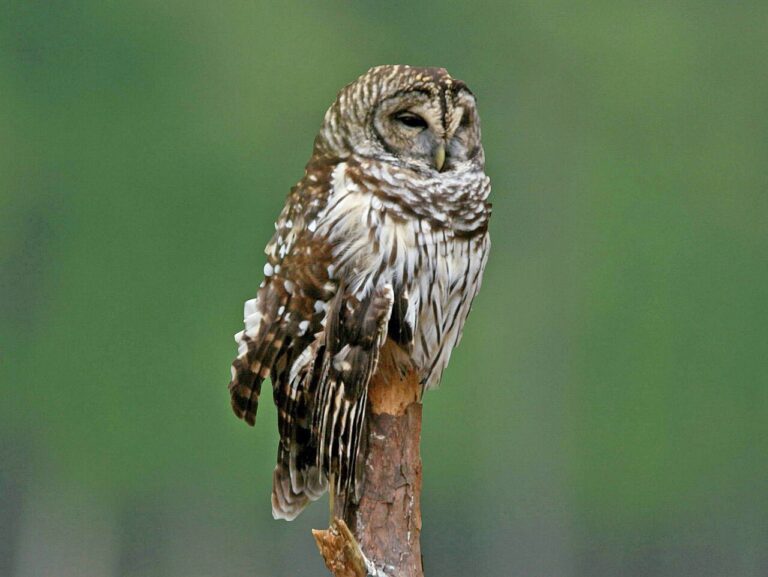
Red-tailed Hawks are diurnal and go quiet after dusk, so a raptor-like scream at 2 a.m. is almost never this bird. The usual sources are Barn Owl, which gives a harsh drawn out shriek, and Eastern Screech-Owl, which gives a descending whinny.
The exception is a disturbed roosting hawk, which may give one or two screams if a predator reaches the roost tree. A single burst of noise at night, then silence, fits a hawk. Repeated shrieking every few minutes does not, and our guide to barn owl shrieks covers the more likely culprit.
What Do Juvenile Red-Tailed Hawks Sound Like?
Young birds sound annoying, and they mean to. Fledglings follow their parents for six to ten weeks after leaving the nest, giving a thin two part whistle over and over for hours, often from a utility pole or the edge of a roof.
That begging call is the sound most homeowners report in July and August, usually described as a squeaky wheel or a whistling toy. It stops when the young disperse in late summer, so it needs no intervention.
What Does It Mean if a Hawk Hangs Around Your House?
Practically, it means food and a good perch. Bird feeders concentrate prey, roof edges and tall pines give a hunting vantage, and a yard with squirrels or chipmunks supports a hawk on its own. A pair that screams daily from the same trees is holding a territory, not passing through.
Symbolic readings are a separate question, and a common one, covered in our piece on what a hawk sighting is said to mean. The biological answer is simpler: you live inside an established hunting range.
Are Red Tail Hawks Aggressive to Humans?
Not generally. Red-tailed Hawks avoid people and will leave a perch as you approach. The exception is a nest, where a defending adult may dive to within a few feet of a person walking underneath between April and June, screaming the whole time.
Injuries are rare and almost always involve someone climbing to a nest or handling an injured bird. Detour around a nest tree for a few weeks and the behavior ends on its own, and details on the species are set out in our full Red-tailed Hawk profile.
Could a Hawk Pick Up a 25 lb Dog?
No. A large female Red-tailed Hawk weighs about 2 to 4 lb (0.9 to 1.8 kg) and can lift roughly its own body weight for a short distance, so a realistic ceiling is 3 to 5 lb (1.4 to 2.3 kg). A 25 lb (11 kg) dog is far beyond any North American raptor.
Very small pets are a different matter. A 2 lb kitten or a toy breed puppy is within range of a determined hawk, so supervision in open yards during daylight is reasonable while a pair is raising young.
What Predator Is the Red-Tailed Hawk Most Afraid Of?
The Great Horned Owl. It takes red-tail nestlings, evicts adults from nests and occasionally kills adult hawks at roost, and it is the one species that reliably makes a red-tail abandon a site. Hawks that hear an owl nearby at dusk often move.
By day, the hawks are more harassed than hunted. Crows, blackbirds and kingbirds mob soaring red-tails constantly, and the hawk’s response is usually to climb out of reach rather than fight.
What Is a Red-Tailed Hawk’s Favorite Food?
Small mammals, above everything else. Voles, mice, rats, ground squirrels, chipmunks and young rabbits make up the large majority of the diet across the United States, with snakes, lizards and the occasional bird filling the rest.
That preference is why highway medians and mowed fields hold so many perched red-tails, and why a yard with a rodent problem attracts one. Reference recordings and range detail are available from the Cornell Lab of Ornithology.
Related reading: Red Winged Blackbird Sound.
Frequently Asked Questions
Is it good to have a hawk in your yard?
For most people, yes. A resident Red-tailed Hawk suppresses rats, voles and chipmunks without poison, and it rarely touches songbirds, which are the specialty of the smaller Cooper’s Hawk. The trade is noise in late winter and the occasional kill in plain view.
Do male and female red-tailed hawks sound different?
Slightly. Females are about 25 percent larger and their screams average lower and coarser, while males tend toward a thinner, higher version of the same call. The difference is hard to judge without both birds calling in sequence, which pairs often do while circling together.
Why do hawks scream while flying?
A soaring bird is visible for miles, and pairing the scream with the display makes the territorial message carry both ways. Screaming also happens during the steep courtship dives of late winter, when a male drops toward a female and calls on the way down.
What bird sounds like a hawk but is not one?
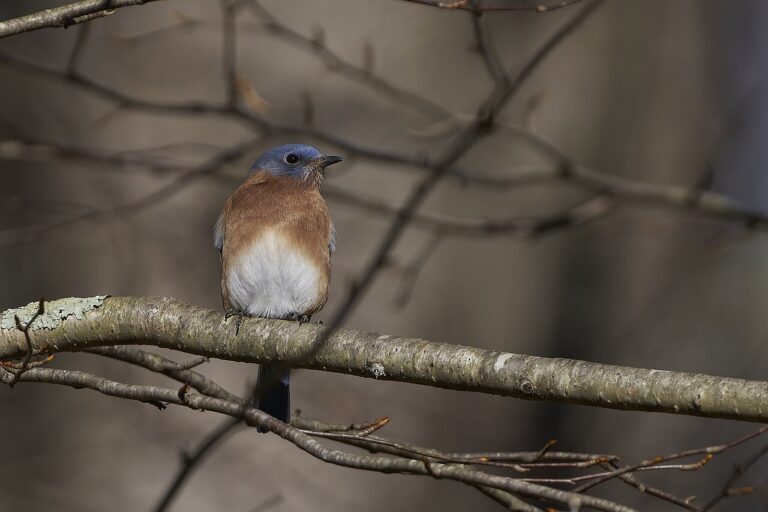
Blue Jays are the main impostor and copy the Red-shouldered Hawk closely. European Starlings imitate the red-tail scream well, usually from a rooftop or antenna. A hawk scream from a low perch with no bird visible is often one of these two.
What does a hawk attacking sound like?
Usually nothing. Red-tailed Hawks hunt silently, since noise would give away the approach, and the audible part is the impact and the prey. Screaming during an attack normally means two hawks fighting over territory or a kill rather than a hunt in progress.
How far away can you hear a red-tailed hawk?
About a mile in open country on a calm day, and roughly a quarter mile in wooded suburbs where buildings and foliage absorb the sound. Because the bird calls while circling high, the source often seems much closer than it is, which is why people search the wrong trees.