Animal Symbolism: Spiritual Meanings by Culture and Sign
Animal symbolism is the practice of reading an animal as a sign, and what a sighting means depends on which tradition you ask. A bald eagle (Haliaeetus leucocephalus) crossing your path reads as vision and courage in many Native American nations, as renewal in the Hebrew prophets, and as the national emblem in the United States. The same bird, three meanings, each coherent inside its own culture.
Everything below is belief and interpretation, not natural history. The traditions are kept apart on purpose, because blending them produces meanings no culture actually holds. Where a tradition is named, the meaning belongs to it. Where none can be named, the meaning is modern popular usage and is labeled as such.
Animal symbolism assigns a meaning to an animal based on how it looks, moves, or lives: owls stand for wisdom because they hunt in the dark, bees for industry because they build and store, snakes for renewal because they shed. Meanings differ by culture, so a crow is an omen in European folklore and a creator figure in Haida tradition.
| Animal | Popular US reading | Named tradition | What the reading is built on |
|---|---|---|---|
| Bald eagle | Freedom, vision | Lakota and many Plains nations: messenger to the Creator | High flight, keen sight |
| Bear | Strength, healing | Ojibwe: bear clan tied to medicine and protection | Size, winter denning and return |
| Raven | Mystery, change | Haida and Tlingit: trickster who brought light | Intelligence, black plumage |
| Dove | Peace, spirit | Christian: Holy Spirit at the baptism of Jesus | Gentle call, pair bonding |
| Snake | Rebirth, danger | Genesis: tempter. Greek: healing staff of Asclepius | Shedding skin, venom |
| Crane | Grace | Chinese and Japanese: longevity and good fortune | Long life, lifelong pairs |
| Stag | Nobility | Celtic: antlered god figure, Cernunnos | Antlers shed and regrown |
What Does Each Animal Mean Spiritually?
Each animal means spiritually what people have noticed about it, turned into a lesson. Predators that hunt alone become symbols of independence, animals that migrate become symbols of journey and return, and animals that change form, such as frogs and butterflies, become symbols of transformation.
Because the method starts with observation, the same animal often gets the same meaning in cultures that never met. Snakes are tied to renewal in Greek, Hindu, and Aztec traditions because every snake sheds. Where observations differ, meanings split: the owl is wisdom in ancient Athens and a death omen in much of rural Europe. Individual species each have their own guide on this site, starting with bird symbolism.
Animal Symbolism in Native American Traditions
There is no single Native American animal symbolism. Several hundred federally recognized tribes exist in the United States, and the meaning of an animal belongs to a specific nation, often to a specific clan or ceremony within it. Statements that begin “Native Americans believe” are almost always too broad to be true.
Some associations are public and well documented. In Lakota tradition the bison is tied to the gift of the sacred pipe through White Buffalo Calf Woman. Among the Haida and Tlingit of the Pacific Northwest, Raven is the trickster who stole the sun and released it into the sky. The thunderbird appears across Plains and Northwest Coast nations as the power behind storms, and Coyote is the trickster in Diné (Navajo) stories. The bison symbolism guide covers the Plains traditions in depth.
Eagle feathers carry religious weight in many nations, which is why federal law treats them separately. Possessing bald or golden eagle feathers is restricted under the Bald and Golden Eagle Protection Act, with a permit system for enrolled tribal members.
Animal Symbolism in the Bible and Christian Tradition
In the Bible, animals are images rather than omens. The lamb stands for sacrifice and for Christ himself, named the Lamb of God in the Gospel of John. The serpent in Genesis is the tempter, and the same book sends a dove from Noah’s ark to return with an olive leaf, the root of the dove as a sign of peace.
The lion appears on both sides, a danger in the Psalms and the Lion of Judah in Revelation. The eagle in Isaiah is an image of renewed strength. Medieval bestiaries assigned a moral to every known animal, which is how the pelican feeding its young with its own blood entered church art. Church teaching treats these as symbols, not as signs to be read from a hawk on the fence. For a closely related question, see our guide to octopus symbolism. For a closely related question, see our guide to tiger symbolism.
Animal Symbolism in Celtic Tradition
Celtic animal symbolism survives mostly through Irish and Welsh medieval literature and through objects such as the Gundestrup cauldron, where an antlered figure usually identified with Cernunnos sits among animals. The stag became the lasting image of the wild and of lordship over it.
The salmon is the animal of knowledge in Irish tradition, since Fionn mac Cumhaill gains all wisdom by tasting the Salmon of Knowledge. The raven and the crow belong to the Morrígan, a battle goddess. The boar stands for courage and the hound for loyalty, which is why Cú Chulainn, the Hound of Ulster, takes his name from one. The “Celtic animal zodiac” sold online is a late twentieth-century invention.
Animal Symbolism in East Asian Traditions
In Chinese tradition four animals guard the four directions: the Azure Dragon of the east, the Vermilion Bird of the south, the White Tiger of the west, and the Black Tortoise of the north. The dragon stands for imperial power and rain, the tiger for martial strength, and the tortoise for endurance.
Cranes carry longevity in both China and Japan, and the carp that swims up the waterfall to become a dragon is a Chinese image of perseverance, which is why koi banners fly on Children’s Day in Japan. In Shinto, foxes (kitsune) are the messengers of the deity Inari, so fox statues flank Inari shrines. The twelve animals of the Chinese zodiac are a separate system that assigns an animal to each year in a cycle: Rat, Ox, Tiger, Rabbit, Dragon, Snake, Horse, Goat, Monkey, Rooster, Dog, and Pig.
Spirit Animal, Totem, and Omen: What the Words Mean
A spirit animal, in modern popular use, is an animal whose traits a person identifies with or feels guided by. The phrase is borrowed loosely from Indigenous practices in which a guardian animal comes to a person through a vision or ceremony, and many Native people ask that it be used with that origin in mind rather than as a joke.
A totem is different. The word comes from the Ojibwe “doodem” and refers to an animal that marks a clan or family line, shared and inherited. Totem poles of the Northwest Coast record clan crests, not personal guides. An omen is a single sighting read as a sign of something to come. A bee in the kitchen is an omen of visitors in English folklore, while the bee as a personal emblem of diligence belongs to bee symbolism.
What Are the 12 Spirit Animals?
The 12 spirit animals that circulate online are a modern list, not an ancient one. Most versions trace to the 1980 book The Medicine Wheel by Sun Bear and Wabun Wind, which paired birth periods with animals in the style of a zodiac: snow goose, otter, cougar, red hawk, beaver, deer, flicker, sturgeon, brown bear, raven, snake, and elk. Later websites swapped in wolf, owl, or salmon as they liked.
Sun Bear was Ojibwe and wrote for a general audience, and many Native scholars and elders regard the wheel as a New Age construction rather than a traditional teaching. The list works as a personality exercise as long as it is not presented as what any specific nation believes. If a “12 spirit animals” list includes a dragon, it is the Chinese zodiac relabeled.
Animals That Represent Strength, Freedom, and Wisdom
When people ask what animal represents strength, the usual answers are the bear, the bison, the lion, and the ox, each chosen for sheer mass and the ability to push through. The bear symbolism guide shows how the healing side of the bear sits next to its strength in Ojibwe and other Great Lakes traditions.
Freedom goes to animals that travel where people cannot: the eagle for the sky, the wild horse for the plain, and whales for the open ocean. Wisdom goes to animals that watch and wait, which is why the owl, the elephant, and the raven appear on most lists. Night animals carry a double load. The bat symbolism reading is good fortune in China, where the word for bat sounds like the word for luck, and dread in European folklore.
Animal Symbolism When a Wild Animal Visits Your Yard
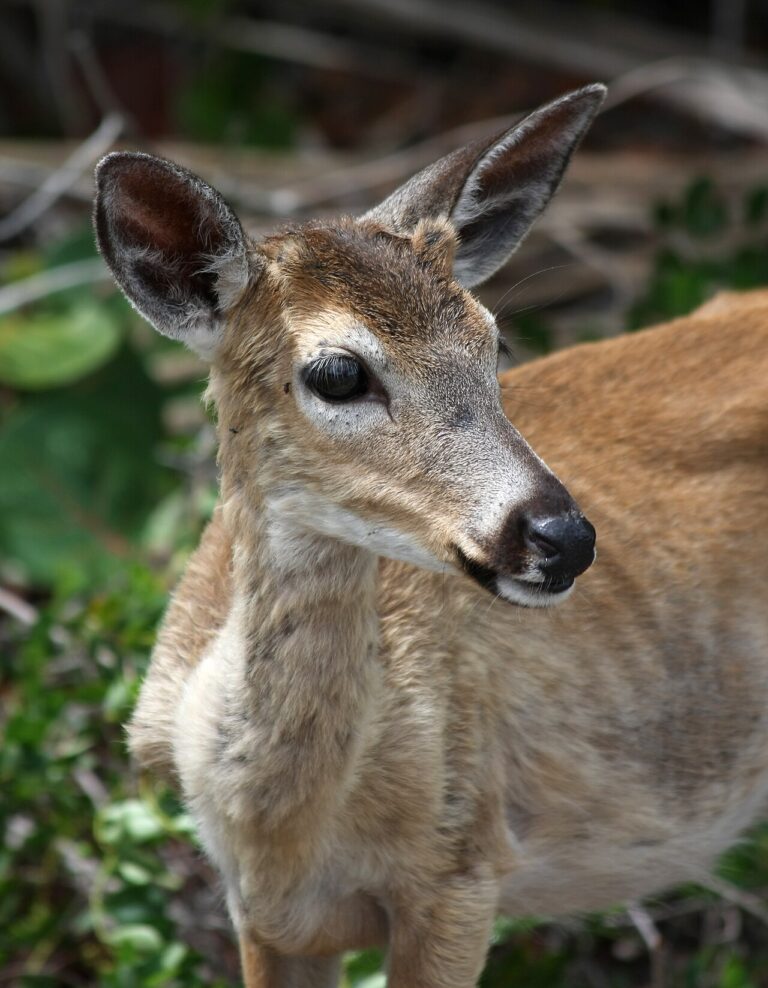
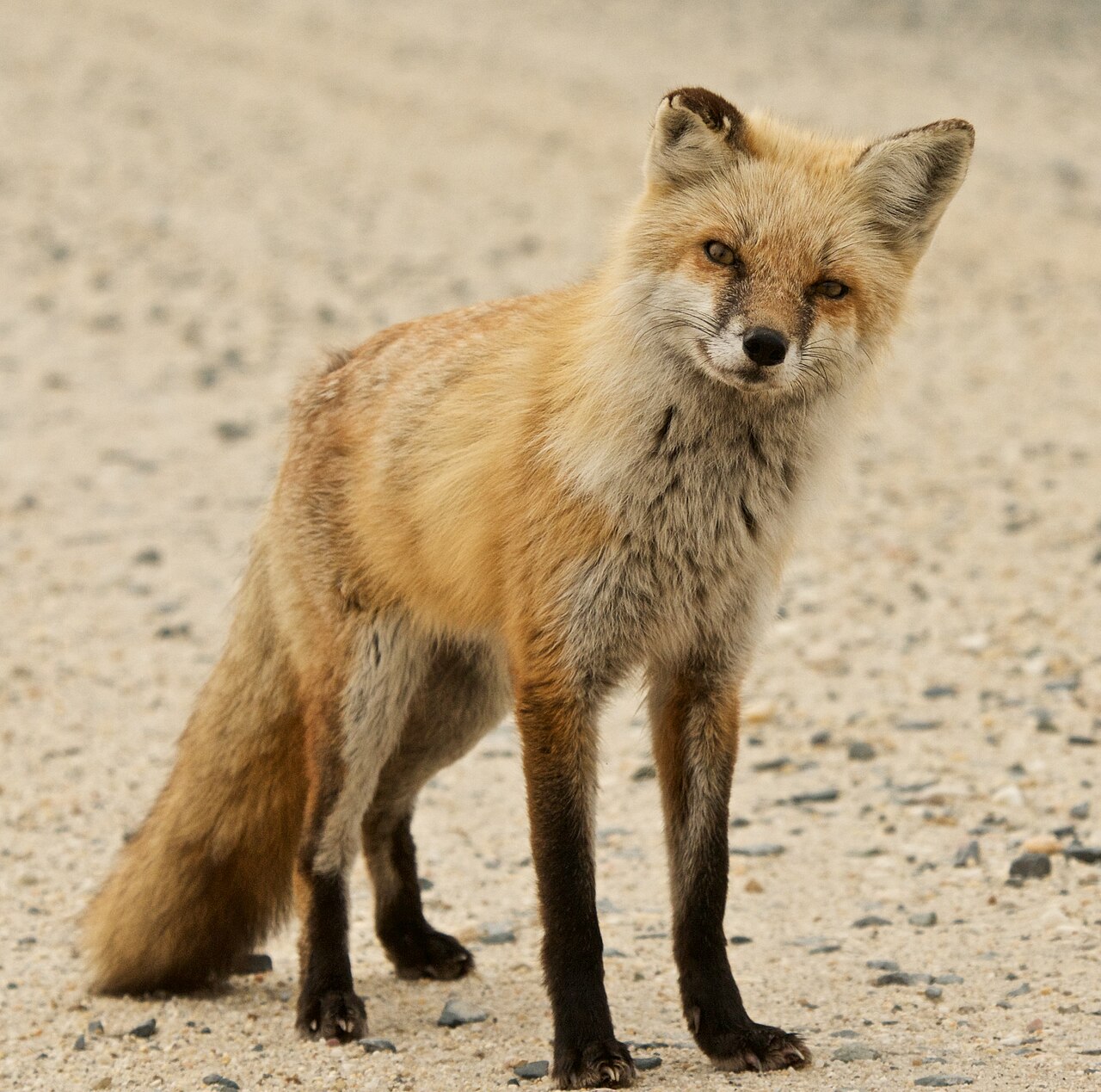
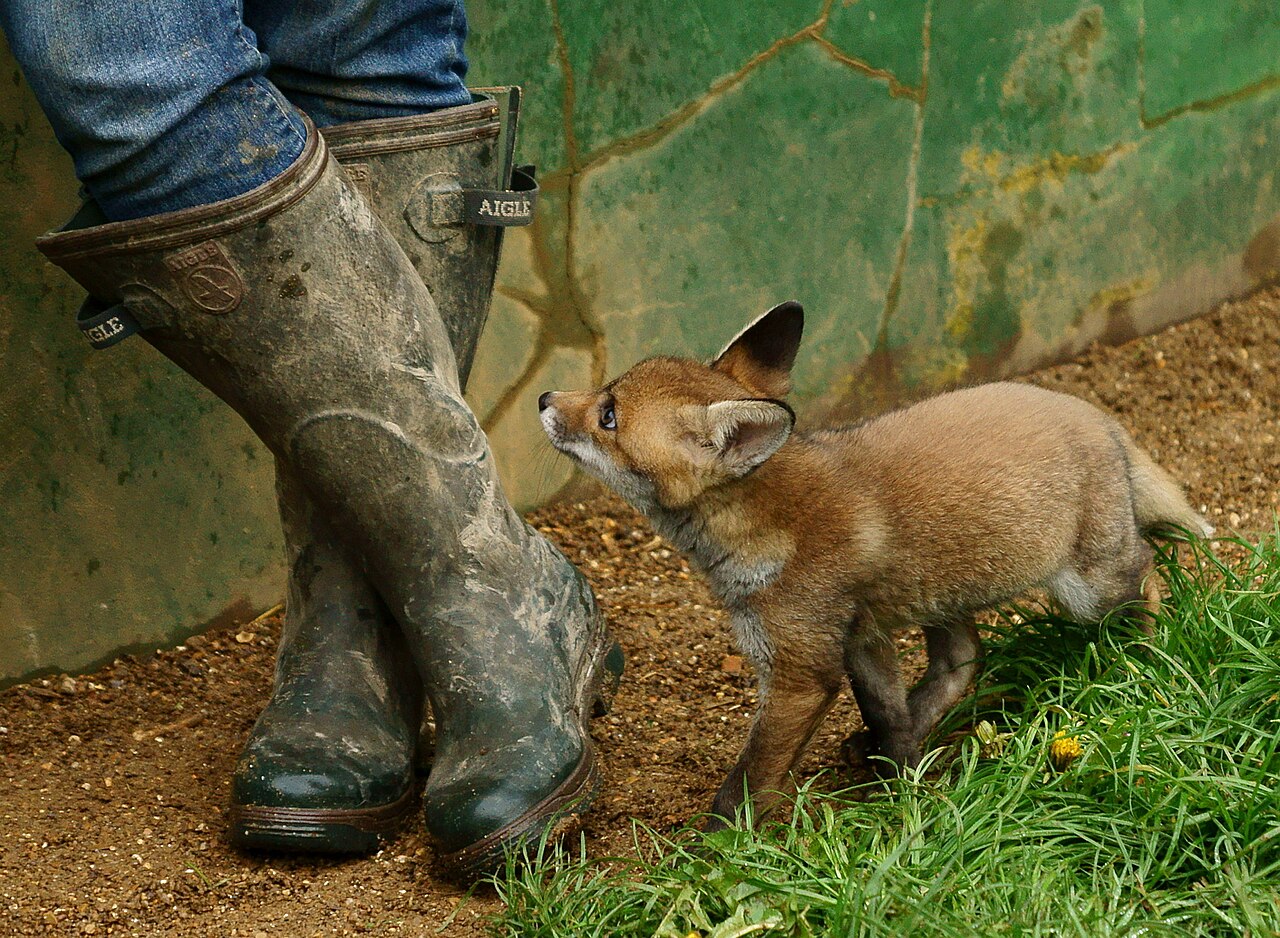
A wild animal in your yard is read in most folk traditions as a message to the household, and the type of animal sets the tone. Deer are read as gentleness and a call to slow down. A fox is read as a reminder to be clever about a current problem. A hawk perched and watching is read as a call to pay attention.
Repeated visits by the same animal get a stronger reading because they feel personal. In practice a feeder, a compost pile, or a woodpile explains most of them. A badger digging under a shed is read as persistence and defense of home ground, which the badger symbolism guide traces through Scottish and English sources.
Animals at the Window, at Night, or Seen Repeatedly
An animal at the window is read as a message trying to reach you, and birds tapping on glass are the most common case. The folk reading is a visitor or news coming. The behavior is a male bird fighting its reflection in breeding season, which is why it stops in summer.
Night sightings are read as warnings or as contact with the dead in European, Latin American, and many Indigenous traditions, with the owl carrying the heaviest reading. An owl calling near the house is a death omen in Mexican folklore and in several Southwestern Native traditions. Seeing an animal three times in a week reads as emphasis. Before you weigh it, check whether the animal is simply resident, which a trail camera settles in two nights.
Finding a Dead Animal: What It Is Said to Mean
A dead animal is read as the end of what the living animal stood for. A dead bird reads as a closed chapter or a message that arrived too late. A dead snake is read as a threat removed. A dead butterfly reads as a transformation cut short.
Many finders look for the cause first, which changes the reading. A pile of feathers points to a hawk, a bird under a window points to glass, and a body by the road points to a car. The dead dove meaning guide walks through that process for the most common yard find, including how to handle the bird safely with gloves and a double bag.
Animal Symbolism in Dreams
In dreams, animals are usually read as parts of the dreamer rather than as outside signs. A chasing animal is read as a problem being avoided, a calm animal as a trait the dreamer accepts, and a speaking animal as advice the dreamer already knows.
Dream dictionaries since the nineteenth century assign set meanings: a horse for drive, a cat for independence, a snake for a hidden worry or for healing depending on whether it bites. The Jungian school treats the animal as an image of the dreamer’s own instinct, so a wolf dream is about the dreamer’s wildness. For recurring dreams, write down the animal, the setting, and what it did.
Frequently Asked Questions
Can you give me 10 examples of symbolism with animals?
Ten common examples: the dove for peace, the owl for wisdom, the lion for courage, the fox for cunning, the dog for loyalty, the snake for renewal, the butterfly for transformation, the elephant for memory, the swan for grace, and the bee for industry. Each rests on a visible trait, which is why they recur across cultures.
What animal represents America?
The bald eagle is the national bird and appears on the Great Seal adopted in 1782, and the American bison became the national mammal in 2016. Benjamin Franklin privately preferred the wild turkey, which he called a more respectable bird, though he never formally proposed it for the seal.
Is animal symbolism the same as a spirit animal?
No. Animal symbolism is the shared cultural meaning of an animal, such as the crane for longevity in Japan, and it can be looked up. A spirit animal is personal, an animal one person feels linked to. In the Indigenous sense it comes through a vision or ceremony, not from a list.
What is the most negative animal symbol?
The snake and the black cat carry the heaviest negative load in Western folklore, the snake from Genesis and the black cat from medieval witch trials. Both are positive elsewhere. The snake is healing in the staff of Asclepius still used in medicine, and black cats are good luck in parts of Britain and in Japan.
How is animal symbolism used in literature?
Writers use an animal to carry a theme without stating it. George Orwell’s Animal Farm uses pigs for the ruling class, Herman Melville’s white whale carries obsession and the unknowable, and Harper Lee’s mockingbird stands for innocence that harms no one. Readers decode these because the cultural symbolism already exists.
What does it mean when an animal crosses your path?
In European and American folklore a crossing animal is a brief omen. A black cat from left to right is bad luck in parts of Germany and good luck in Britain, a deer crossing is a sign to slow down, and a rabbit crossing reads as coming luck. Direction and time of day often change the reading.