Bear Symbolism: Spiritual Meaning, Omens and Seeing One
Seeing a bear is most often read as a call to stand your ground: in the symbolic traditions that use it, the bear means strength held in reserve, firm boundaries and a season of rest before action. Bear symbolism carries that same core across Native American nations, biblical texts, Celtic Europe and East Asia, with each tradition adding its own reading.
What the sighting is said to mean also depends on the situation. A bear crossing a trail, a bear in the yard at night, the same bear returning for days and a bear found dead are treated as different messages by the people who read animal omens. This guide separates the traditions, then goes situation by situation, and keeps belief labeled as belief throughout.
In symbolic traditions the bear stands for strength, protection, motherhood, healing and introspection through its hibernation. Seeing one is commonly taken as a sign to set boundaries, defend what is yours, or withdraw and rest before acting. A bear that behaves unusually, appears repeatedly or appears dead is read as a stronger and more urgent message.
| Situation | Common symbolic reading |
|---|---|
| Bear crossing your path | A boundary question in front of you; hold your position rather than retreat |
| Bear in your yard or at your window | Something in your home life needs defending or clearing out |
| Bear seen at night | A matter you have been avoiding is surfacing; instinct over analysis |
| Bear seen repeatedly | Taken as a totem or guide making itself known, not a single omen |
| Mother bear with cubs | Protection of family; fierce care rather than aggression |
| Dead bear | The end of a struggle, or strength spent; in many tellings a call to grieve it properly |
| Bear in a dream | Read as inner rather than outer: your own unused power |
What is the spiritual meaning of a bear?
Across most traditions that assign meanings to animals, the bear’s symbolism grows out of three observable traits. It is physically overwhelming yet usually avoids conflict, which becomes strength under control. It raises cubs with famous ferocity, which becomes maternal protection. It disappears into the earth for months and returns thin but alive, which becomes death, rebirth and the value of withdrawal.
From those three come the readings people actually use: defend your boundaries, trust your own power without performing it, and allow yourself a fallow season. Where the sun animals of symbolism push outward, the bear is read as an inward sign, closer to the night symbolism in our bat symbolism guide than to the daylight messages people attach to songbirds.
Bear symbolism in Native American traditions
Native American nations are distinct cultures with distinct beliefs, and there is no single Indigenous meaning for the bear. In Lakota tradition the bear, matȟó, is associated with medicine, healing plants and courage, and bear dreamers held healing roles. Among Zuni and other Pueblo peoples the bear is linked with the west and with healing. Anishinaabe and many eastern nations have a Bear Clan whose traditional responsibilities include protection and medicine.
On the Northwest Coast, Haida, Tlingit and Tsimshian crests feature the bear as a lineage figure with its own stories and privileges, not as a generic symbol. Treat all of these as the property of specific communities. If you want a reading from a tradition, look for what that nation says about it, not what a pan tribal website says about Native American bears in general.
Bear symbolism in the Bible and Christian tradition
Biblical bears are mostly images of raw force and judgment. Daniel 7:5 describes the second beast as a bear raised on one side with three ribs in its mouth, read traditionally as an empire. Proverbs 17:12 warns that meeting a bear robbed of her cubs is better than meeting a fool in his folly, and 2 Kings 2:24 has two bears come out against those who mocked the prophet Elisha.
The bear is not only a threat there. In 1 Samuel 17 David cites killing a bear and a lion as proof that God had already delivered him, so the animal also measures courage. Later Christian legend softens it: Saint Corbinian is said to have made a bear carry his pack, and Saint Gall to have been helped by one, images of wild strength brought into service.
Celtic and Norse bear symbolism

In Celtic Europe the bear appears as the goddess Artio, known from a Roman era bronze found near Bern showing a seated woman facing a bear. The Gaulish and Brittonic word for bear, artos, sits behind the name Arthur, which is one reason the bear is read in modern Celtic revival as a figure of sovereignty and the warrior who protects the land.
Norse tradition ties the bear to battle frenzy. The berserkir are usually explained as bear shirt warriors, and the name Björn, along with Beowulf’s bee wolf, keeps the animal in the naming system of heroes. Read in context these are symbols of controlled violence in service of a people, not of aggression for its own sake.
Bear symbolism in East Asian traditions
Among the Ainu of Hokkaido the bear is kamuy, a divine being visiting in bear form, and the iyomante ceremony was understood as sending that spirit home with gifts. That is a specific religious framework and quite different from treating the bear as a personal totem. Korean tradition carries the Dangun founding myth, in which a bear who endures a trial of garlic and mugwort in a cave becomes a woman and mother to the first Korean king, a story of patience rewarded.
In Chinese symbolism the bear generally signals strength and male courage, often paired in art against the snake or the tiger, and bear imagery appears on military and official motifs rather than in household charms. Japanese folklore treats the bear with respect as a mountain power, especially in regions where it shares the forest with people.
What is the omen of seeing a bear?
Omen readings depend on how the encounter happened, and the versions below are the ones most often recorded in folklore and in contemporary spiritual writing.
A bear crossing your path. Usually taken as a boundary sign: a decision in front of you needs you to hold your position instead of backing away. Some tellings add that the direction of travel matters, with a bear moving away read as a passing difficulty.
A bear in your yard, at a window or at night. Read as the domestic version of the same message, pointing at the household rather than the self, and a night sighting is said to involve something you have been refusing to look at. In practice a bear at a window means food is accessible. Securing trash and feeders first is both the safety answer and, read symbolically, exactly the boundary the omen describes. Current bear safety guidance is published by the National Park Service.
Seeing a bear repeatedly or finding one dead. Repetition is treated as a totem announcing itself rather than as a single omen, which is why it shifts the reading from message to relationship. A dead bear is widely read as strength spent or a long struggle ending, and the warning folklore attaches to it resembles what people say about the dead bird symbolism in our dead bird symbolism guide.
Bear symbolism in dreams
Dream bears are generally read as inner rather than outer: your own power, anger or protectiveness in a form large enough to notice. A chasing bear is commonly interpreted as avoided conflict, a calm bear as strength that is available to you, and a bear guarding a den as the part of you protecting something private.
The dream readings differ enough from waking omens to be worth treating separately, and we keep them apart on purpose. Our bear dream meaning guide works through the common scenarios one by one, including attacks, cubs, white bears and dreams that repeat over weeks.
Bear as spirit animal, totem and power animal
The three terms are used loosely online and they are not interchangeable. Totem, in the traditions it comes from, describes an inherited clan relationship with obligations attached. Spirit animal in contemporary usage means a figure someone identifies with personally. Power animal comes from twentieth century neoshamanic practice, where it names a helper called on for a purpose.
If the bear is your chosen figure, the practical content is consistent across all three framings: defend what matters, do not spend strength on display, and treat rest as part of the work. For comparison with animals read as messengers rather than guardians, see our cardinal symbolism guide, our crow symbolism guide and our dove symbolism guide.
Frequently Asked Questions
Are bears a symbol of love?
Not romantic love, in most traditions. The bear’s affectionate reading is parental: the mother defending cubs is the image behind bear tattoos and family emblems. Modern gift culture has softened it further through the teddy bear, so a bear given as a present usually means protection and comfort rather than courtship.
What is black bear symbolism compared with brown bear symbolism?
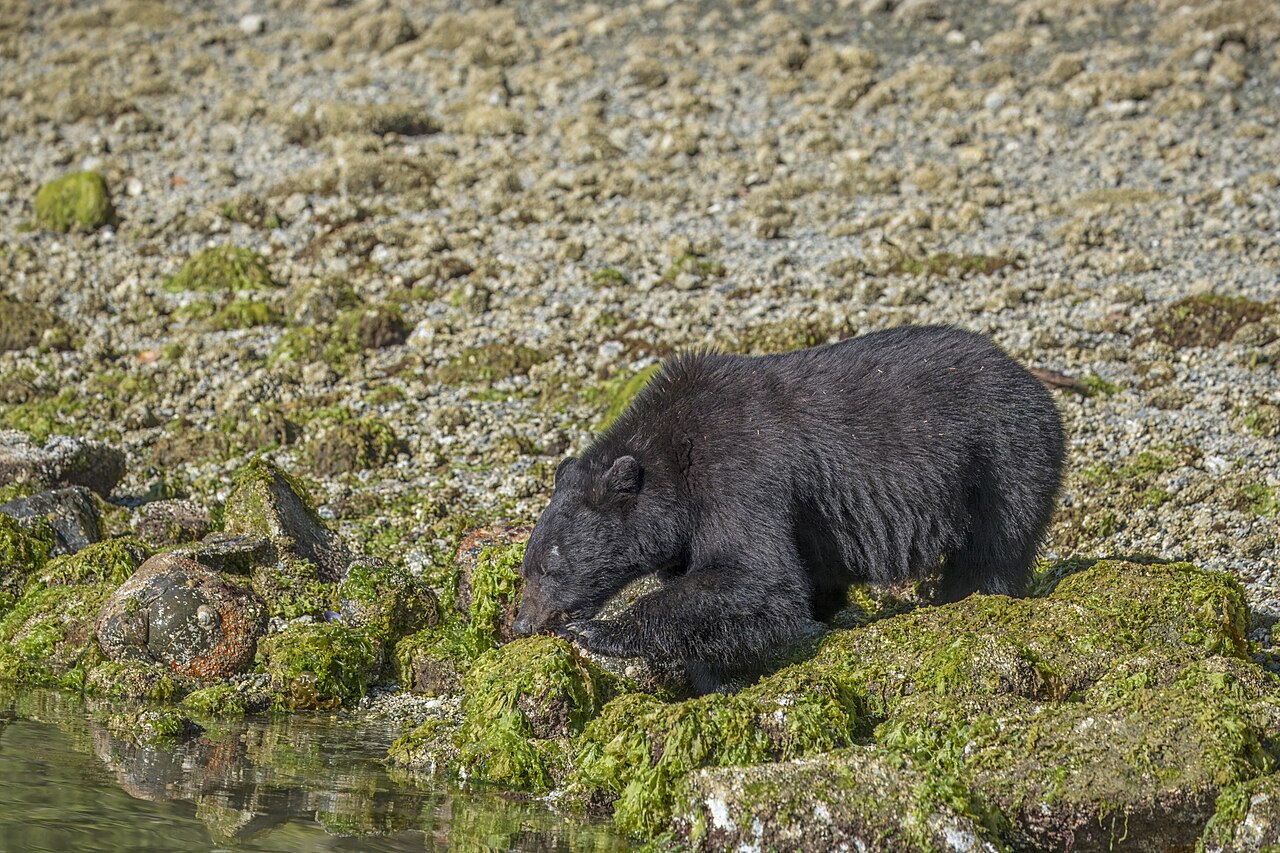
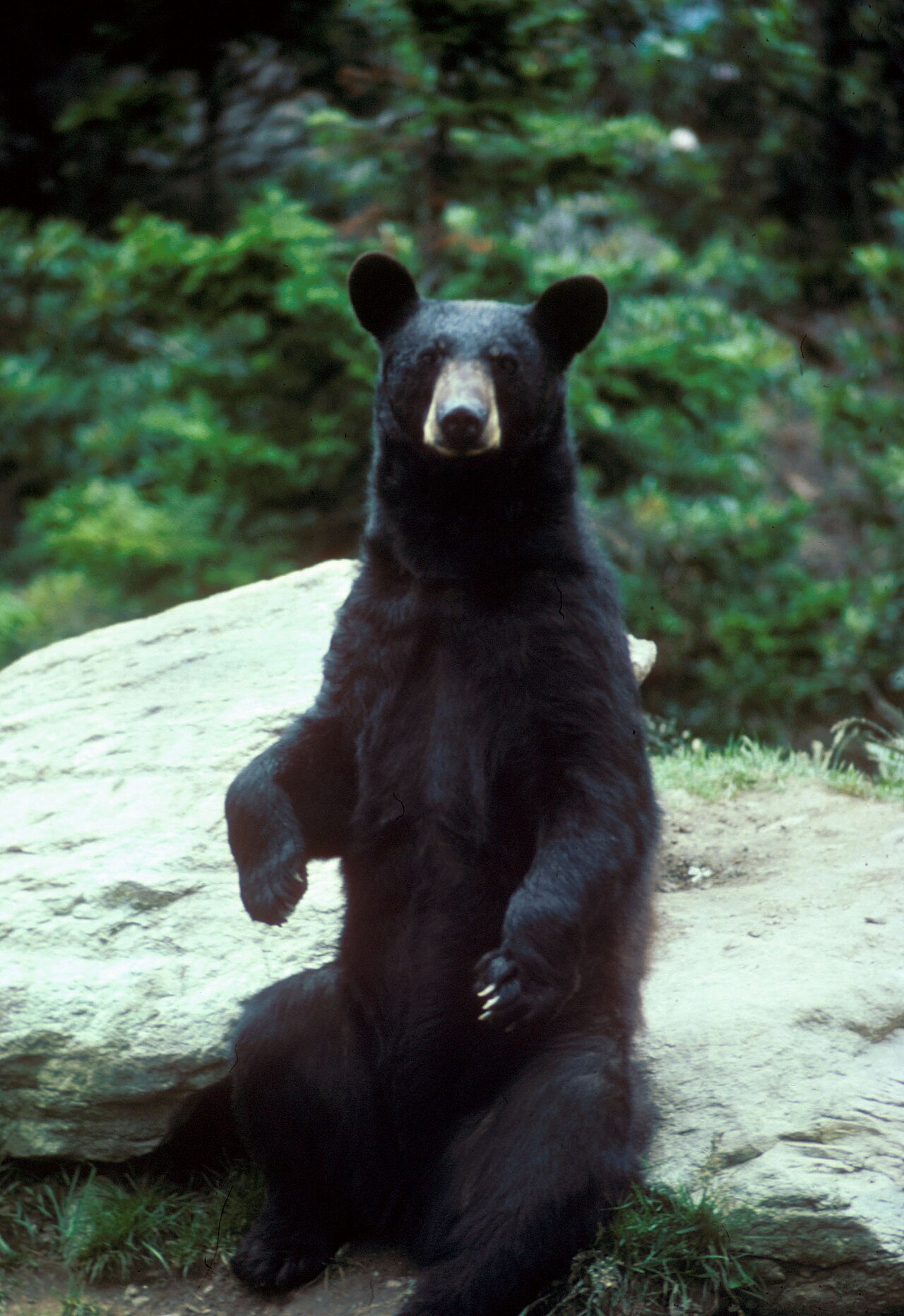
Contemporary writing tends to read the American black bear (Ursus americanus) as the quieter figure, linked with introspection, caution and the hidden self, since it avoids people and climbs away from trouble. The brown or grizzly bear (Ursus arctos) is read as the assertive one, standing for open confrontation and sovereign power.
What does bear mean in LGBTQ culture?
In gay male culture bear describes a subculture and body type: larger, often hairier men, with their own clubs, events and flag dating to the 1980s and 1990s. It is unrelated to animal symbolism, though the overlap in strength and warmth is part of why the word stuck. Related community terms include cub, otter and twink.
Is seeing a bear a bad omen?
Rarely read as simply bad. Most traditions treat a bear sighting as a serious sign rather than an unlucky one, meaning strength, confrontation or a need to withdraw. The readings that lean negative involve a bear that is dead, wounded or acting against its nature, and those are treated as warnings to prepare rather than predictions.
What does a teddy bear symbolize?
Safety and comfort, a twentieth century meaning rather than an old one. The toy dates to 1902 and was named after President Theodore Roosevelt, and it inherited the protective side of bear symbolism while dropping the danger. That split is why the same animal can mean a nursery gift in one context and raw force in another.