Dead Bird Symbolism: What Finding One Means
Finding a dead bird is most commonly read as a symbol of an ending and a transformation, the close of one chapter and the space for something new, rather than the simple bad omen many people fear. Across spiritual and cultural traditions, the dead bird tends to represent transition, release, and change, because a bird that once flew freely returning to the earth is a powerful image of a cycle completing. That said, interpretations vary widely by culture, by the location where you found the bird, and by the species. This guide walks through what a dead bird symbolizes, how meaning shifts with where and which bird you found, the main spiritual and cultural readings, and, importantly, the safe and practical steps to take if you find one.
| Where you found it | Common symbolic reading |
|---|---|
| In your yard | A change or transition at home; release of the old |
| On your porch or doorstep | A message arriving; a threshold being crossed |
| In front of your house | Attention to what is entering or leaving your life |
| On your car | A pause or redirection on your current path |
| Inside the house or garage | An ending felt close to home; often just a trapped bird |
Finding a dead bird is most often read as an ending and a transition rather than a bad omen, the close of one chapter making room for the next. The reading shifts with location, species and number, and two dead birds is usually taken as a paired ending or a shared change.
What a dead bird symbolizes
The core symbolism of a dead bird is transformation. Because birds represent freedom, spirit, and the link between earth and sky, a dead one is widely interpreted as the end of a phase and the beginning of another, a natural and even hopeful reading rather than a frightening one. Many traditions frame it as release: letting go of something that has run its course, whether a habit, a relationship, or an old version of yourself. The image is less “something bad is coming” and more “something is completing so something else can begin.”
It helps to hold this gently. A dead bird is, first, a sad but ordinary part of nature; birds face many hazards and mortality is high, especially for young birds. Reading it as a symbol of change can be a meaningful way to process the moment, but it is not a prediction, and no reputable tradition treats a dead bird as a literal threat to you. For related imagery, our guide to birds in dreams covers dead birds in the dream world.
Dead bird meaning by location
Where you find a dead bird shapes the symbolic reading. A dead bird in your yard is generally tied to change at home, an invitation to release what is finished and make room for renewal in your domestic life. On your porch or doorstep, the threshold placement leads many to read it as a message arriving or a boundary being crossed, since doorways symbolize transition between one space and another. In front of your house is read similarly, drawing attention to what is entering or leaving your life.
A dead bird on your car is sometimes interpreted as a signal to pause or reconsider your direction, fitting for a vehicle that represents your journey. Found inside the house or garage, the reading is an ending felt close to home, though the practical explanation is almost always a bird that got trapped indoors and could not find its way out. As with all of this, the location adds flavor to a personal reflection rather than a fixed verdict.
Dead bird meaning by type and color
The species can color the interpretation. A dead black bird, crow or grackle, blends dead bird transformation themes with the black bird’s associations of mystery and the unknown, often read as a significant transition; see black bird meaning. A dead cardinal is especially poignant for many, because cardinals are strongly linked to visits from loved ones who have passed, so finding one dead can feel emotionally heavy and is often interpreted as a call to honor a memory.
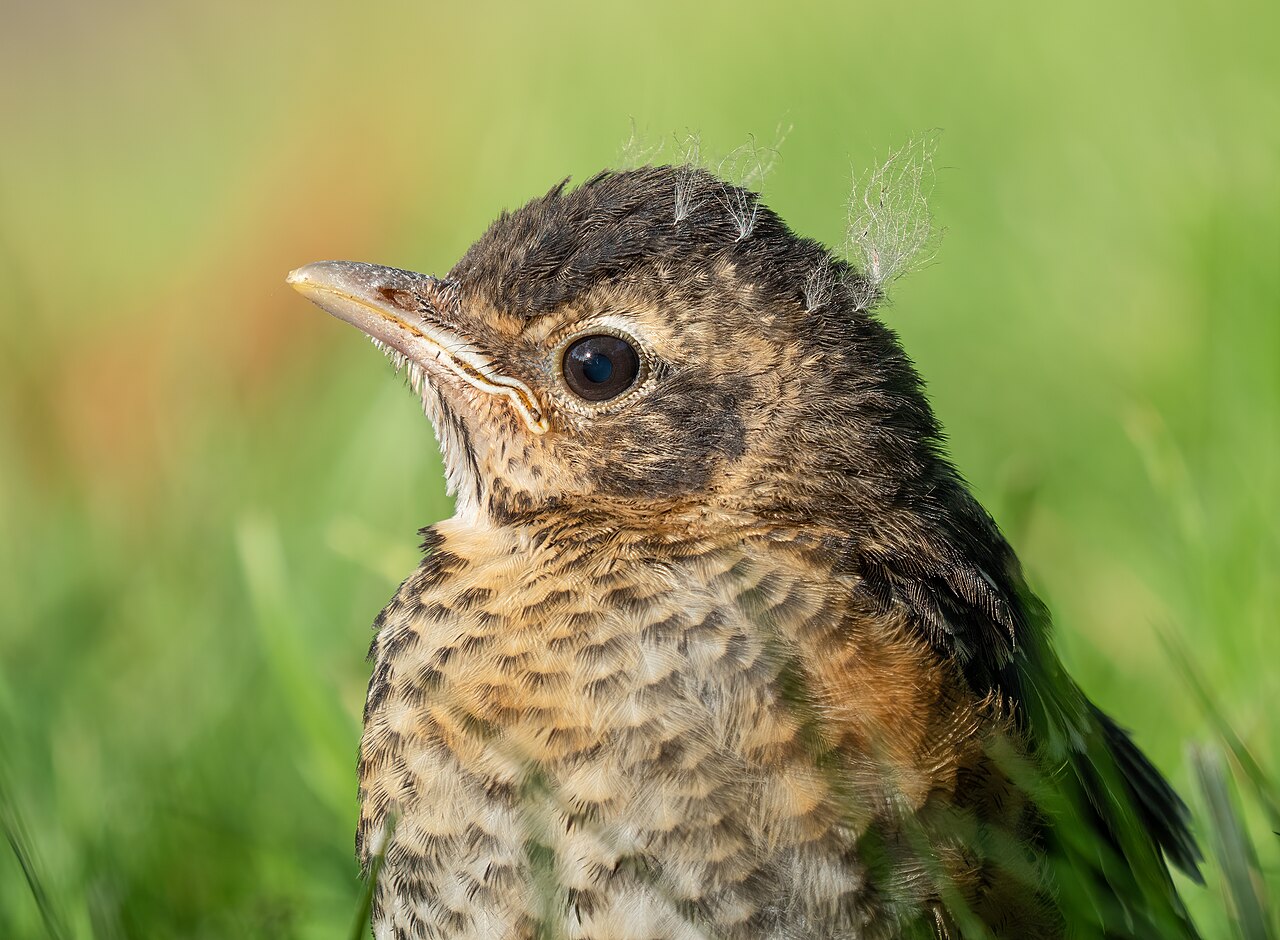
A dead baby bird tends to be read as lost potential or a beginning that did not unfold as hoped, and it can carry a tender, grief adjacent meaning; in nature, sadly, many nestlings do not survive. A white bird found dead may be tied to themes of peace interrupted or a spiritual passage. Whatever the species, the healthiest framing keeps compassion at the center, for the bird, and for whatever the moment stirs in you.
Spiritual and cultural interpretations
Cultures read dead birds in varied ways. In several Native American traditions, a dead bird is understood within the natural cycle of life and death, a reminder of transition rather than a curse. In Christian symbolism, birds are often linked to the soul and to God’s care, so a dead bird can prompt reflection on mortality, faith, and the promise of renewal. Some folk superstitions, particularly older European ones, treated a dead bird as an ill omen, which is where much of the fear around them originates.
In parts of Hindu tradition and other belief systems, birds are connected to the soul and to ancestral spirits, so a dead bird may be read as a message tied to the departed or to karma and transition. The sheer range of these readings is the point: there is no universal meaning, and you are free to draw on the interpretation that feels true and comforting to you rather than one that causes distress.
The meaning of finding a dead baby bird
Dead baby birds are one of the most searched and most emotionally charged versions of this experience. Symbolically they are usually read as lost potential, a plan or hope that did not come to fruition, or a fragile beginning cut short, and they often surface feelings about vulnerability and protection. It is a reading that invites gentleness with yourself.
Naturally, finding a dead nestling is common and rarely a sign of anything beyond the hard odds young birds face. Many chicks fall from nests or do not survive their first weeks, which is a normal, if sad, part of the breeding season. If you find a baby bird that is still alive, it may not actually need rescuing; our note below on what to do, and local wildlife rehabilitators, can help you decide.
What to do if you find a dead bird
Beyond symbolism, there are sensible, safe steps to take. Avoid handling a dead bird with bare hands, since birds can carry bacteria and parasites. Use disposable gloves or an inverted plastic bag over your hand, place the bird in a sealable bag, and dispose of it in the trash, then wash your hands thoroughly. For a bird in your yard, you may prefer to bury it, which many people find gives a sense of respectful closure.
There is also a public health reason to pay attention. If you find several dead birds in a short time, it can occasionally indicate disease such as avian influenza, and many regions ask residents to report unusual clusters to their state wildlife agency. Conservation groups such as the National Audubon Society and state agencies use these reports to monitor bird populations. Reporting helps biologists monitor bird populations. So the fullest response to a dead bird blends the reflective, treating it as a symbol of change if that helps you, with the practical, handling it safely and reporting when appropriate. This is a sensitive topic, and if a dead bird stirs grief about a personal loss, it is completely valid to sit with that feeling or reach out to someone you trust.
A dead bird on your car, in the pool, or on the road
A few more locations come up often. A dead bird on your car is sometimes read as a signal to pause or reconsider your direction, since the car represents your journey; practically, cars parked under trees and roosts simply collect what falls. A dead bird in the pool or a water feature usually has a plain cause, birds drown reaching for water, and symbolically water adds themes of emotion and cleansing to the reading.
A dead bird on the road is the most common of all, an everyday result of traffic rather than an omen, though some still pause to note it as a reminder of life’s fragility. Across all these, collisions with windows and vehicles are leading causes of bird death, which is why the same spots produce repeat findings. Knowing the practical cause makes any reflective meaning you choose feel calmer and more grounded.
Turning an unsettling sign into a positive practice
If finding a dead bird leaves you uneasy, you can deliberately reframe the moment. Many people mark the find with a small, respectful act, burying the bird, pausing for a breath, or simply acknowledging the transition it represents, and find that this transforms a jolt of dread into a moment of mindfulness. The symbolism of endings and new beginnings supports that shift.
You can also channel the moment into helping living birds: cleaning feeders, adding window decals to prevent strikes, or planting native shrubs for shelter. Turning an unsettling sign into constructive care is a meaningful response, and it honors the bird far more than worry would. If the discovery stirs deeper grief, it is always okay to sit with the feeling or talk it through with someone you trust.
What Finding Two or More Dead Birds Means
Symbolically, traditions read two dead birds as the close of a chapter in a relationship or partnership, and three or more as a larger cycle ending so a new one can begin. As with a single bird, the message is framed around transformation rather than literal doom.
Practically, multiple dead birds in one place deserve attention before interpretation. Several birds below the same window usually mean a reflection problem you can fix with decals or screens. Several near a feeder can signal disease such as salmonellosis, so take feeders down, clean them with a 10 percent bleach solution, and pause feeding for a couple of weeks. Clusters with no obvious cause are worth reporting to your state wildlife agency, since agencies track die-offs from West Nile virus and avian influenza. Handling any dead bird should be done with gloves or an inverted plastic bag, never bare hands.
Related reading: Bird Tattoo Meanings.
How to Report a Dead Bird, and When It Matters
A single dead bird under a window or on a road is almost always a collision or a predator kill and needs nothing more than careful disposal. What does warrant a call is a cluster: several dead birds in one area over a few days, birds of the same species, or birds that were visibly sick, lethargic, puffed up or unsteady before they died.
That pattern is how songbird salmonellosis outbreaks and avian influenza events are first detected, and state wildlife agencies rely on public reports to catch them early. The practical step is to contact your state wildlife agency or state veterinarian, describe how many birds, which species and over what period, and follow whatever collection instructions they give. If feeders or bird baths are nearby, take them down and clean them, since both concentrate birds and spread disease.
Handle any dead bird with an inverted plastic bag or gloves rather than bare hands, double-bag it, and wash your hands afterwards. The USGS National Wildlife Health Center coordinates wildlife disease investigation in the United States and is the body those state reports ultimately feed into.
Frequently Asked Questions
What does finding a dead bird symbolize?
Finding a dead bird is most commonly read as a symbol of an ending and transformation, the close of one chapter making room for another, rather than simple bad luck. Interpretations vary by culture, location, and species.
Is a dead bird a bad omen?
Mostly no. The bad omen idea comes from older European superstition, but many traditions read a dead bird as transition and release. It is best treated as a prompt for reflection, not a literal warning.
What does a dead bird on your porch or doorstep mean?
Because doorways symbolize thresholds, a dead bird on the porch or doorstep is often read as a message arriving or a transition being crossed. Practically, porches are simply common places for birds to end up.
What does finding a dead cardinal mean?
Cardinals are strongly associated with visits from loved ones who have passed, so a dead cardinal can feel emotionally significant and is often interpreted as a call to honor a memory or reflect on someone dear.
What does a dead baby bird symbolize?
A dead baby bird is usually read as lost potential or a beginning cut short, often stirring feelings about vulnerability. In nature it is sadly common, as many nestlings do not survive their first weeks.
What is the meaning of a dead bird in Hinduism?
In parts of Hindu tradition, birds are connected to the soul and to ancestral spirits, so a dead bird may be interpreted as a message linked to the departed or to transition and karma.
What should I do if I find a dead bird?
Do not touch it with bare hands. Use gloves or a plastic bag, seal it, dispose of it in the trash or bury it, and wash your hands. If you find several dead birds at once, consider reporting it to your state wildlife agency.
Why do I keep finding dead birds near my window?
Repeated deaths near a window usually indicate bird collisions with the glass. Applying spaced decals or patterns to the window can prevent future strikes and stop the pattern.