What Does It Mean When a Bird Hits Your Window?
When a bird hits your window, the natural cause is almost always a reflection: the glass mirrors the sky and trees, and the bird flies toward what looks like open space or attacks its own reflection as a rival. In folklore, however, a bird striking a window is often read as a sign of change, a message, or a warning to pay attention to something in your life. The two readings coexist. A collision is a real, preventable event with a physical explanation, and it is also a moment many people find meaningful. This guide covers both: what a bird hitting your window means spiritually, the real reason it happens, and exactly how to stop it from happening again.
| Aspect | Detail |
|---|---|
| Natural cause | Reflections of sky and trees in the glass |
| Repeated tapping | A territorial bird attacking its reflection |
| Folk meaning | Change, a message, or a warning |
| If the bird is stunned | Keep it safe and quiet, let it recover |
| Prevention | Break up reflections with decals or screens |
The real reason birds hit windows
The overwhelming cause of window strikes is reflection. During the day, glass reflects the surrounding sky, clouds, and trees, so a flying bird sees open habitat where there is actually a solid pane and flies straight into it. Feeders placed a short distance from windows make this worse, because a startled bird takes off at speed with no room to correct. At night, lit windows can disorient migrating birds. A second, separate behavior is repeated tapping or fluttering at the same window, usually in spring. That is a territorial bird, often a cardinal or robin, seeing its reflection and attacking what it thinks is a rival. According to the Cornell Lab of Ornithology, window collisions are a major cause of bird deaths, which is why prevention genuinely matters.
The spiritual and folklore meaning
Across many folk traditions, a bird hitting a window is treated as an omen or a message. The most common reading is change: the jolt of the collision is taken as a sign that something in your life is shifting, or that you should brace for a transition. Others interpret it as a message from the universe or a departed loved one, a dramatic attempt to get your attention. In some older superstitions, particularly involving a bird striking the glass repeatedly, it was feared as a warning of bad news. More positive readings frame it as a wake up call, a nudge to pay attention to something you have been avoiding. Which meaning resonates is personal, and it often depends on what is happening in your life at the time.
Does the type of bird change the meaning?
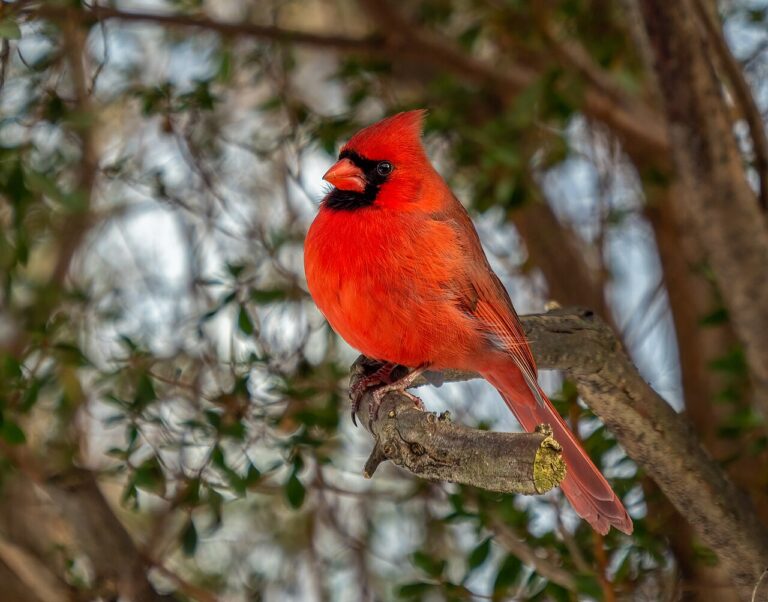
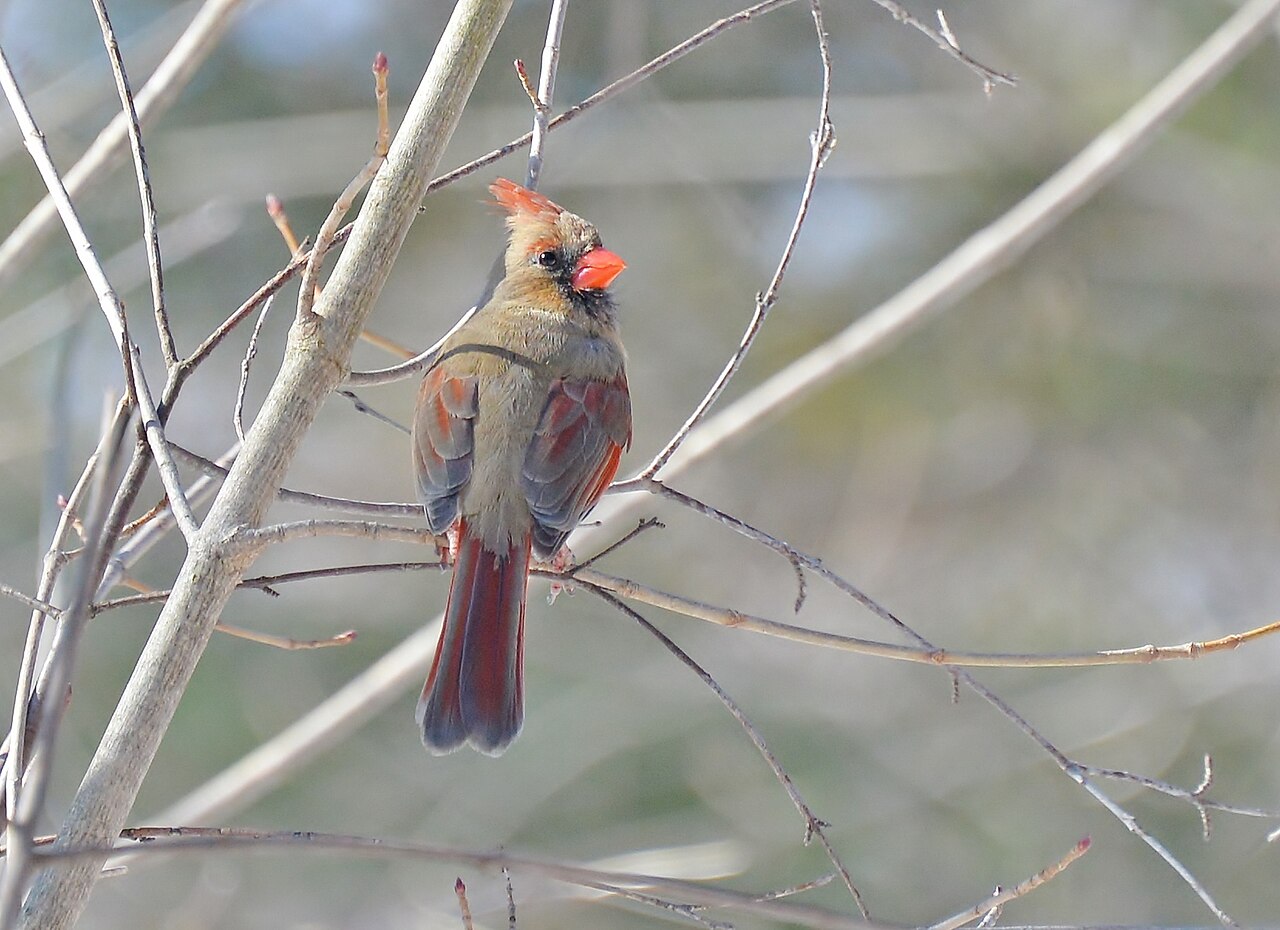
In folklore, yes. The symbolism people attach to a window strike often borrows from the bird’s own meaning. A cardinal hitting the window may be read as a message from a lost loved one, given the cardinal’s strong association with the departed. A robin might be tied to renewal or a fresh start. A crow or a black bird could be read as a call to adapt or a warning to stay alert. A dove is often linked to peace or a gentle message. These interpretations are folklore rather than fact, but for people who find meaning in the moment, the species matters. Naturally, the type of bird simply reflects which species are common and territorial in your area.
What to do if a bird is stunned
If a bird hits your window and falls stunned rather than flying off, you can help it recover. Gently place it in a small ventilated box lined with a soft cloth, put the lid on to keep it dark and calm, and set the box somewhere quiet, warm, and safe from pets. Do not offer food or water, and do not handle the bird more than necessary. Many stunned birds simply need time for the daze to pass. After an hour or two, take the box outside and open it; a recovered bird will fly off. If the bird cannot fly after a few hours or has an obvious injury, contact a local wildlife rehabilitator. Resist the urge to check on it constantly, since quiet and darkness speed recovery.
How to stop birds from hitting your windows
The fix is to break up the reflection so the glass no longer looks like open sky. Apply decals, stickers, or patterns spaced no more than two inches apart across the outside of the glass, since widely spaced single stickers do not work. Products like closely spaced dots, external screens, netting, or paracord curtains called Acopian bird savers are all effective. Soap or tempera paint patterns on the outside help too. For a bird attacking its reflection, cover the outside of that window temporarily until the breeding season passes, which usually ends the behavior. Moving feeders to the safe distances noted above and closing blinds when possible all reduce strikes. A little prevention protects the birds you enjoy watching. See our tips on creating a bird friendly yard.
When window strikes happen most
Window collisions are not random through the year, and knowing the patterns helps you prevent them and understand what you are seeing. According to the Cornell Lab of Ornithology, strikes spike during spring and fall migration, when huge numbers of birds are on the move, many of them young birds unfamiliar with the hazards of glass, and when disoriented night migrants are drawn toward lit windows. Repeated tapping at the same pane, by contrast, peaks in spring, when territorial males attack their reflection, and can continue for weeks until the breeding urge fades. Collisions also cluster where feeders sit at the dangerous middle distance from glass, and where large reflective windows mirror open sky. Understanding these patterns lets you act at the right time: apply window feeders that sit flush to the glass so birds cannot build up speed, add decals before migration season, and cover a problem window during the spring territorial period. The payoff is real, since fewer strikes means more of the birds you work to bring to your yard survive to visit again. For the birds most prone to attacking reflections, our cardinal and robin guides explain the territorial behavior behind the tapping.
A simple plan to prevent window strikes
Preventing collisions comes down to making the glass visible to birds, and a short, consistent routine handles most cases. Start by identifying your problem windows, usually the large, reflective ones that mirror sky and trees, or any window where you have found a stunned bird or heard a thump. Treat the outside of that glass so the reflection is broken up: closely spaced dots or decals no more than two inches apart, external screens or netting, or vertical paracord strands all work, while a single hawk silhouette sticker does not. Reposition feeders to sit either within three feet of the window or more than thirty feet away, avoiding the dangerous middle range. During spring, if a territorial bird is attacking its reflection, cover the outside of that pane until the breeding season ends. Turn off unnecessary lights during migration nights in spring and fall to avoid disorienting night flyers. Keeping this simple plan in place through the seasons dramatically reduces strikes and protects the very birds you work to attract to your yard. For feeders designed to sit safely against the glass, see our guide to window bird feeders.
Frequently Asked Questions
What does it mean when a bird hits your window?
Naturally, the bird sees a reflection of sky and trees in the glass and flies into it. In folklore, a window strike is often read as a sign of change, a message, or a warning to pay attention.
Is a bird hitting your window a bad omen?
Some older superstitions treat it as a warning, but many readings frame it more positively as a wake up call or a message. There is no evidence it predicts events; the cause is a reflection.
Why does a bird keep tapping on my window?
That is usually a territorial bird, often a cardinal or robin in spring, attacking its own reflection because it thinks it is a rival. Covering the outside of the glass stops it.
What should I do if a bird is stunned after hitting the window?
Place it in a small ventilated, dark box on a soft cloth, keep it quiet and warm away from pets, and offer no food or water. Release it outside after an hour or two once it recovers.
How do I stop birds from hitting my windows?
Break up the reflection with decals, dots, screens, netting, or paracord spaced no more than two inches apart on the outside of the glass, and move feeders very close or far from windows.
Does it matter what kind of bird hits the window?
In folklore the species colors the meaning, so a cardinal may suggest a loved one’s message and a dove may suggest peace. Naturally, it just reflects which birds are common and territorial nearby.
Can a bird die from hitting a window?
Yes. Window collisions are a major cause of bird deaths, which is why prevention matters. Many birds are only stunned and recover, but high speed strikes can be fatal.