What Does It Mean When a Robin Visits You?
When a robin visits you, it is most often seen as a sign of new beginnings, renewal, and hope, and in many traditions as a comforting message from a loved one who has passed. The robin’s arrival has long marked the turning of the seasons, so the bird carries strong associations with fresh starts, growth, and the promise that brighter days are coming. A robin appearing at a low moment is widely read as reassurance and encouragement. In British folklore especially, robins are believed to be visiting spirits of the departed. This guide covers what a robin visit means across cultures, what the robin symbolizes, and the natural reason a robin might be following you around the yard.
| Context | Common meaning |
|---|---|
| Robin visits you | New beginnings, renewal, hope |
| Robin in British folklore | A visit from a departed loved one |
| Robin in spring | The season is turning, growth ahead |
| Robin following you | Often it wants insects you disturb |
| Robin’s red breast | Passion, sacrifice, vitality |
New beginnings and renewal
The robin’s core symbolism is fresh starts. Because the American Robin is one of the first birds to sing at dawn and among the earliest signs that spring is arriving, it has become a natural emblem of renewal, new chapters, and hope after a hard season. A robin crossing your path is often taken as a nudge to embrace change, let go of what is behind you, and move forward with optimism. For anyone facing a transition, a job change, a move, a loss, the robin’s message is that growth is coming. Its cheerful, carrying song reinforces the sense of encouragement, which is part of why the bird is so beloved.
A message from a loved one
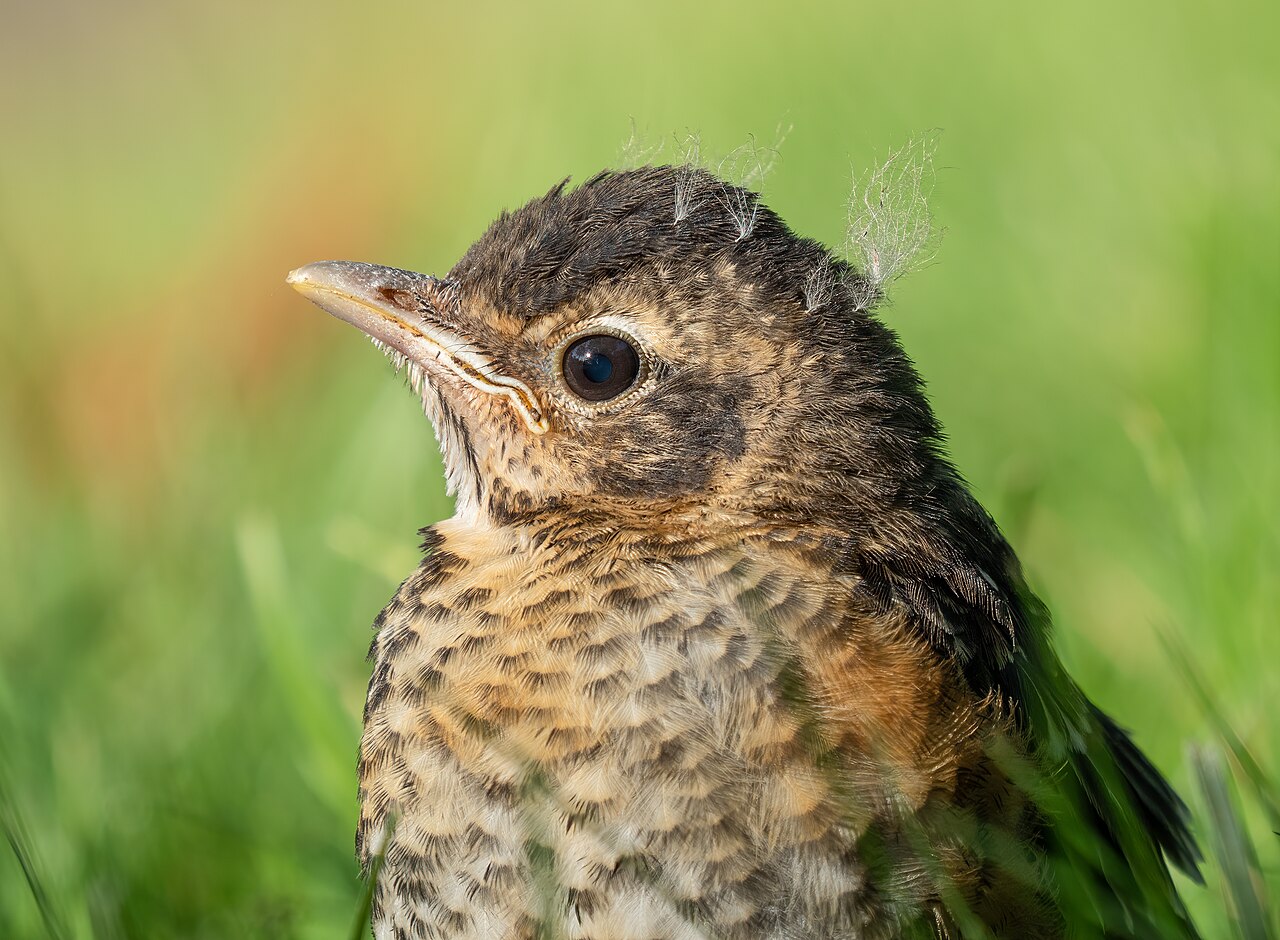
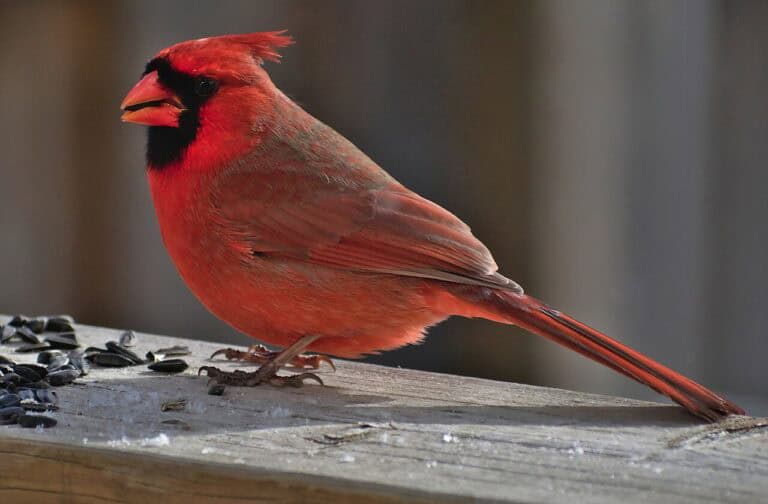
In British and Irish tradition especially, robins are strongly tied to the spirits of the departed. The saying when robins appear, loved ones are near captures a belief that a robin showing up, particularly around holidays, anniversaries, or moments of grief, is a departed family member checking in. Robins feature on countless Christmas cards partly for this reason, as symbols of remembrance and comfort in winter. Whether or not you hold the belief, many people find real solace in a robin’s appearance at a poignant time, reading it as a sign that a loved one is at peace and nearby. It is a gentler cousin to the North American reading of the visiting cardinal.
What the robin’s red breast symbolizes
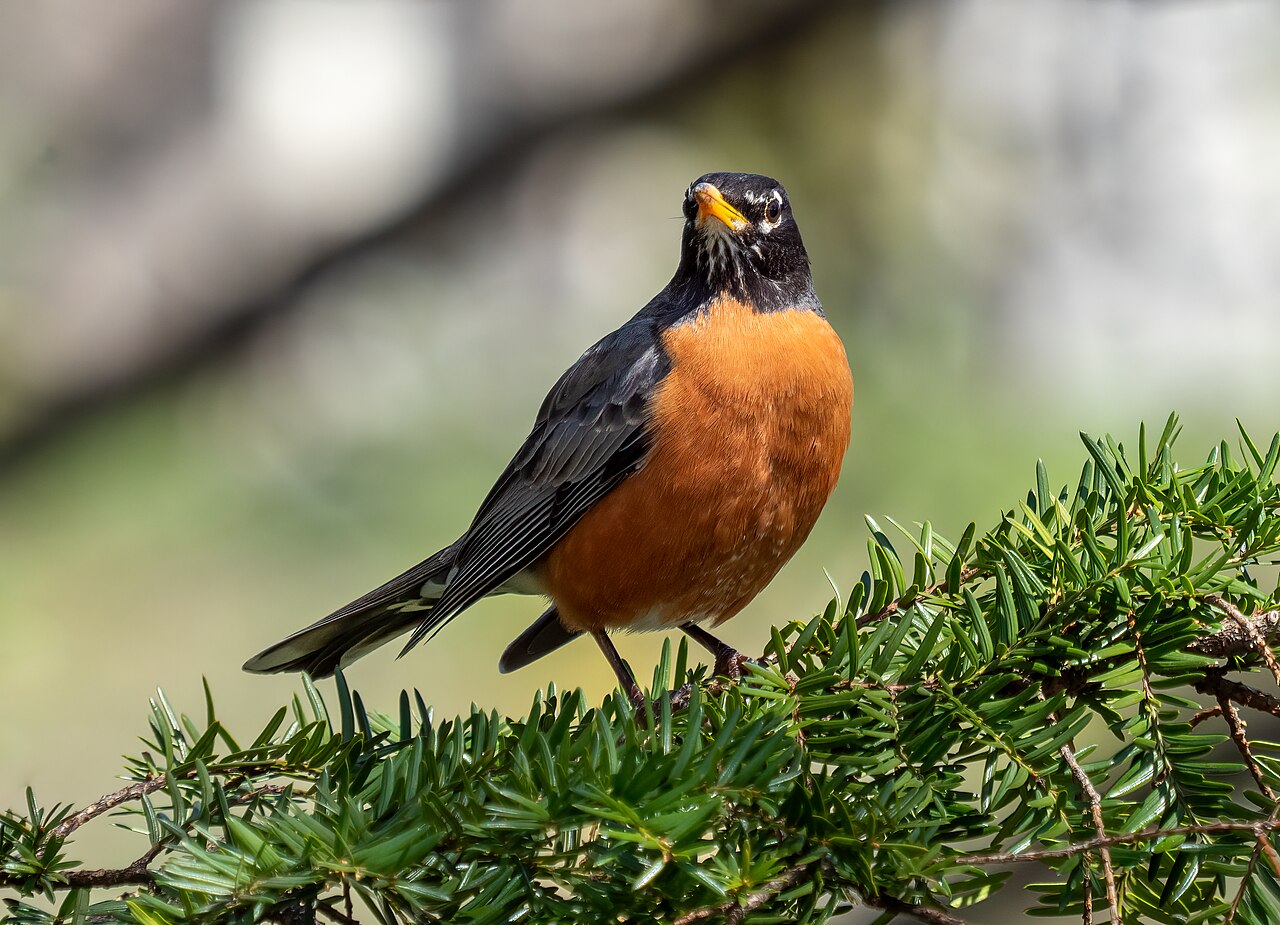
The robin’s orange red breast is central to its lore. In one well known Christian legend, a robin pulled a thorn from Christ’s crown and was stained red by a drop of blood, tying the bird to sacrifice, compassion, and devotion. More broadly the red breast represents passion, courage, and vitality, a warm spark of life. The robin’s willingness to nest close to humans and to work alongside gardeners has also made it a symbol of trust and companionship. Together these give the robin a warm, friendly, hopeful reputation quite different from the more mysterious symbolism of crows or owls.
Why a robin keeps following you
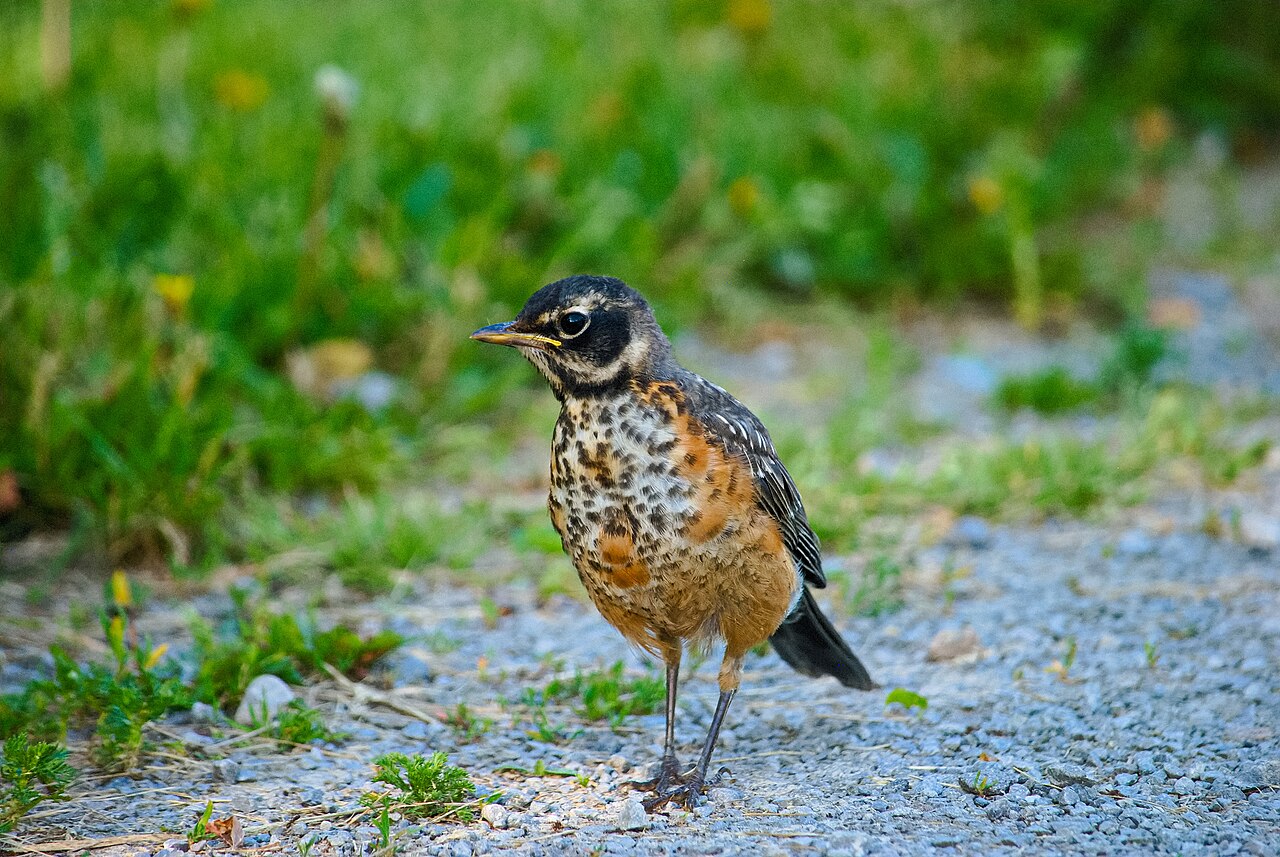
If a robin seems to follow you around the garden, there is a very practical reason. Robins have learned that digging humans and animals turn up worms and insects. In Europe, robins famously trail gardeners and even large mammals to snatch prey exposed by the digging. An American Robin hopping near you as you weed or mow is simply hoping you will flush an easy meal. The bird’s boldness, its readiness to approach within a few feet, is what makes these encounters feel personal and meaningful. It is also why robins seem so tame compared with shyer species. The behavior is opportunistic feeding, layered with all the symbolism people have attached to this friendly bird.
Robin symbolism across cultures
Robin meanings vary by region because the American Robin and the smaller European Robin are different birds that share a name and a red breast. In Britain the European Robin is a beloved symbol of Christmas, remembrance, and the returning spirit of the dead. In North America the robin is above all a herald of spring and renewal. Native American traditions often connect the robin to growth, new life, and the sun. Across the board the robin trends positive: hope, fresh starts, and gentle reassurance rather than warning. For the deeper dive, see our full robin symbolism guide and compare it with bird symbolism overall.
Robins and the turning of the seasons
More than almost any other bird, the robin is woven into how people mark the passage of the year, which is why its visits carry such strong feeling. The sight of a robin hunting worms on a thawing lawn is a classic first sign of spring across much of North America, and its rich, caroling song at dawn and dusk is one of the earliest voices of the new season. According to the Cornell Lab of Ornithology, not all robins migrate, and many spend winter in flocks feeding on berries before spreading out to nest, which is why a robin can appear in the coldest months and still feel like a promise of warmth to come. This deep link to renewal is exactly what people draw on when they read a robin’s visit as hope or a fresh start. Encouraging robins is easy: skip the seed feeders they ignore, offer mealworms and fruit, keep a birdbath filled, and plant native berry bushes. For the details, see what robins eat and our full American Robin guide. Whether you take a robin as a literal messenger or simply a welcome herald, its arrival has signaled better days for as long as people have watched the skies, a meaning it shares with the cardinal.
American robin versus European robin
A key to robin symbolism is realizing that two different birds share the name. The European Robin is a small, round, orange breasted bird of gardens and woodland, and it is the robin of British Christmas cards, remembrance, and the belief that departed loved ones return in robin form. The American Robin is a much larger thrush with a brick red breast, famous across North America as a herald of spring. They are not closely related; early colonists simply named the American bird after the familiar robin back home because of the shared red breast. This is why robin folklore feels different depending on where you are: the British robin carries the heavier spiritual weight of the departed, while the American robin leans toward renewal and the changing seasons. Both, though, are bold, human friendly birds that nest close to homes and seem to seek out people, which is exactly why encounters with either feel so personal. For the North American bird specifically, see our American Robin guide and guide to robin nests, and compare the meaning with a visiting cardinal.
However you interpret it, a robin’s visit is an invitation to slow down and pay attention to the natural world turning around you. These bold, familiar birds live closer to human life than almost any other species, nesting on porches and following gardeners, so their appearances feel like genuine encounters rather than distant sightings. Reading a robin as hope, renewal, or a message from a loved one costs nothing and can bring real comfort, while the simple pleasure of watching a robin hunt worms on the lawn or sing at first light is its own quiet reward. Whether messenger or herald, the robin has earned its place as one of the most cherished birds in the yard.
Related reading: hawk visits meaning.
Related reading: owl visits meaning.
Related reading: Butterfly Tattoo Meaning.
Frequently Asked Questions
What does it mean when a robin visits you?
A robin visit most often symbolizes new beginnings, renewal, and hope. In British folklore it is also seen as a comforting sign that a departed loved one is near.
Are robins a sign of a deceased loved one?
In British and Irish tradition, yes. Robins appearing around holidays or moments of grief are widely believed to be departed family members checking in and offering comfort.
What does a robin symbolize spiritually?
Robins symbolize renewal, fresh starts, hope, and the arrival of spring. The red breast adds meanings of passion, sacrifice, and vitality across several traditions.
Why does a robin keep following me in the garden?
Robins have learned that digging turns up worms and insects. A robin trailing you is hoping you will flush an easy meal, a natural behavior that feels personal.
Is seeing a robin good luck?
Generally yes. Robins are seen as positive, bringing messages of hope, renewal, and reassurance rather than warning, which is why they are such welcome garden visitors.
Why do robins appear on Christmas cards?
The European Robin stays through winter and is tied to remembrance and the spirits of the departed, making it a warm, comforting symbol for the season.
Do robins mean spring is coming?
In North America the robin is a classic herald of spring, though some robins stay all winter. A singing robin at dawn is one of the season’s earliest signs.