Do Birds Pee? What That White Splat Actually Is
Birds do not pee the way mammals do. They have no bladder and no separate urinary opening, so urine never leaves the body as a stream of liquid. Instead, a bird’s kidneys turn nitrogen waste into a thick white paste called uric acid, which travels down to the cloaca, mixes with the dark solid waste from the gut, and leaves the body in one combined splat.
That white cap on top of the dark coil is the answer to the whole question. It is bird urine, just not in the form anyone expects, and understanding why birds went this direction explains a surprising amount about how flight, eggs, and desert survival actually work.
Birds do not urinate separately. Their kidneys excrete nitrogen as uric acid, a white semisolid paste rather than liquid urine, and birds have no bladder to store it. The paste passes into the cloaca, combines with feces, and exits as a single dropping. The white part of bird poop is the urine. Ostriches are the main exception and do release liquid urine separately.
| Question | Answer |
|---|---|
| Do birds pee? | Not as liquid, except ostriches and rheas |
| Do birds have a bladder? | No, with rare partial exceptions |
| What is the white part? | Uric acid, the bird equivalent of urine |
| What is the dark part? | Digested food waste from the intestine |
| Where does it exit? | The cloaca, a single shared opening |
| Why not liquid? | Saves water and weight, protects the embryo in the egg |
Do Birds Pee?
In the everyday sense of the word, no. There is no moment when a robin stops, empties a bladder, and produces a puddle. Everything a bird excretes leaves through the cloaca in one event, and the urinary portion is already thickened into paste by the time it gets there. A bird that has just eaten a lot of fruit will produce watery droppings, but that water is mostly undigested liquid from the meal rather than urine in the mammalian sense.
Biologists still call the white material urine, because it does the same job: it carries nitrogen waste out of the body. The difference is chemistry and packaging, not function. So the accurate answer is that birds produce urine but do not pee.
What Is the White Part of Bird Poop?
The white cap is uric acid crystals suspended in a small amount of water and mucus. Kidneys filter nitrogen compounds out of the blood, convert them into uric acid, and send them down the ureters directly into the cloaca. Because uric acid is barely soluble, it precipitates into a chalky suspension instead of dissolving into liquid.
The dark coil underneath is ordinary fecal matter from the intestine, and its color tracks the diet closely. Birds eating mulberries produce purple droppings, birds eating seeds produce greenish brown ones, and birds eating fish produce pale, loose, foul ones. Anyone who watches feeders long enough learns to read what birds have been eating straight off the deck railing.
How a Bird’s Urinary System Works Without a Bladder
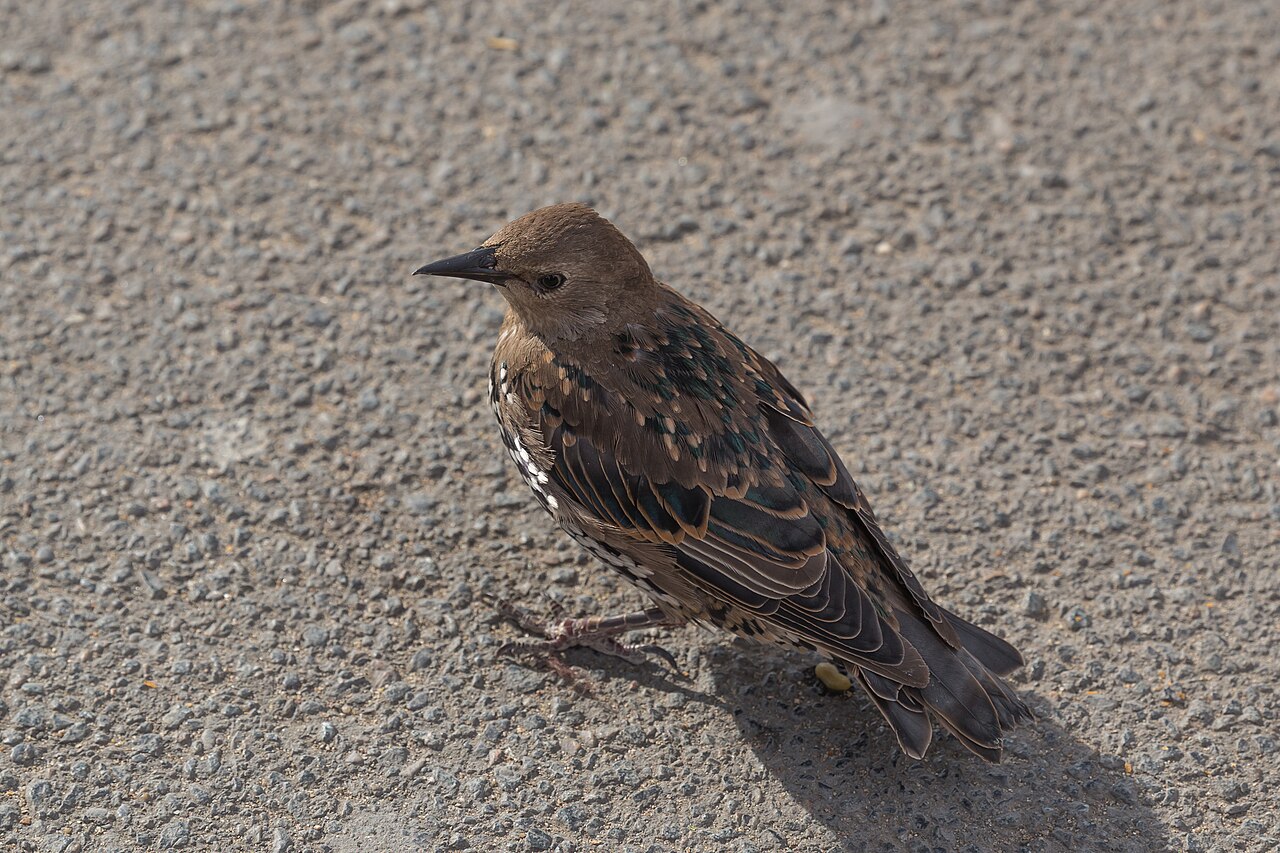
A bird has two kidneys tucked into hollows in the pelvis, and each drains into a ureter. In mammals those ureters run to a bladder. In birds they empty straight into the urodeum, the middle chamber of the cloaca, where the paste waits briefly alongside material arriving from the intestine and the reproductive tract.
The cloaca is not just a passive exit. Its walls reabsorb water from the waste before it leaves, which is why a healthy bird’s droppings are firm rather than soupy. In some species, waste even moves backward from the cloaca into the large intestine for a final round of water recovery, a trick that matters enormously to desert birds.
Why Birds Do Not Have a Bladder
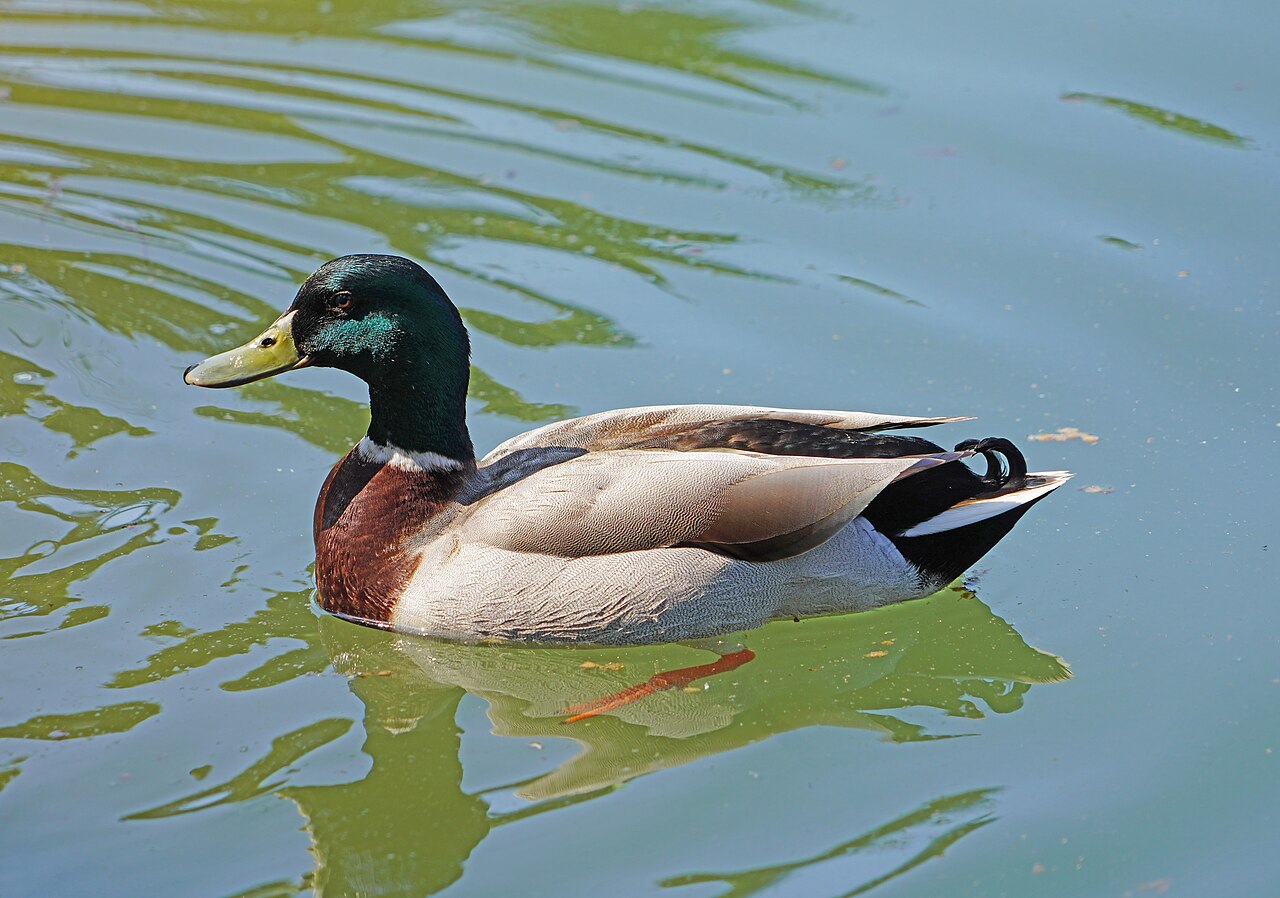
Weight is the usual explanation and it is a good one. A bladder full of liquid is dead mass that a flying animal has to lift on every wingbeat, and natural selection has stripped weight out of bird anatomy everywhere else too: hollow bones, no teeth, one functional ovary in most species. Carrying a reservoir of urine around would be the same kind of penalty.
Water conservation is the second reason. Uric acid needs only about a tenth of the water that mammals spend flushing out urea. That efficiency lets small birds go long stretches without drinking, which is part of how a hummingbird survives on nectar and tiny insects in dry chaparral.
Uric Acid vs Urea: Two Different Solutions
Mammals convert ammonia into urea, dissolve it in water, and flush it out. It is a cheap conversion that costs a lot of water. Birds, along with most reptiles and insects, spend more metabolic energy building uric acid instead, and get it back in water saved. Fish take the third path and simply dump ammonia straight into the water around them.
The deciding factor was probably the egg. A bird embryo develops inside a sealed shell with no way to remove waste for weeks. Urea would build up to toxic levels in that closed space. Uric acid crystallizes harmlessly in a sac called the allantois and stays there until hatching. Reptiles that lay shelled eggs, including the ball python, solved the problem the same way.
Do Any Birds Actually Pee Liquid?
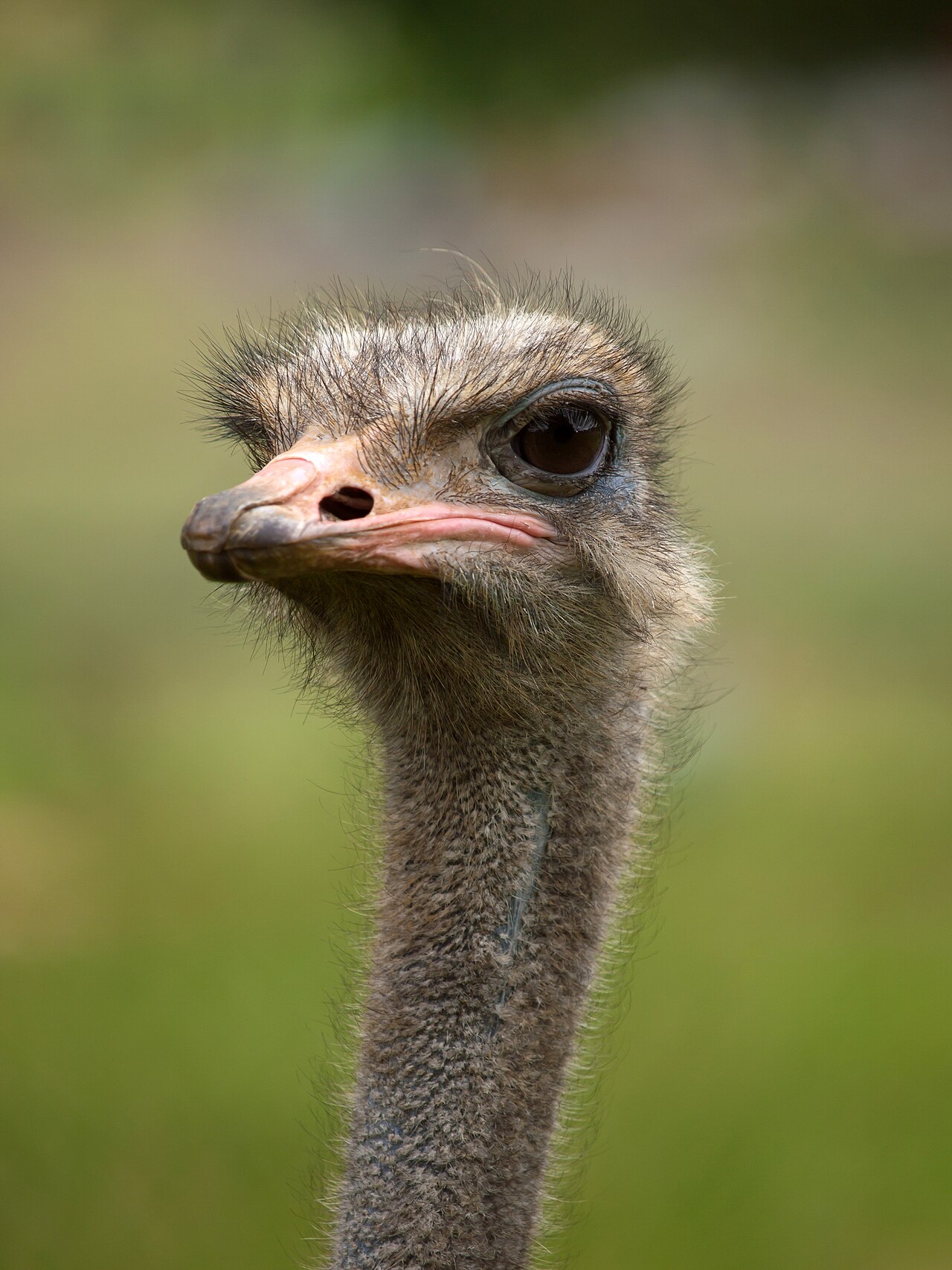
Ostriches do. Struthio camelus is the clearest exception, storing urine in an expanded region of the cloaca and releasing it as a genuine stream separately from its feces. Rheas show a similar separation. Both are large flightless ratites, which fits the weight argument neatly: an animal that never leaves the ground can afford to carry liquid.
Beyond the ratites, a few birds produce notably watery output for other reasons. Nectar feeders pass enormous volumes of dilute fluid, and some seabirds excrete concentrated salt through nasal glands rather than through the kidneys. None of that is peeing in the mammalian sense, but it does mean the flat rule taught in schools has more exceptions than most people assume.
How Often Do Birds Poop?
Frequently, and the smaller the bird, the more often. A small songbird may defecate every ten to fifteen minutes during active feeding, because a high metabolic rate demands constant eating and the gut is short. Pigeons average roughly every twenty minutes. Large raptors that eat one big meal may go many hours between droppings.
Many birds also defecate reflexively at takeoff to shed weight, which is the real reason so many droppings land on cars parked under perches. A feeding flock of American robins working a lawn in spring can coat a patio in an afternoon without anything being wrong with the birds.
What Bird Droppings Tell You About Diet and Health
Color, consistency, and the ratio of white to dark are all readable. Bright green or yellow urate instead of white suggests liver trouble in a pet bird. Blood in the dropping, undigested seed, or a sudden shift to watery output that lasts more than a day are all reasons to call an avian veterinarian rather than wait.
In wild birds, droppings under a roost identify the occupant. Owl droppings sit below pellets of bone and fur, heron droppings are copious and white, and fruit eating birds leave seeds that germinate in gutters. The stained tree that gives away an American kestrel nest cavity is doing the same job as a field sign.
Is Bird Poop Dangerous to Humans?
Usually not, but accumulations deserve respect. Dried droppings from large roosts of pigeons, starlings, or blackbirds can harbor the fungus Histoplasma capsulatum, and disturbing years of buildup in an attic or barn releases spores that cause histoplasmosis. Psittacosis and Cryptococcus are rarer concerns tied mostly to pet birds and pigeons.
A single splat on a jacket carries essentially no risk. Wash the skin, wash the fabric, and move on. The precautions that matter apply to cleanup of heavy deposits: wet the material down first so it cannot become airborne, wear an N95 respirator and gloves, and never dry sweep. The Cornell Lab of Ornithology keeps accessible species and behavior references at allaboutbirds.org.
Why Birds Poop on Cars and Fence Posts
Birds defecate where they perch, and cars sit under the same wires, eaves, and branches that birds have used for generations. Shiny surfaces make it worse in spring, when a bird sees its reflection in paint or glass, treats it as a rival, and spends hours attacking and marking the spot. Dark cars parked near fruiting trees take the heaviest hits.
Parking away from overhead cover solves most of it. Where that is not possible, removing the perch matters more than any repellent: trimming a branch, capping a post, or adding sloped covers on a ledge moves the birds a few feet away and takes the problem with them.
Do Baby Birds Pee in the Nest?
Nestlings produce the same combined waste as adults, but in most songbirds it arrives wrapped in a tough mucous membrane called a fecal sac. The parent takes the sac in its bill and either swallows it or carries it well away from the nest, which keeps the cup clean and removes the scent trail that would lead predators to it.
Not every group does this. Raptors and herons simply squirt waste over the rim, which is why nests of those species sit in a whitewashed ring visible from a long distance. If you are working through identifying a young bird you have found, the presence or absence of that whitewash around the nest is a useful clue to the family.
How Other Animals Compare
Reptiles share the bird pattern almost exactly: a cloaca, uric acid, and a white urate cap on the dropping. Mammals are the outliers among land vertebrates, paying a heavy water cost for liquid urine in exchange for a simpler metabolic pathway. Insects go further than birds and excrete nearly dry uric acid through Malpighian tubules.
Amphibians sit in between. A frog with constant access to water excretes urea like a mammal, and species adapted to dry conditions shift toward uric acid. Even a captive bird as ornamental as an albino peacock runs the same basic plumbing as a wild sparrow, because the system predates all of that variation.
Frequently Asked Questions
Do birds pee and poop out of the same hole?
Yes. Birds have a single opening called the cloaca that serves the digestive, urinary, and reproductive systems. Urinary waste as uric acid paste and fecal matter from the intestine both collect there and leave together. That is why a bird dropping always has a white component attached to a darker one.
Is bird pee the white stuff?
Yes. The white cap is uric acid, the bird equivalent of urine, and it is produced by the kidneys exactly the way mammal urine is. It looks nothing like urine because birds crystallize their nitrogen waste instead of dissolving it, which saves water and weight.
Do birds have bladders?
No. The ureters run straight from the kidneys to the cloaca with no storage organ in between. A small number of species, notably the ostrich, have an expanded cloacal chamber that functions somewhat like a bladder, but no bird has the true muscular bladder found in mammals.
Why is bird poop white and black?
Two different waste streams arrive at the cloaca at the same time. The white or cream portion is uric acid from the kidneys. The dark portion is digested food residue from the intestine. They are excreted together but are only partly mixed, so the two colors stay visibly separate in a fresh dropping.
Do birds fart?
Almost never. Birds lack the gut bacteria populations that produce large volumes of gas in mammals, and food moves through their digestive tract fast enough that fermentation has little time to occur. Birds are physically capable of passing gas, but it is rare enough that most keepers never observe it.
Does bird poop damage car paint?
It can. Uric acid is alkaline and etches clear coat, especially when heat expands and contracts the paint around a hardening dropping. Damage starts within a few hours in summer sun. Softening the spot with a wet cloth and lifting it off without rubbing prevents both the etching and the fine scratches from abrasive removal.