Can Chickens Eat Sweet Potatoes? Raw, Cooked, Skins and Vines
Chickens can eat sweet potatoes, and unlike their white cousins, the whole plant is fair game. Flesh, skin, leaves and vines are all safe for a backyard flock, because sweet potatoes belong to the morning glory family and carry none of the solanine that makes raw white potato risky.
The practical questions are about form rather than safety. Raw or cooked, peeled or not, how much per bird, and which Thanksgiving leftovers are quietly off limits. Those answers are what separate a useful winter treat from a trip to the vet.
Yes, chickens can eat sweet potatoes safely, raw or cooked, including the skin, leaves and vines. Cooked flesh is easier to digest and more readily eaten. Keep sweet potato within the 10 percent of the diet reserved for treats, and never feed it with butter, sugar, salt or marshmallows.
| Part or form | Safe for chickens? |
|---|---|
| Cooked flesh, plain | Yes, the best option |
| Raw flesh, chopped | Yes, but harder and less popular |
| Skin and peels | Yes, washed and free of mold |
| Leaves and vines | Yes, unlike white potato foliage |
| Casserole, fries, canned in syrup | No, too much sugar, fat and salt |
| Moldy or rotting tubers | No, mycotoxin risk |
Can Chickens Eat Sweet Potatoes?
Yes. Sweet potato (Ipomoea batatas) is safe for chickens in every part of the plant, which puts it in a small group of garden crops a flock can be turned loose on. Cooked chunks disappear fastest, raw pieces get eaten more slowly, and both are fine.
There is no preparation that makes them dangerous beyond what people add in the kitchen. The risks with sweet potatoes come from butter, brown sugar, salt and spoilage, not from the vegetable itself.
Raw vs Cooked Sweet Potato: Which Is Better?
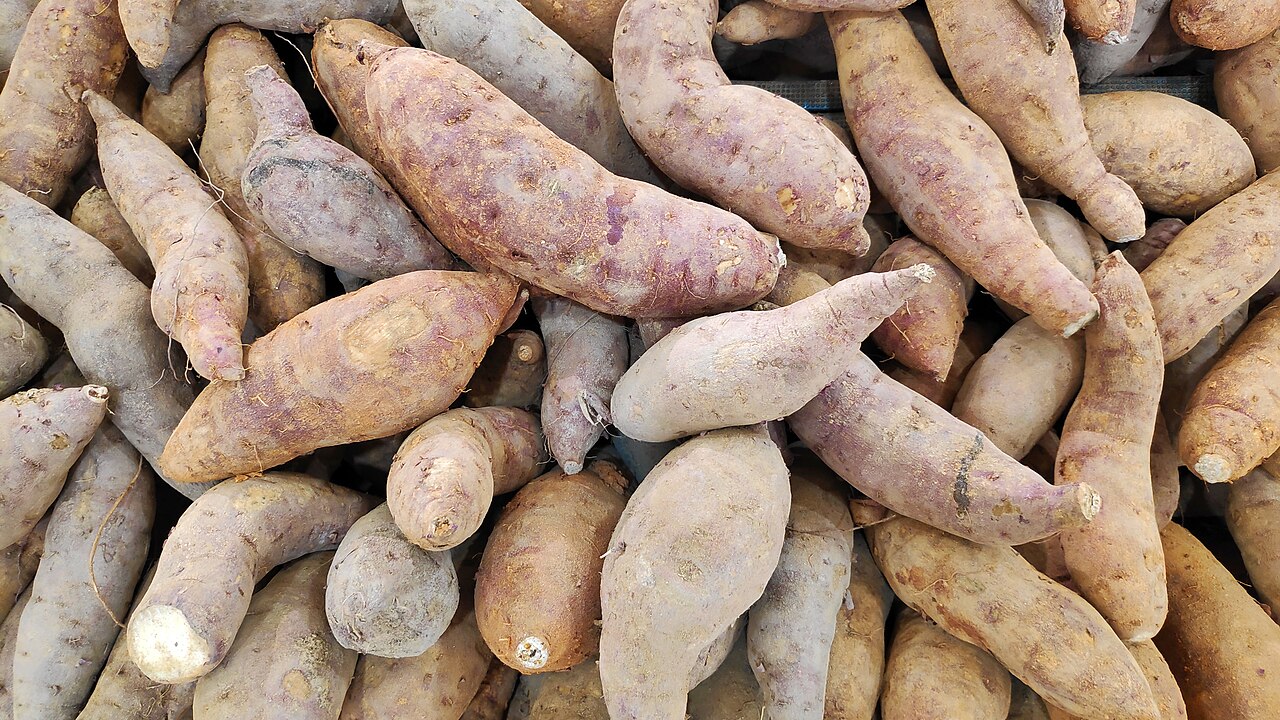
Cooked wins on digestibility. Heat breaks down the starch, which means a bird extracts more from the same piece, and soft cubes are easier for a hen to tear apart than a dense raw tuber.
Raw is still safe. Most flocks will pick at grated or thinly sliced raw sweet potato, though they often ignore thick raw chunks entirely. Boiling or baking without any seasoning takes ten minutes of effort and roughly doubles how much actually gets eaten.
Are Sweet Potato Skins Safe?
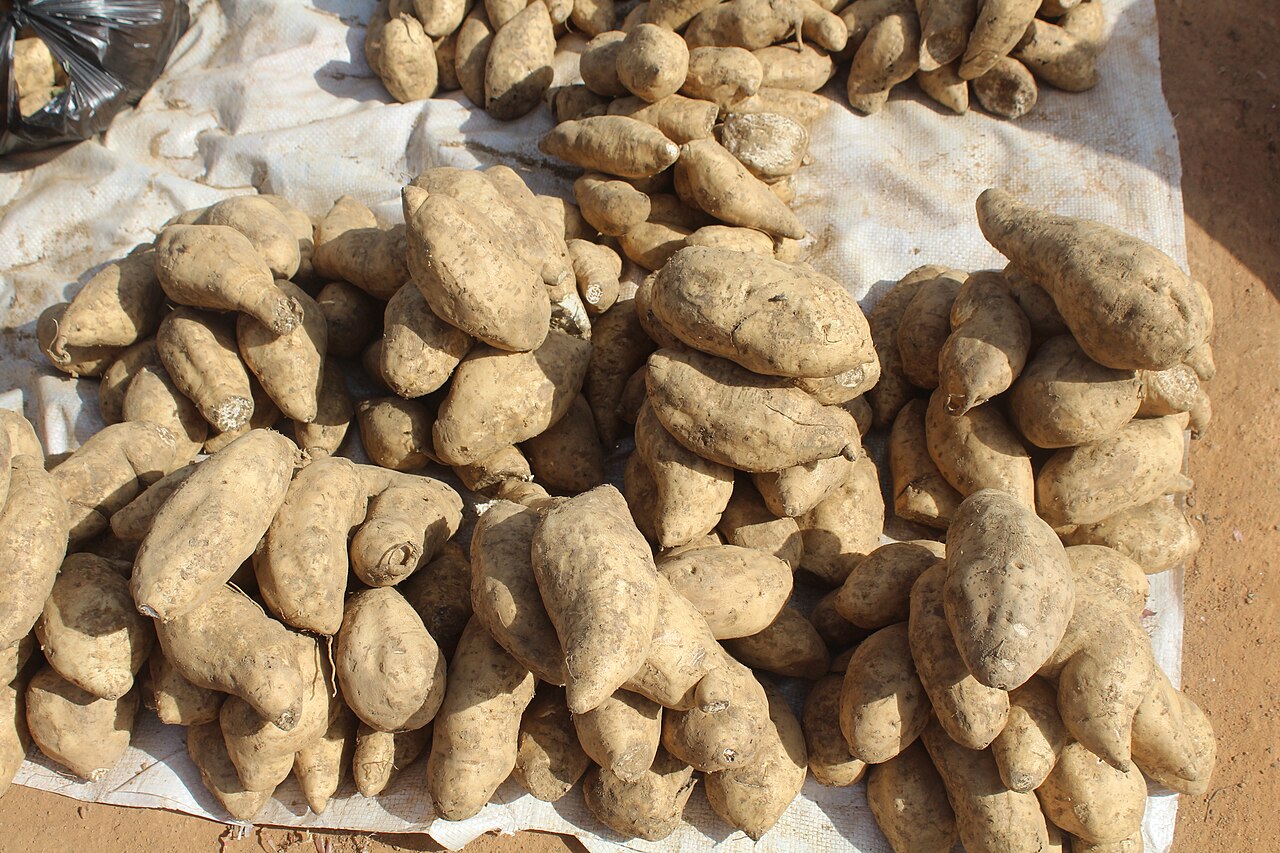
Skins are safe and worth feeding. Peels carry fiber and a good share of the tuber’s minerals, and chickens handle them without any issue as long as they are washed to remove soil and any residue.
Check peels for mold before tossing them out. Peelings that have been sitting in a compost bucket for several days are a different proposition from fresh ones, and moldy produce is the single most common way keepers accidentally poison a flock.
Next question: Can Chickens Eat Cherries? Pits, Portions, and Safety
Can Chickens Eat Sweet Potato Leaves and Vines?
Yes, and this is where sweet potatoes differ sharply from white potatoes. Sweet potato foliage is edible, nutritious and used as a livestock forage across much of the world, with a protein content in the leaves that rivals many legume greens.
Turning a flock into a spent sweet potato bed at the end of the season is a legitimate way to clear vines and feed birds at the same time. White potato foliage, by contrast, is genuinely toxic and should never be offered.
Sweet Potatoes vs White Potatoes: The Solanine Difference
Sweet potatoes are in the morning glory family, Convolvulaceae. White potatoes are nightshades, and their leaves, sprouts and green skin contain solanine, a glycoalkaloid that causes weakness, digestive upset and in serious cases death in poultry.
That is why every guide that warns about raw potato peels does not apply here. Advice from land grant programs such as UGA Extension keeps the two crops separate for exactly this reason, and so should any feeding plan for a flock.
What Nutrients Do Sweet Potatoes Provide?
Sweet potatoes are mostly carbohydrate, with about 86 calories and 20 g of carbohydrate per 100 g, plus fiber, potassium, manganese and a very large amount of beta carotene. A single medium tuber carries several times a bird’s daily vitamin A requirement in precursor form.
What they do not carry is protein or calcium in useful amounts. That makes sweet potato an energy and vitamin treat, not a feed, and layer ration still has to supply the shell building calcium and the amino acids a hen runs on.
Do Sweet Potatoes Make Yolks Darker?
They do, modestly. Beta carotene and related carotenoids are deposited in the yolk, so flocks eating orange fleshed sweet potato regularly tend to lay eggs with deeper yellow to orange yolks.
The effect takes a week or two to appear and fades just as slowly. It is a cosmetic change rather than a nutritional upgrade, though it does confirm the vitamin A precursor is being absorbed. Leafy greens and cabbage scraps do much the same thing.
How Much Sweet Potato Is Safe?
Keep sweet potato and all other extras under 10 percent of what the flock eats in a day. In practice that is roughly 1 to 2 tbsp of cooked cubes per standard hen, offered a few times a week rather than daily.
The reason is displacement, not toxicity. Sweet potato is filling and sweet enough that birds will choose it over pellets, and a flock running on treats shows it first in thin shells and then in dropped production.
How to Prepare Sweet Potatoes for Your Flock
Wash the tuber, cut it into pieces roughly 1 in (2.5 cm) across, and boil or bake it plain until soft. Let it cool to room temperature before serving, since chickens will burn their mouths on hot food and then refuse it afterward.
Mashed sweet potato mixed into a bit of layer crumble makes a good cold weather warm mash, and it is an easy vehicle for anything else the flock is slow to eat. Scattering the cubes rather than dumping them encourages foraging and keeps a dominant heavy breed from claiming the whole portion.
Sweet Potato Forms to Avoid
Skip anything that went through a holiday kitchen. Casseroles carry butter, brown sugar and marshmallow, candied yams are mostly syrup, and sweet potato fries add salt and cooking oil. None of it is acutely toxic in a bite, but none of it belongs in a regular diet either.
Canned sweet potato packed in syrup has the same problem. Also discard tubers that have gone soft, slimy or fuzzy, since mold on stored root vegetables produces toxins that damage the liver. The same rule governs every scrap you hand over, whether that is squash, citrus or anything else from the kitchen. For the full list of safe and unsafe extras, see what chickens can eat, and for another fall garden staple, whether chickens can eat pumpkin seeds.
Frequently Asked Questions
Can chickens eat raw sweet potatoes?
Yes, raw sweet potato is safe for chickens because it contains no solanine. Birds often ignore thick raw chunks, so grating or slicing it thin helps. Cooked sweet potato is softer, easier to digest and far more popular with a flock, which is why most keepers boil or bake it first.
Are sweet potato vines and leaves safe for chickens?
Yes. Sweet potato is a morning glory, not a nightshade, so its leaves and vines are edible and used as livestock forage worldwide. Letting a flock clear a spent sweet potato bed is perfectly safe. White potato foliage is the opposite case and must always be kept away from birds.
How much sweet potato can chickens eat?
Around 1 to 2 tbsp of cooked cubes per standard hen, a few times a week, keeps sweet potato inside the 10 percent treat allowance. More than that displaces layer feed, which supplies the calcium and protein a laying hen needs for shell quality and steady production.
Can chickens eat sweet potato skins?
Yes, washed sweet potato skins and peelings are safe and carry useful fiber and minerals. Rinse off soil before feeding and discard any peels that have started to mold in a compost bucket, since mycotoxins from spoiled produce are one of the more common poisoning risks in backyard flocks.
Can chicks eat sweet potatoes?
Chicks over about six weeks can have small amounts of cooked, mashed sweet potato with chick grit available. Younger chicks should stay on starter feed alone, since their nutritional needs are tightly balanced and treats at that age simply reduce the protein intake a fast growing bird depends on.
Explore more: What Can Chickens Eat? The Complete Safe Foods List