Can Chickens Eat Bell Peppers? Yes, But Not the Whole Plant
Chickens can eat bell peppers, and most flocks love them. The fruit of Capsicum annuum, flesh, seeds and white pith, is safe for adult hens in any color. The rest of the plant is not. Bell peppers are nightshades, and the leaves, stems and flowers carry solanine, the compound that makes potato foliage toxic.
That distinction settles almost every version of this question. Whole peppers tossed in the run are fine, garden plants thrown over the fence are not. Everything else is portion size.
Yes, chickens can eat bell peppers safely. The fruit, seeds and pith of red, yellow, orange and green bell peppers are all non toxic to adult chickens. The leaves, stems and flowers contain solanine and should never be fed. Keep bell peppers and all other treats to about 10 percent of the daily diet.
| Part of the plant | Safe for chickens? | Notes |
|---|---|---|
| Ripe red, yellow or orange fruit | Yes | Highest vitamin C and carotenoids |
| Green (unripe) fruit | Yes, in moderation | Trace solanine, still far below a harmful dose |
| Seeds and inner pith | Yes | No capsaicin in bell peppers, no need to remove |
| Stem and calyx (the green cap) | No | Cut it off before feeding |
| Leaves and vines | No | Solanine, keep garden clippings out of the run |
| Flowers | No | Same nightshade alkaloids as the leaves |
Can Chickens Eat Bell Peppers Raw or Cooked?
Raw is better. A raw bell pepper holds its vitamin C, and chickens enjoy tearing the flesh apart, which occupies a bored flock far longer than chopped food does. Halve the pepper, cut off the stem, and put it straight in the run. Many keepers hang a whole pepper on a string.
Cooked is also safe as long as nothing has been added. Plain steamed or roasted pepper with no salt, oil, onion or garlic suits older hens or a bird recovering from illness. Avoid leftovers from your own plate; seasoning, not the pepper, causes the problems.
Can Chickens Eat Bell Pepper Seeds and Stems?
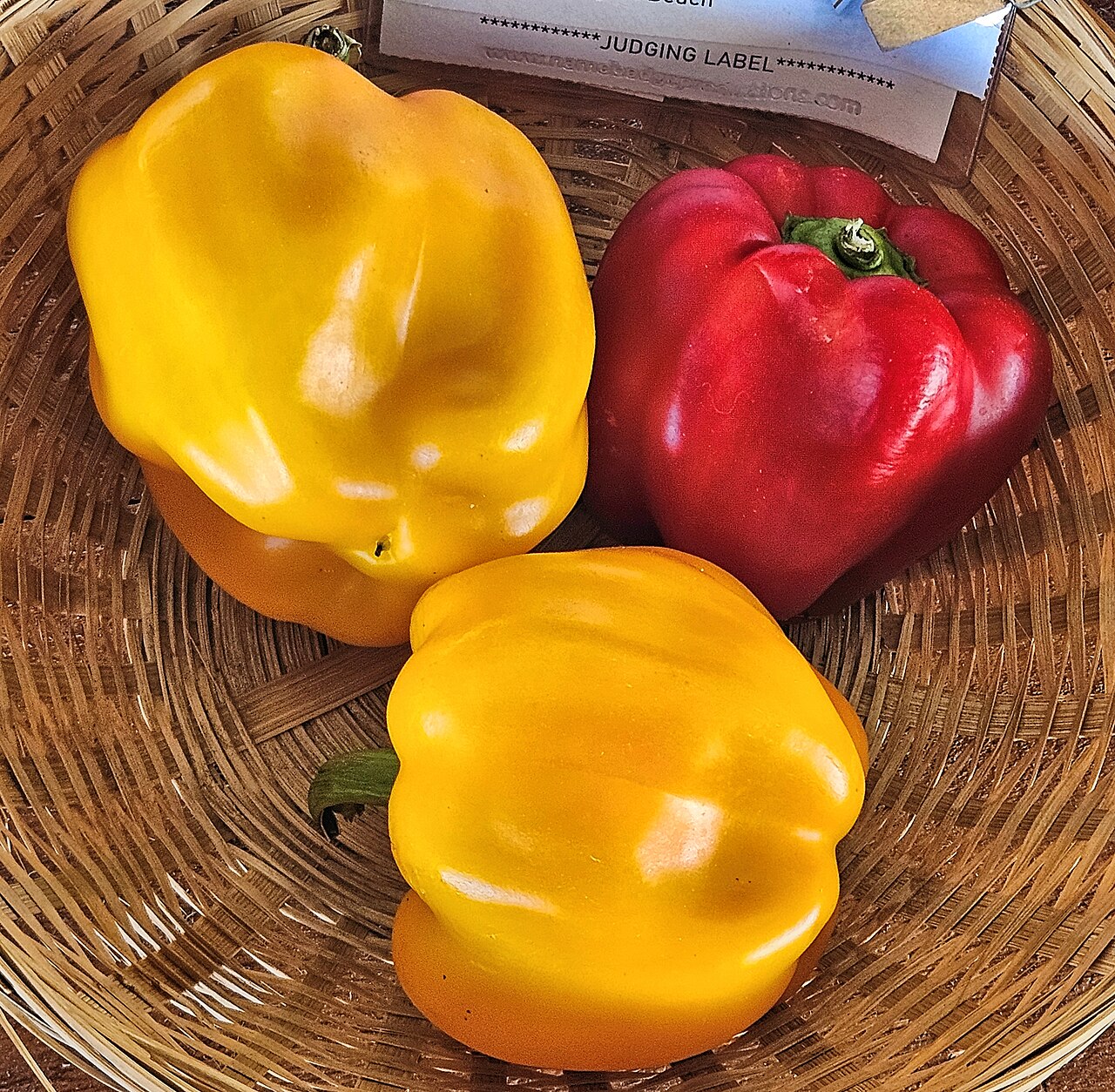
Seeds yes, stems no. Bell pepper seeds contain no capsaicin, and birds cannot taste capsaicin anyway because they lack the receptor mammals have. There is no reason to scrape the seeds out, and the pith they sit on is one of the more nutritious parts of the fruit.
The green stem and the calyx around it are plant tissue, not fruit, and carry the same alkaloids as the leaves. One stem will not harm a full grown hen, but there is no benefit either. Slice it off and compost it. The same rule applies to tomato plants, another nightshade with safe fruit and toxic foliage.
Can Chickens Eat Bell Peppers Everyday?
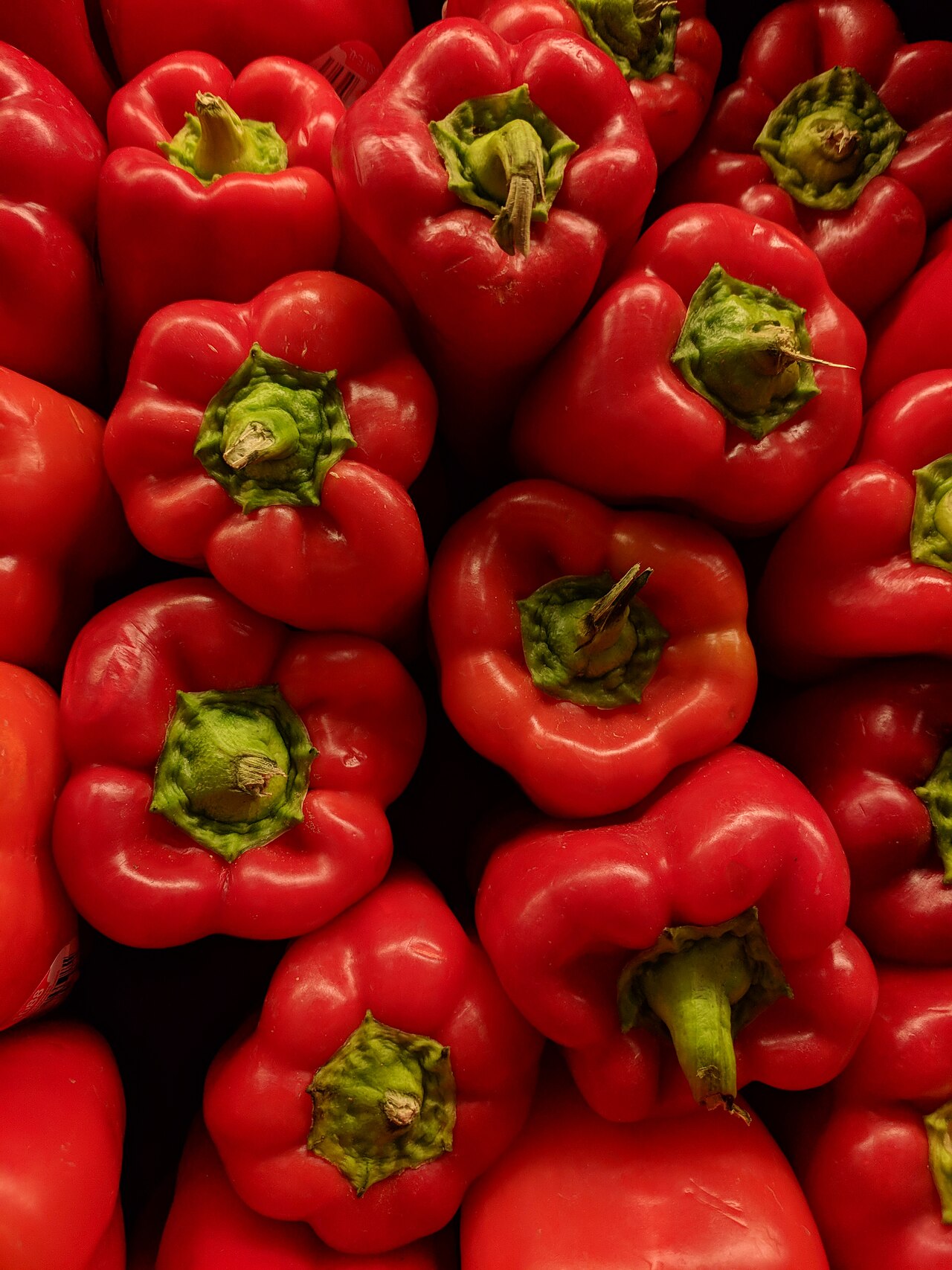
They can, but they should not need to. The 90/10 rule is the backyard standard: at least 90 percent of what a hen eats is complete layer feed, and everything else fits in the remaining 10 percent. For a hen eating 4 oz (115 g) of feed a day, that is about 0.4 oz (11 g) of treats.
Peppers are mostly water, so a daily half pepper shared across a flock of six stays inside that limit. The real risk is dilution: birds that fill up on produce eat less balanced feed, and calcium and protein drop first. Thin shells and a dip in laying are the early signs. Rotate peppers with cabbage and apples.
What Vegetables Should You Not Feed Chickens?
Raw or green potatoes and all potato foliage top the list, for the same solanine reason that rules out pepper leaves. Raw dried beans contain phytohaemagglutinin and can kill a hen within hours; cooked beans are fine. Rhubarb leaves carry oxalic acid, and avocado skin and pit contain persin.
Onions in quantity damage red blood cells, and anything moldy, salty or heavily processed stays out of the run. The Merck Veterinary Manual covers plant toxicoses in poultry in clinical detail.
What Is the Number One Killer of Chickens?
Predators, by a wide margin. Raccoons, foxes, hawks, dogs and rats kill more backyard chickens than every disease and diet mistake combined, and most losses happen at night. Hardware cloth instead of chicken wire, and a latch a raccoon cannot work, fix most of it.
Among health causes, the leaders are internal parasites, Marek’s disease in unvaccinated birds, and reproductive failures such as egg binding in high production hybrids. Diet related deaths are rare, but they are the ones fully under your control.
What Age Can Chickens Eat Bell Peppers?
Wait until chicks are about 4 weeks old and introduce peppers in tiny pieces. Younger chicks need every bite to be starter feed, because their growth rate leaves no room for low protein filler. They also need grit before any solid food other than crumble, since the gizzard cannot grind plant matter without it.
From roughly 8 weeks a grower handles chopped pepper as a normal treat, and from point of lay a bird eats it as an adult does. Small breeds need smaller portions; a bantam eats about half what a standard hen does, so halve the treat too.
Frequently Asked Questions
Can baby chickens eat bell peppers?
Not in the first month. Chicks under about 4 weeks should eat starter feed almost exclusively, because treats displace the protein they need to grow. After 4 weeks, finely chopped bell pepper in very small amounts is fine, provided the chicks also have chick grit.
Can chickens eat banana peppers?
Yes. Banana peppers, jalapenos and other hot varieties are safe because birds lack the receptor that responds to capsaicin and do not register the heat. The fruit is harmless, the leaves and stems are not, and hot peppers still count against the 10 percent treat allowance.
Can chickens eat bell pepper leaves?
No. The leaves, vines and flowers contain solanine, the nightshade alkaloid that also makes potato foliage toxic. Never throw pepper plants or end of season prunings into the run. Compost spent plants and fence the vegetable bed if the flock free ranges near it.
What is a superfood for chickens?
There is no single one. The closest contenders are mealworms and black soldier fly larvae for protein during molt, and leafy greens such as kale and Swiss chard for vitamins and carotenoids. Pumpkin seeds and fermented feed get named often too. None replace a complete layer ration; they supplement it.
Do hens like to be petted?
Some do, most tolerate it, and it depends on breed and handling from chick age. Orpingtons, Silkies and Cochins accept contact readily, while flighty Mediterranean breeds rarely enjoy it. Hens that like handling prefer being stroked on the back and neck rather than lifted.
What food do chickens go crazy for?
Live protein wins every time. Mealworms, grubs and anything that moves outrank produce instantly. After that come corn, grapes, watermelon and strawberries, which are sweet, high water and easy to tear apart. Bell peppers sit mid pack: readily eaten, rarely the thing a flock sprints for.