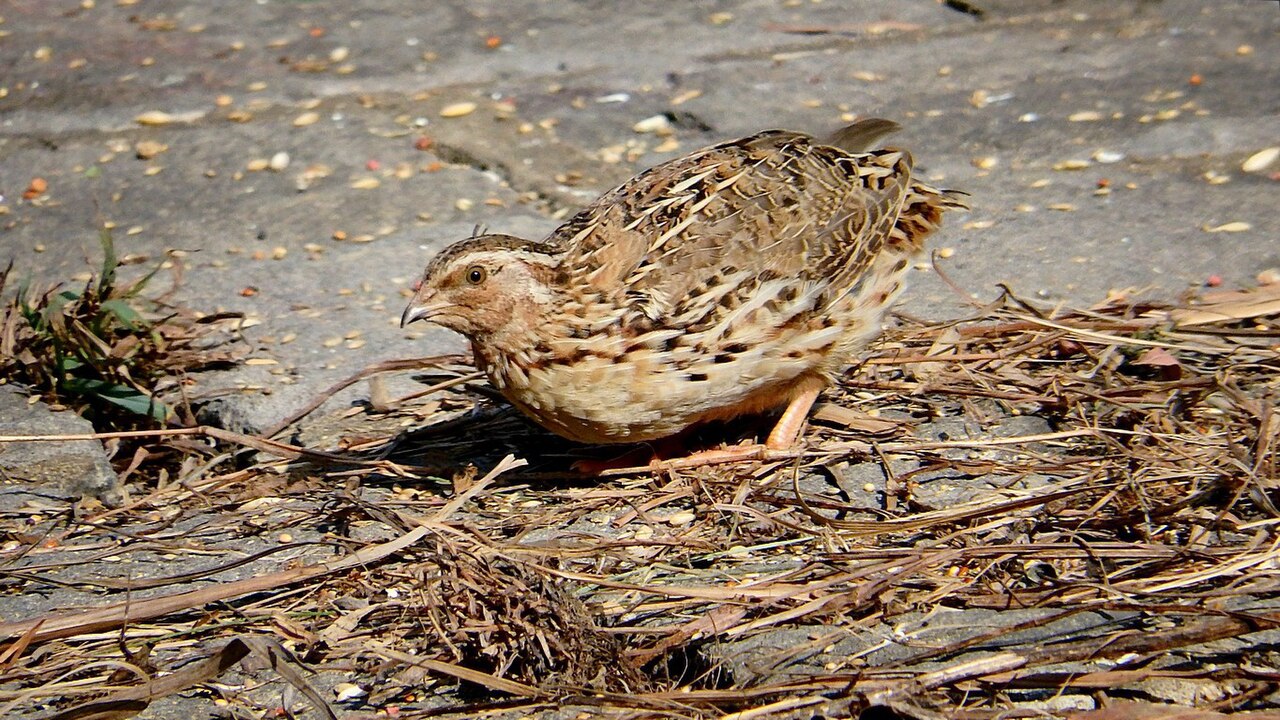
Coturnix Quail
Coturnix quail, also called Japanese quail, are small, fast-maturing game birds prized by backyard poultry keepers for their remarkable egg production and tiny space requirements. A single hen can lay close to 300 eggs a year, reaching laying age at just six to eight weeks old, all while needing only about one square foot of cage space per bird.
Scientifically known as Coturnix japonica, these compact, quiet birds have become one of the most popular poultry choices for urban homesteaders, small backyards, and even indoor setups where keeping chickens simply isn’t practical or legal.
| Quick Reference | Detail |
|---|---|
| Scientific Name | Coturnix japonica |
| Weight | 6 to 8 ounces (170 to 225 grams) |
| Time to Lay | 6 to 8 weeks |
| Egg Production | Up to 300 eggs per year per hen |
| Incubation Period | 17 to 18 days |
| Space Needed | About 1 square foot per bird |
| Lifespan | 1.5 to 2.5 years on average |
What Is a Coturnix Quail?
The Coturnix quail is a small, compact game bird, typically weighing 6 to 8 ounces and measuring around 6 inches long, with a mix of brown, gray, and white plumage and a distinctive darker crown patch on top of the head, a far more subdued look than the vivid patterning seen on ornamental birds like golden pheasants. Males are usually more vividly marked than females, a color difference that also makes sexing a flock relatively straightforward once birds mature, typically by around three to four weeks of age when adult feathering has largely come in.
Domestication traces back roughly to the 12th century in Japan, and the birds nearly vanished as an egg-producing line during World War II, when wartime disruption pushed Japan’s domestic quail industry to the brink of collapse; most modern egg-laying Coturnix lines descend from the small population that survived that period. Selective breeding since then has produced a calmer, heavier, and far more productive bird than its wild ancestors, in much the same way generations of selective breeding have shaped the many other quail varieties now popular in backyard flocks.
Decades of hobbyist breeding have also produced a wide range of color varieties beyond the standard wild-type brown and gray pattern, including solid white, deep chocolate-brown, and even striking pied combinations of white and brown feathering. Breeders selecting for a particular color still need to watch fertility and vigor closely, since focusing too heavily on appearance alone can gradually erode the very productivity traits that make Coturnix quail worth keeping in the first place.
Why Coturnix Quail Are So Popular With Backyard Keepers
Few poultry species can match the sheer speed of a Coturnix’s life cycle: chicks hatch in just 17 to 18 days, reach full size by around six weeks, and begin laying eggs at six to eight weeks old, a fraction of the timeline required for a standard laying hen or even most ornamental pheasant breeds. This rapid turnaround makes them appealing for anyone who wants fast results, whether the goal is eggs, meat, or simply the experience of raising poultry without committing years to see a return on the effort involved.
Space efficiency is just as big a draw. Where chickens typically need eight to ten square feet per bird, Coturnix quail thrive on roughly one square foot each in a secure, well-ventilated cage, making them realistic for small backyards, garages, and even indoor rooms in a way chickens rarely are. A male Coturnix’s call is also far quieter and doesn’t carry nearly as far as a rooster’s crow, which is part of why some keepers have successfully raised them in apartments and suburban lots without complaints from neighbors, something that would be all but impossible with even a single crowing rooster nearby.
Coturnix Quail Eggs: What to Expect
A healthy, well-managed hen can produce close to 300 eggs a year once she reaches maturity, provided she gets 14 to 16 hours of light per day and a consistent high-protein feed. Eggs are notably small compared to a chicken egg but nutrient-dense, and they come in a range of natural colors including speckled brown, cream, white, and even a pale bluish tint, with each hen tending to lay a fairly consistent pattern that experienced keepers can eventually use to identify which bird laid which egg simply by checking the nest box each morning.
No male is required for hens to lay eggs at all; a male is only necessary if you intend to hatch fertile eggs, and most keepers maintain a ratio of roughly one male for every four to five females to avoid excess aggression among competing males. Because the shells are noticeably thinner and more fragile than chicken eggshells, gentle daily collection and careful handling matter more than they would with standard poultry, and many keepers collect eggs by hand into a soft-lined basket rather than simply gathering them loose in a bucket the way they might with chicken eggs.
Incubating and Hatching Coturnix Quail
Coturnix quail eggs require an incubation period of 17 to 18 days, several days shorter than the 21-day cycle needed for chicken eggs, which allows for a much faster breeding turnaround. Standard incubation settings run around 99.5 to 100.5 degrees Fahrenheit with roughly 45 percent relative humidity for the first two weeks, with eggs turned two to three times daily until they enter “lockdown” a few days before hatching, at which point turning stops entirely to let the chick settle into position for hatching.
Domesticated Coturnix have largely lost the natural instinct to brood their own eggs, so nearly all commercial and hobby hatching today relies on artificial incubators rather than a hen sitting on a clutch. Chicks emerge already able to walk, eat, and drink largely on their own, though they still need a warm brooder and careful attention for the first several weeks of life, including a shallow water source, since young quail chicks can easily drown even in a standard poultry waterer built for slightly larger chicks.
What Do Coturnix Quail Eat?
In the wild, Coturnix quail are omnivorous, foraging for both seeds, grains, and green plant matter as well as insects and other small invertebrates, not unlike the varied diet many backyard keepers already know from watching crickets and other small insects move through the same garden beds. In captivity, that natural diet is typically replaced with a commercial game bird feed or turkey starter formulated with 18 to 22 percent protein, a notably higher protein requirement than most standard chicken feed provides.
Consistent nutrition directly affects egg output, so keepers aiming for steady production usually stick to a dedicated layer-appropriate game bird feed rather than mixing in lower-protein chicken feed, which can quietly reduce laying rates over time even though the birds appear otherwise healthy.
Housing and Care Requirements
According to poultry extension specialists at Mississippi State University, proper housing, feeding, and light management are central to keeping a quail flock healthy and productive, with careful attention to preventing cannibalism being far easier than trying to correct it once it starts in a stressed flock. Good ventilation is essential, since ammonia buildup from droppings in an under-ventilated cage is a leading cause of respiratory illness in quail, and even a well-designed setup can turn unhealthy quickly if airflow is neglected.
Secure housing matters just as much as space and airflow, since quail are vulnerable to nearly every common backyard predator; hardware cloth with openings no larger than half an inch is generally recommended to keep out snakes, rodents, and other threats that could otherwise slip through standard chicken wire. Unlike a larger, more territorial bird like the button quail, Coturnix quail tolerate being housed at somewhat higher density, though overcrowding still increases stress and aggression, and keepers should always have a backup plan for separating a bird that starts showing signs of being bullied by cage mates before injuries become serious.
Coturnix Quail for Eggs vs. Meat
Many keepers raise Coturnix quail specifically for their prolific egg output, but the same fast growth rate that gets hens laying quickly also makes the species a practical meat bird, typically ready for harvest at 8 to 10 weeks old. Dressed birds yield roughly 70 to 75 percent of their live weight, and their small size means a single quail makes a tidy, single-serving portion rather than requiring extensive butchering and portioning like a larger bird.
Because Coturnix quail convert feed to body weight efficiently compared to many other small livestock options, some backyard producers raise them for meat specifically because of the relatively low feed cost per pound of usable meat, alongside the egg production most keepers start out chasing in the first place. Processing at home is generally straightforward given the bird’s small size, with most hobbyists using simple hand-plucking or skinning methods rather than the more elaborate equipment larger poultry operations rely on.
Whichever purpose draws a keeper to Coturnix quail first, most eventually end up managing a flock for both eggs and meat simultaneously, culling older or lower-producing hens for the table while keeping younger, more productive birds in the laying flock, a practical approach that keeps the whole operation self-sustaining without needing to bring in new stock constantly from an outside hatchery or breeder.
Related reading: Polish Chicken.
Related reading: Guinea Fowl.
Frequently Asked Questions
How many eggs does a Coturnix quail lay per year?
A healthy, well-managed hen can lay close to 300 eggs a year, often close to one egg per day once she reaches maturity around six to eight weeks old.
How much space does a Coturnix quail need?
Roughly one square foot per bird in a secure, well-ventilated cage is the standard recommendation, far less than the eight to ten square feet chickens typically require.
Do you need a male Coturnix quail for egg production?
No, hens lay unfertilized eggs on their own. A male is only needed if you want to hatch fertile eggs and produce chicks.
How long does it take for Coturnix quail eggs to hatch?
Coturnix quail eggs take 17 to 18 days to hatch, several days faster than the 21-day incubation period needed for chicken eggs.
Are Coturnix quail noisy?
They are much quieter than chickens overall. A male’s call doesn’t carry nearly as far as a rooster’s crow, though females can chirp loudly when active or startled.
How long do Coturnix quail live?
Their average lifespan is relatively short, typically 1.5 to 2.5 years, even with good care, which is considerably shorter than the several years a backyard chicken might typically live under similar conditions.
What do Coturnix quail eat?
In captivity they’re typically fed a high-protein commercial game bird feed or turkey starter, since they naturally require more protein than standard chicken feed provides.