Can Chickens Eat Cilantro? Safe Amounts, Stems and Seeds
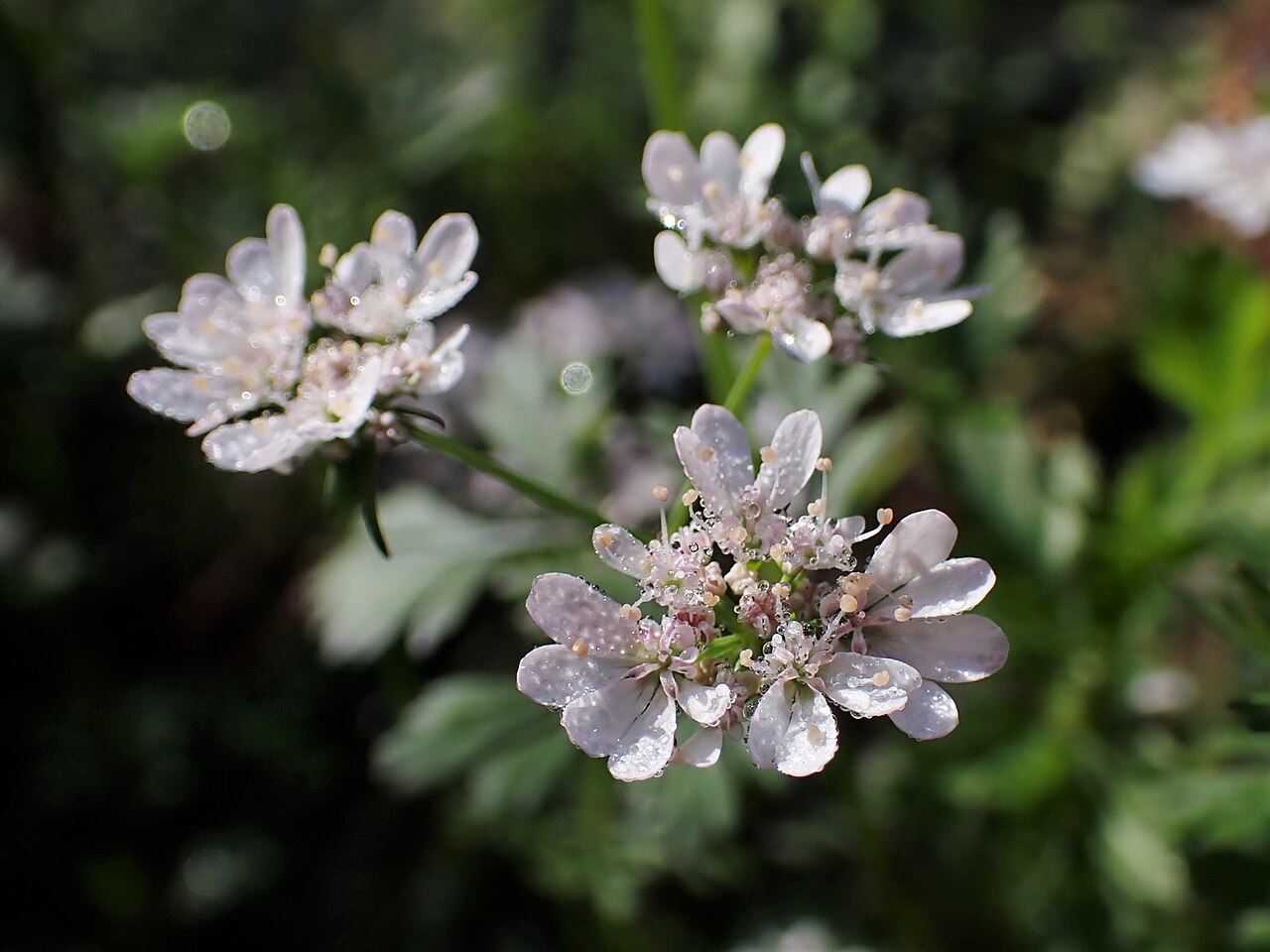
Chickens can eat cilantro, and most flocks go after it the moment it hits the run. Cilantro (Coriandrum sativum) is non toxic to poultry, high in vitamin K, vitamin A and calcium, and safe to offer fresh, chopped, or dried into feed. Nothing in the leaf, stem, or seed needs to be removed first.
The useful question is not whether chickens can eat cilantro but how much belongs in a balanced diet. Below is what the herb does for a laying flock, the daily amount that keeps layer feed in charge, and the short list of greens that do not belong in a coop.
Yes, chickens can eat cilantro safely. Leaves, stems, and coriander seeds are all edible and non toxic. Serve it raw as a treat, not a meal: cilantro and every other extra should stay under 10 percent of daily intake, roughly one small handful of fresh herb per bird per day.
| Part of the plant | Safe to feed | What to know |
|---|---|---|
| Fresh leaves | Yes | The part flocks eat first. Chop or hang in a bunch. |
| Stems | Yes | Tougher, often ignored by young birds. Chop small. |
| Coriander seeds | Yes | Fine in small amounts, best scattered as scratch. |
| Roots | Yes | Edible but rarely worth the effort. Rinse off soil. |
| Cooked cilantro | Yes | Safe if plain. No salt, butter, oil, or garlic sauce. |
| Dried cilantro | Yes | Keeps year round, crumble over feed in winter. |
| Wilted or slimy | No | Mold risk. Compost anything past its prime. |
Can Chickens Eat Cilantro Raw or Cooked?
Raw is the better option, and it is the form chickens prefer. Fresh leaves keep their vitamin C and their moisture, which matters in summer heat when birds cut back on feed. Toss a chopped handful into the run, or tie a bunch to the fence at head height so the flock has to work for it and stays busy.
Cooked cilantro is safe as long as it is plain. Herb stirred through a leftover rice dish is a problem not because of the cilantro but because of the salt, oil, onion, and garlic that came with it. Chickens handle sodium poorly, so kitchen scraps carrying seasoning are worth skipping entirely. The same rule applies to cooked mushrooms and other prepared leftovers.
What Cilantro Actually Does for a Flock
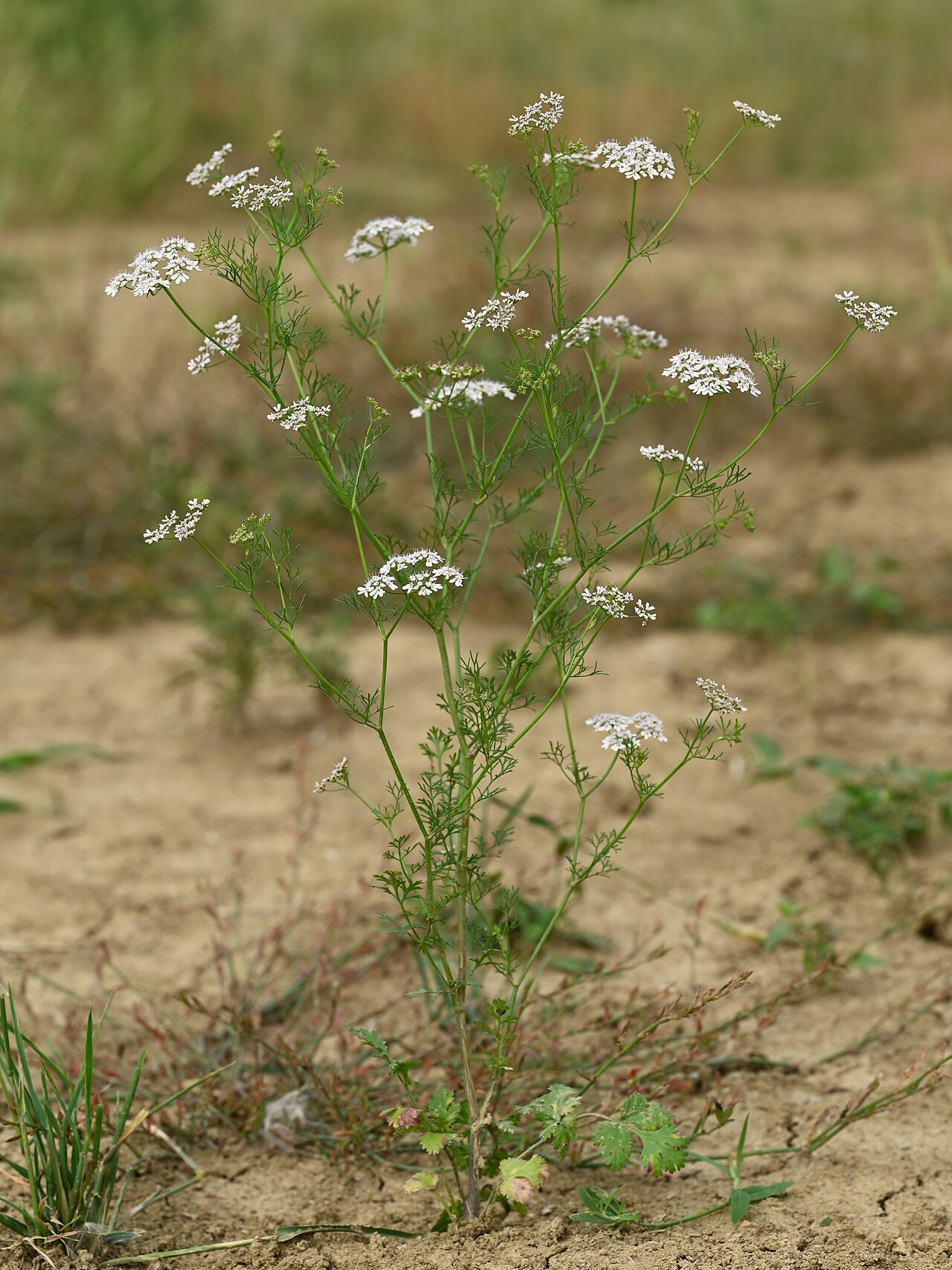
Cilantro delivers vitamin K, vitamin A, and a useful dose of calcium, which supports blood clotting, immune function, and shell quality in layers. It also carries antioxidants and trace minerals such as manganese and potassium. None of this replaces a complete layer feed, but a regular green supplement helps birds that spend most of the year in a covered run with limited forage.
The bigger benefit is behavioral. Herbs give a confined flock something to shred and chase, which cuts feather picking and boredom pecking. Hanging greens works the same way as scattering grapes or strawberries across the litter: the point is the foraging, not the calories.
How Much Cilantro Can Chickens Eat Every Day?
Treats of every kind should stay under 10 percent of what a bird eats in a day, which works out to roughly one small handful of fresh cilantro per adult chicken. A standard laying hen eats about 4 oz (115 g) of feed daily, so the treat share is around 0.4 oz (11 g). Cilantro is mostly water, so a handful looks generous and weighs almost nothing.
Daily feeding is fine at that level. Problems start when greens crowd out balanced feed: birds fill up on low protein bulk, protein intake drops, and egg size follows within a couple of weeks. Feed the herb after the flock has eaten in the morning, not before, and the ratio takes care of itself.
Next question: Can Chickens Eat Tomatoes? Ripe, Green, and Plant Safety
Can Chickens Eat Cilantro Stems and Seeds?
Both are safe, and neither needs special handling. Stems are simply tougher than the leaf, so chop them into short pieces for bantams and young pullets that struggle with fibrous material. Adult standard breeds tear stems apart without help. Nothing in the stem is toxic, and there is no reason to trim a bunch before feeding it.
Coriander seeds, the dried fruit of the same plant, are also edible. Scatter a teaspoon across the litter as scratch rather than mixing them into feed. Bolted cilantro in a garden bed is therefore not wasted: let it go to seed and the flock will clean up whatever drops, the same way they work over spent pepper plants at the end of the season.
What Vegetables Are Not Good for Chickens?
A short list of garden plants is genuinely dangerous, and it is worth knowing before clearing beds into the run. Raw or dried beans contain phytohaemagglutinin and can kill a chicken outright. Green potato skins, potato sprouts, and the leaves of tomato, pepper, and eggplant carry solanine. Rhubarb leaves hold oxalic acid, and avocado skin and pit contain persin.
Onion and garlic in quantity can damage red blood cells, though the trace amounts in a scrap of leftovers rarely matter. Everything else in a normal vegetable garden is fair game, including the cabbage family, which holds up well as a hanging treat. The University of Minnesota Extension keeps practical guidance on small flock feeding at extension.umn.edu.
What Is the Number One Killer of Chickens?
Predators are, by a wide margin, and diet problems do not come close. Raccoons, foxes, hawks, owls, dogs, and rats account for most backyard flock losses, usually at night through a gap nobody checked. Hardware cloth over every opening and a closed coop at dusk prevent more deaths than any feeding decision.
Among health causes, coccidiosis leads in chicks and Marek’s disease in young birds, while egg binding takes older hens. Herbs prevent none of these. Treats matter for egg quality, not survival, which is worth remembering before buying supplements instead of fencing.
Frequently Asked Questions
What herbs will chickens not eat?
Most flocks refuse strongly aromatic herbs such as rosemary, sage, lavender, and mint, and many birds ignore cilantro at first simply because it is unfamiliar. Refusal is not the same as danger. All four are non toxic, so leftovers can stay in the run without risk.
What are the best herbs to feed chickens?
Parsley, cilantro, basil, oregano, and thyme are the reliable ones: palatable, nutrient dense, and easy to grow in quantity. Oregano and thyme are often planted near coops for their aromatic oils. Rotate two or three rather than feeding one herb every day.
What herbs deworm chickens?
None of them do, despite widespread claims for garlic, oregano, pumpkin seeds, and wormwood. These may support gut health, but no herb clears an established worm burden. A confirmed infestation needs a veterinary anthelmintic and a fecal test to identify the parasite first.
Can chickens eat cilantro and parsley together?
Yes, and the mix is better than either alone. Parsley adds vitamin C and iron, cilantro adds vitamin K and calcium, and both are non toxic in the amounts a chicken will eat. Keep the combined handful inside the same 10 percent treat allowance.
Can chickens eat cilantro every day?
They can, provided the portion stays small and layer feed remains the base of the diet. A handful per bird per day is fine indefinitely. Rotating cilantro with other greens is still better, since variety spreads the nutrient load and keeps the flock interested in treats.
Can chickens eat cilantro in the winter?
Yes, and winter is when greens are most welcome. Fresh cilantro is often unavailable or expensive, so dried cilantro crumbled over feed works well, as do sprouted seeds grown indoors. Frozen herb thawed to room temperature is fine; avoid serving anything still frozen solid.
Explore more: What Can Chickens Eat? The Complete Safe Foods List