Can Chickens Eat Mushrooms? Safe vs Toxic Varieties
Chickens can eat plain, fully cooked store-bought mushrooms in small amounts, but wild mushrooms picked from a yard or nearby woods should never be fed or allowed, since many wild species are toxic and even experienced foragers can misidentify a dangerous one. Store-bought varieties like button, cremini, and portobello are the safe choice when mushroom is offered at all.
The distinction between store-bought and wild is the entire safety question here, not whether mushrooms as a category are generally fine. A flock with yard access that might peck at wild mushrooms growing after rain needs active management, since chickens cannot reliably tell a safe mushroom from a toxic one any better than an untrained person can. This guide covers what’s actually safe, what to avoid, and what to do if a toxic mushroom gets eaten.
Chickens can eat small amounts of plain, cooked store-bought mushrooms like button or cremini, but wild mushrooms should never be fed or allowed, since many species are toxic and misidentification is common even among experienced foragers. Remove wild mushrooms from a run promptly after they appear, and treat mushrooms as an occasional plain treat rather than a diet staple.
| Mushroom Type | Safe for Chickens? |
|---|---|
| Store-bought button/cremini/portobello, cooked plain | Yes, small amounts |
| Raw store-bought mushrooms | Best avoided; cooked is safer and easier to digest |
| Seasoned or buttered mushrooms | No, avoid added salt, butter, garlic, onion |
| Wild mushrooms, unidentified | No, never; risk of toxic species is too high |
| Known toxic wild species (death cap, destroying angel, etc.) | No, potentially fatal |
Can Chickens Eat Mushrooms?
Yes, in a limited way: plain, cooked, store-bought mushrooms such as button, cremini, or portobello are generally safe for chickens in small quantities as an occasional treat, not a dietary staple, alongside their regular layer feed.
Cooking is a sensible precaution even for a species considered safe, since it softens the mushroom for easier digestion and eliminates any concern about trace bacteria or contaminants that raw produce can carry, the same logic applied to many other treat foods offered to a flock.
The real risk category is entirely separate from store-bought mushrooms: wild mushrooms that spring up in a yard or run after rain, which chickens may peck at out of curiosity, and which can range from harmless to seriously toxic depending on species, something no one should assume they can identify reliably by sight alone.
Are Store-Bought Mushrooms Safe for Chickens?
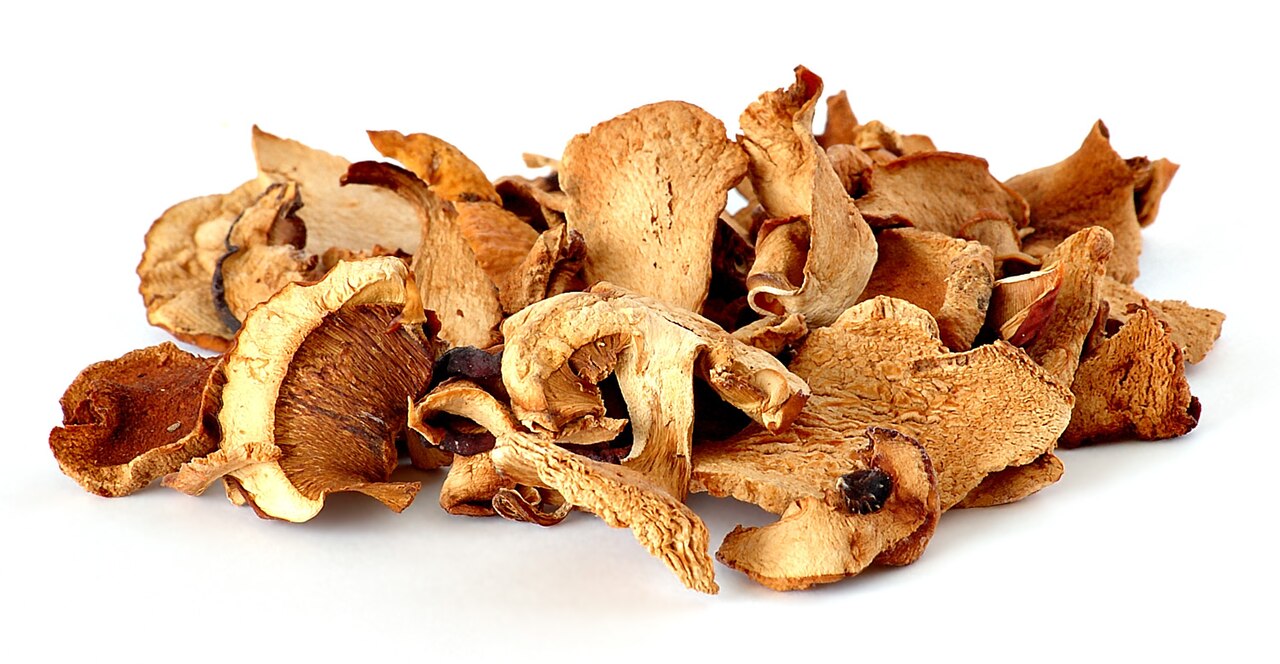
Yes, common culinary varieties sold in grocery stores, including white button, cremini, portobello, and shiitake, are not toxic to chickens and can be offered plain and cooked in small amounts without concern, the same varieties considered safe for most household pets in moderation.
Plain preparation matters more than the specific variety. Mushrooms cooked with butter, oil, salt, garlic, or onion should not be fed, since the seasonings themselves, particularly garlic, onion, and excess salt, carry their own risks for chickens independent of the mushroom itself.
Portion size stays modest regardless of variety, a small piece or two per bird occasionally rather than a regular addition, since any new food introduced in large quantity risks digestive upset in a flock accustomed to a consistent layer feed diet. The guide to tomatoes for chickens covers a comparable occasional treat with the same portion logic.
What Types of Mushrooms Are Toxic to Chickens?
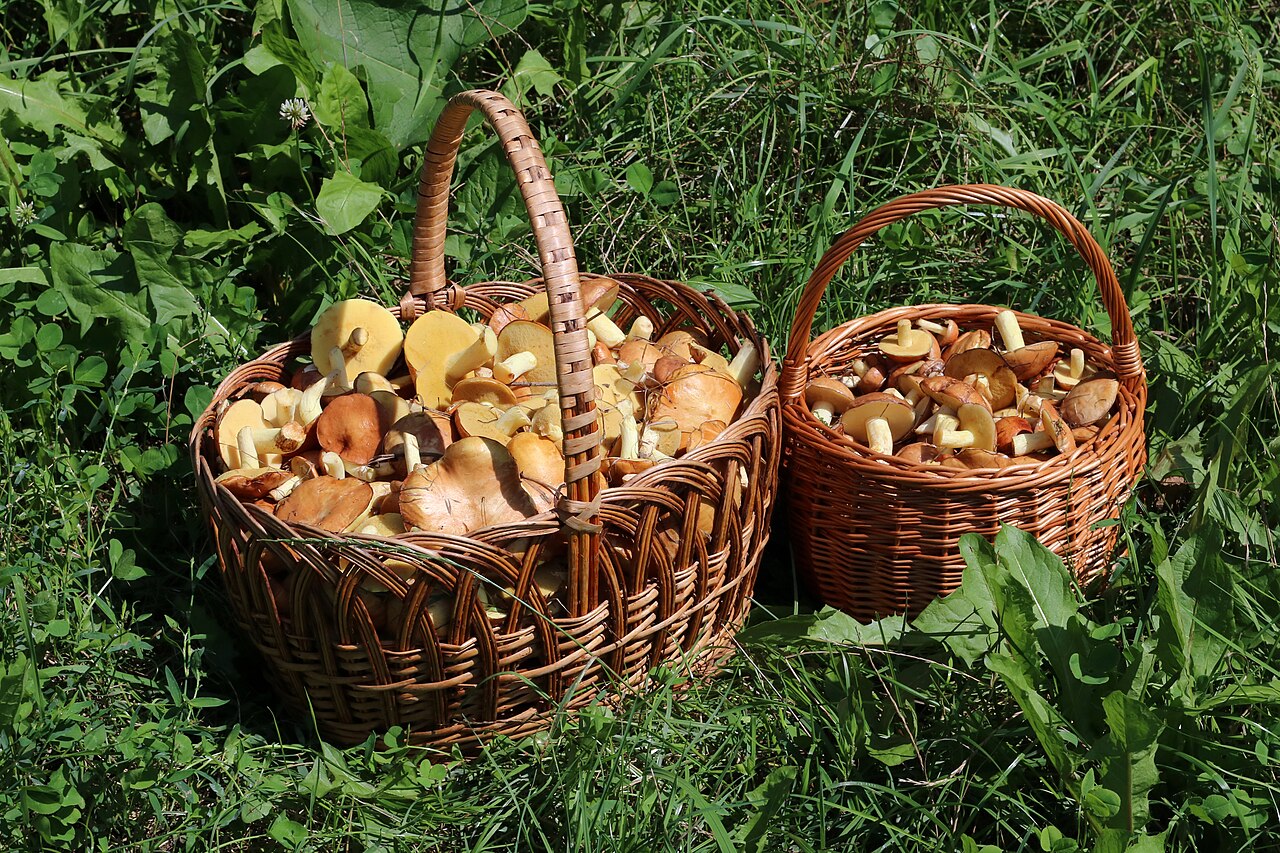
Wild mushroom toxicity varies enormously by species and region, and several of the most dangerous, including death cap and destroying angel mushrooms, contain toxins that damage the liver and can be fatal in relatively small amounts, to chickens as well as to people and other animals.
Other wild species cause less severe but still unpleasant effects, including gastrointestinal upset, neurological symptoms, or skin irritation, and the visual differences between a genuinely toxic species and a harmless one are often subtle enough that even trained foragers occasionally misidentify them.
Because reliable field identification requires real expertise, the practical rule for a backyard flock is straightforward: treat every wild mushroom that appears in a run or yard as potentially toxic and remove it rather than attempting to identify and clear individual species as safe.
Can Chickens Eat Wild Mushrooms From the Yard?
No, this should be actively prevented rather than left to chance. Wild mushrooms that appear after rain in a lawn or run are an unpredictable mix of species, and a chicken pecking at one out of curiosity has no way to distinguish a harmless variety from a dangerous one.
Regular monitoring of the run, especially after wet weather when mushrooms fruit most readily, and prompt removal of anything that appears is the practical management step, since prevention is far simpler and safer than trying to treat a poisoning after the fact.
Free-ranging flocks with access to wooded or overgrown areas face a higher risk simply due to greater exposure to a wider variety of wild fungi, which is worth factoring into how closely a free-range setup needs to be monitored during mushroom-friendly weather.
How Much Mushroom Can You Feed a Chicken?
A small piece, roughly a bite-sized amount, once or twice a week at most, keeps mushroom firmly in occasional treat territory rather than displacing the balanced layer feed that should make up the large majority of a chicken’s diet.
Treats in general, mushroom included, should stay within about 10 percent of a chicken’s total daily intake, a widely used guideline for keeping backyard flock nutrition balanced, since overloading on any single treat food risks nutritional gaps relative to a properly formulated layer feed.
Introducing mushroom for the first time in a small test portion and watching for any unusual reaction over the following day, the same caution applied to any new treat food, is a sensible practice before making it a regular occasional addition. The guide to strawberries for chickens covers another treat with the same introduction approach.
What Vegetables Can’t Chickens Eat?
Raw, dried, or uncooked beans of any kind are toxic to chickens due to a compound called phytohaemagglutinin, and this applies to dry beans specifically rather than fully cooked beans, which lose most of the toxin through cooking.
Onion and garlic in large quantities can cause a blood disorder in chickens over time, and while small amounts occasionally are generally tolerated, they are not recommended as a regular addition, the same caution that applies to seasoned mushroom preparations.
Green potato skins and green tomato parts contain solanine, the same nightshade toxin relevant across many pet and livestock species, and should be avoided, along with avocado skin and pit specifically, which contain persin, a compound toxic to chickens and many other animals.
What Happens If a Chicken Eats a Toxic Mushroom?
Symptoms depend heavily on the specific toxin involved but commonly include lethargy, reduced appetite, digestive upset, and in serious cases involving liver-toxic species, symptoms may not appear for many hours after ingestion, by which point significant internal damage can already be underway.
Any chicken showing lethargy, appetite loss, or unusual behavior after wild mushrooms were seen in the run warrants prompt attention from a poultry-experienced veterinarian, since delayed treatment for the more serious mushroom toxins substantially reduces the chance of a good outcome.
Because symptom onset can be delayed and toxin identification after the fact is difficult, prevention through run monitoring remains far more reliable than trying to treat poisoning after mushrooms have already been eaten, which is the core reason removal, not identification, is the recommended approach.
Do Mushrooms Have Nutritional Value for Chickens?
Some, though not enough to matter much in a diet already built around a complete layer feed. Mushrooms contain modest amounts of B vitamins, some minerals, and antioxidant compounds, along with a small amount of protein, but nothing that a well-formulated commercial feed does not already provide in a more concentrated and balanced form.
Some research on poultry nutrition has looked at mushroom-derived compounds for potential immune-supporting properties, but this generally involves concentrated extracts rather than the small amount of whole mushroom in an occasional treat portion, so the practical nutritional contribution of a treat-sized piece is minor.
Treating mushroom as an enrichment and variety item rather than a nutritional necessity is the more accurate framing, in the same category as most fruit and vegetable treats offered to a flock: appreciated, generally harmless in moderation, and not something the birds need for good health.
How Do You Introduce New Foods Safely?
Start small and watch the flock. A single test piece offered to a few birds, followed by normal observation over the next day for any change in droppings, appetite, or behavior, is a low-risk way to introduce mushroom or any new treat before offering it more widely or regularly.
Consistency across the flock matters less than individual observation, since chickens can vary somewhat in sensitivity to new foods, and a treat that one bird handles without issue should still be introduced gradually to others rather than assumed universally safe based on one bird’s reaction.
Keeping any new treat, mushroom included, as an occasional rather than daily addition preserves the same low-risk profile long-term, since the concern with new foods is generally about total volume and consistency of exposure rather than a one-time small taste. The guide to bread for chickens covers a treat food with similar moderation guidance.
What Is the Biggest Health Risk for Backyard Chickens?
Predation and disease consistently rank as the leading causes of loss in backyard flocks, well ahead of dietary mistakes like an occasional inappropriate treat, which underscores that overall flock management, secure housing, biosecurity, and monitoring, matters more to chicken health than any single food decision.
Respiratory illness, parasites, and predator attacks from hawks, raccoons, and other wildlife are the recurring themes in poultry health guidance from extension programs and veterinary sources, generally outweighing food-related risks by a wide margin when flocks are managed with reasonable general care.
That broader context is useful for keeping mushroom safety in proportion: avoiding wild mushrooms is a sensible, low-effort precaution, but it is one item on a longer list of flock management priorities rather than the dominant concern for keeping a backyard flock healthy overall. The guide to chicken group terms and bantam chicken guide cover other common backyard flock questions.
Frequently Asked Questions
Can chickens eat mushrooms?
Yes, plain cooked store-bought varieties like button or cremini in small amounts. Wild mushrooms should never be fed or allowed due to toxicity risk.
Are wild mushrooms dangerous to chickens?
Yes, potentially. Several wild species are toxic, sometimes fatally, and misidentification is common even among experienced foragers, so wild mushrooms should be removed from a run.
How much mushroom can chickens have?
A small, bite-sized amount once or twice a week at most, kept within the general guideline of treats making up no more than about 10 percent of daily intake.
What should chickens never eat?
Raw dry beans, large amounts of onion or garlic, green potato parts, avocado skin and pit, and any wild, unidentified mushrooms.
What happens if a chicken eats a toxic mushroom?
Symptoms can include lethargy, appetite loss, and digestive upset, sometimes delayed for hours. Contact a poultry-experienced vet promptly if this is suspected.
Do mushrooms have nutritional value for chickens?
Some, including B vitamins and minerals, but not enough to matter much alongside a complete layer feed. Treat mushroom as variety, not nutrition.