Seeing a Dove Meaning: Peace, Hope, or a Loved One Near
Seeing a dove is a good sign of peace, hope and love. For people in grief, it is a sign that a lost loved one is near and at peace.
Every guide on The Faunalist in one archive. Browse identification help, species profiles, feeding advice, and regional birding guides for North American backyards.

Seeing a dove is a good sign of peace, hope and love. For people in grief, it is a sign that a lost loved one is near and at peace.
Seeing a blue bird means happiness, hope and good news on the way. Here is how to read your own sighting by moment, place and the bird you actually saw.
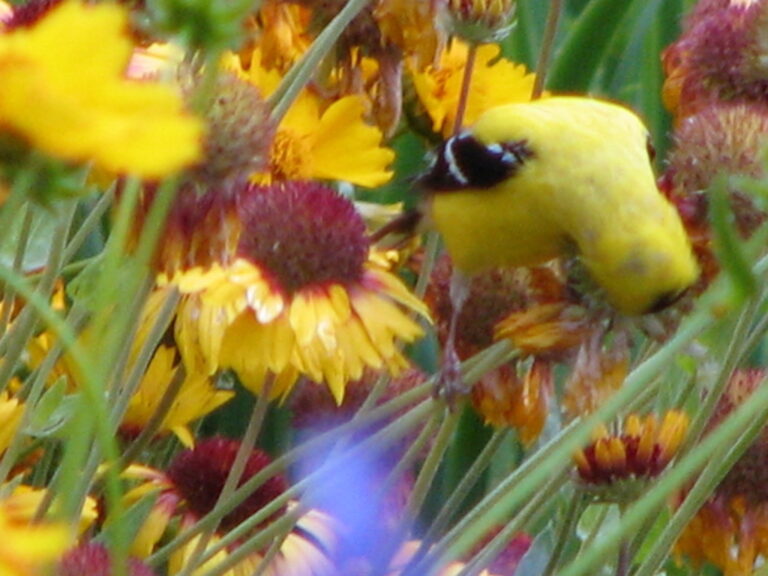
A yellow finch stands for joy, renewal and a fresh start. In Christian art the goldfinch foretells Christ’s Passion, and the thistle explains why Jesus holds one.

A white owl stands for clarity, intuition and transition. Learn what the sighting means, why most white owls are barn owls or snowy owls, and how to respond.
A yellow bird brings joy, hope and a fresh start, and many people take its visit as a sign of love or of a loved one close by. See what it means by place, faith, dream and species.

Seeing black birds points to change, protection and intuition, not to a coming death. After a loss, many people take one as a comforting sign that a loved one is near.
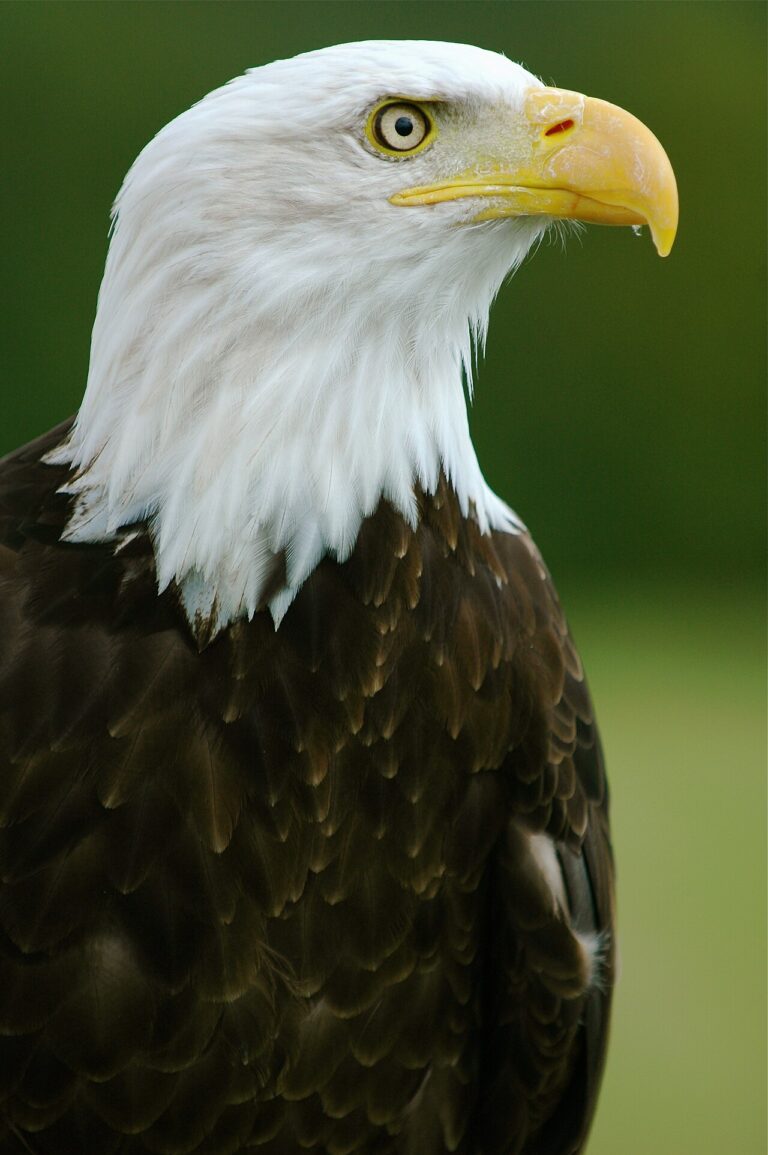
Seeing a bald eagle is a call to freedom, clear vision and courage. Here is what the sighting means overhead, on your path, after a loss or as a pair.

Pheasant poop is a curled brown or olive dropping with a white urate cap. Here is how to tell it from other bird and mammal scat and clean it up without breathing in risky dust.
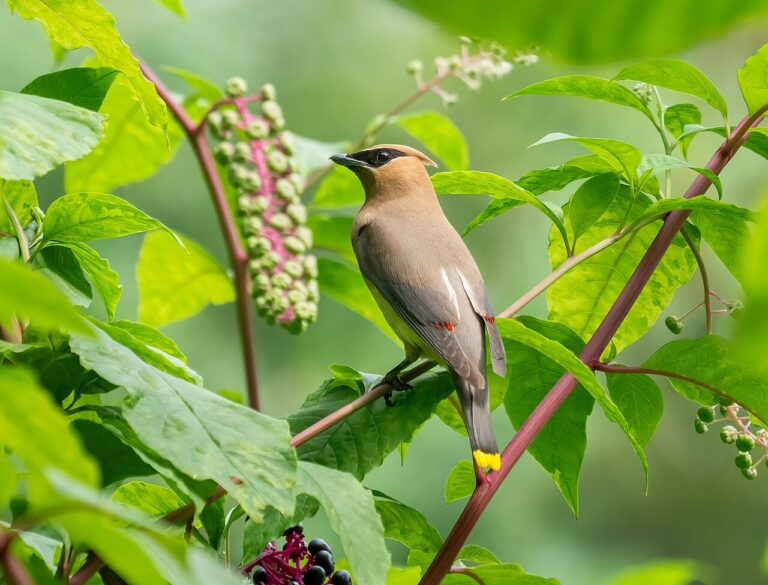
Cedar waxwings make two sounds, a buzzy bzeee and a high sree, both pitched near 7,000 Hz. What each call means, when you hear it, and what gets mistaken for it.

Red-tailed hawk poop is a runny white splash with a dark center, streaked below tall perches. Learn how to confirm the bird, rule out owls and pigeons, and clean it up safely.