Seeing a Dove Meaning: Peace, Hope, or a Loved One Near
Doves turn up on porches, wires and windowsills across the US, often at the moment you are grieving, facing a decision or hoping for a change. In Christian, Jewish and folk traditions the dove stands for peace, hope and love, and for many people in mourning it is the first sign they notice after a loss.
Seeing a dove is a good sign. It stands for peace, hope and love, and it asks you to slow down and soften. For people in grief, a dove that lingers or returns near an anniversary is a sign that a lost loved one is near and at peace.
What Does Seeing a Dove Mean?
Seeing a dove means you are being asked to slow down and let a conflict cool. A dove on your path asks you to lower your voice and stop fighting what you cannot change.
Dove symbolism turns on timing more than on the bird itself. A dove that lands while you replay an argument points to reconciliation. One that shows up as you weigh a job offer or a move points to a calm, clear choice.
A widow on her porch and a couple planning a wedding see the same bird and receive different messages. Grief hears comfort in the visit, and new love sees devotion.
| Encounter | Common reading | Rooted in |
|---|---|---|
| Dove nesting on your porch | Peace and stability settling over your home | The dove’s choice of a quiet, safe place to raise young |
| Dove landing on you | Trust, and a call to stay calm | The bird’s gentle, tame reputation |
| Dove at a wedding | Lasting love and a faithful partnership | Song of Songs, where the lover calls his bride “my dove” |
| Dove at a grave | The person rests in peace | Funeral dove releases marking the soul’s journey |
| Dove following you | Rest is coming after a hard stretch | Psalm 55, “Oh that I had wings like a dove! for then would I fly away, and be at rest” |
Seeing a Dove After Someone Dies
Seeing a dove after someone dies is a sign that your loved one is at peace and still near you. Early Christians painted doves with olive branches in the Roman catacombs as a sign of the soul at peace, and the dove still appears on headstones for the same reason.
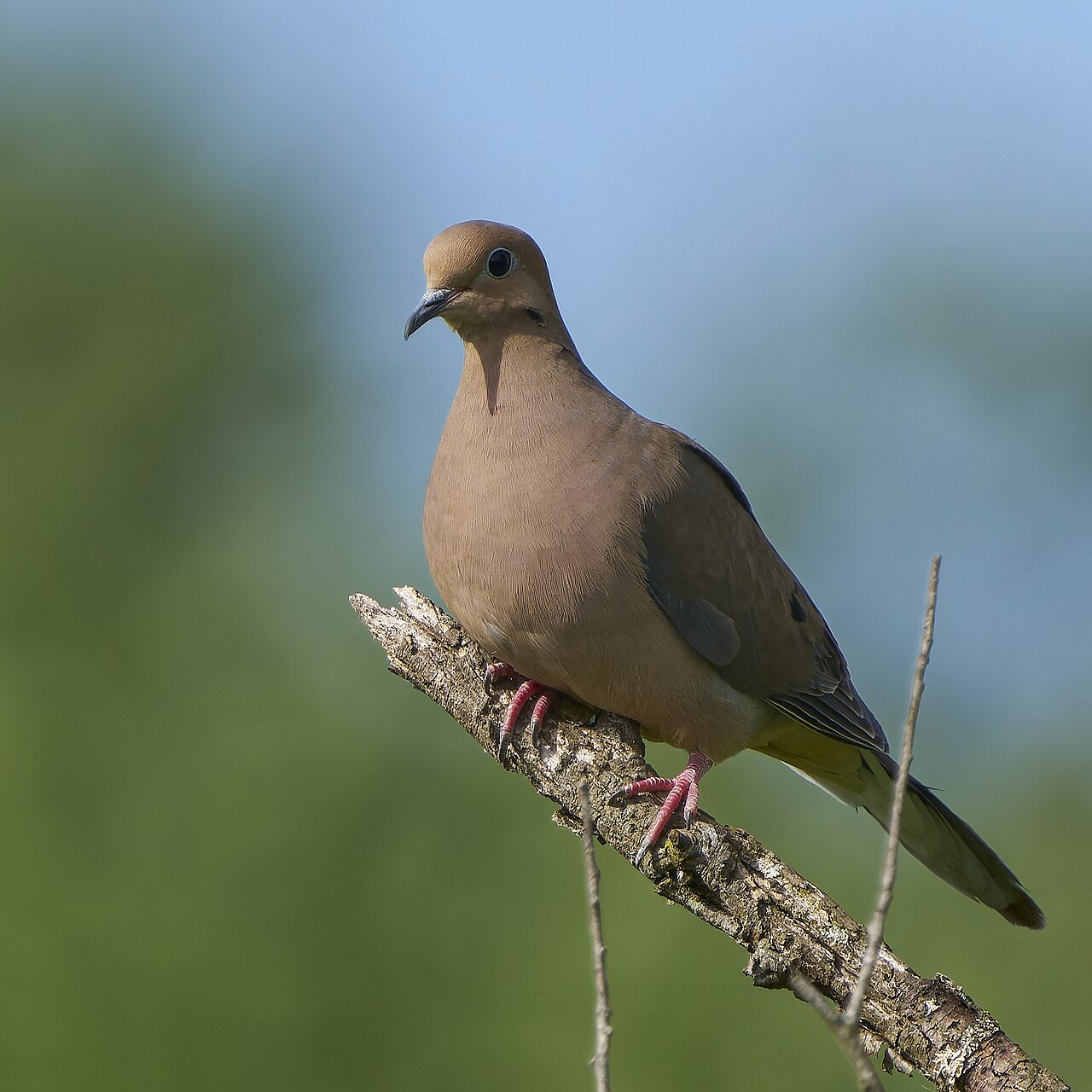
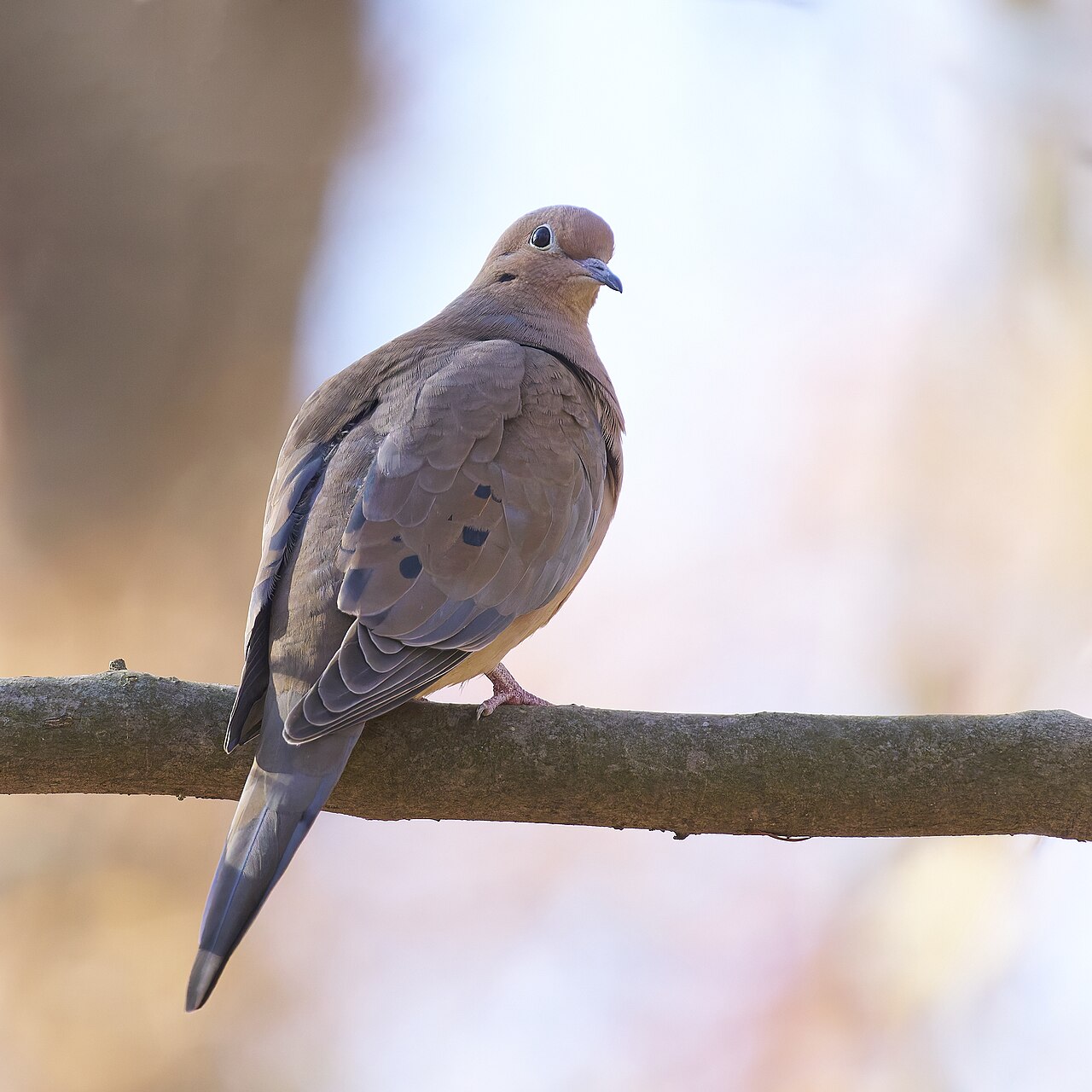
The mourning dove (Zenaida macroura) is the bird behind this belief in most American yards. Its name comes from its low, sad coo. Funeral dove releases add to the image. The white birds in professional releases are usually homing pigeons, and their flight back to the loft stands for the soul’s release.
Watch for patterns. A dove that returns day after day, appears near a birthday or anniversary, or stays close while you sit outside carries the strongest message. A dead dove carries a different message entirely, one about endings rather than presence.
Is Seeing a Dove a Good Omen?
Yes, seeing a dove is a good omen. Christian, Jewish and folk traditions all cast the dove as a bird of peace, and Genesis gives it the job of announcing that the flood is over. Count a dove sighting as good luck.
A single dove is a personal message. It turns up during lonely stretches, after a breakup, a move or a loss, and it says calm is coming. One bird belongs to you, as a quiet companion for the season you are in.
A dove flying into your window is a wake-up call, not a sign of doom. The bump is a nudge to notice something at home you have ignored. Negative readings are rare, and they attach to injured or dead birds, not to healthy ones.
What Does a Dove Mean in the Bible?
When a dove appears in the Bible, it marks peace and a new beginning. Genesis 8 gives the first scene. Noah releases a dove from the ark, and it returns in the evening with a freshly plucked olive leaf in its beak.
The baptism of Jesus gives the second scene, where the Spirit of God descends like a dove and lights on him. That scene, which all four Gospels record, is the source of the Holy Spirit as a dove in Christian art. In the Gospel of Matthew, Jesus tells his disciples to be wise as serpents and innocent as doves.
The Gospel of Luke shows the dove in daily worship. Mary and Joseph bring a pair of turtledoves or two young pigeons as their offering at the temple.
The Dove as Spirit Animal and Totem
The dove as a spirit animal is a gentle peacemaker. When the dove appears as your spirit animal, it asks you to bring that quiet to the people around you.
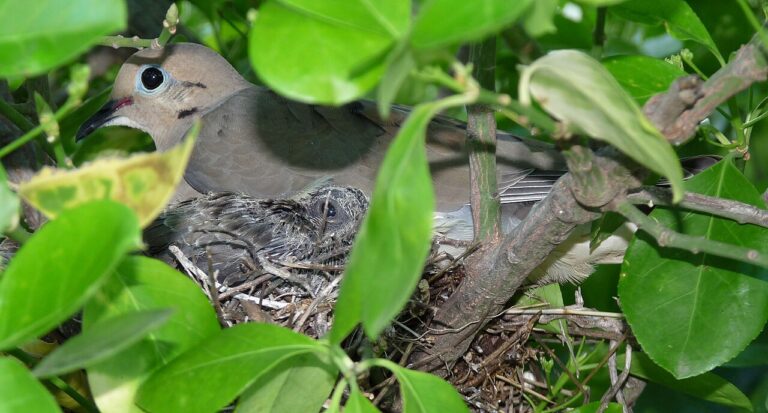
As a totem, the dove stands for devotion to home and family, patience and quiet strength. Mourning doves live out that devotion at the nest, where both parents feed the young on crop milk.
Speak softly, choose forgiveness and protect your inner calm. The shadow side is real too. A dove person avoids conflict too long, swallows real needs and stays passive when a firm no would serve better.
Doves in Myths and Cultures
Doves appear as sacred birds of love in the oldest myths of the Mediterranean and the Near East. In ancient Greece, the dove belonged to Aphrodite, goddess of love. Greek sculptors and vase painters show her with a dove in her hand or at her side.
In Mesopotamia, the dove was linked with Ishtar, known to the Sumerians as Inanna, goddess of love and war. Venus, the Roman counterpart of Aphrodite, kept the dove as her bird. In Islamic tradition, a pair of doves nested at the mouth of the Cave of Thawr during the Hijra and helped hide the Prophet Muhammad and Abu Bakr from their pursuers. In Japan, doves serve as messengers of Hachiman, the Shinto god of archery and war, and decorate his shrines.
The modern peace dove comes from Paris in 1949. Pablo Picasso’s lithograph of a dove became the poster for the World Peace Congress held there that year. White doves carry that image into weddings, memorials and peace marches today.
Where You See a Dove: House, Window, Garden, City
Where you see a dove shapes its message, and doves hanging around your house bring peace to the whole household.
Dove on Your House or Porch. A dove on your porch or roof is peace settling over everyone under that roof. The bird picks quiet, safe spots, so its choice says your home feels calm. If a family rift is open, take the visit as a cue to mend it.
Dove at Your Window. A dove at your window invites you to look inward. It points to something happening inside your home, or inside you, that needs attention.
Dove in Your Garden. A dove in your garden is a sign of growth and nurture taking root in your life. Attracting mourning doves comes down to seed on open ground and cover nearby, so a regular garden visitor means you have made room for new life.
Dove in the City. A dove in the city reminds you to find calm amid noise and rush.
Seeing Two Doves or More
Seeing two doves means partnership, lasting love or a relationship that is healing. If you are single, the pair points to love on its way. If you are in a rough patch, it says repair is possible.
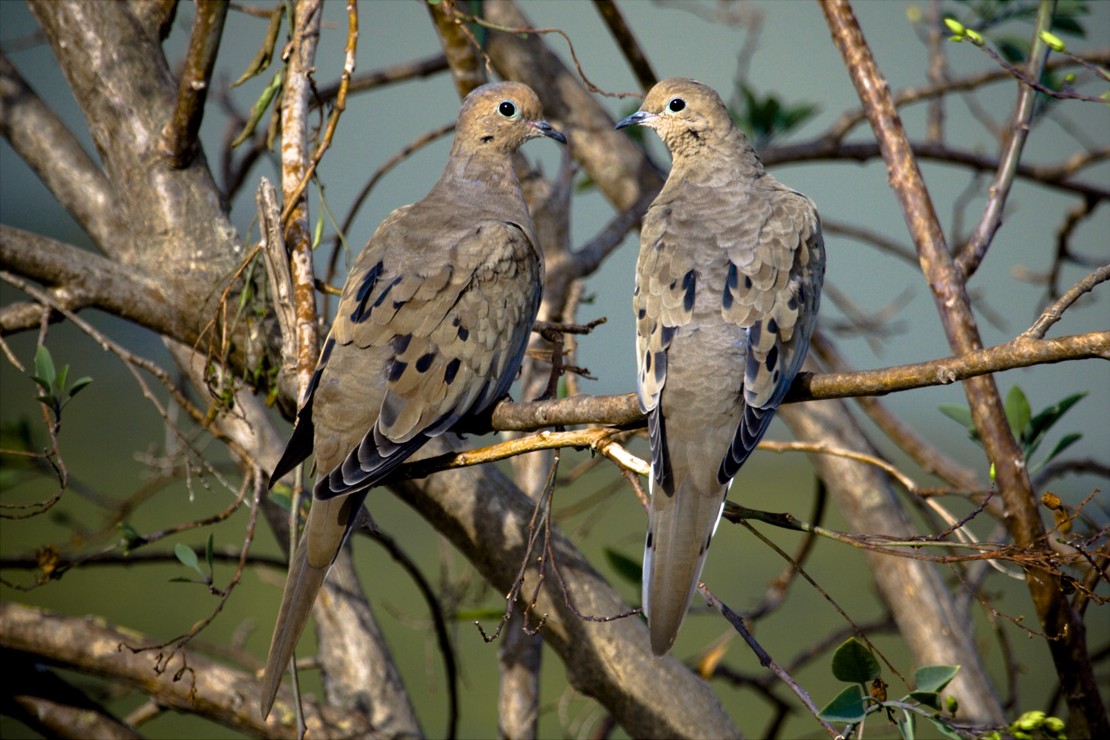
Two grey doves in an American yard are usually mourning doves, the slim, tan grey birds with long pointed tails, or Eurasian collared-doves, paler with a black half collar. Mourning dove symbolism ties the grief reading and the love reading into one message.
Many Christians read three doves as a sign of the Holy Trinity. A flock means community and support arriving. For someone grieving, a group of doves on the lawn says you are not alone in this.
Hearing a Dove Coo or Finding a Dove Feather
A dove cooing in the morning is a gentle call to start fresh. Take the first ten minutes of your morning in quiet.
Repeated cooing near your home brings comfort. It tells you someone is thinking of you, living or passed. Mourning dove sounds carry far on still mornings, and the long perch coo comes from males in breeding season.
A dove feather on your path is reassurance that you are on the right road. Look at it and leave it where it lies. In the US, the Migratory Bird Treaty Act bars keeping feathers of protected native birds, the mourning dove among them, with no exception for molted or found feathers. Photograph it instead, and wash your hands if you touch it.
Frequently Asked Questions
Is it rare to see a white dove?
Yes. Wild doves across the US are grey brown, led by the mourning dove, so a white dove in the open is almost always a released domestic bird or a white feral pigeon. Leucistic mourning doves with pale plumage exist but are rare.
Do doves and pigeons mean the same thing?
Yes, for the most part. Doves and pigeons both belong to the family Columbidae, and the common city pigeon is the rock pigeon, also called the rock dove. Peace, home and return attach to both birds, with pigeons leaning more toward homecoming.
Do doves mate for life?
No, not usually for life. Mourning doves are monogamous within a breeding season, and some pairs reunite in later years, especially where birds stay put all year. The wedding symbolism comes from the pair’s visible tenderness and from old love myths.
Is a dove a symbol of an angel?
No. All four Gospels tie the dove to the Holy Spirit at the baptism of Jesus, and Scripture never calls a dove an angel. A dove at your window carries the Spirit’s peace, not an angel in disguise.
Do doves come back to the same house every year?
Yes. Mourning doves raise up to 6 broods a year in warm southern states and often reuse a nest, so one pair can stay at the same house from spring to fall.
Should I feed a dove that keeps visiting?
Yes, if you want it to stay. Mourning doves feed on seeds on the ground, so scatter millet or sunflower chips low instead of filling a high tube feeder.
Sources
- CDC, About Psittacosis
- U.S. Fish and Wildlife Service, Feather Atlas: Feathers and the Law
- Cornell Lab of Ornithology, Eurasian Collared-Dove Identification