What Do Doves Eat? Seeds, Crop Milk, and Feeders
Doves eat seeds, and almost nothing else. Across the family, roughly 95 percent of the diet is seed and grain taken from the ground, supplemented by small amounts of fruit, berries, greens, and occasionally snails or insects. Unlike most birds, doves feed their young on crop milk rather than insects, which is why they can raise chicks on a diet that would starve a warbler.
That has practical consequences for anyone feeding them. Doves cannot perch on most tube feeders, do not hull seeds the way finches do, and swallow whole grain into a crop for later grinding, so the food and the feeder both need to suit that. This guide covers what wild doves eat, what to put out, crop milk, pet doves, and what to avoid.
Doves eat mainly seeds and grain, around 95 percent of the diet, taken from the ground and swallowed whole into a crop. They also take small amounts of fruit, greens, and snails. Both parents feed chicks on crop milk, a secretion from the crop lining, rather than on insects. Millet, cracked corn, and black-oil sunflower work best at feeders.
| Food | Role |
|---|---|
| Grass and weed seeds | Bulk of the wild diet |
| Waste grain | Corn, wheat, sorghum, millet in fields |
| Sunflower seed | Favoured at feeders; high fat |
| Fruit and berries | Minor; more in tropical species |
| Snails and insects | Occasional; calcium and protein |
| Grit | Essential; grinds seed in the gizzard |
| Chick food | Crop milk from both parents |
What Do Wild Doves Eat?
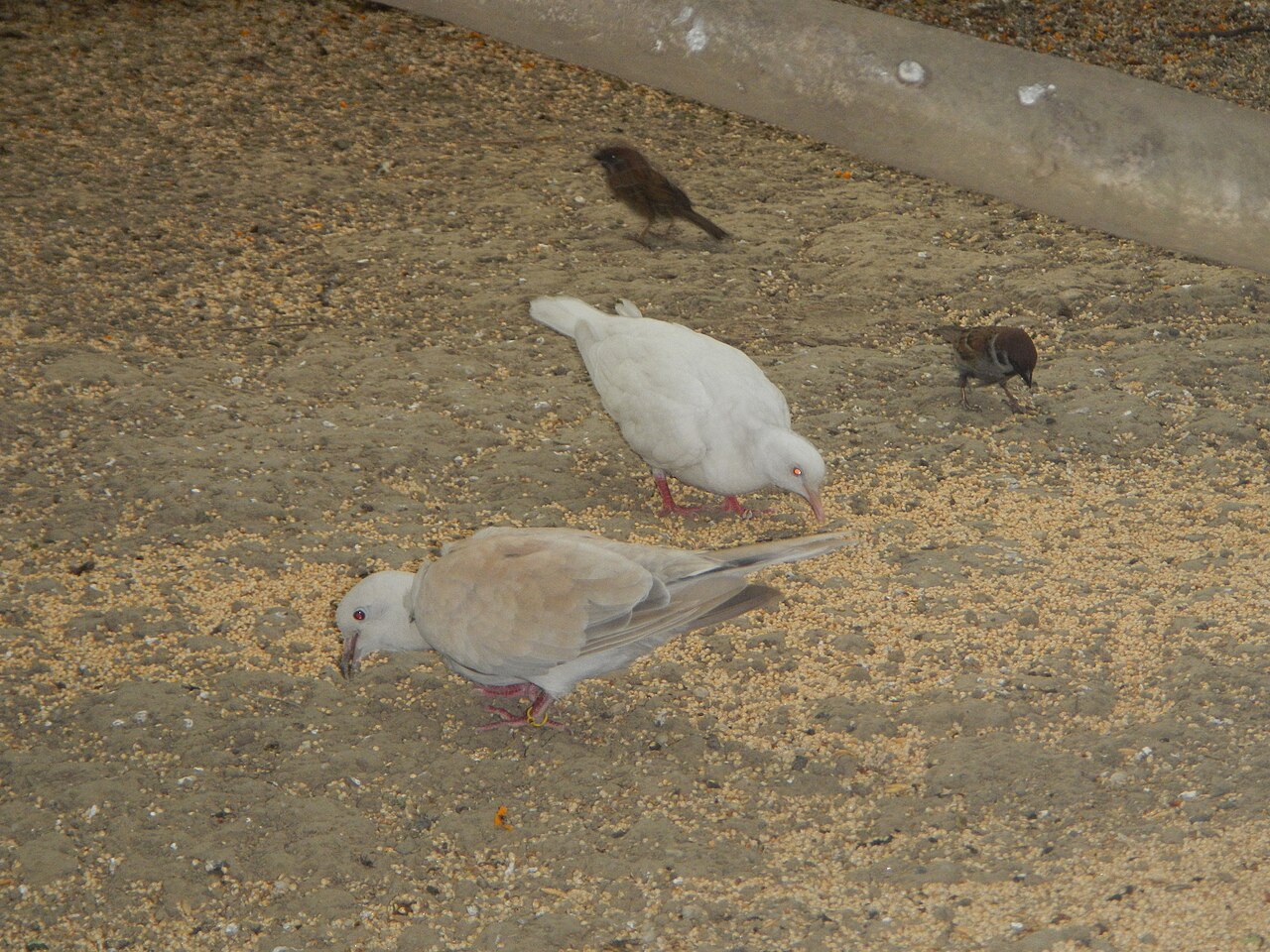
Seeds, overwhelmingly. Mourning doves, the most widespread North American species, take grass seeds, weed seeds including ragweed, pigweed, foxtail, and pokeweed, and waste grain from harvested fields, and studies of crop contents consistently put seed at around 95 to 99 percent of intake.
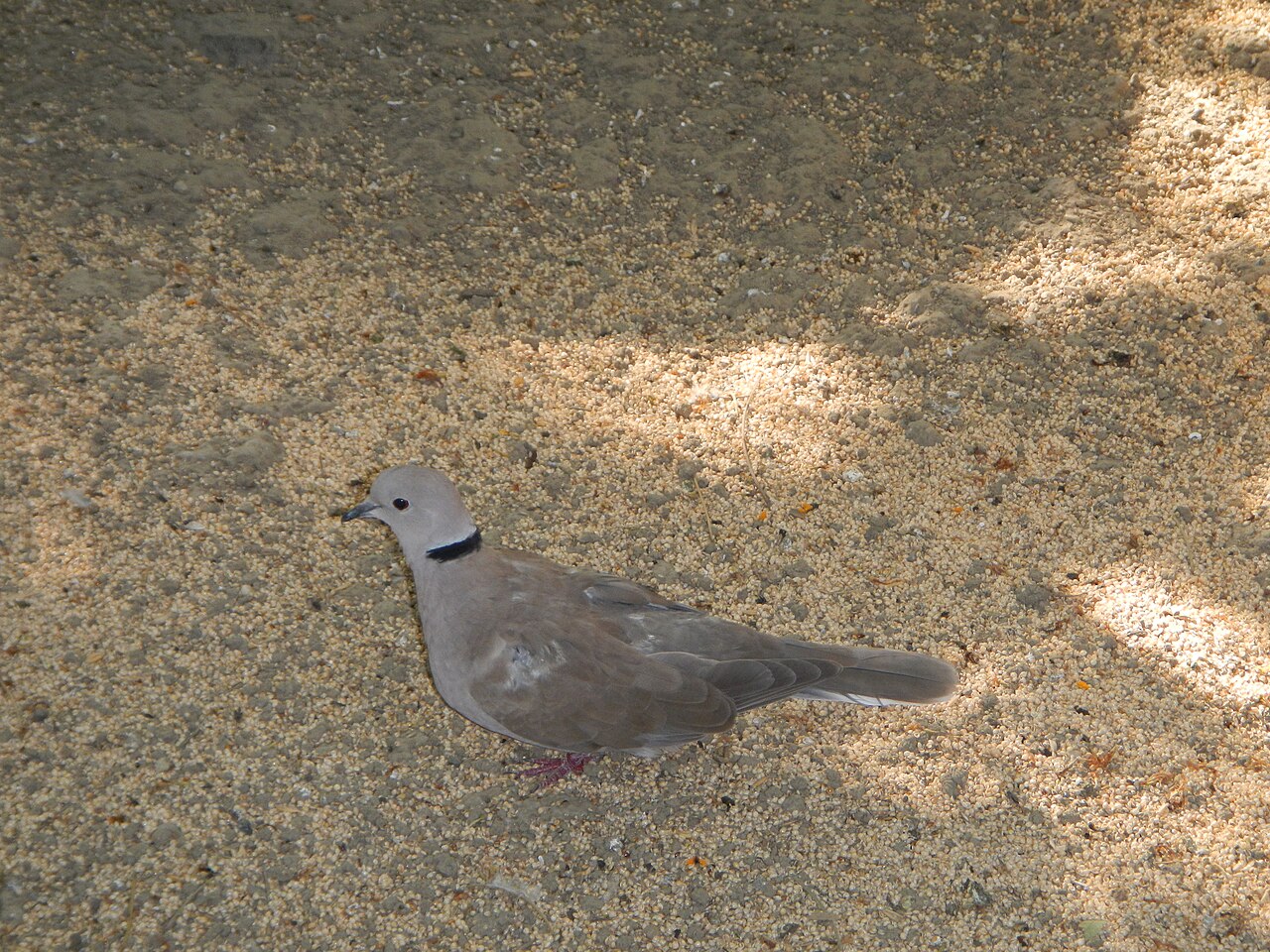
Foraging is done on the ground, walking and pecking rather than scratching. Doves do not scratch the way sparrows and towhees do, so they take what is visible on the surface, which is why they concentrate on bare ground, stubble fields, gravel margins, and the area under feeders rather than in leaf litter.
Fruit and animal matter make up the remainder. Berries, small fruits, and tender greens appear in the diet seasonally, and snails are taken occasionally, probably for calcium during laying. Tropical species including fruit doves lean far more heavily on fruit, but the temperate species people mean by dove are seed specialists. The guide to what mourning doves eat covers the commonest species in detail.
What Should You Feed Doves at a Feeder?
White proso millet is the single best seed for doves and is what they take first in preference trials. Cracked corn, black-oil sunflower, safflower, milo, wheat, and canary seed all work, and a plain mix heavy on millet and cracked corn suits them better than a premium songbird blend.
Presentation matters more than the seed. Doves are ground feeders and cannot use tube feeders with small perches, so a platform or tray feeder, a low table, or simply seed scattered on open ground is what they need. A platform with a wide landing area and no roof suits their size and their habit of arriving in small flocks.
Position it in the open. Doves are heavy-bodied, slow to take off, and vulnerable to cats and hawks, so they prefer feeding areas with clear sightlines and a nearby tree or wire to escape to rather than dense shrubbery right beside the food. The guide to attracting mourning doves covers the setup in full.
What Is Crop Milk?
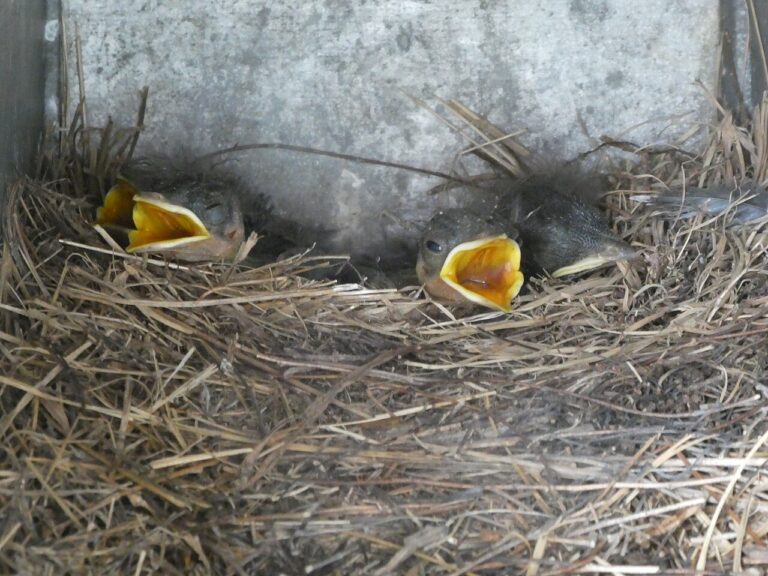
A thick, protein-rich secretion produced by cells lining the crop, and it is the reason doves and pigeons can nest almost year-round without needing an insect flush. Both parents produce it, which is unusual, and it is fed to nestlings by regurgitation for the first days of life.
Nutritionally it is nothing like mammalian milk despite the name. It contains no lactose or calcium in the way milk does, and is instead high in protein and fat, with reported figures well above cow’s milk on both counts, plus antioxidants and immune factors.
Only three bird groups produce it: pigeons and doves, flamingos, and male emperor penguins. It is triggered by prolactin, the same hormone involved in mammalian lactation, which is one of the more striking cases of convergent evolution in physiology. As chicks grow, parents mix increasing quantities of seed into the crop milk until the young are on solid food.
Do Doves Need Grit?
Yes, and it is easy to overlook. Doves swallow seeds whole into the crop for storage, then pass them to a muscular gizzard where swallowed grit grinds them down, since a dove has no capacity to crack or hull a seed the way a finch does with its bill.
Wild doves pick up small stones, sand, and gravel from roadsides, driveways, and bare ground, which is one reason they are so often seen on gravel shoulders and why so many are killed by traffic. That behaviour is not incidental; without grit a seed-eating bird cannot digest its food.
For pet doves, insoluble grit should be offered separately rather than mixed into feed, alongside a calcium source such as cuttlebone or crushed oyster shell for laying birds. Overconsumption of grit can occur in unwell birds, so free-choice provision in a small dish is preferable to constant availability in large quantities.
What Do Pet Doves Eat?
A quality dove or pigeon seed mix as the base, at roughly 60 to 70 percent of intake, ideally supplemented with a pelleted diet formulated for doves, since all-seed diets in captivity produce the same fatty liver and vitamin deficiency problems seen in other seed-eating pet birds.
Fresh food fills out the rest. Chopped dark leafy greens, peas, sweetcorn, grated carrot, sprouted seed, and small amounts of fruit are all suitable, offered daily and removed before they spoil. Ringneck and diamond doves, the two commonly kept species, take the same basic diet at different portion sizes.
Constant fresh water is essential and doves drink differently from most birds. Pigeons and doves suck water up continuously with the bill submerged rather than lifting the head to swallow, which means they need a bowl deep enough to immerse the bill rather than a shallow dish. Grit and cuttlebone should always be available. The types of doves guide covers the species kept and seen.
What Should Doves Not Eat?
Avocado is the clear exclusion, being toxic to birds through persin, and chocolate, caffeine, and alcohol are all dangerous. Salted and processed human food should never be given, and onion and garlic in quantity cause problems.
Bread is the common mistake with wild doves and pigeons. It fills the crop without supplying protein, fat, or micronutrients, and a bird eating substantially on bread develops nutritional deficiency including angel wing in growing birds, a permanent wing deformity linked to unbalanced high-carbohydrate diets in waterfowl and reported in other species.
Mouldy seed is the underrated hazard. Damp spilled seed under feeders grows fungi including Aspergillus, which causes respiratory infection that is often fatal in birds, and ground-feeding species take the brunt of it. Cleaning feeders and clearing spilled seed matters more for doves than for the birds using the feeder above, and Cornell Lab of Ornithology (allaboutbirds.org) publishes current feeder hygiene guidance.
What Attracts Doves to a Yard?
Open ground with seed on it, water, and somewhere safe to perch. Doves want visibility while feeding and a clear escape route, so a lawn edge, a patio, or a bare patch beneath a feeder suits them far better than a border or a woodland corner.
Water is a strong draw. Doves drink daily and often, and a shallow birdbath with a gently sloping edge or a ground-level water source will bring them in reliably, particularly in dry weather. They also bathe readily and sunbathe with wings spread flat, which is a common sight on warm paving.
Perches and nest sites complete it. Doves use wires, bare branches, and roof edges to rest between feeding bouts, and they nest on flimsy platforms in conifers, on ledges, in hanging baskets, and on window sills. A pair that nests successfully often returns to the same site repeatedly, sometimes several broods a year. The mourning dove guide covers the nesting behaviour.
How Does the Crop Work?
As a storage bag rather than a digestive organ. The crop is an expandable pouch at the base of the neck where a dove packs seed rapidly during a feeding bout, and a well-fed bird has a visibly bulging crop that can look alarming to anyone who has not seen it before.
That storage is a predator adaptation. Doves are slow, heavy, and vulnerable while feeding on open ground, so being able to load a large quantity of seed quickly and digest it later from a safe perch reduces exposure substantially. A mourning dove can hold thousands of seeds in a full crop.
Digestion happens afterwards in the gizzard, where swallowed grit grinds the seed. That two-stage system, load fast then process safely, is shared across pigeons, doves, and many gamebirds, and it is why a dove at a feeder can seem to eat an implausible amount in a few minutes and then disappear for hours.
Are Doves Good to Have Around?
Generally yes. They eat enormous quantities of weed seeds, with individual mourning doves recorded taking thousands of seeds in a day, which is genuine agricultural and garden value. They do not damage plants, do not raid nests, and are not aggressive at feeders.
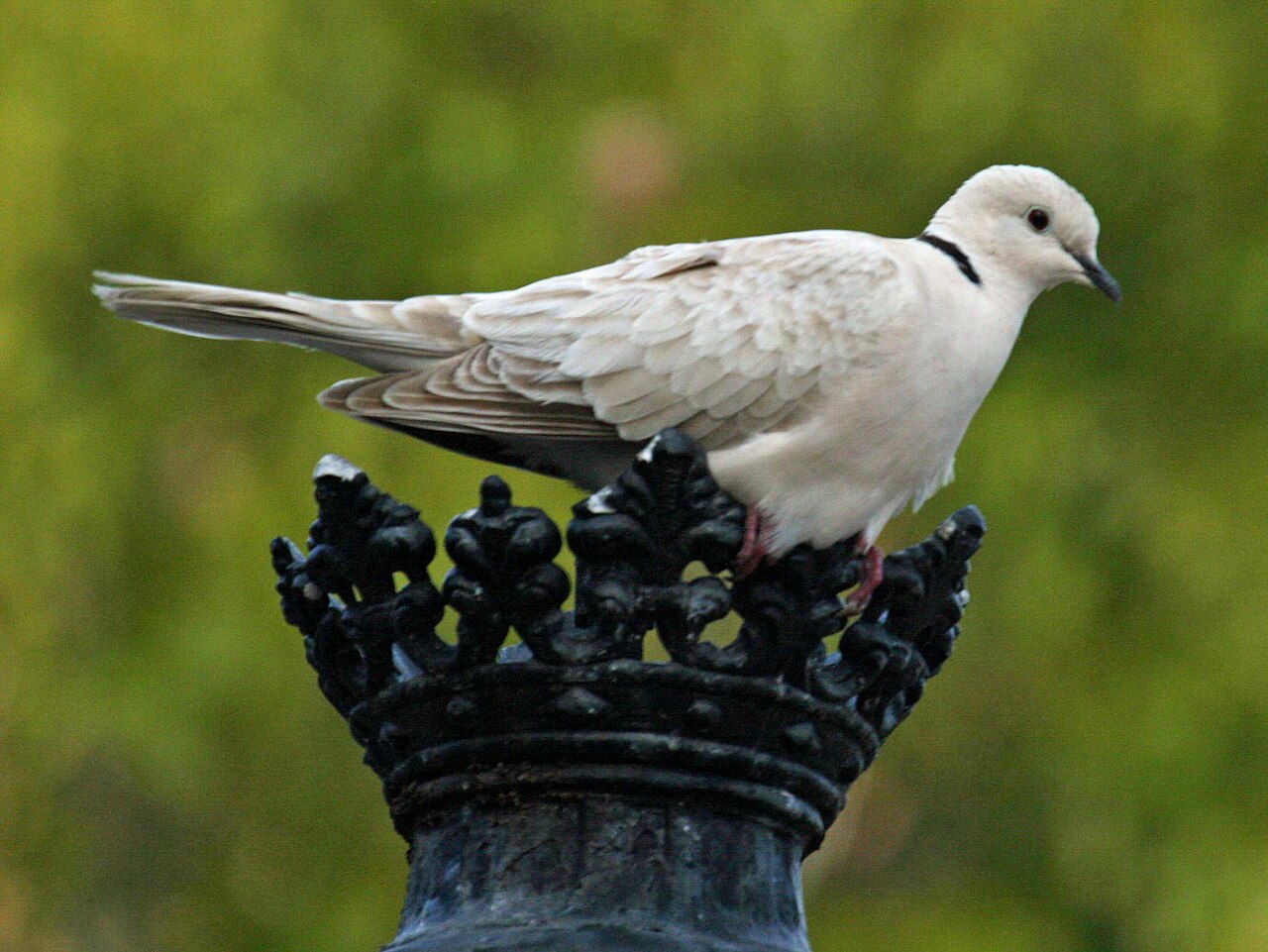
The complaints are minor and mostly about mess. Doves scatter seed while feeding, produce droppings under favoured perches, and the constant cooing of mourning doves is disliked by some people, though most find it pleasant. Large flocks of introduced Eurasian collared doves can dominate feeders in some areas.
Feral pigeons are a different question and are the source of most negative associations with the family. Wild native doves in a garden pose none of the roosting, droppings, or disease issues attached to large urban pigeon populations, and treating them as the same animal is the most common misunderstanding about the group. The dove symbolism guide covers the cultural side.
Frequently Asked Questions
What do doves eat?
Mainly seeds and grain, around 95 percent of the diet, taken from the ground and swallowed whole into a crop. Small amounts of fruit, greens, and occasionally snails make up the rest.
What can you feed a dove?
White proso millet first, plus cracked corn, black-oil sunflower, safflower, milo, and wheat. Serve on a platform feeder or scattered on open ground, since doves cannot use tube feeders.
What is crop milk?
A protein-rich secretion from the crop lining that both parents feed to nestlings by regurgitation. Only pigeons and doves, flamingos, and male emperor penguins produce it.
Do doves need grit?
Yes. They swallow seeds whole and grind them in a gizzard using swallowed grit, since they cannot crack or hull seeds with the bill. Wild doves pick up gravel from roadsides.
What should doves not eat?
Avocado, chocolate, caffeine, alcohol, and salted or processed food. Bread fills the crop without nutrition, and mouldy spilled seed causes fatal fungal respiratory infections.
What attracts doves the most?
Seed on open ground with clear sightlines, water in a shallow accessible source, and nearby perches such as wires or bare branches. Millet on a platform feeder is the reliable draw.
Are doves good to have around?
Yes. They consume large quantities of weed seeds, damage no plants, and are not aggressive at feeders. The drawbacks are scattered seed and droppings under favoured perches.

Similar Posts
Types of Owls in Florida: A Complete Guide
Florida is home to several types of owls, from the great horned owl to the burrowing owl. Learn the common owl species in Florida, how to ID them, and where to see them.
Sharp-Shinned Hawk: Identification Guide
North America’s smallest accipiter, the Sharp-Shinned Hawk is a lightning-fast songbird hunter easily confused with its larger relative, the Cooper’s Hawk.
Types of Loons: A Complete Guide
North America has five types of loons, from the common loon to the yellow-billed loon. Learn how to tell them apart, where they live, and facts about loons.
Spiritual Meaning of Black Birds: Messages and Symbolism
The spiritual meaning of black birds centers on transformation, protection, and messages from beyond. Here is what each black bird represents and how different traditions read them.
Downy vs Hairy Woodpecker: How to Tell Them Apart
Downy vs hairy woodpecker: the downy is small with a short bill, the hairy larger with a long bill. Here is every difference in size, bill, tail, and voice.
Eastern Bluebird Nest Box: Plans, Size, and Setup
An eastern bluebird nest box needs a 1.5 inch hole, no perch, and pole mounting with a baffle. Here are the exact plans, placement, and monitoring tips.