Emu vs Ostrich
Ostriches are bigger, faster, and African; emus are smaller, Australian, and the dads do the incubating. Here’s how to tell these giant birds apart.
Figure out exactly which bird you saw. These guides break down field marks, size comparisons, lookalike species, and seasonal plumage so you can identify backyard birds with confidence.
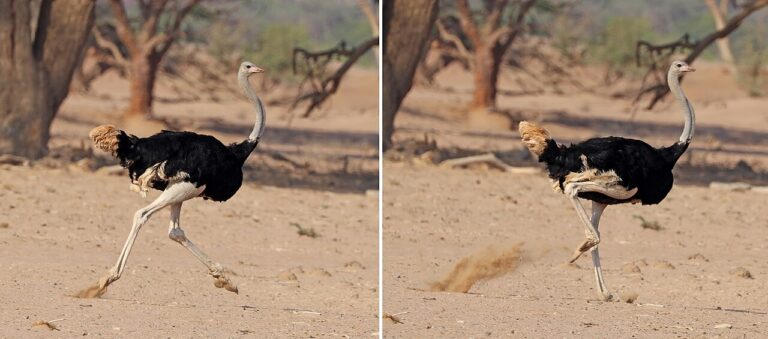
Ostriches are bigger, faster, and African; emus are smaller, Australian, and the dads do the incubating. Here’s how to tell these giant birds apart.
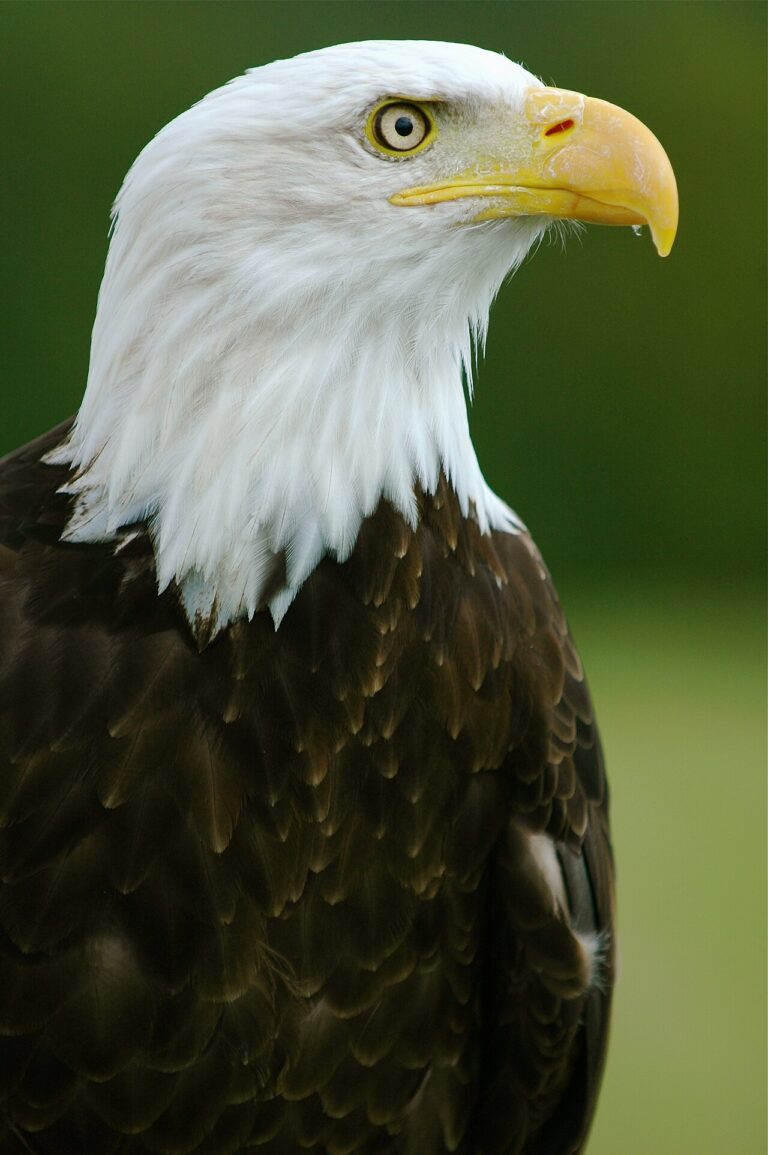
Birds of prey fall into six main groups: hawks, eagles, owls, falcons, vultures, and kites or harriers, each built for a different hunting style.
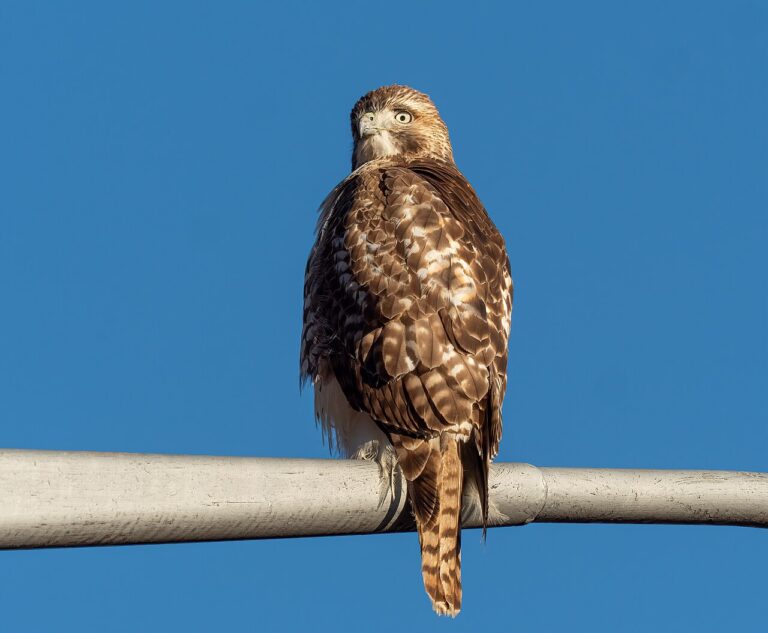
The red-tailed hawk and red-shouldered hawk are both common buteos, but size, color, tail pattern, habitat, and call all set them apart.
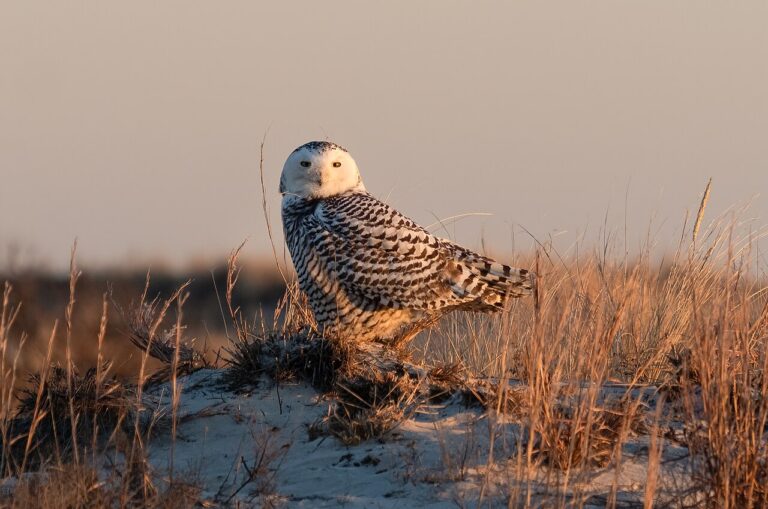
Owl identification is easiest when you start with size. This guide ranks North American owls from tiny to huge, with lengths and wingspans, plus the other clues that clinch each species.
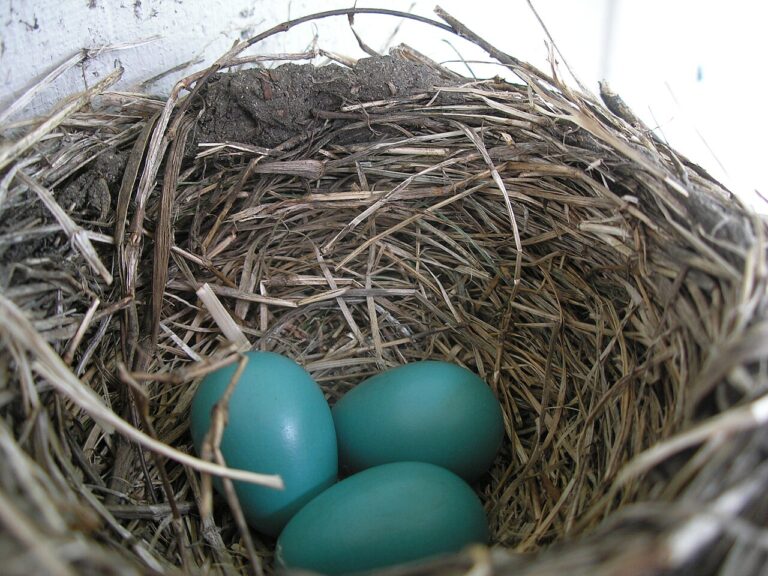
Identify a bird nest by its location, size, materials, and shape. This guide covers common backyard nests by species, plus the law that protects active nests.
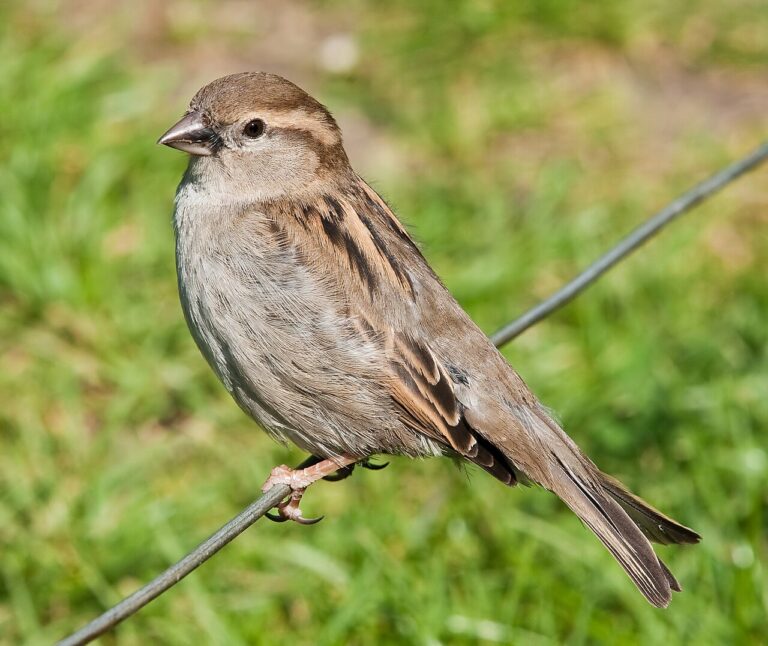
Bird droppings are part white uric acid and part dark feces. Learn to identify bird poop by color and size, whether it is dangerous, how to clean it, and the folklore around it.
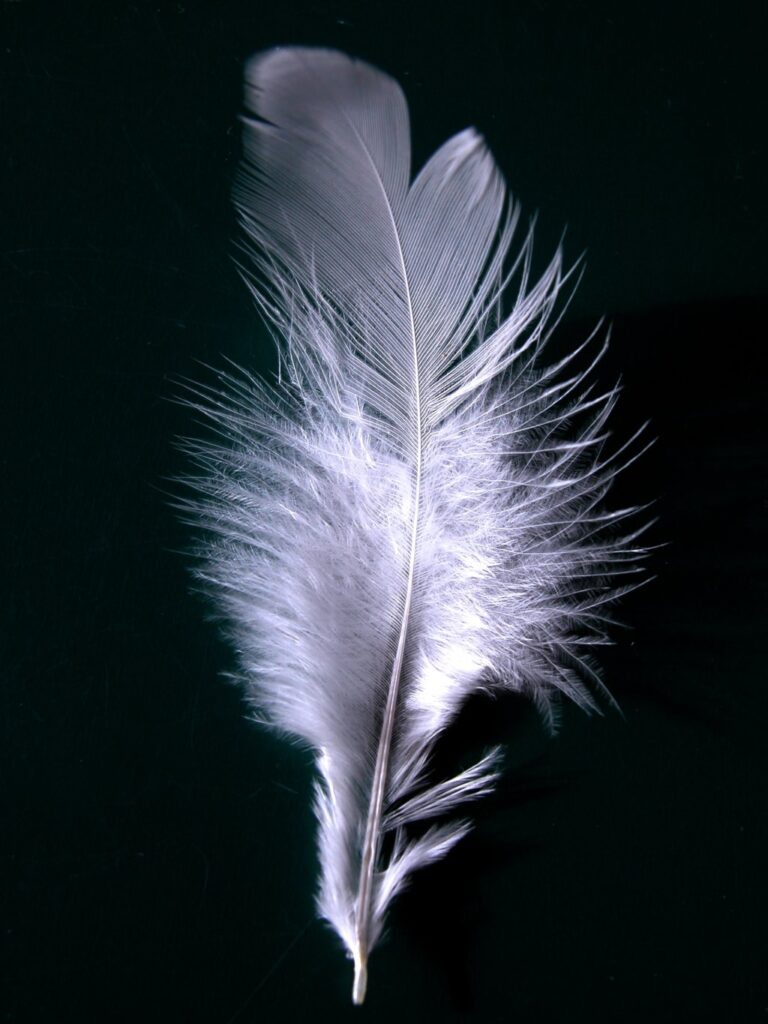
Identify a found feather by its type, size, color, and pattern. This guide covers common backyard feathers, plus the important law that makes keeping many feathers illegal.
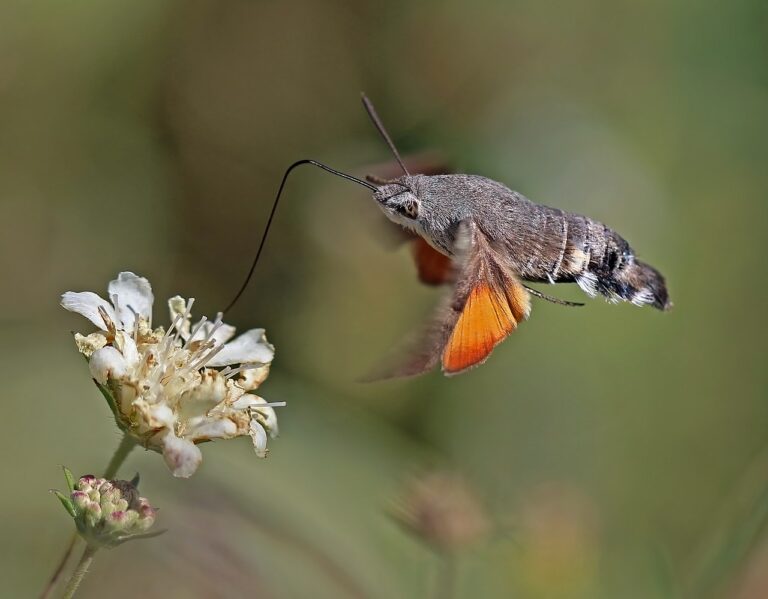
That tiny hovering hummingbird at your flowers is often not a bird at all, but a hummingbird moth. Here are the moths, insects, and birds most often mistaken for hummingbirds.
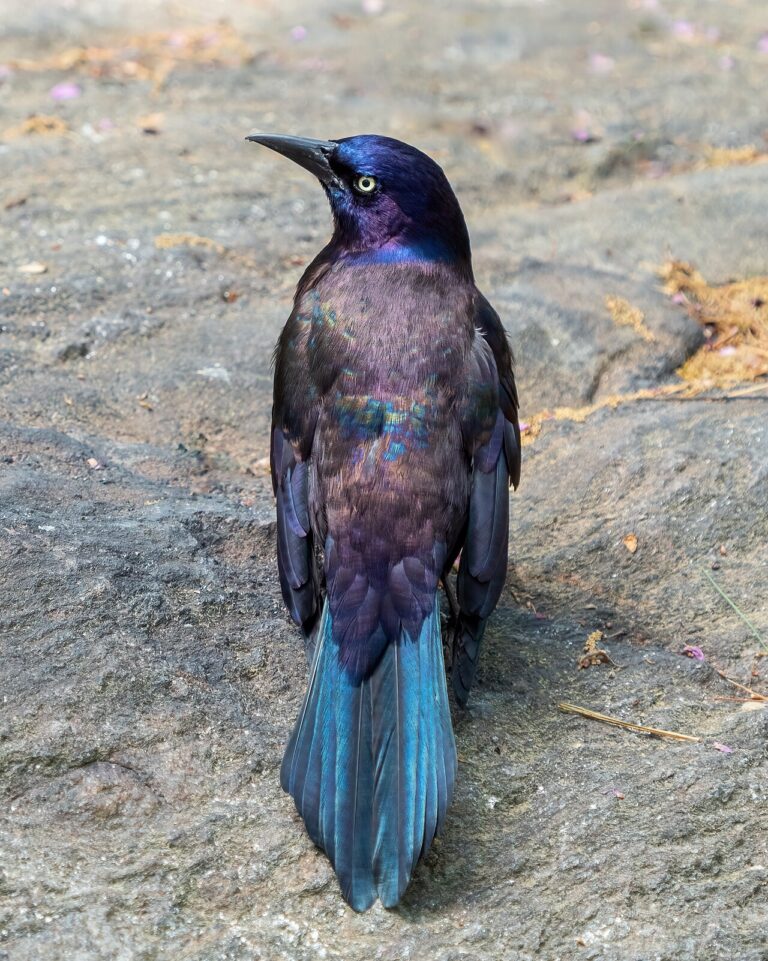
Grackles are larger with long keel-shaped tails and pale eyes; starlings are smaller, short-tailed, and speckled. Here is how to tell grackles, starlings, and cowbirds apart at a glance.
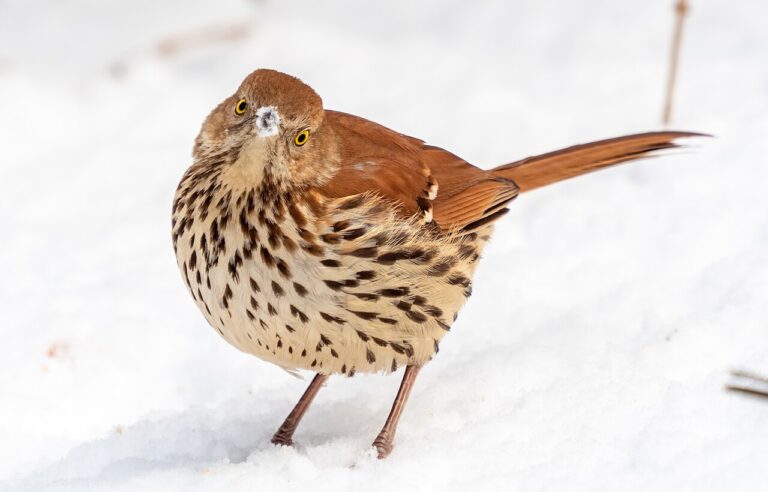
Gray with white wing flashes or rusty and streaked? Learn to separate the northern mockingbird vs brown thrasher by color, song repeats, and habitat.