Bird Poop Identification Guide
Bird poop is easy to identify once you know the basics: a typical dropping is part chalky white and part dark, because birds excrete waste and urine together, the white is uric acid (the bird equivalent of urine) and the dark center is feces. Color, size, and shape then tell you more, from the small splashes of songbirds to the large messes of geese, and the color often reflects what the bird has been eating. This guide covers how to identify bird droppings by color and size, whether bird poop is dangerous, how to clean it off your car and other surfaces, and the surprising folklore, including whether it really is good luck, plus the insects that disguise themselves as bird droppings.
| Color | Likely cause |
|---|---|
| White and dark (normal) | Uric acid plus feces, a healthy dropping |
| Green or brown | Seed and plant diet; often normal |
| Purple or red | Berries, especially mulberries and elderberries |
| Very watery | A fruit-heavy diet or a bird that drank a lot |
| Large and tubular | Geese, ducks, or other big birds |
A typical bird dropping is part chalky white and part dark, because birds pass waste and urine together: the white is uric acid and the dark centre is feces. Color and size narrow the species, and a purple or red dropping almost always means a berry diet rather than blood.
What bird poop looks like and why it is white
The classic bird dropping is a splash of white with a darker center, and there is a tidy biological reason. Birds do not urinate separately the way mammals do. Instead of producing liquid urine, they excrete nitrogen as uric acid, a white, pasty substance, and it exits through the same opening as their feces, the cloaca, at the same time. So the white part is essentially the bird’s urine and the dark part is the digested food. This combined waste is why bird droppings almost always show that two-tone look.
Excreting uric acid instead of watery urine is an adaptation for flight: it saves weight and water. That is also why bird poop dries into a hard, chalky crust. As the Cornell Lab of Ornithology explains, excreting nitrogen as white uric acid instead of liquid urine is a water-saving adaptation for flight. Understanding this makes identification intuitive, if you see the white-plus-dark signature, you are almost certainly looking at bird droppings rather than those of a mammal or reptile.
Identifying bird poop by color
Color is the most useful identification clue because it reflects diet. Normal droppings are white and brown or black. Green or olive droppings are common in birds eating lots of seeds and plants and are usually normal. Purple, red, or magenta droppings almost always mean the bird has been gorging on berries, mulberries, elderberries, and pokeberries are frequent culprits, and this colorful, staining poop peaks in late summer. Very watery droppings often come from fruit-heavy diets or a bird that has drunk a lot of water.
Unusually colored droppings are rarely cause for alarm and almost always trace back to food. The staining kind, though, matters for practical reasons: berry-season droppings can permanently mark light-colored cars and patios if left too long. If you are trying to figure out which bird is responsible, combining the color clue with size and location, plus our backyard bird ID guide, usually points to a culprit.
Identifying bird poop by size and bird
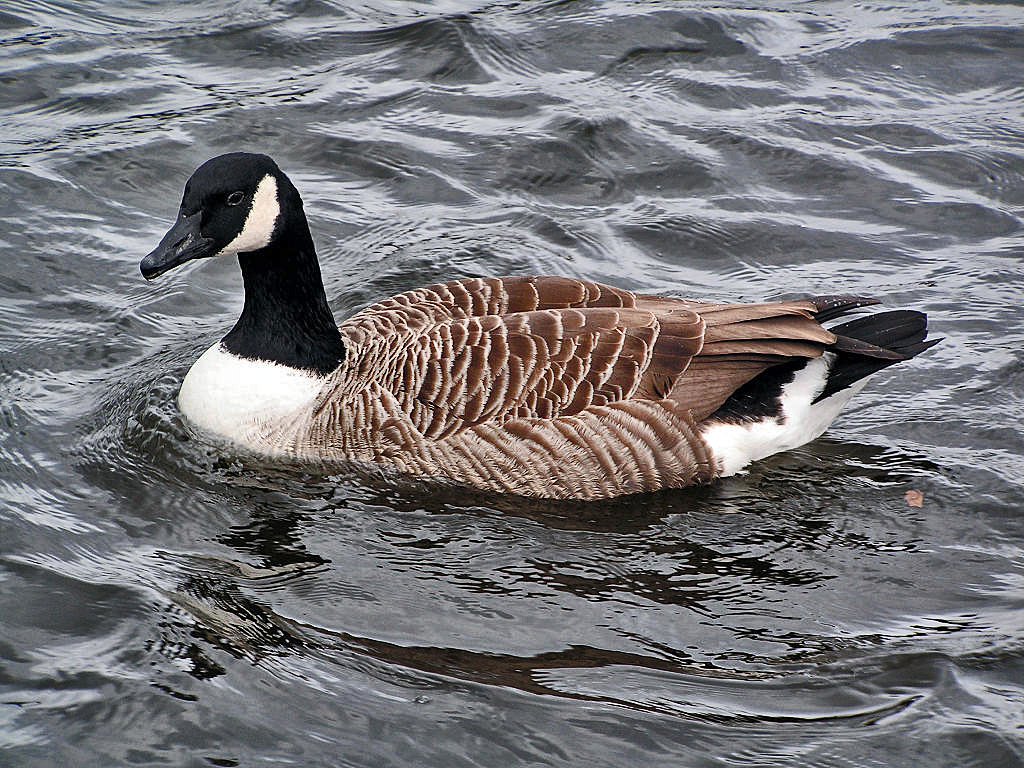
Size scales with the bird. Small songbirds like finches and sparrows leave modest splashes, while a cardinal or robin leaves something a bit larger. Pigeons and doves produce rounder, more substantial droppings, and large waterfowl such as geese and ducks leave big, tubular, often green droppings, geese are notorious for coating lawns and paths. Birds of prey are different again: much of what an owl or hawk expels comes out as a regurgitated pellet of fur and bones, separate from their liquid droppings.
Location adds context. Droppings clustered under a specific perch, a wire, a branch, a ledge, point to a favorite roost above. A concentrated pile suggests a bird spends a lot of time there, which can help you find a nest or roost. This is the same clue-reading approach used in our feather ID and nest ID guides.
Is bird poop dangerous?
For most people, an occasional bird dropping is a low risk, but it is not something to handle casually. Bird droppings can carry pathogens, and the two most cited are histoplasmosis, a lung infection caused by a fungus that can grow in soil enriched by accumulated droppings (especially from large roosts of pigeons, starlings, or bats), and psittacosis, a bacterial infection. The real risk comes mainly from large accumulations of dried droppings, where disturbing the material sends spores into the air to be inhaled.
The sensible precautions are simple. Do not handle droppings with bare hands, wear gloves and, for big cleanups of dried droppings, a mask, and dampen dried droppings before cleaning so they do not become airborne. Wash your hands afterward. A single fresh splat on your windshield is not a health emergency, but a large, long-standing buildup in an attic, barn, or under a major roost warrants care and sometimes professional cleaning. When in doubt about a health concern, it is always reasonable to consult a doctor or local health department.
How to clean bird poop off your car and surfaces
On a car, speed matters. Fresh droppings are acidic and, combined with sun, can etch clear coat and paint within a day or two, so remove them promptly. Soften the dropping first with a wet cloth or a spray of water (or a dedicated cleaner) laid over it for a minute, then wipe gently rather than scrubbing, which grinds grit into the paint. A follow-up wash and a coat of wax add protection against future stains. For stubborn dried spots, repeat the soak rather than forcing it.
On concrete, decks, and patios, the same soak-then-rinse approach works, with a stiff brush and soapy water or a diluted cleaner for set-in stains; a pressure washer helps on large areas. Wear gloves throughout. Prompt, gentle cleaning protects surfaces and reduces any lingering health risk from droppings sitting and drying in place.
Folklore and the animals that mimic bird poop
Bird droppings have a surprising cultural life. A widespread superstition holds that a bird pooping on you is good luck, sometimes said to bring wealth, an old bit of folk optimism that reframes an unpleasant surprise as a fortunate sign. Like all such beliefs it is folklore rather than fact, but it is a cheerful way to shrug off the moment; you can explore this kind of lore in our guide to bird symbolism.
Nature has its own trick: several creatures survive by imitating bird droppings so predators pass them by, a strategy called masquerade. The larvae of several swallowtail butterflies look convincingly like a fresh white-and-brown splat, the bird-dropping moth mimics the same, and some spiders and beetles do too. So if a “dropping” on a leaf suddenly moves, you have found a caterpillar or insect wearing one of nature’s most unglamorous but effective disguises. It is a reminder that reading the signs birds leave behind, droppings included, opens a window onto the whole ecosystem.
Droppings as a clue to roosts and problems
Droppings are useful evidence. A concentrated splatter under a specific spot, a beam, a ledge, a favorite branch, marks a regular perch or roost above, which can help you locate a nest or simply understand which birds use your space. Heavy accumulation in a gutter, attic, barn, or under a bridge signals a substantial roost and is worth addressing, both for cleanliness and because large dried buildups carry the main health risk.
White streaking down a wall or fence usually points to a raptor or a bird that perches high, while scattered small droppings across a patio suggest active songbird feeding overhead. Reading droppings this way is the same detective skill used in our feather and nest guides, turning an annoyance into information about who is living around you.
Protecting your car’s paint from droppings
Because droppings can permanently etch clear coat, a little prevention saves money. Where you can, park under cover or away from wires, ledges, and fruit-bearing trees that concentrate birds overhead, and be especially careful in berry season when staining, acidic droppings peak. A fresh coat of wax or a paint sealant gives the surface a sacrificial layer, so droppings sit on the wax rather than biting into the paint.
When a dropping does land, remove it the same day: soak it soft, wipe gently, and rinse, never dry-scrub. Keeping a few detailing wipes in the car makes prompt removal easy. These small habits, cover, wax, and quick cleanup, prevent the etched rings that dried droppings leave behind, and they double as good general car care.
Related reading: Coyote Poop.
Related reading: Coyote Poop.
Related reading: Coyote Poop.
Related reading: Coyote Poop.
Related reading: Coyote Poop.
Related reading: Coyote Poop.
Related reading: Coyote Poop.
Related reading: Coyote Poop.
Related reading: Coyote Poop.
Related reading: Possum Poop.
Related reading: Animal Poop Identification.
Why Bird Poop Turns Purple or Red
Purple, magenta or deep red bird droppings are a diet signal, not a health problem. They come from berries, and the pigments responsible are anthocyanins, which pass through a bird’s short digestive tract largely unchanged. Mulberries, elderberries, pokeweed, serviceberry and wild grapes all produce the effect, and pokeweed in particular gives an intense purple that stains paint and concrete.
The timing is seasonal and regional. Expect purple droppings from midsummer into autumn wherever fruiting shrubs are close to a perch, roof edge or wire, and expect the birds responsible to be robins, starlings, waxwings, catbirds or grackles, all heavy fruit eaters. Cars parked under a fruiting tree collect the worst of it, and the acidity means it should be washed off rather than left to bake on.
Droppings that are genuinely bloody look different: bright red streaking mixed through otherwise normal feces rather than uniform color. That belongs with sick or dead birds, which state agencies and the USGS National Wildlife Health Center ask the public to report during disease events.
Frequently Asked Questions
Why is bird poop white?
The white part is uric acid, the bird equivalent of urine. Birds excrete nitrogen waste as white uric acid rather than liquid urine to save water and weight for flight, and it exits together with the darker feces.
How do I identify bird poop by color?
Normal droppings are white and dark. Green or brown usually means a seed and plant diet, while purple or red almost always comes from eating berries like mulberries or elderberries.
Is bird poop toxic or dangerous?
An occasional dropping is low risk, but large accumulations of dried droppings can carry pathogens like histoplasmosis and psittacosis. Wear gloves, dampen dried droppings before cleaning, and avoid inhaling the dust.
How do I clean bird poop off my car?
Act quickly, since droppings can etch paint. Soften the spot with a wet cloth or water for a minute, then wipe gently rather than scrubbing, and follow with a wash and wax for protection.
What does purple bird poop mean?
Purple or red droppings mean the bird has been eating berries such as mulberries, elderberries, or pokeberries. It is normal but can stain cars and patios, so clean it promptly.
Is bird poop good luck?
A common superstition says a bird pooping on you brings good luck and even wealth. It is folklore rather than fact, but many people enjoy it as a cheerful way to reframe the moment.
Does bird poop smell?
Fresh droppings from seed-eating backyard birds have little odor, but large accumulations, or droppings from birds on a fish or meat diet, can smell noticeably. Buildups in enclosed spaces smell the strongest.
What animal looks like bird poop?
Several creatures mimic bird droppings to avoid predators, including young swallowtail caterpillars, the bird-dropping moth, and some spiders and beetles. If a droppings-like spot moves, it is likely one of these.