Bird Nest Identification Guide
To identify a bird nest, read four clues together: where it is located, how big it is, what it is made of, and its overall shape. A tidy mud-lined cup in a tree fork suggests a robin; a flimsy platform of twigs on a branch points to a mourning dove; a tiny lichen-covered cup the size of a walnut is a hummingbird’s. Location and materials narrow the options fast, and shape, cup, platform, cavity, or pendant, usually names the family. This guide explains the main nest types, walks through common backyard nests by species, and covers the clues that separate them, along with the important legal rules that protect active nests. With a little practice, most nests you find become surprisingly easy to identify.
| Nest type | Typical builder |
|---|---|
| Neat mud-lined cup | American Robin |
| Flimsy twig platform | Mourning Dove |
| Bulky twig cup in a shrub | Northern Cardinal, Blue Jay |
| Tiny lichen cup | Hummingbird |
| Cavity in a tree or box | Chickadee, wren, woodpecker, bluebird |
| Hanging pendant pouch | Oriole |
How to identify a nest: four key clues
Nest identification comes down to four questions. First, location: is it in a tree fork, a dense shrub, on a building ledge, on the ground, inside a cavity, or hanging from a branch tip? Location alone rules out many species. Second, size: a nest can be as tiny as a walnut or as broad as a dinner plate, and size scales with the bird. Third, materials: twigs, grass, mud, moss, lichen, feathers, hair, or even string each point to different builders. Fourth, shape: the overall structure is often the clincher.
Reading these together is far more reliable than any single clue. A cup nest in a shrub could be several species, but a bulky cup of twigs lined with fine grass in a dense evergreen, at eye level, strongly suggests a Northern Cardinal. Pair your observations with our backyard bird ID guide to confirm which species share your yard. The Cornell Lab of Ornithology’s NestWatch project is an authoritative reference for identifying nests and monitoring them responsibly.
The main nest types
Most nests fall into a few architectural styles. A cup nest is the classic bowl, built by robins, cardinals, and most songbirds. A platform nest is a looser, flatter structure of sticks, used by doves and larger birds. A cavity nest sits inside a hole, a natural cavity, an old woodpecker hole, or a nest box, and is favored by chickadees, wrens, bluebirds, and woodpeckers themselves.
A pendant nest hangs like a woven pouch from the tip of a branch, most famously built by orioles. Ground nests are simple scrapes or grass cups on the ground, used by killdeer, many sparrows, and waterfowl. Some birds build almost no nest at all. Learning to name the type first, then working toward the species, turns a confusing tangle of twigs into a solvable puzzle.
Common backyard nests by species
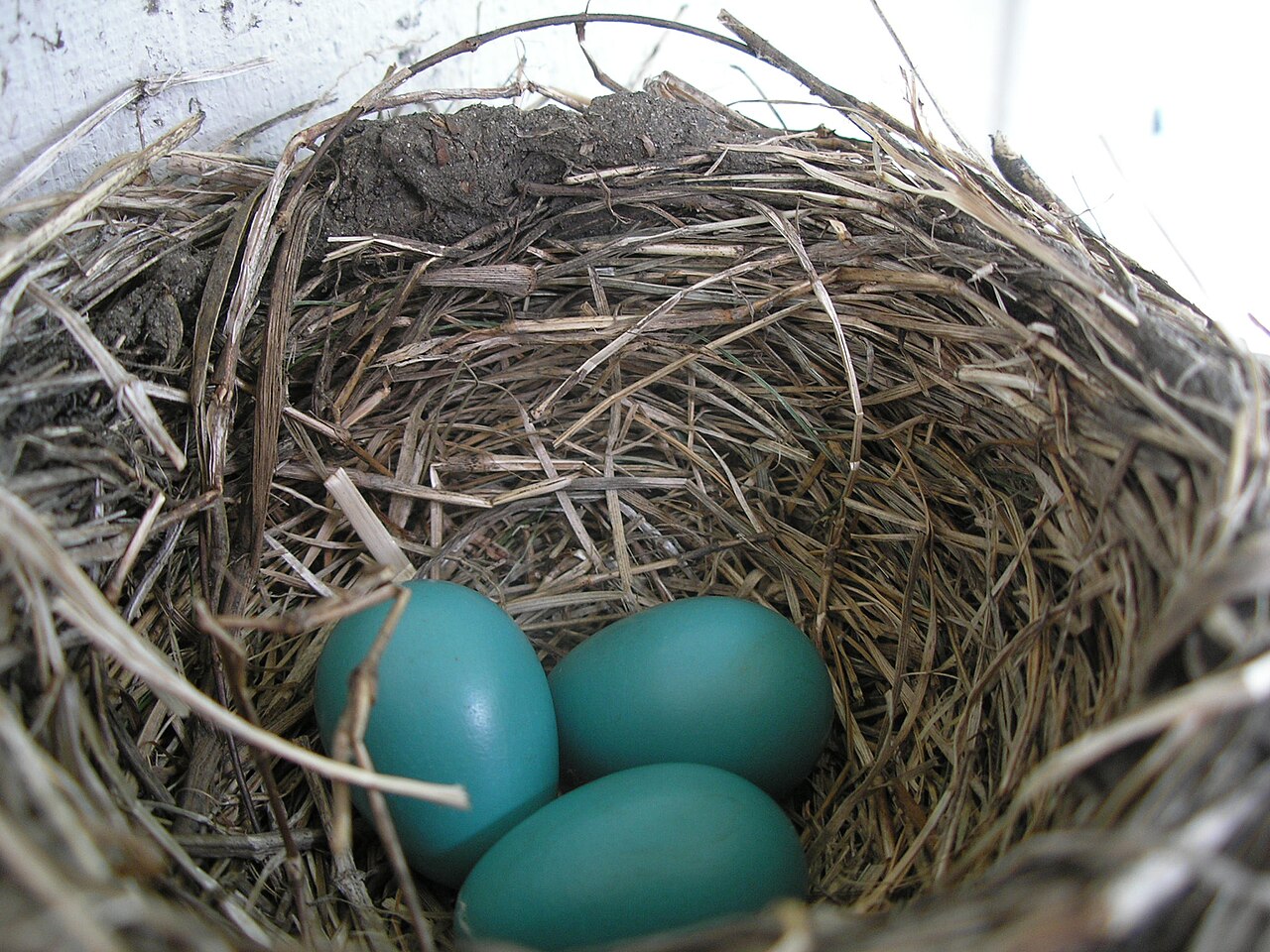
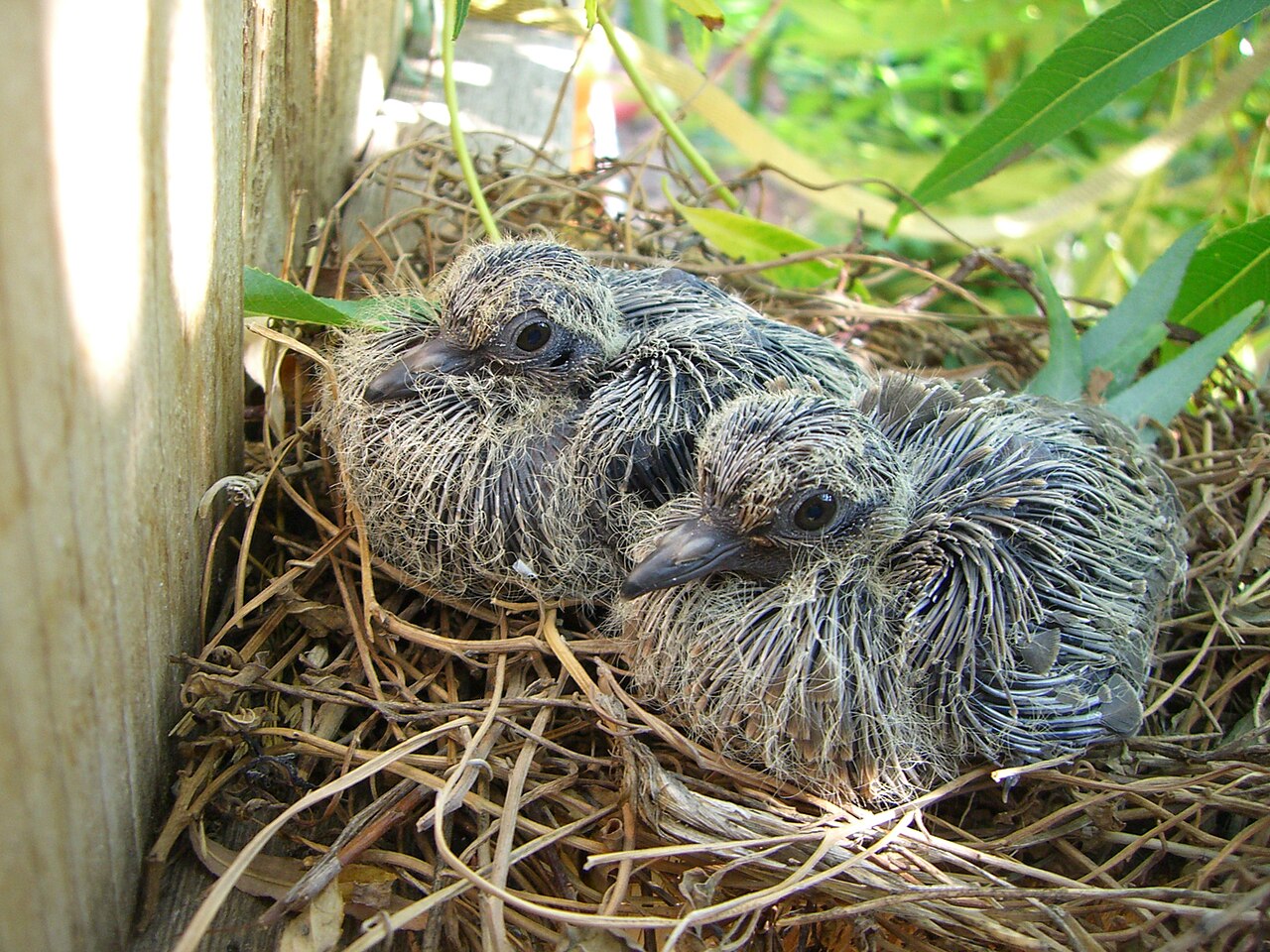
A few nests dominate North American yards. The American Robin builds a sturdy cup with a smooth mud lining, often on a ledge, gutter, or tree fork; the mud is a giveaway. The Northern Cardinal makes a bulky, slightly messy cup of twigs and bark tucked into a dense shrub. The Blue Jay builds a bulky twig cup, sometimes using mud, higher in a tree. The Mourning Dove is famous for a flimsy, almost see-through platform of twigs, often looking barely finished.
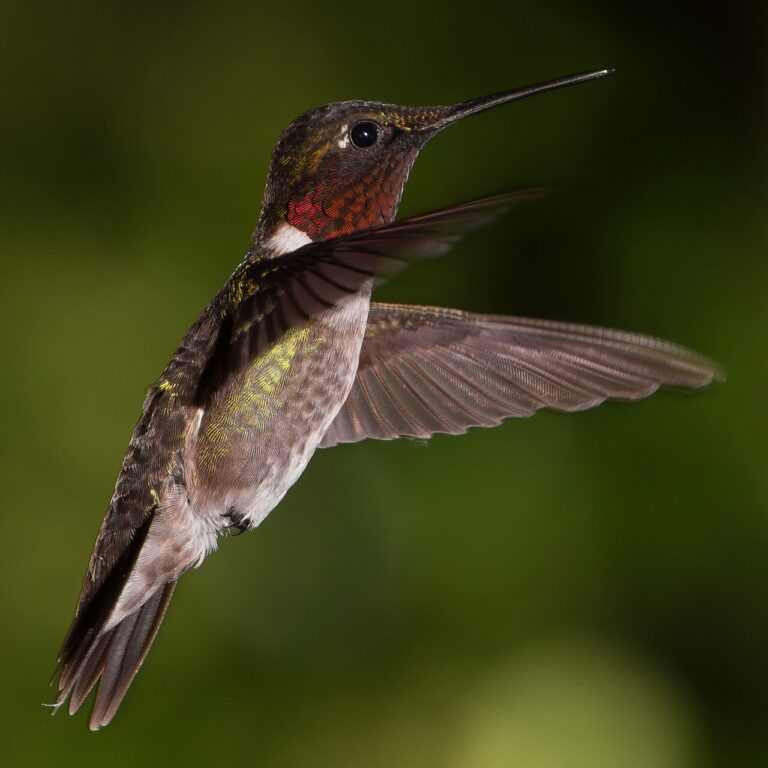
The House Finch nests in cups placed on ledges, wreaths, and hanging planters near homes. House Wrens and chickadees fill cavities and nest boxes with sticks and soft material. The hummingbird builds an exquisite, tiny cup of plant down bound with spider silk and camouflaged with lichen, often saddled on a thin branch. Orioles weave the remarkable hanging pouch. Each of these has a signature that, once learned, is hard to mistake.
Using location to narrow it down
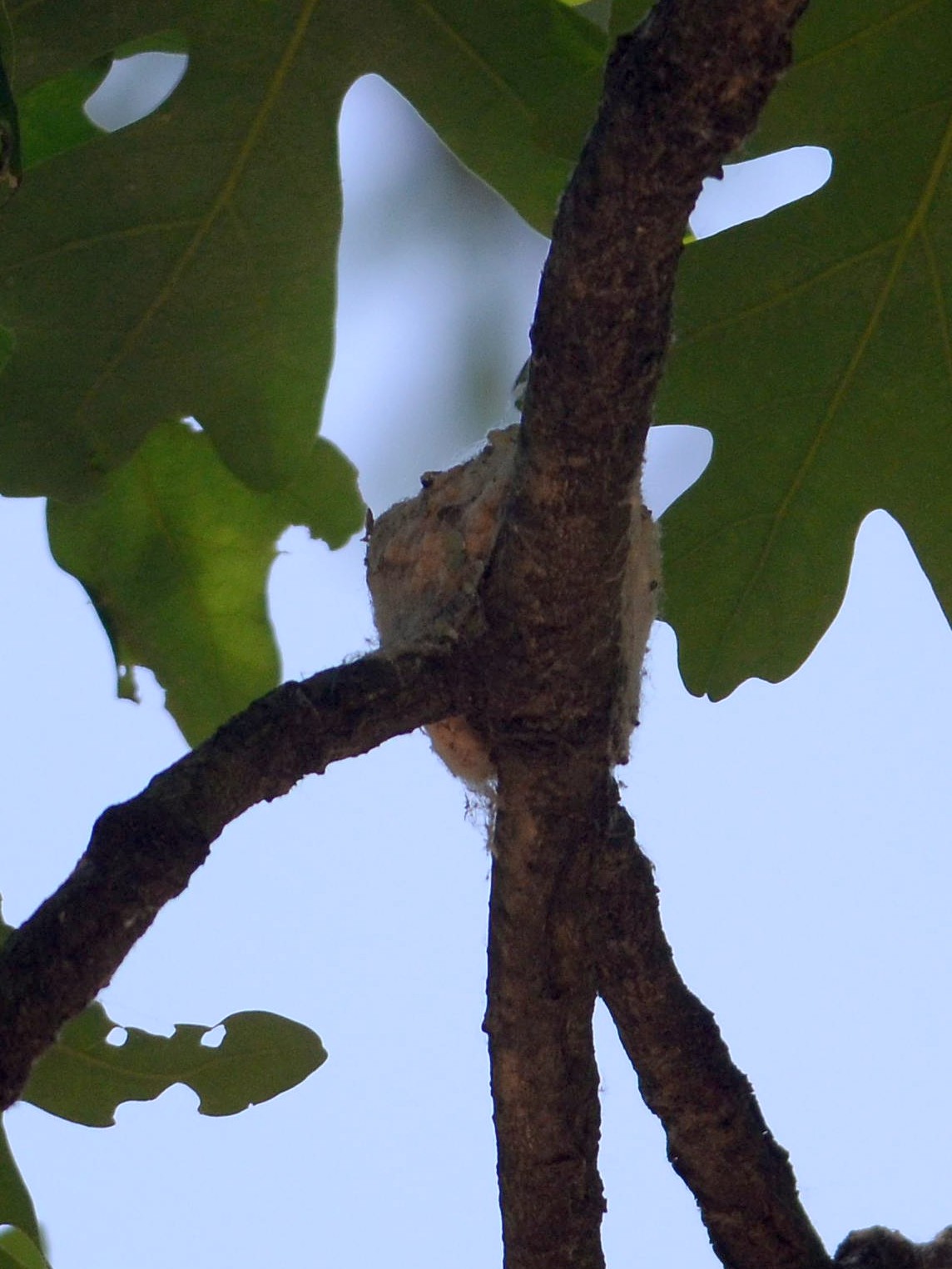
Where a nest sits is one of the best filters. A nest on a building ledge, light fixture, or gutter is often a robin, a house finch, or a phoebe. A nest deep in a dense shrub or hedge at eye level suggests a cardinal or mockingbird. A nest high in a tree could be a blue jay, an oriole (if hanging), or a larger bird. A nest inside a box or cavity points to chickadees, wrens, bluebirds, or woodpeckers.
A nest on the ground narrows to killdeer, certain sparrows, or waterfowl, and a nest hanging from a branch tip is very likely an oriole. Combining location with the nest’s materials and the birds you have actually seen nearby usually settles the identification. If you spot eggs, our bird egg identification guide adds another powerful clue, since egg color and spotting are often species-specific.
Nests through the seasons and after they empty
Timing helps too. Most backyard nesting happens in spring and early summer, so a fresh, well-kept nest in May or June is likely active, while a weathered, empty nest in fall is last season’s. Many birds do not reuse old nests, building fresh each year, though some, like robins, may nest again in the same favored spot. An empty nest in winter is a safe and fascinating time to study construction up close.
If you find a nest with eggs or chicks, the golden rule is to observe from a distance and not disturb it. Parents are often nearby even when you cannot see them, and repeated close visits can draw predators. Watching a nest cycle unfold, eggs, hatching, feeding, fledging, is one of the great rewards of backyard birding, and it is best enjoyed with patience and a respectful distance. See our baby bird guide for what happens after hatching.
The law: protecting active nests
Before touching any nest, know the rules. In the United States, the Migratory Bird Treaty Act makes it illegal to remove, move, or possess the active nests, eggs, or young of most native bird species. In practice this means you should not disturb a nest that contains eggs or chicks, and you generally cannot keep an old nest of a protected species either. The law protects the birds that make backyard birding possible.
There are narrow exceptions, and non-native species such as the House Sparrow, European Starling, and feral pigeon are not protected, but for native birds the safe course is to leave nests alone. If an active nest is in a genuinely problematic spot, contact a wildlife agency or licensed rehabilitator for guidance rather than moving it yourself. Identifying and appreciating nests from a respectful distance is the approach that keeps both you and the birds on the right side of the law, and it pairs naturally with our guides to feather and egg identification.
Nesting materials birds use, and how to help
Materials are one of the best nest clues, and they also reveal how you can help. Robins and phoebes rely on mud; most songbirds weave dry grass, plant fibers, and rootlets; hummingbirds bind plant down with spider silk and shingle the outside with lichen; and many birds line the cup with soft feathers, moss, or animal hair. Chickadees favor moss and fur, while orioles weave long plant fibers into their hanging pouch.
You can offer safe nesting material in spring: short lengths of natural twine, pet fur from a chemical-free brushing, and small piles of dry grass or moss. Avoid dryer lint (it crumbles when wet), long human hair and synthetic string (which can entangle birds), and anything treated with chemicals. A brush pile and native shrubs provide both materials and nest sites, an easy way to make your yard nest-friendly.
What to do if a nest is in an inconvenient spot
Sometimes a bird nests somewhere awkward, a door wreath, a grill, a mailbox. In the United States, if the nest is active (with eggs or chicks) it is protected by the Migratory Bird Treaty Act, so the lawful and kind response is usually to wait. Most songbirds complete a nesting cycle in only about three to four weeks from first egg to fledging, after which the young leave and you can remove the empty nest.
If waiting truly is not possible, or the nest belongs to a non-native species like a House Sparrow or starling that is not protected, contact a local wildlife agency or licensed rehabilitator for guidance before acting, rather than moving an active nest yourself, which often dooms the young. Planning ahead, taking down old nests and blocking tempting nooks before nesting season starts in early spring, prevents the dilemma entirely. Our baby bird guide explains what is happening inside during those few busy weeks.
Related reading: Bird Poop Identification Guide.
Frequently Asked Questions
How do I identify a bird nest?
Read four clues together: the nest’s location, size, materials, and shape. For example, a mud-lined cup suggests a robin, a flimsy twig platform suggests a mourning dove, and a tiny lichen cup is a hummingbird’s.
How can I tell whose nest it is by location?
Location is a strong filter. Ledges and gutters suggest robins or phoebes, dense shrubs suggest cardinals, cavities and boxes suggest chickadees and wrens, and a hanging pouch at a branch tip is almost always an oriole.
What does a robin nest look like?
An American Robin nest is a sturdy cup with a distinctive smooth mud lining, usually placed on a ledge, gutter, or tree fork. The mud bowl is the easiest way to recognize it.
What does a mourning dove nest look like?
Mourning Doves build a famously flimsy, loose platform of twigs, often so thin you can nearly see through it. It usually sits on a horizontal branch or ledge and looks barely finished.
What does a hummingbird nest look like?
A hummingbird nest is a tiny cup, about the size of a walnut, made of soft plant down bound with spider silk and camouflaged on the outside with lichen. It is usually saddled on a thin branch.
Is it illegal to remove a bird nest?
In the United States, yes for most native species. The Migratory Bird Treaty Act makes it illegal to remove or possess active nests, eggs, or young of protected birds. Non-native species like House Sparrows and starlings are exceptions.
Do birds reuse old nests?
Many birds build a fresh nest each year rather than reusing an old one, though some, like robins, may nest again in a favored location. An old, weathered, empty nest is usually from a previous season.
What should I do if I find a nest with eggs?
Observe from a distance and do not disturb it. Parents are often nearby even when unseen, and close visits can attract predators. If the nest is in a truly problematic spot, contact a wildlife agency for guidance.