How Long Do Birds Live? Lifespan by Species
How long do birds live? The answer ranges from just a couple of years to well over seven decades, depending entirely on the species. Most small backyard songbirds live only two to five years in the wild, worn down by predators, weather, and their own fast metabolisms, while large seabirds and parrots can live 50, 60, even 70 years or more. Understanding bird lifespans reveals why the little birds at your feeder turn over so quickly and why a pet parrot can be a lifelong companion. This guide breaks down how long different birds live and why.
| Small songbirds | 2 to 5 years in the wild |
| Cardinals, jays | Often 5 to 10+ years |
| Crows, larger birds | 10 to 20 years |
| Large parrots | 50 to 80 years |
| Longest lived wild bird | Albatross over 70 years |
| Biggest killer | The first year of life |
| How we know | Bird banding records |
Most small backyard songbirds live two to five years in the wild. Larger birds live far longer: crows reach 15 to 20 years, large parrots 50 to 80, and the oldest recorded albatross passed 70. Banding recoveries, not captive birds, give the reliable wild figures.
How Long Do Backyard Birds Live?
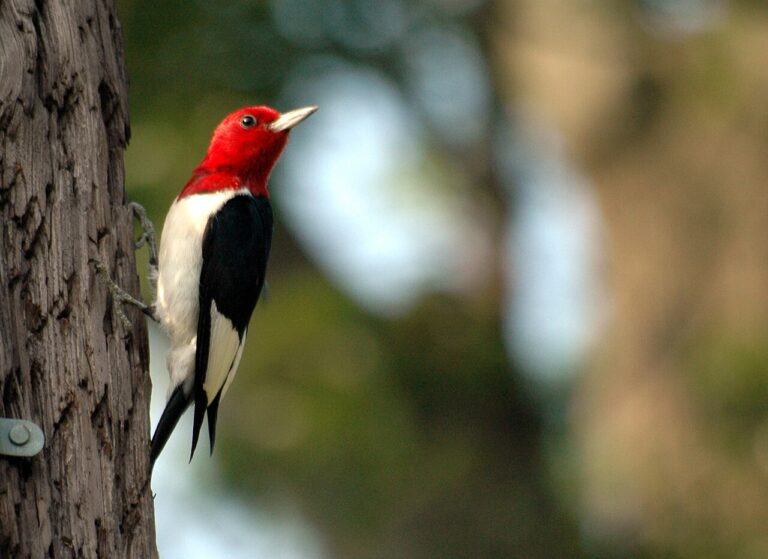
The small birds that brighten a backyard live surprisingly short lives on average. Chickadees, finches, sparrows, and wrens typically average just two to five years in the wild. That average is dragged down by brutally high mortality in the first year, when inexperienced young birds are most likely to die. Birds that survive that dangerous first year often do considerably better, and individuals of these small species can reach the upper single digits or beyond. Larger and hardier backyard birds tend to live longer: cardinals and blue jays often reach the high single digits, and some banded individuals have lived well past ten. So the flock at your feeder is constantly renewing itself, with a mix of young birds and a few seasoned survivors.
Why Do Small Birds Have Such Short Lives?
Small birds live fast and die young for several reasons. They are prey for hawks, owls, cats, snakes, and many other predators, so danger is constant. They endure harsh weather, food shortages, disease, and the collisions and hazards of a human dominated landscape. On top of that, a tiny body with a high metabolism leaves little margin for error; a few bad days without food can be fatal. The single deadliest period is the first year of life. According to the Cornell Lab of Ornithology, a large fraction of songbirds do not survive their first twelve months, which is why average lifespans look so short even though a lucky survivor may live for years. Learn how they cope with cold nights in our guide to how birds sleep.
Which Birds Live the Longest?
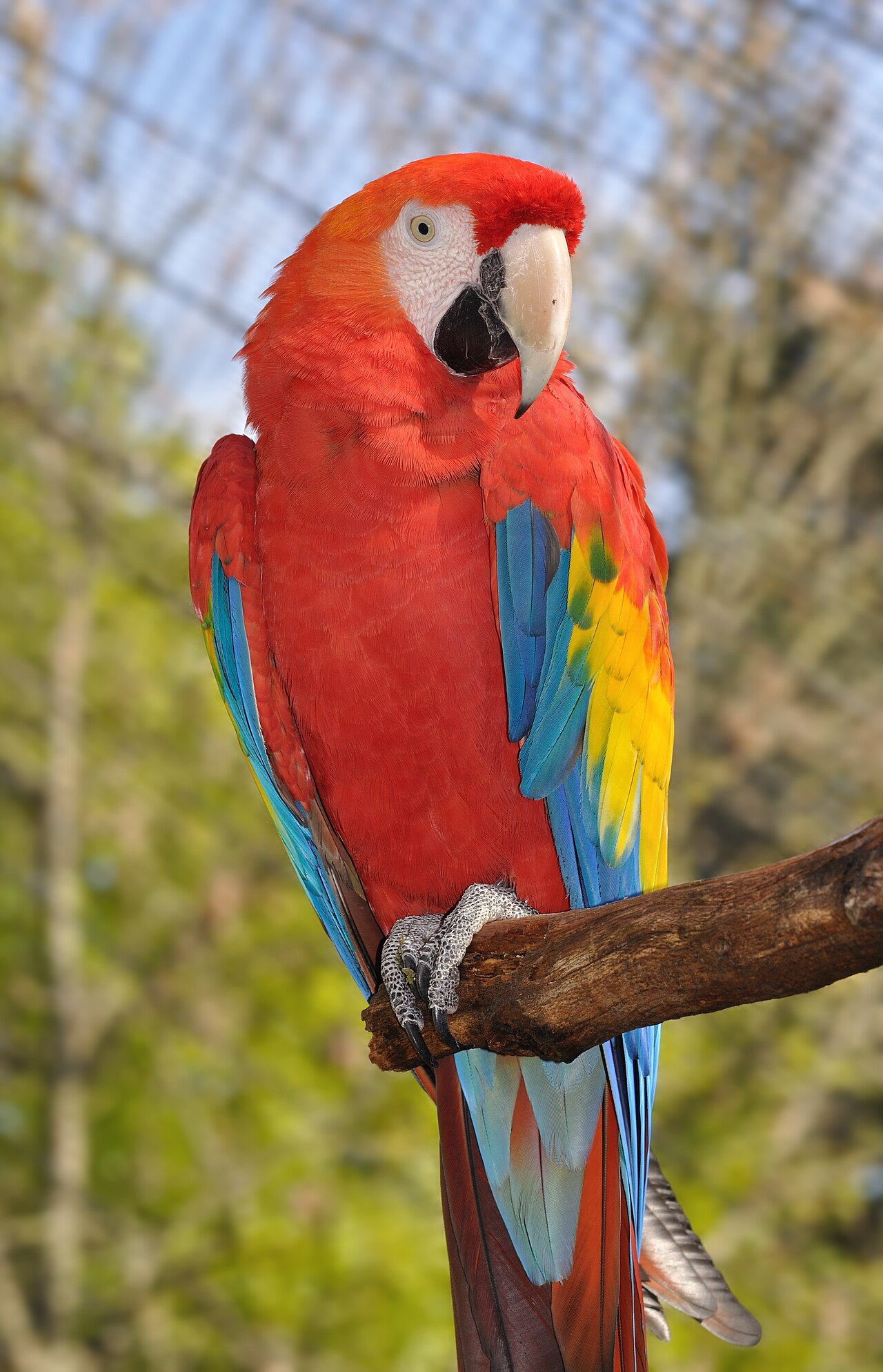
At the other extreme are the great longevity champions of the bird world: large seabirds and parrots. The most famous is a wild Laysan albatross named Wisdom, who is over 70 years old and, remarkably, has continued to hatch and raise chicks, making her the oldest known wild bird. Large parrots are the longevity stars of captivity; macaws and cockatoos can live 50 to 80 years, and a big parrot may outlive the person who raised it. Other long lived birds include large raptors, cranes, swans, and many seabirds. The pattern is clear: bigger, slower breeding birds that face fewer daily dangers tend to live far longer than small, fast breeding songbirds.
How Long Do Pet Birds Live?
Pet and captive birds generally outlive their wild counterparts, because they are shielded from predators and weather, fed reliably, and given veterinary care. A budgerigar commonly lives 5 to 10 years, a cockatiel 15 to 20, and a large parrot such as an African gray or macaw 50 years or more with good care. This has an important practical implication: adopting a large parrot is a decades long, sometimes lifelong, commitment, and these birds often need to be placed in wills. The same protective factors that extend a pet’s life explain why zoo birds and captive breeding programs can nurse threatened species toward much longer lifespans than they would achieve in the wild.
Wild vs Captivity, and How We Know
As a rule, birds live longer in captivity than in the wild, sometimes double or triple their natural lifespan, because captivity removes the predation, starvation, and exposure that kill most wild birds. But how do scientists actually measure any of this? The answer is bird banding. Researchers fit birds with tiny numbered leg bands, and when a banded bird is later recaptured, resighted, or found, the band reveals exactly how old it is. Decades of banding records, gathered by professionals and volunteers, are the source of nearly every longevity record we have, including Wisdom the albatross. This patient, long term science is what lets us answer how long birds really live. To explore the traits that help some birds survive longer, see our guides to the smartest birds and birds that mate for life.
What Determines a Bird’s Lifespan?
Several factors combine to set how long a given bird is likely to live, and understanding them explains the huge range across species. Body size is the biggest single predictor: larger birds almost always live longer than smaller ones, because they face fewer predators and run slower metabolisms. Metabolic rate matters too, as the fast burning engines of tiny birds seem to wear out sooner. Predation pressure is enormous for small, vulnerable species and light for large or well defended ones. Reproductive strategy plays a role, with fast breeding birds tending toward shorter lives and slow breeders toward longer ones. Finally, environment and luck weigh heavily, since disease, weather, food supply, and human hazards all take a toll. No single factor decides a lifespan; it is the interaction of size, metabolism, danger, and chance that sets the clock for each species.
How to Help Birds Live Longer in Your Yard
Because so much bird mortality comes from preventable hazards, a thoughtfully managed yard can genuinely extend the lives of the birds that use it. Keeping cats indoors removes one of the largest human caused sources of bird deaths. Making windows visible with decals or screens reduces fatal collisions. Providing clean feeders and fresh water, and cleaning them regularly, prevents the spread of disease that can sweep through feeder flocks. Offering natural food through native plantings and keeping some brushy cover gives birds shelter from both predators and weather. Avoiding pesticides protects the insect food that many birds and their chicks depend on. None of these steps guarantees a long life for any individual bird, but together they tilt the odds, helping more of your backyard visitors survive their dangerous early years and beyond. Our bird identification guide helps you get to know the individuals you are helping.
Related reading: do birds have teeth.
How Long Do Hummingbirds Live?
Ruby-throated Hummingbirds average three to five years in the wild, and the oldest on record was a banded female of at least nine years. That is remarkable for a bird weighing about three grams, since body size and lifespan usually track together closely.
The averages hide a brutal first year. Roughly half of all hummingbirds die before their first birthday, worn down by the demands of migration, cold snaps and predation while inexperienced. A hummingbird that survives its first migration has substantially better odds thereafter, which is why the average and the maximum sit so far apart. Western species show a similar pattern, with the record for a Broad-tailed Hummingbird standing at over twelve years.
How Do We Know How Long Wild Birds Live?
Nearly every wild lifespan figure comes from bird banding. A numbered aluminum band is fitted to a bird’s leg, and if that bird is later recaptured, found dead or read in the field, the elapsed time between the two records gives a minimum age. Because the bird was already at least a few months old when banded, every published longevity record is a floor rather than a true age.
This is why banding numbers and captive numbers should never be compared directly. A captive parrot with veterinary care and no predators can far exceed anything its wild relatives manage. The USGS Bird Banding Laboratory holds the North American recovery records that most published longevity figures are drawn from.
Related reading: Holland Lop Lifespan.
Frequently Asked Questions
How long do birds live?
It varies enormously by species. Many small backyard songbirds live only two to five years in the wild, while larger birds live much longer. Some parrots and large seabirds can live 50 years or more, and the oldest known wild bird, an albatross, has passed 70.
How long do backyard birds live?
Most small backyard birds like chickadees, finches, and sparrows have average lifespans of just two to five years in the wild, though individuals that survive their first year can live longer. Cardinals and blue jays often reach the upper single digits, and some live over ten years.
Why do small birds have short lifespans?
Small birds face heavy predation, harsh weather, disease, and the constant energy demands of a fast metabolism. The first year is especially deadly. Those that survive to adulthood have a better chance, but few reach old age because so many hazards surround them.
What bird lives the longest?
Large seabirds and parrots are the longevity champions. A wild Laysan albatross named Wisdom is over 70 years old and still raising chicks, and large parrots like macaws and cockatoos can live 50 to 80 years, sometimes outliving their owners.
How long do pet birds live?
Pet birds often live longer than wild ones because they are protected from predators and weather. Budgies live around 5 to 10 years, cockatiels 15 to 20, and large parrots 50 or more, so a big parrot is a lifelong commitment.
Do birds live longer in captivity or the wild?
Generally longer in captivity, where they are safe from predators, have reliable food, and receive veterinary care. Wild birds face far higher mortality, so a species may double or triple its lifespan when kept safely as a pet or in a zoo.
How do scientists know how long birds live?
Mainly through bird banding. Researchers place a numbered band on a bird’s leg, and when that bird is recaptured or found years later, the band reveals its age. Decades of banding data provide the longevity records we have today.