Largest Birds in the World: Giants of the Sky and Ground
The largest birds in the world are giants that stretch the limits of what a bird can be. The common ostrich towers up to nine feet tall and outweighs a grown man, while the wandering albatross spreads wings nearly eleven feet across to glide over the open ocean. From flightless runners to soaring seabirds to powerful condors, the biggest birds are among the most impressive animals alive. This guide ranks the largest birds by height, weight, and wingspan, explains why the biggest cannot fly, and looks back at the true titans that once existed.
| Largest overall | Common ostrich, up to 9 ft tall, over 300 lb |
| Largest wingspan | Wandering albatross, up to about 11 ft |
| Heaviest flying bird | Great bustard and kori bustard, up to about 40 lb |
| Largest bird of prey | Andean condor, wingspan over 10 ft |
| Largest in North America | California condor, about 9.5 ft wingspan |
| Largest ever | Elephant bird, perhaps half a ton (extinct) |
The Ostrich: Largest Bird in the World
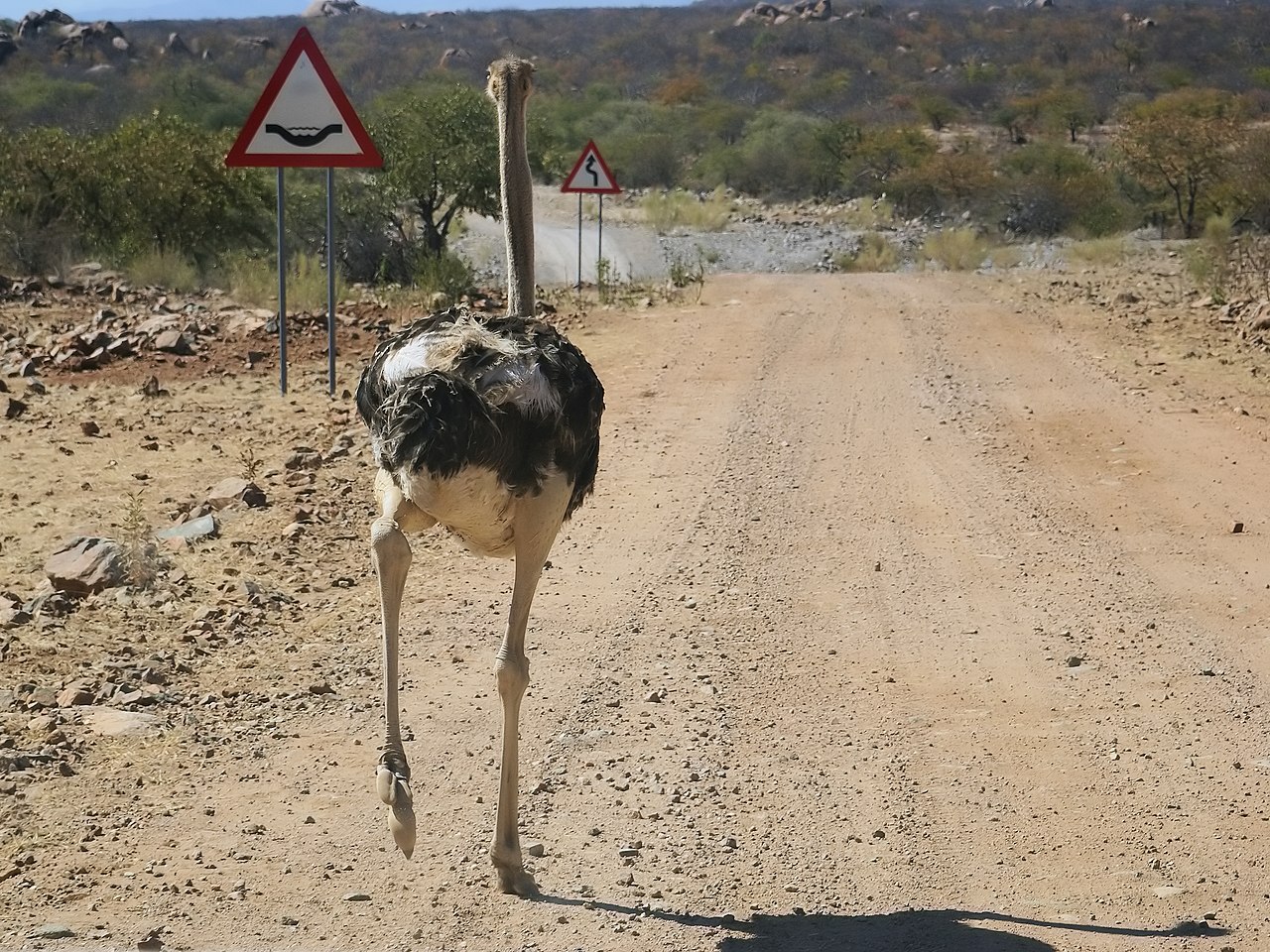
No living bird is larger than the common ostrich. This flightless giant of the African plains stands up to nine feet tall and can weigh well over 300 pounds. It cannot fly, but it makes up for that on the ground: the ostrich is the fastest running bird on Earth, sprinting at around 45 miles per hour on powerful two toed legs that can also deliver a dangerous kick. It lays the largest eggs of any living bird, each weighing about three pounds, and its eyes are the biggest of any land animal. The ostrich shows how a bird freed from the constraints of flight can grow to enormous size, investing in speed and strength instead of the air. Its smaller relatives, the emu and rhea, follow the same flightless giant blueprint.
The Largest Flying Birds
Flight puts a ceiling on size, because a bird must be light enough to get airborne. Two different birds claim largest flier depending on how you measure. By wingspan, the wandering albatross is unmatched, with wings reaching about eleven feet that let it glide over the Southern Ocean for hours or even days with barely a flap. By weight, the great bustard and the kori bustard are among the heaviest birds still capable of flight, tipping the scales at up to roughly 40 pounds, near the theoretical limit for a flying animal. According to the Cornell Lab of Ornithology, the albatross’s extreme wingspan is an adaptation for energy efficient soaring on ocean winds. These birds sit right at the boundary of what powered and gliding flight can support.
The Largest Birds of Prey
Among hunters and scavengers, the condors are the size champions. The Andean condor, with a wingspan exceeding ten feet, is often ranked the largest bird of prey by combined wingspan and weight, soaring over the mountains of South America on rising air. North America’s largest bird, the California condor, is close behind at about nine and a half feet and is a celebrated conservation success after coming back from the brink of extinction. For sheer hunting power rather than size, the massive harpy eagle of tropical forests is unrivaled, with talons the size of a bear’s claws. These giants of the birds of prey inspire awe wherever they soar.
The Largest Birds in North America
North America has its own impressive giants. The California condor claims the largest wingspan on the continent at roughly nine and a half feet. The heaviest native bird is the trumpeter swan, a magnificent white waterbird that can weigh over 25 pounds, and the American white pelican, with its nine foot wingspan and huge bill pouch, is another contender for biggest. Bald eagles and golden eagles, while smaller than condors, are the largest common raptors most people will see. Together these species prove you do not need to travel abroad to witness truly large birds. Compare them with the tiny end of the scale in our smallest birds guide.
The Largest Birds That Ever Lived
Today’s giants are modest compared to birds of the recent past. The elephant bird of Madagascar was a colossal flightless species that may have weighed half a ton, the heaviest bird known to science, and it survived until perhaps a thousand years ago. The tallest moa of New Zealand stood around twelve feet tall with its neck extended, browsing forests like a feathered giraffe until it was hunted to extinction within the last several centuries. Both were flightless, both grew enormous in the absence of large mammal predators, and both vanished after humans arrived. They are a reminder that the largest birds of all are gone, and that the ostrich, impressive as it is, is a survivor of a once grander lineage of avian giants. For more record holders, see the fastest birds and smartest birds.
How Large Birds Live Differently
Size shapes every aspect of a large bird’s life. Big birds generally live longer, breed more slowly, and invest heavily in fewer offspring than small birds do. An albatross may not breed until it is close to a decade old, then raise a single chick every year or two, a pace that only works because the adults live for decades. Large birds also tend to range widely, with big soaring species covering enormous territories in search of food. Their size protects them from most predators as adults, which is part of why they can afford slow, careful reproduction. This slow, long lived strategy is the mirror image of the fast, short lived approach of small songbirds, and it is one reason large birds are often more vulnerable to population declines: they simply cannot replace their numbers quickly when something goes wrong. Our guide to how long birds live explores this size and longevity link in detail.
Giant Birds and Conservation
Many of the world’s largest birds are also among its most threatened, and their size is part of the reason. Big birds need large territories, breed slowly, and often depend on specialized habitats, all of which make them sensitive to human pressures. The California condor famously dropped to just a couple dozen individuals before an intensive captive breeding program pulled it back from the edge, and it remains one of conservation’s landmark efforts. Large raptors, cranes, and albatrosses face threats from habitat loss, poisoning, fishing bycatch, and collisions. The extinction of the elephant bird and the moa, both hunted out after humans arrived, shows how vulnerable giant birds can be. Protecting today’s largest birds requires safeguarding the big wild spaces they need, a challenge that makes their continued survival a meaningful measure of conservation success. See the hunters among them in our birds of prey guide.
Frequently Asked Questions
What is the largest bird in the world?
The common ostrich is the largest bird in the world. It stands up to nine feet tall and can weigh over 300 pounds. It cannot fly, but it is the fastest running bird, reaching about 45 miles per hour, and it lays the largest eggs of any living bird.
What is the largest flying bird?
By wingspan, the wandering albatross has the largest of any living bird, up to about eleven feet. By weight, the great bustard and the kori bustard are among the heaviest flying birds, weighing up to roughly 40 pounds while still able to take off.
What bird has the largest wingspan?
The wandering albatross holds the record for the largest wingspan of any living bird, stretching up to around eleven feet. This immense wingspan lets it glide over the open ocean for hours, even days, with barely a wingbeat.
What is the largest bird of prey?
The Andean condor is often considered the largest bird of prey by combined wingspan and weight, with a wingspan over ten feet. The California condor is North America’s largest, and large eagles like the harpy eagle are the most powerful hunters.
What is the largest bird in North America?
The California condor is the largest bird in North America by wingspan, reaching about nine and a half feet. The trumpeter swan is the heaviest native bird, and the American white pelican also ranks among the biggest.
Why can’t the biggest birds fly?
The very largest birds, like ostriches and emus, are too heavy for flight. They evolved large size and running or defensive strategies instead of flying, investing in powerful legs rather than the flight muscles and light frame that flying demands.
How big were the largest birds ever?
Extinct birds dwarfed today’s. The elephant bird of Madagascar weighed perhaps half a ton, and the tallest moa of New Zealand stood around twelve feet. Both were flightless and have gone extinct in the last several centuries or millennia.