Smartest Birds in the World: Top Intelligent Species
The smartest birds in the world are the corvids, meaning crows, ravens, jays, and magpies, along with the parrots. These birds make and use tools, solve complex puzzles, recognize individual human faces, remember thousands of food caches, and in some cases use words meaningfully. Their intelligence rivals that of great apes on certain tests, which is astonishing given their tiny brains. This guide counts down the brainiest birds on the planet, explains what makes them so clever, and points out which genius birds might be visiting your own backyard.
| Top group | Corvids (crows, ravens, jays, magpies) and parrots |
| Tool use champion | New Caledonian crow |
| Language star | African gray parrot |
| Key abilities | Tool use, puzzle solving, face recognition, planning |
| Brain secret | Very high neuron density, not raw size |
| Backyard geniuses | Crows, ravens, blue jays, magpies |
Corvids: The Feathered Apes
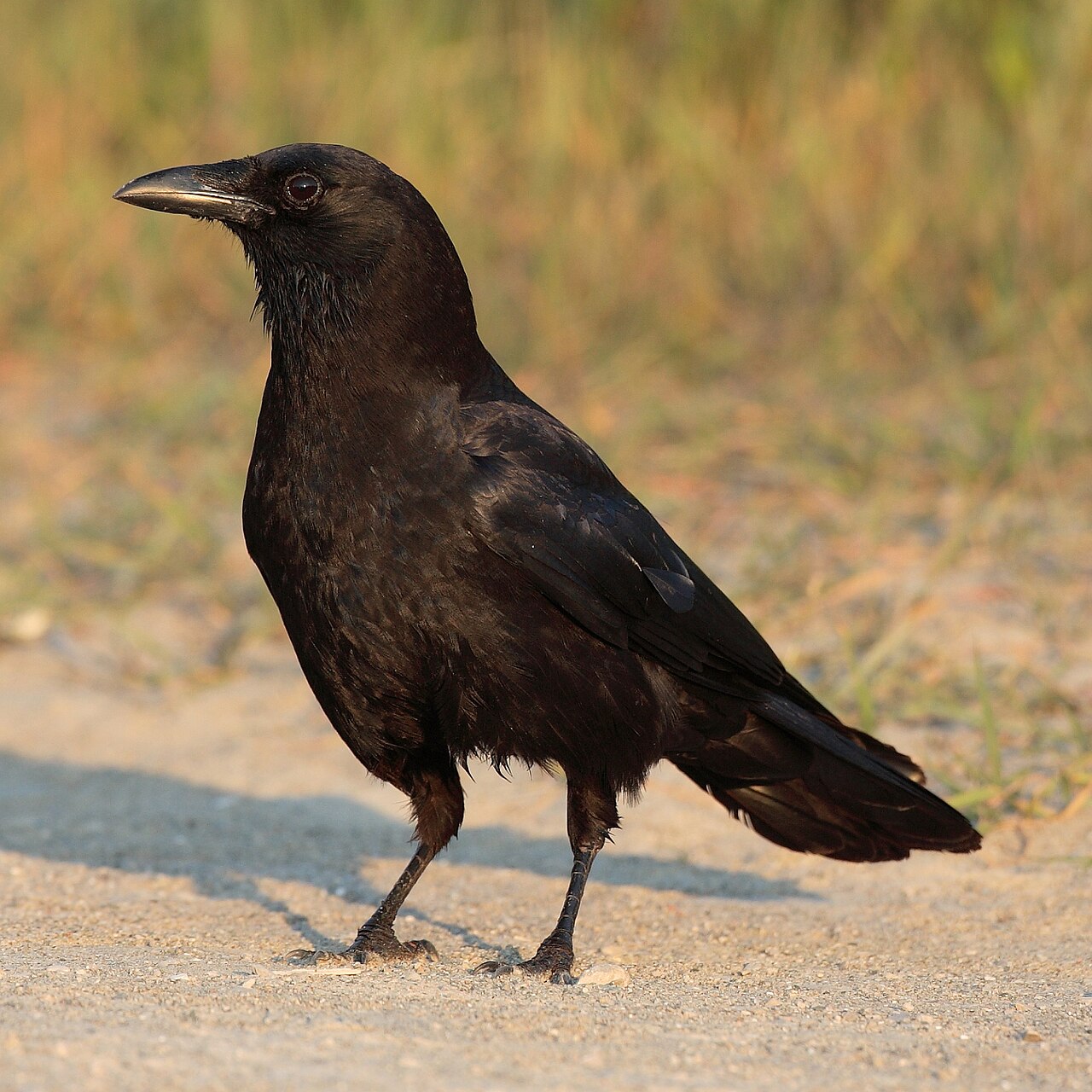
If one family owns the title of smartest birds, it is the corvids. Crows, ravens, jays, and magpies show a suite of cognitive abilities once thought unique to great apes. Crows make and use tools, and the New Caledonian crow is the standout: it crafts hooked twigs and barbed leaf strips to fish insects out of crevices, and in lab tests it can solve puzzles requiring several tools used in the correct sequence. Ravens appear to plan for the future, saving a tool to use later. Corvids also recognize individual human faces, remember who threatened them, and even seem to hold grudges and share that information socially. According to the Cornell Lab of Ornithology, this problem solving places corvids among the most intelligent animals on Earth. Learn more about their family in our guide to blackbirds and their relatives.
Parrots: Talkers and Problem Solvers
The other great intellect of the bird world is the parrot. Parrots have large brains relative to body size and are renowned for problem solving, social complexity, and vocal learning. The African gray parrot is the most celebrated. The best studied individual learned to identify dozens of objects, colors, shapes, and numbers, to understand concepts like same and different, and to use words in ways that suggested real comprehension rather than mere mimicry, performing at the level of a young child on some tasks. Parrots in the wild solve foraging challenges and navigate intricate social lives, and their capacity for vocal imitation is unmatched among birds.
Why Are These Birds So Smart? The Neuron Secret
For a long time, scientists puzzled over how such small brained animals could be so clever. The answer lies in neuron density. Research has shown that birds, especially corvids and parrots, pack neurons into their forebrains far more densely than mammals do. As a result, a crow or parrot can have a neuron count in the cognitive parts of the brain comparable to that of a monkey, all inside a brain a fraction of the size. This dense wiring, combined with a brain region that functions much like the mammalian cortex, gives these birds the processing power behind their tool use, memory, and problem solving. It is a completely different route to intelligence than the one mammals took, reaching a similar destination.
The Smartest Backyard Birds
You do not need to travel to see brilliant birds; some of the smartest visit backyards across North America. Crows and ravens are the obvious stars, but the blue jay is a corvid too, and it shows off with impressive tricks: it caches thousands of acorns and remembers where, and it imitates the calls of hawks, possibly to scare other birds away from food. Magpies, another corvid, are among the few animals that appear to recognize themselves in a mirror. If a crow or jay is working over your feeder or figuring out how to reach a suet cake, you are watching one of the most intelligent animals in your neighborhood. Our guide to what crows eat shows how that intelligence drives their varied diet.
Signs of Intelligence to Watch For
Once you know what to look for, you can spot bird intelligence in action. Watch for a crow dropping a hard nut onto pavement to crack it, or waiting to place it where a car will run over it. Notice a jay carrying off and hiding multiple seeds, keeping track of dozens of caches. See how quickly birds learn to exploit a new feeder or food source, and how a crow eyes you warily if you have chased it before but relaxes around strangers. These everyday behaviors are windows into remarkable minds. For more on the clever, adaptable species around us, explore our guide to owls, another group with specialized, impressive senses, and our broader bird identification resources.
How Bird Intelligence Is Tested
Claims about bird intelligence rest on real experiments, and understanding a few of them makes the abilities more concrete. Researchers test problem solving with puzzle boxes that require several steps to open, tool use with tasks that can only be solved by fashioning or selecting a tool, and memory with caching experiments that track whether a bird can relocate hidden food days or weeks later. Self awareness is probed with the mirror mark test, in which a bird is marked and given a mirror to see whether it recognizes the reflection as itself. Social cognition is tested by seeing whether birds recognize individual humans or track the knowledge of other birds. Corvids and parrots pass many of these tests at levels that surprised scientists, sometimes matching young children or great apes. These are not anecdotes but repeatable results, which is why the intelligence of these birds is now taken seriously in comparative psychology.
Memory Masters: The Caching Champions
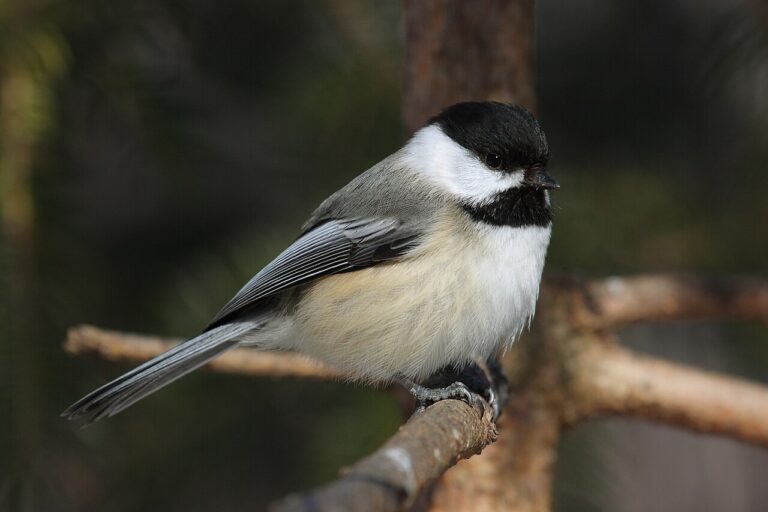
One of the most impressive forms of bird intelligence is spatial memory, and the champions are the food caching species. Members of the corvid and chickadee families hide thousands of seeds and nuts across their territory in autumn and then relocate them through winter, remembering the locations of an astonishing number of individual caches. Clark’s nutcracker, a western corvid, may cache tens of thousands of pine seeds and recover them months later with remarkable accuracy, even under snow. This feat requires a prodigious spatial memory, and the part of the brain responsible actually grows during the caching season in some species. Backyard chickadees perform a smaller version of the same trick, hiding seeds from your feeder and remembering where. The next time a chickadee grabs a single sunflower seed and flies off, it is likely filing that seed away in a mental map of hundreds of hiding spots.
How Scientists Measure Bird Intelligence
Researchers do not rely on brain size alone, since a crow brain is tiny next to ours yet packed densely with neurons. Instead they design puzzles that reveal reasoning: bending wire into hooks, dropping stones to raise water levels, remembering thousands of hidden food caches, or recognizing individual human faces months later. Mirror tests probe self awareness, while delayed reward trials show whether a bird can resist a small treat now for a bigger one later. Corvids and parrots pass many of these challenges that stump other animals, which is why they anchor almost every list of the planet’s cleverest birds.
Frequently Asked Questions
What is the smartest bird in the world?
Most experts rank corvids, the crow and raven family, and parrots as the smartest birds. Among them the New Caledonian crow and the African gray parrot are often singled out for tool use and language like comprehension, making them strong contenders for the single smartest bird.
Are crows really that intelligent?
Yes. Crows make and use tools, recognize individual human faces, hold grudges, solve multi step puzzles, and even appear to plan for the future. Their problem solving rivals that of great apes in some tests, making them among the most intelligent animals on Earth.
Can birds use tools?
Yes. New Caledonian crows craft hooked twigs and barbed leaf tools to extract insects, and they can solve puzzles requiring several tools in sequence. Some other species, including certain parrots and finches, also use objects as tools.
How smart are parrots?
Parrots are highly intelligent, with large brains relative to body size. The African gray parrot is especially famous; the best studied individual learned to identify objects, colors, and numbers and use words meaningfully, showing cognition comparable to a young child in some tasks.
Do smart birds have big brains?
It is not just size but brain structure and neuron density. Birds pack an extraordinary number of neurons into a small forebrain, so corvids and parrots have neuron counts comparable to some primates despite tiny brains, which helps explain their advanced cognition.
Which backyard birds are the smartest?
Among common backyard visitors, crows, ravens, jays, and magpies stand out. Blue jays cache food and mimic hawk calls, and all corvids show strong memory and problem solving, so a backyard crow or jay is one of the brainiest birds you will see.
Can birds recognize human faces?
Yes. Crows and some other corvids can learn and remember individual human faces, distinguishing people who threatened them from those who did not, and they can pass that information to other crows. This social memory is a hallmark of their intelligence.