Types of Cardinals: A Complete Guide
In North America there is really only one true cardinal, the northern cardinal, along with its desert relative the pyrrhuloxia, while a few other birds around the world share the cardinal name. The famous red cardinal is a single species, but the broader picture of cardinals is more interesting than many people expect. This guide covers how many types of cardinals there are, the main cardinal species, birds called cardinals that are not true cardinals, and how to tell them apart.
| Cardinal | Key Features |
|---|---|
| Northern Cardinal | Red male, crest, black mask |
| Pyrrhuloxia | Gray with red, desert Southwest |
| Vermilion Cardinal | Bright red, tall crest, South America |
| Red-crested Cardinal | Red head, gray back (a tanager) |
| Yellow-billed Cardinal | Red head, yellow bill (a tanager) |
| Yellow Cardinal | Yellow, rare, South America |
How Many Types of Cardinals Are There?
The answer to how many types of cardinals there are depends on what you mean by cardinal. In everyday North American terms, there is essentially one cardinal, the northern cardinal, the familiar red bird found across the eastern and central United States and beyond. It has a close relative, the pyrrhuloxia or desert cardinal, which lives in the arid Southwest. These two, along with the South American vermilion cardinal, make up the small group of true cardinals in the genus Cardinalis. Beyond these, several other birds around the world are called cardinals because of their red coloring, but they are not closely related and belong to different groups, mainly the tanager family. So while the northern cardinal is the one most people picture, the cardinal name is shared by a handful of birds. Understanding this helps clarify what counts as a cardinal, starting with the beloved bird in our guide to the northern cardinal.
The Main Cardinal Species
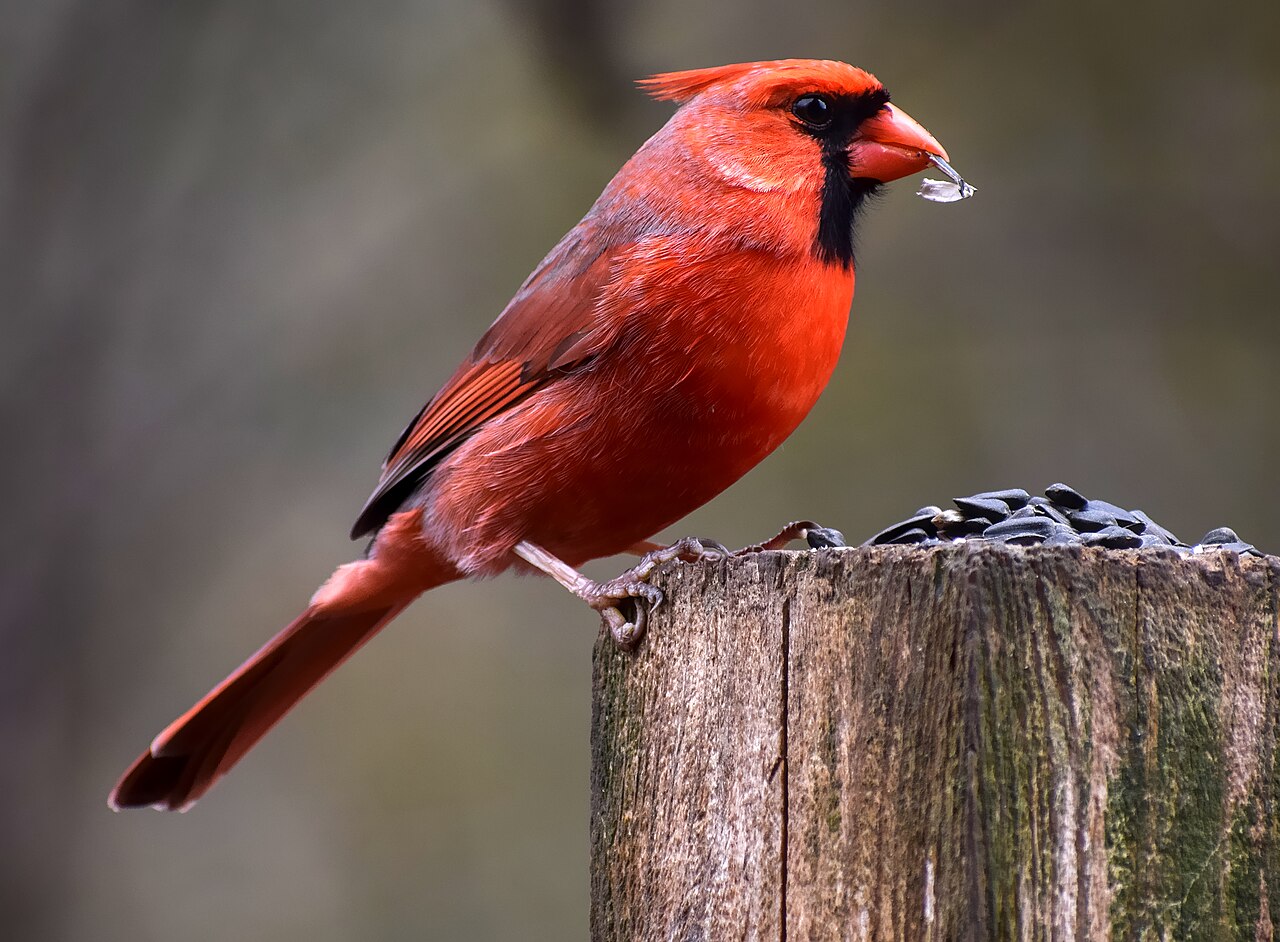
The true cardinals are a small group, but they are worth knowing. The northern cardinal is by far the most familiar, the male a brilliant red with a pointed crest and a black face mask, and the female a warm tan with reddish tinges, as explored in our guide to the female cardinal. The pyrrhuloxia, often called the desert cardinal, is closely related and shares the cardinal’s crest and shape, but it is mostly gray with red highlights and has a short, curved, pale bill, living in the deserts of the Southwest. The vermilion cardinal is a striking South American species with a very tall crest and bright red plumage. These three belong to the genuine cardinal group. Among them, only the northern cardinal and the pyrrhuloxia occur in the United States, and where their ranges overlap in the Southwest, the two can be confused, though their coloring sets them apart, as covered in our guide to birds that look like cardinals.
Birds Called Cardinals That Are Not True Cardinals

Several birds around the world carry the cardinal name without being true cardinals, which adds to the confusion. In South America, the red-crested cardinal and the yellow-billed cardinal are handsome birds with red heads and grayish bodies, but despite their names they are actually tanagers, not members of the true cardinal group. The red-crested cardinal has even been introduced to places like Hawaii, where it is now commonly seen. The yellow cardinal is a rare South American bird, and there is also a very rare yellow color variant of the northern cardinal that occasionally appears when an individual bird has a pigment abnormality, turning its normally red feathers yellow. These yellow northern cardinals are genuine northern cardinals, just unusually colored, and they attract great attention when found. Recognizing that not every bird called a cardinal is a true cardinal helps make sense of the group, a theme echoed in our guide to cardinal symbolism.
How to Tell Cardinals Apart
Telling the various cardinals apart is manageable when you use color, shape, and especially location. Within the United States, the task is simple, since the brilliant red, crested, black-masked northern cardinal is unmistakable, and the only other true cardinal is the grayer, red-accented pyrrhuloxia of the southwestern deserts, told by its stubby pale curved bill. If you are seeing a red crested bird almost anywhere in the country, it is a northern cardinal. For the birds called cardinals elsewhere, location is the biggest clue, as the vermilion, red-crested, and yellow-billed cardinals are South American species, with the red-crested cardinal also established in Hawaii. The tanager cardinals differ from true cardinals in their bill shape and overall structure. And an unusual yellow bird with a cardinal’s shape in North America is likely a rare yellow northern cardinal. By combining coloring, crest and bill shape, and geographic range, you can sort out the cardinals, centered on the familiar bird in our guide to bird symbolism.
The Northern Cardinal, America’s Cardinal
The northern cardinal deserves special focus, since it is the cardinal nearly everyone in North America knows. According to the Cornell Lab of Ornithology, the northern cardinal is a common and popular backyard bird across eastern and central North America, with the brilliant red, crested male and the warm tan female both frequent feeder visitors. It is so beloved that it serves as the official state bird of seven states, more than any other bird. The male’s vivid red color, pointed crest, black face mask, and cheerful whistling song make it instantly recognizable, and unlike migratory birds, it stays put year round, brightening yards even in winter. Because it is the only widespread true cardinal in the country, the northern cardinal is essentially synonymous with the word cardinal for most people. Understanding its familiarity and importance helps explain why the cardinal name is so strongly associated with this one species, as explored in our guide to cardinal symbolism.
Why People Search for Types of Cardinals
Many people are surprised to learn that there is essentially only one cardinal in North America, which is exactly why the question of cardinal types comes up so often. Because the northern cardinal is so familiar and beloved, people naturally wonder whether there are other kinds, such as different colors or related species, and the answer reveals some interesting birds. The main takeaways are that the pyrrhuloxia is the northern cardinal’s genuine desert relative, that a few South American birds carry the cardinal name but are actually tanagers, and that rare yellow northern cardinals occasionally appear due to a pigment abnormality. So while the everyday answer is that there is one cardinal, the fuller picture includes a desert cousin, some misleadingly named tanagers, and unusual color variants. This makes the topic more interesting than it first appears and helps birders understand what they are seeing, all centered on the familiar bird in our guide to birds that look like cardinals.
The Enduring Appeal of Cardinals
Whatever the technicalities of how many cardinal species exist, the appeal of cardinals is undeniable and helps explain the fascination with them. The northern cardinal in particular holds a special place in North American culture, admired for its brilliant color, its year-round presence, and its cheerful song, and it appears on countless holiday cards, decorations, and sports team logos. Its bright red against winter snow is an iconic image, and many people feel a spark of joy at seeing a cardinal in their yard. For some, cardinals also carry personal or spiritual meaning, seen as reminders of loved ones. This deep affection is part of why people are so curious about cardinals and eager to learn whether there are other kinds. Understanding both the science of the cardinal group and the cultural love for these birds gives a complete picture, centered on the beloved species explored in our guide to cardinal symbolism.
Related reading: what do cardinals eat.
Frequently Asked Questions
How many types of cardinals are there?
In North America there is essentially one true cardinal, the northern cardinal, plus its desert relative the pyrrhuloxia. A few other birds worldwide share the cardinal name.
What is the most common cardinal?
The northern cardinal is by far the most common and familiar cardinal, the brilliant red, crested bird found across the eastern and central United States.
What is a desert cardinal?
The desert cardinal is the pyrrhuloxia, a close relative of the northern cardinal that lives in the southwestern deserts. It is mostly gray with red accents and a curved pale bill.
Are there different colors of cardinals?
The northern cardinal male is red and the female tan. Rarely, a pigment abnormality produces a yellow northern cardinal, and some unrelated birds called cardinals are red or yellow.
Is a red-crested cardinal a real cardinal?
No, the red-crested cardinal of South America, also introduced to Hawaii, is actually a tanager despite its name, not a member of the true cardinal group.
What is a yellow cardinal?
A yellow cardinal can be a rare South American species or, in North America, a northern cardinal with a pigment abnormality that turns its normally red feathers yellow.
How do you tell cardinals apart?
Use color, crest and bill shape, and location. In the United States, a red crested bird is a northern cardinal, while the grayer pyrrhuloxia lives in southwestern deserts.