What Is a Group of Owls Called? Parliament and Its Origins
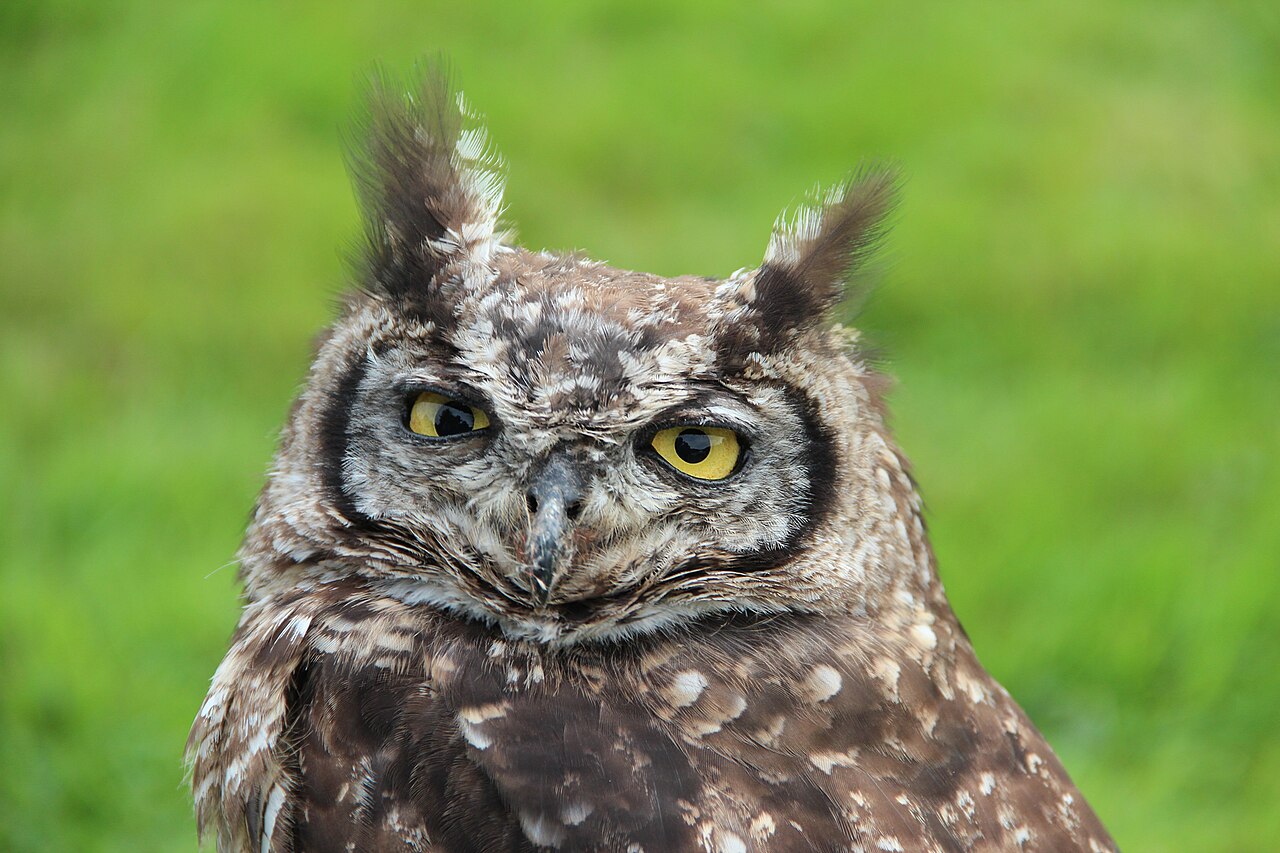
A group of owls is called a parliament, the best known collective noun for the birds and the answer expected in any quiz. A group of owls is also called a stare, a wisdom, and a hooting in various collective noun lists, and biologists simply say a group or a roost. The parliament term is younger than most collective nouns and has a traceable modern source: C.S. Lewis used it in The Chronicles of Narnia in 1952, where a council of talking owls meets at night, and the phrase entered general circulation from there.
What makes the term slightly absurd is that owls almost never form groups. Nearly all owl species are solitary or live in pairs, defending territories year-round, and the idea of a parliament sitting in judgment reflects the owl’s reputation for wisdom rather than anything the birds do. There are real exceptions, including communal winter roosts in a few species and family groups in summer, and this guide covers those alongside the vocabulary, the origin of the wisdom association, and what to call baby owls.
A group of owls is called a parliament, the most widely recognized collective noun. Other listed terms are a stare, a wisdom, and a hooting. Most owls are solitary or live in pairs, so true groups are rare, though long-eared owls and short-eared owls do form communal winter roosts of a dozen or more birds. A baby owl is an owlet.
| Question | Answer |
|---|---|
| Best known collective noun | Parliament of owls |
| Other listed terms | Stare, wisdom, hooting |
| Scientific term | Group, roost, or family group |
| Popularized by | C.S. Lewis, The Chronicles of Narnia, 1952 |
| Do owls flock? | Rarely; most are solitary or paired |
| Species that roost communally | Long-eared owl, short-eared owl |
| Baby owl | Owlet; a group is a brood |
Why Is a Group of Owls Called a Parliament?
A group of owls is called a parliament because of the ancient association between owls and wisdom, combined with a literary source that made the phrase stick. The wisdom link runs back to classical Greece, where the little owl was the companion of Athena, goddess of wisdom, and appeared on Athenian coins. A parliament is a deliberative assembly of wise counselors, so a gathering of owls became, by that logic, a parliament.
The specific phrase owes its currency to C.S. Lewis. In The Silver Chair, published in 1952, Lewis describes a night meeting of talking owls and calls it a parliament of owls, a pun on Chaucer’s poem The Parliament of Fowls, written around 1380, in which birds gather on St Valentine’s Day to choose their mates. Lewis was a medieval literature scholar and the wordplay was deliberate. The term appears in earlier collective noun lists only sporadically, and Lewis’s usage is what pushed it into common knowledge.
That makes parliament a much younger term than a murder of crows or an unkindness of ravens, both of which appear in the 1486 Book of Saint Albans. It belongs to the modern tier alongside a flamboyance of flamingos. Its recent origin does not make it invalid; collective nouns have always been a living tradition, and parliament is now firmly established in dictionaries, reference works, and every trivia list that mentions owls.
What Are the Other Collective Nouns for Owls?
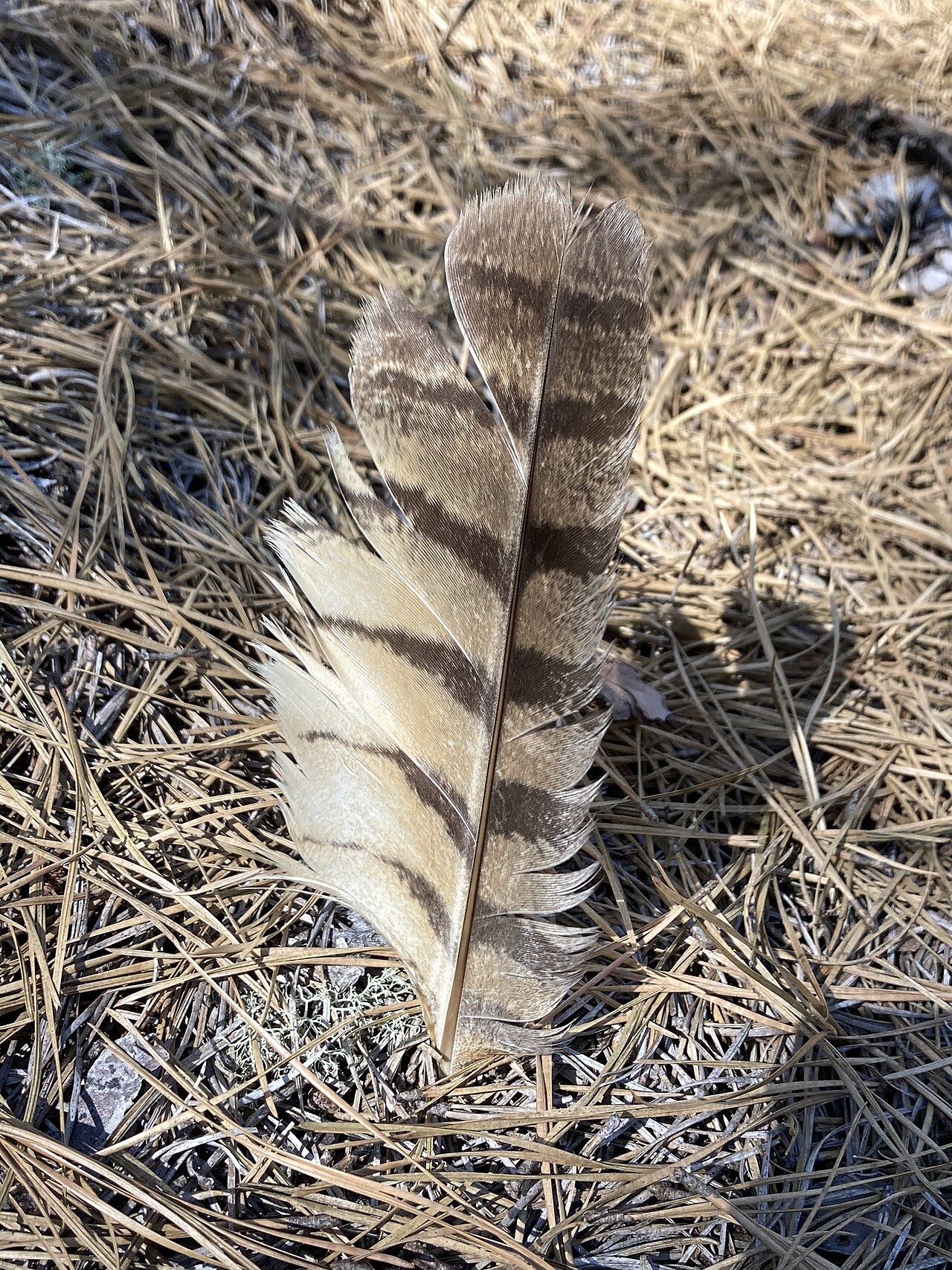
Besides parliament, owls are given a stare, a wisdom, a hooting, and occasionally a bazaar or a glaring in various collective noun lists. A stare of owls is the most evocative of these, referring to the fixed, forward-facing gaze that gives owls their unsettling presence. Owl eyes are tubular rather than spherical and cannot move in their sockets, which is why an owl must turn its entire head to look at something, and why its stare feels so direct.
A wisdom of owls is a straightforward extension of the same folklore that produced parliament. A hooting of owls describes the sound, in the way that gaggle describes the noise of geese, though hooting is a poor fit for the many owl species that screech, whistle, bark, or trill rather than hoot. Barn owls, for example, produce a harsh scream and no hoot at all, and screech owls give a descending whinny or a trill.
None of these terms has any standing in ornithology. Researchers describing owls use pair, family group, and roost, and they would never write parliament in a paper. The distinction matters because the collective noun implies a social structure that owls do not have. If you ask a raptor biologist what a group of owls is called, the honest answer is that it usually is not a group at all. The owl calls guide covers the sounds each species actually makes.
Do Owls Actually Live in Groups?
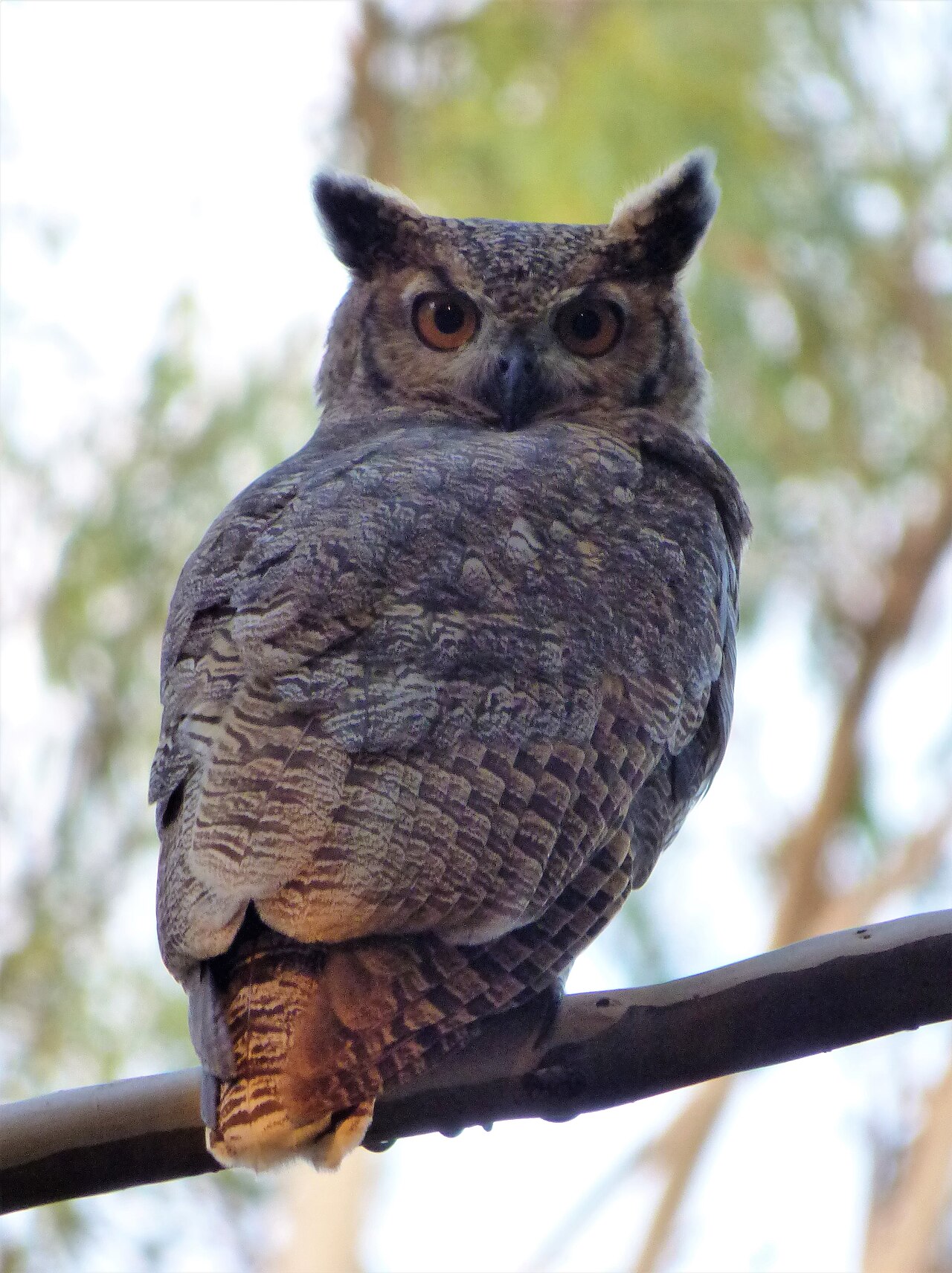
Most owls do not live in groups. The great majority of the roughly 250 owl species worldwide are solitary or live as mated pairs, holding territories that they defend year-round against other owls of the same species. A great horned owl pair may occupy the same territory for a decade or more, and encounters with neighbors are hostile rather than social. Owls are also cannibalistic in some circumstances, with larger species preying on smaller ones, which further discourages congregation.
The functional reason is diet. Owls are predators hunting scattered, wary prey such as mice, voles, rabbits, and small birds, and a territory can support only so many hunters. Group living gives no benefit when prey is patchy and must be ambushed silently; it simply creates competition. This is the opposite of the situation for flocking species such as geese or crows, which feed on abundant, concentrated food where extra eyes for spotting predators outweigh the competition.
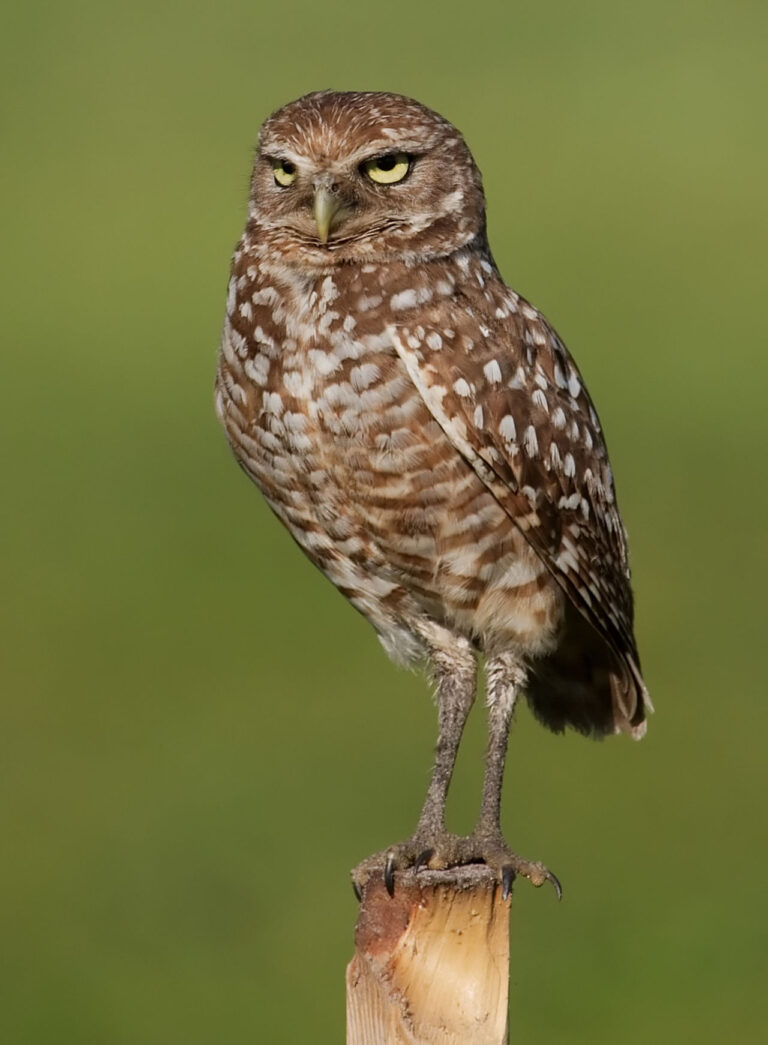
The genuine exceptions are worth knowing. Long-eared owls form communal winter roosts, sometimes of two to twenty birds and occasionally more than a hundred, packed into dense conifers or thickets during the day. Short-eared owls roost communally on the ground in open country and can be seen hunting in loose groups over marshes and grasslands at dusk. Burrowing owls are the most social of all, nesting in loose colonies in prairie dog towns, and the burrowing owl guide covers that unusual lifestyle.
Why Are Long-Eared Owls the Exception?
Long-eared owls roost communally in winter because their hunting strategy and their habitat make it worthwhile. They hunt over open fields and marshes, quartering low for voles, and this prey is abundant and evenly distributed enough that many owls can feed in the same general area without direct conflict. During the day they need dense cover to hide from crows and hawks, and good roost sites are scarce, so the birds concentrate wherever suitable thickets exist.
These roosts are traditional and are used year after year, sometimes for decades. A single stand of conifers or a dense hedgerow may hold a dozen owls sitting motionless and tightly upright, their cryptic bark-like plumage making them almost invisible until one turns its head. Roosts of 50 to 100 birds have been documented in Europe and North America, and some European city parks host famous winter roosts that draw birders every year.
Communal roosting appears to reduce predation risk and may also serve as an information center, with owls that fed successfully leading others toward productive hunting grounds. The birds disperse to hunt individually at dusk, so the roost is a daytime social structure only. Pellets accumulate beneath these roosts in large numbers, making them a rich source of data on local small mammal populations, as the owl pellets guide explains.
What Is a Group of Baby Owls Called?
A group of baby owls is called a brood, and individual young owls are called owlets. A brood consists of the chicks from one nest, and clutch sizes vary widely by species and by food supply: great horned owls typically lay two or three eggs, barn owls four to six and sometimes more, and snowy owls can lay up to eleven in a year when lemmings are abundant and none at all in a poor year.
Owl eggs hatch asynchronously, meaning the female begins incubating as soon as the first egg is laid rather than waiting for the clutch to be complete. The result is a brood in which the oldest chick may be a week or more ahead of the youngest, and in lean years the smallest simply does not survive. This staggered hatching is an adaptation to unpredictable food supply: it guarantees that at least the older chicks are raised successfully rather than the whole brood starving equally.
Owlets that have left the nest but cannot yet fly properly are called branchers, because they climb out onto nearby branches using their beaks and feet while the parents continue feeding them. A brancher on the ground looks abandoned but almost never is, and wildlife rehabilitators receive large numbers of healthy young owls each spring from people who assumed otherwise. Unless the bird is visibly injured or in immediate danger, the correct action is to leave it alone or place it on a low branch nearby.
Why Are Owls Associated With Wisdom?
Owls are associated with wisdom because of the Greek goddess Athena, whose sacred bird was the little owl, Athene noctua, and who was the goddess of wisdom, craft, and strategic warfare. Athenian silver coins from the fifth century BC carried an owl on the reverse, and the phrase to bring owls to Athens meant to do something pointless because the city was already full of them, in both the literal and the symbolic sense. The association traveled from Greece through Rome into European culture generally.
The physical appearance reinforces it. Owls have large forward-facing eyes set in a flat facial disc, which gives them a face far more humanlike than most birds, and their upright posture and silent, deliberate movements read as thoughtful rather than frantic. People are strongly inclined to read human expressions into faces, and an owl’s face happens to be arranged in a way that suggests solemn attention.
Biologically, the reputation is unearned. Owls have relatively small brains for their body size compared with corvids and parrots, and the space in an owl skull is dominated by enormous eyes and by the auditory processing needed for their extraordinary hearing. Crows and ravens outperform owls dramatically on every measure of problem solving. What owls have instead is a suite of sensory adaptations that are remarkable in their own right, including asymmetrically placed ear openings that allow them to pinpoint prey in complete darkness, and fringed flight feathers that make their approach silent. The owl identification guide covers the physical features across species.
Do Owls Have Territories Instead of Groups?
Yes, territory is the organizing principle of owl life, and it substitutes for the group structure other birds rely on. A mated pair holds a defined area, and its size depends on prey density: a great horned owl territory may cover one to two square miles, while a barn owl in prime habitat may hold considerably less. Territories are advertised by calling, which is the main function of the hooting most people associate with owls, and defended physically when necessary.
Calling peaks in late winter, when most North American owl species begin breeding. Great horned owls call and nest in January and February, often laying eggs while snow is on the ground, because their young need a long development period before the prey-rich summer. This is why owl calls are most noticeable on cold winter nights, and why owl surveys are conducted then. The great horned owl guide covers the species most people hear.
Neighboring pairs recognize each other’s voices and largely respect established boundaries, which reduces the need for actual fighting. A new owl attempting to establish a territory in occupied ground faces sustained aggression. When several owls call back and forth across a valley at night, it can sound like a gathering, but it is the opposite: each bird is announcing that it is alone and intends to stay that way. Attracting owls to a property means providing habitat for one pair, not a group, which the guide to attracting owls addresses directly.
Collective Nouns for Owls Compared With Other Birds
Owls sit alongside a long list of raptors and night birds with collective nouns, most of them rarely used because these species so rarely gather. A group of hawks is a kettle when circling on thermals, a cast when hunting, or a boil, and kettle is one of the few raptor terms in genuine use because migrating hawks really do spiral in visible masses. A group of eagles is a convocation, a group of falcons a cast, and a group of vultures a committee when perched, a wake when feeding, and a kettle when soaring.
The pattern is telling. Raptor collective nouns that describe real behavior, such as kettle and wake, are used by birders; the ones that describe imagined social structures, such as parliament and convocation, are not. The medieval and modern compilers who invented these terms were working from cultural associations rather than field observation, and it shows most clearly with solitary predators.
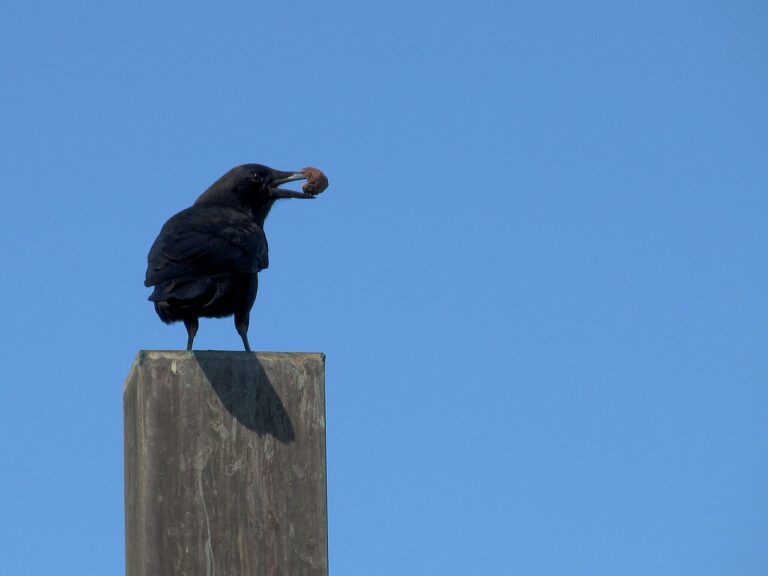
Compared with the corvids, whose murder of crows and unkindness of ravens describe birds that genuinely form enormous groups, the parliament of owls is pure literary invention. That does not diminish it. It is a memorable phrase with a distinguished pedigree running from Chaucer through C.S. Lewis, and it captures something true about how people perceive owls even though it says nothing accurate about how owls live. The group of crows guide covers the corvid side, where the collective nouns and the behavior actually match.
Frequently Asked Questions
What is a group of owls called?
A group of owls is called a parliament, the best known term. Other listed collective nouns include a stare, a wisdom, and a hooting. Biologists use group, roost, or family group instead.
Why is a group of owls called a parliament?
Because of the owl’s ancient association with wisdom, dating to the Greek goddess Athena. The specific phrase was popularized by C.S. Lewis in The Silver Chair in 1952, a play on Chaucer’s poem The Parliament of Fowls.
Do owls live in groups?
Rarely. Most owl species are solitary or live as mated pairs holding year-round territories. Long-eared owls and short-eared owls form communal winter roosts, and burrowing owls nest in loose colonies, but these are exceptions.
What is a group of baby owls called?
A brood. Individual baby owls are owlets, and young that have left the nest but cannot yet fly are called branchers. Broods hatch at staggered intervals, so chicks in one nest differ noticeably in size.
Is a group of owls called a stare?
A stare of owls appears in collective noun lists and refers to the owl’s fixed forward gaze. It is valid in the sense that reference works record it, but parliament is the far more widely recognized term.
Are owls actually wise?
The reputation comes from Greek mythology and from the humanlike appearance of the owl’s face, not from intelligence. Owls have relatively small brains for their size, and crows and parrots vastly outperform them on problem-solving tests.
How many owls are in a parliament?
Any number, since collective nouns carry no minimum. Real owl groups are rarely more than a pair, though long-eared owl winter roosts commonly hold a dozen birds and occasionally more than a hundred.