What Do Owls Eat? Complete Diet Guide
Owls are carnivores that eat mainly small mammals like mice, voles, and rats, along with birds, insects, reptiles, amphibians, and fish depending on the species. As skilled nocturnal hunters, owls use silent flight, sharp talons, and exceptional hearing and night vision to catch prey, which they often swallow whole. This guide covers exactly what owls eat, how they hunt, what owl pellets reveal, how diet varies by owl species, and what baby owls eat.
| Prey | Examples |
|---|---|
| Small mammals | Mice, voles, rats, shrews, rabbits |
| Birds | Songbirds, sometimes other owls |
| Insects | Beetles, moths, crickets |
| Reptiles and amphibians | Snakes, lizards, frogs |
| Fish | Caught by some owl species |
What Do Owls Eat?
Owls are strictly carnivorous birds of prey, and small mammals form the core of most owls’ diets. According to the Cornell Lab of Ornithology, owls hunt a range of prey, with many species relying heavily on small mammals such as mice, voles, shrews, and rats, while also taking birds, insects, reptiles, amphibians, and other small animals as opportunity allows. Larger owls, like the great horned owl, can take bigger prey including rabbits, squirrels, and even skunks, while small owls eat mostly insects and tiny rodents. Owls are opportunistic and will eat whatever suitable prey is most available in their habitat. This carnivorous diet makes owls important natural controllers of rodent populations, which is one reason they are so valued around farms and fields. For what these birds symbolize, see our guide to owl symbolism.
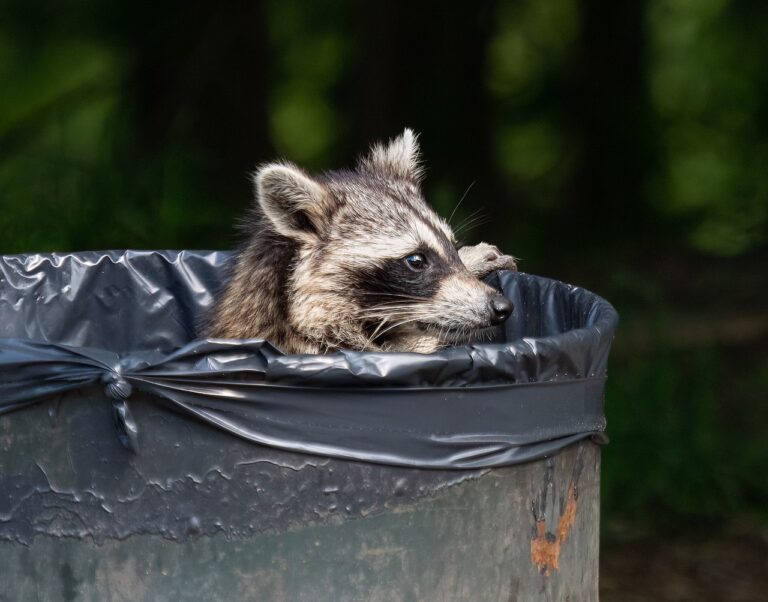
Owls are not the only rodent predator working similar territory. Ground-level hunters like the rat snake target many of the same mice and voles, using constriction instead of talons.
How Owls Hunt
Owls are superbly equipped nocturnal hunters, and their hunting method shapes what they can catch. Most owls hunt at night, using extraordinary senses to locate prey in near-total darkness. Their large, forward-facing eyes provide excellent night vision, while their dish-shaped facial discs funnel the faintest sounds to their ears, giving them pinpoint hearing that can locate a mouse rustling under leaves or snow. Owls fly almost silently thanks to specially fringed feathers, allowing them to swoop on prey unheard, then seize it with powerful, sharp talons. Small prey is often swallowed whole. This combination of silent flight, acute hearing, keen night vision, and strong talons makes owls among the most effective predators in the night sky, able to catch prey that never hears them coming.
What Owl Pellets Reveal
One of the most fascinating aspects of owl feeding is the owl pellet, which offers a direct window into an owl’s diet. Because owls often swallow prey whole or in large pieces, they cannot digest bones, fur, feathers, and other hard parts, so these materials are compacted in the owl’s gizzard and later regurgitated as a firm pellet. Scientists and students dissect owl pellets to identify the tiny skulls and bones inside, revealing exactly which rodents and other prey the owl has eaten. Finding pellets beneath a tree or barn is also a reliable clue that an owl regularly roosts there. Owl pellets are a remarkable natural record, showing how important small mammals are to owls and confirming their role as effective, rodent-eating predators in the ecosystem.
How Owl Diets Vary by Species

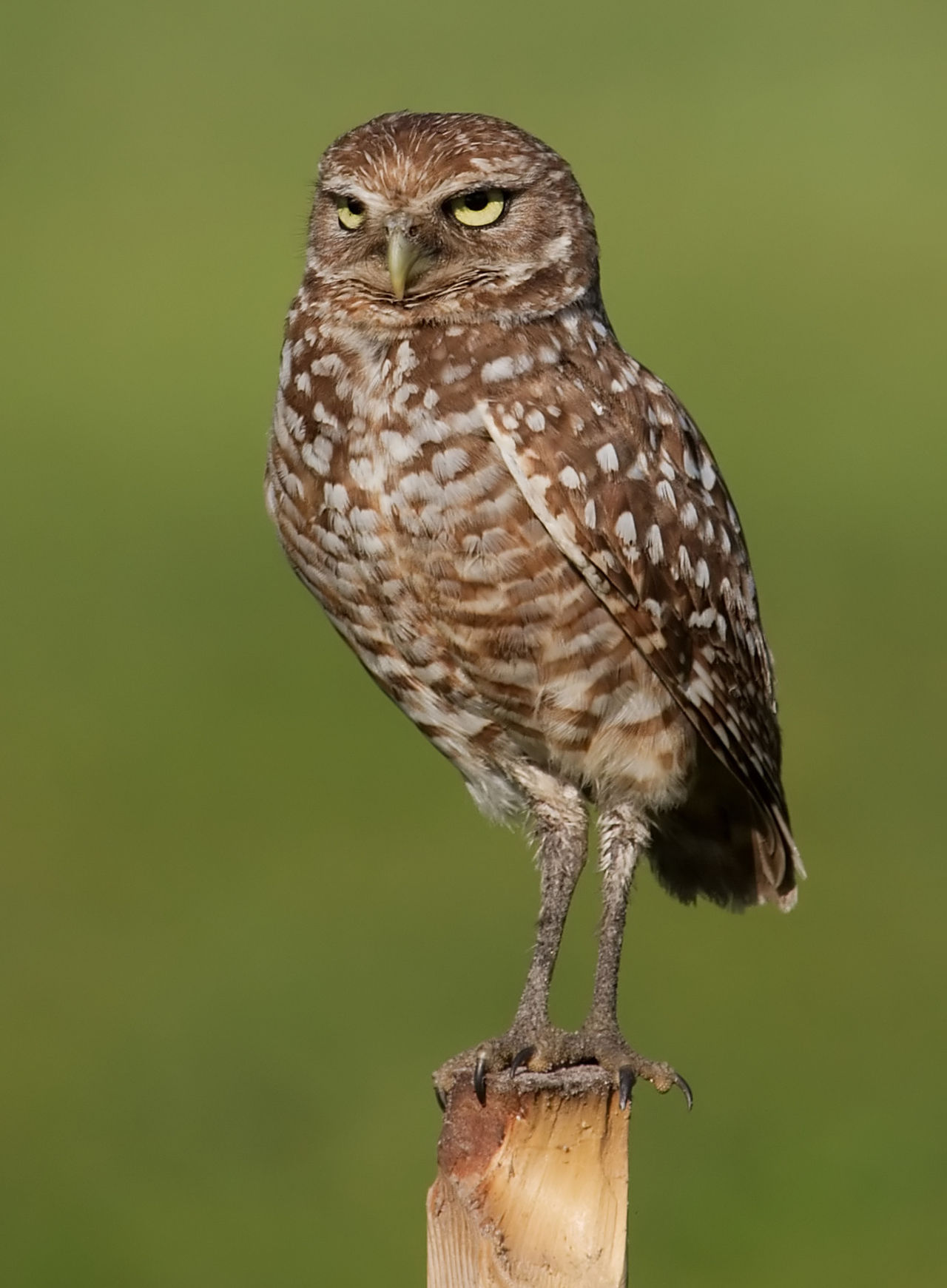
Different owl species eat different prey, largely depending on their size and habitat. Large owls like the great horned owl are powerful enough to take rabbits, squirrels, other birds, and even skunks, giving them one of the broadest diets of any owl. Barn owls specialize in small rodents, hunting voles and mice across open fields and providing outstanding rodent control. Small owls, such as screech owls and the tiny elf owl, feed heavily on insects, along with small rodents, spiders, and the occasional small bird. Fish-eating owls in some parts of the world catch fish from the water. This variation means owls collectively hunt an enormous range of prey, with each species filling its own niche, though nearly all share a reliance on the small animals their size allows them to catch.
What Do Baby Owls Eat?
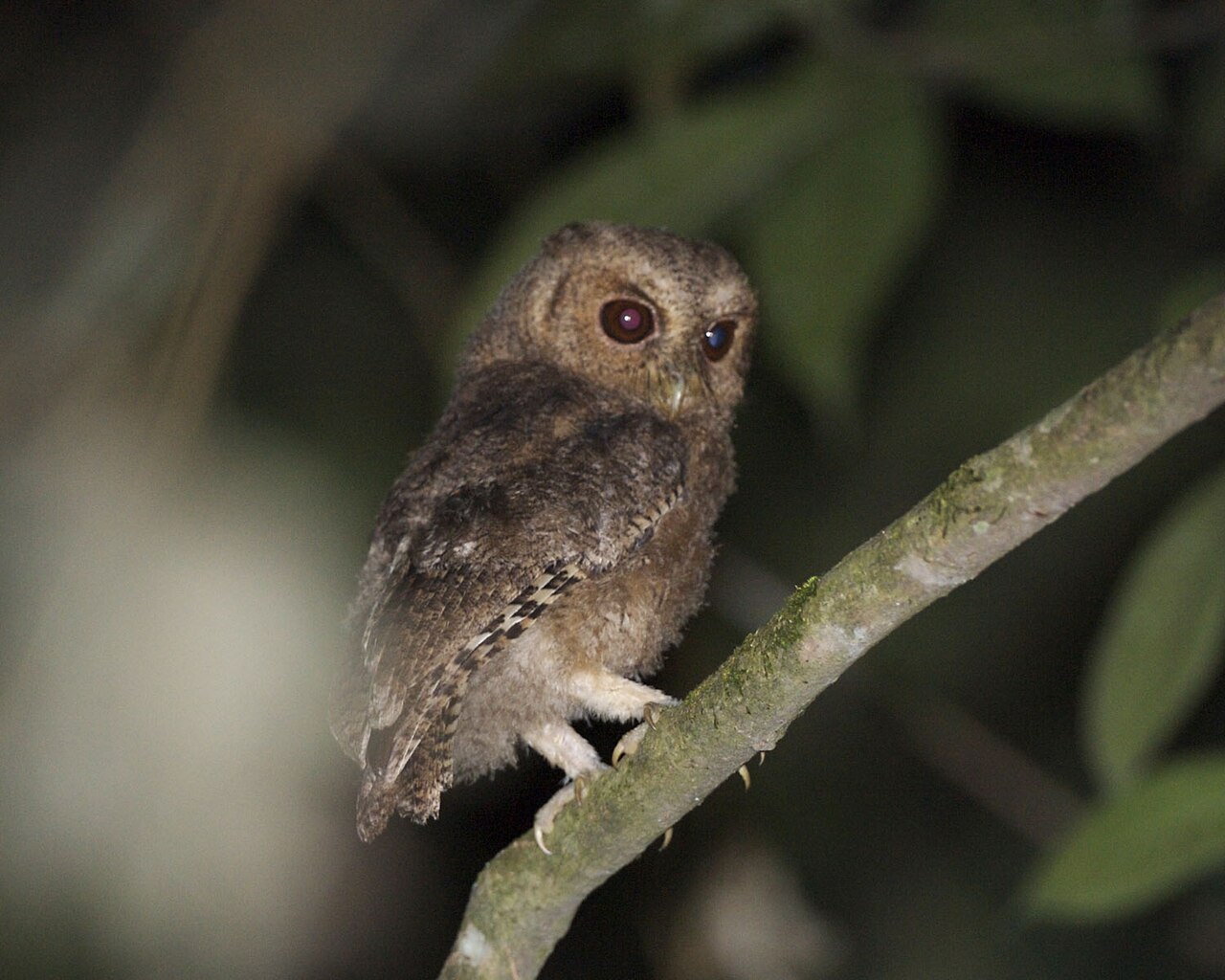
Baby owls, called owlets, eat the same carnivorous diet as adults, delivered to them by their parents. The adults hunt small mammals, insects, and other prey and bring it back to the nest, often tearing larger prey into smaller pieces that the owlets can swallow. Because growing owlets need plenty of protein to develop quickly, the parents may hunt intensively to keep up with their appetites, and in years when prey is abundant owls can raise more young. As owlets grow and fledge, they gradually learn to hunt for themselves, first practicing on insects and easy prey before mastering the silent, precise hunting that owls are known for. This parental provisioning of meat is essential, since owlets cannot hunt on their own until they are well developed.
Do Owls Eat Cats and Small Pets?
This is a common worry, and the honest answer is that large owls can occasionally take very small pets, though it is uncommon. The great horned owl, one of the most powerful owls, is strong enough to prey on animals up to the size of a small cat, rabbit, or small dog, and there are rare accounts of large owls taking kittens or very small pets left outside at night. That said, such incidents are unusual, and most owls are far too small to threaten a pet, hunting mice, voles, and insects instead. To be safe, keep small pets indoors at night, especially in areas with large owls, which is also wise protection against other predators. Keeping cats indoors additionally protects wild birds, as covered in our guide on attracting birds.
Owls as Natural Pest Control
One of the greatest benefits owls provide is superb natural rodent control. Because most owls feed heavily on mice, voles, rats, and other small mammals, a single owl or owl family can consume large numbers of rodents over a year, quietly keeping populations in check around farms, fields, and neighborhoods. Barn owls in particular are famous for hunting voles and mice across open country, and some farmers even put up nest boxes to encourage them. This makes owls valuable allies, offering pest control without the poisons that can harm wildlife. In fact, rodent poisons are a real danger to owls, since an owl that eats a poisoned rodent can be harmed too, so supporting owls means avoiding rodenticides. For what these remarkable birds mean symbolically, see our guide to what it means when you see an owl.
Do Owls Eat Snakes and Fish?
Yes, some owls eat snakes, and certain species specialize in fish, showing just how varied the owl diet can be. Many owls will take snakes, lizards, and amphibians when they encounter them, and there is even a tiny species that carries small live snakes back to its nest, where the snakes help keep the nest clean by eating insects. Fish are an important food for a few owls, most notably fishing owls in other parts of the world and, closer to home, some owls that will snatch fish or crayfish from shallow water. These foods sit alongside the small mammals, birds, and insects that make up the bulk of most owls’ diets. This willingness to eat reptiles, amphibians, and fish highlights the owl’s role as an adaptable, opportunistic predator that exploits whatever prey its habitat provides, and it supports the natural balance discussed in our guide to creating natural habitat. This adaptability, eating everything from rodents and birds to snakes, fish, and insects, is a major reason owls survive in so many different environments across the world, much like the flexible feeders described in our guide to what crows eat.
Related reading: types of owls.
Related reading: Owls in Arizona.
Frequently Asked Questions
What do owls eat?
Owls are carnivores that eat mainly small mammals like mice, voles, and rats, along with birds, insects, reptiles, amphibians, and sometimes fish, depending on the species.
Do owls eat mice and rats?
Yes. Small mammals such as mice, voles, shrews, and rats are the core of most owls’ diets, which makes owls valuable natural controllers of rodent populations.
How do owls hunt?
Owls hunt mostly at night using excellent night vision, acute hearing from their facial discs, and silent flight, seizing prey with sharp talons and often swallowing it whole.
What is an owl pellet?
An owl pellet is the compacted mass of bones, fur, and feathers that an owl cannot digest and coughs back up. Dissecting one reveals exactly what the owl has eaten.
What do big owls like great horned owls eat?
Large owls such as great horned owls take bigger prey including rabbits, squirrels, other birds, and even skunks, giving them one of the broadest diets of any owl.
Do owls eat other birds?
Yes, owls do eat birds, including songbirds and sometimes smaller owls, though small mammals make up much more of the diet for most owl species.
What do baby owls eat?
Owlets eat the same meat diet as adults, brought to the nest by their parents, who tear larger prey into pieces small enough for the young owls to swallow.