What Do Crows Eat? Complete Diet Guide
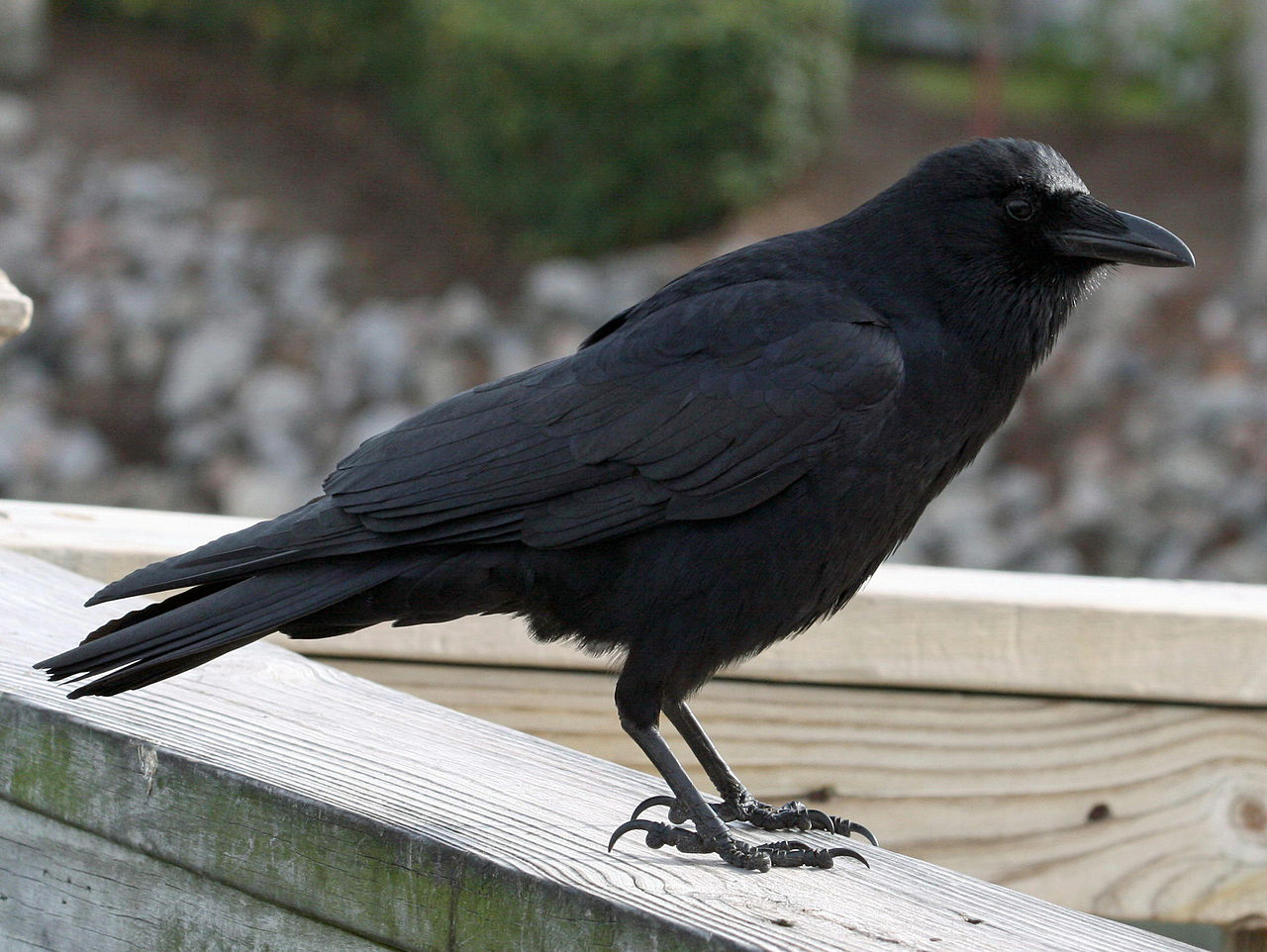
Crows eat almost anything, which makes them one of nature’s ultimate omnivores. Their diet includes insects, seeds, grains, fruit, small animals, eggs, carrion, and human food scraps. This remarkable flexibility is a big reason crows thrive everywhere from farms to city streets. They forage on the ground, raid nests, scavenge roadkill, and cache food for later. This guide covers exactly what crows eat, how they find and store food, whether they eat other birds, what baby crows eat, and how to feed the crows in your yard responsibly.
| Food | Examples |
|---|---|
| Insects | Beetles, grubs, grasshoppers, worms |
| Plant food | Seeds, grains, corn, fruit, nuts |
| Small animals | Mice, frogs, lizards, eggs, nestlings |
| Carrion | Roadkill and dead animals |
| Human food | Scraps, garbage, pet food |
What Do Crows Eat?
Crows are true omnivores with one of the most varied diets of any bird, eating both plant and animal foods as opportunity allows. According to the Cornell Lab of Ornithology, the American crow eats an extremely wide range of foods, including insects, seeds, grains, fruits, small animals, eggs, and carrion, adapting its diet to whatever is available. In fields and lawns they hunt insects, grubs, and earthworms, while in fall and winter they rely more on waste grain, seeds, nuts, and fruit. They also scavenge carrion and readily exploit human food, from garbage to crops. This dietary flexibility is exactly why crows flourish in so many habitats, from rural farmland to busy cities. Their intelligence and adaptability let them take advantage of nearly any food source they encounter.
How Crows Find Food
Crows are among the most intelligent birds in the world, and they use that intelligence to find food in clever ways. They forage mostly on the ground, walking and probing for insects, but they also famously solve problems to reach food, and crows have been observed using tools, dropping hard-shelled nuts onto roads for cars to crack, and remembering reliable food sources. Their sharp memory and keen eyesight help them locate food across large areas, and they quickly learn where meals are dependable, whether a farm field, a dumpster, or a backyard feeder. Crows also watch other animals and each other to discover food. This combination of intelligence, memory, and adaptability makes crows exceptionally efficient foragers, able to exploit opportunities that many other birds cannot.
Do Crows Eat Other Birds?
Yes, crows do eat other birds, though it is only one part of their broad diet. Crows are known to raid the nests of other birds, eating eggs and nestlings when they find them, which makes them a threat to smaller songbirds during nesting season. They may also catch injured or very young birds. This nest predation is natural behavior for an opportunistic omnivore, and while it can be hard to witness, it is part of the ecological role crows play. That said, birds and eggs are not a crow’s main food, since insects, grains, fruit, and carrion make up much more of their diet. Crows take eggs and nestlings when convenient rather than hunting adult birds as a primary food source. For a very different backyard bird, see our guide to what blue jays eat.
What Do Baby Crows Eat?
Baby crows eat a protein-rich diet delivered entirely by their parents and, remarkably, by older siblings. Crows are cooperative breeders, meaning young from previous years often help feed the new nestlings, so a baby crow may be fed by several family members. The nestlings are given a high-protein mix of insects, worms, and other small animal foods, along with bits of whatever else the adults are eating, since growing chicks need protein to develop quickly. As they grow, the diet broadens to reflect the adults’ omnivorous menu. This family-based feeding, with multiple crows provisioning the young, is part of what makes crows such successful and social birds. It also means a crow family group can be quite large, with several generations foraging and raising young together.
Should You Feed Crows?
Feeding crows can be a fascinating way to observe these intelligent birds, but it is worth doing thoughtfully. Because crows eat almost anything, they will readily take offered food such as unsalted peanuts in the shell, cracked corn, or kitchen scraps, and they quickly learn to associate a person or place with food. Offer food in moderation, keep it away from areas where it might attract rats, and avoid processed, salty, or spoiled foods. Some people find that crows they feed become regular, recognizable visitors, and there are even accounts of crows bringing small objects in apparent exchange. If you would rather attract a wide range of birds generally, providing quality seed and a clean feeding area works well, as covered in our guide on attracting birds to your feeder.
Do Crows Store Food?
Yes, crows cache food, hiding surplus to eat later, which is another sign of their intelligence. When a crow finds more food than it can eat, it will often tuck the extra away in a hidden spot, such as under leaves, in grass, or in a bark crevice, and return to it later, sometimes even covering the cache to conceal it. Crows have excellent memories and can recall where they have hidden food, and they will also watch other crows to steal caches, leading to clever hiding and re-hiding behavior. This caching helps crows get through lean times and take full advantage of temporary food bonanzas. It is yet another example of how the crow’s remarkable brain shapes the way it finds, uses, and manages food, setting it apart from most other backyard birds. To draw a variety of birds, see our guide to the best bird feeders.
Are Crows Good for the Garden?
Crows can be a mixed blessing in the garden, though they do more good than many people realize. On the positive side, crows eat large numbers of insect pests, including grubs, beetles, caterpillars, and grasshoppers, providing natural pest control across lawns and fields. They also clean up carrion and waste. On the other hand, crows may pull up seedlings, sample ripening fruit or corn, and raid the nests of smaller birds, which can frustrate gardeners. On balance, their heavy consumption of insect pests is a real benefit, and their intelligence makes them fascinating to watch. Gardening with a diversity of native plants supports the whole food web that crows and other birds rely on, as covered in our guide to plants that attract birds, and understanding crow behavior helps you appreciate their role.
What Not to Feed Crows
While crows will eat almost anything, some foods are best avoided if you choose to feed them. Salted, seasoned, or heavily processed foods are not good for birds, so skip salted nuts, chips, and junk food in favor of plain options. Avoid offering large amounts of bread, which fills crows up without much nutrition, and never put out spoiled or moldy food. Chocolate, caffeine, and anything toxic to animals should never be offered. Good choices include unsalted peanuts in the shell, cracked corn, and small amounts of meat scraps. It is also wise to feed in moderation and clean up leftovers, since abundant food can attract rodents. Thoughtful feeding lets you enjoy these intelligent birds without causing harm, and the same care applies to feeding backyard birds generally, as covered in our guide on attracting birds to your feeder.
Crows Are Opportunistic Feeders
Above all, crows succeed because they are supreme opportunists at the dinner table. Rather than specializing in one food, they take whatever the season and setting offer, switching easily from hunting insects in a summer lawn to gleaning waste grain in a winter field, scavenging a roadside carcass, or raiding a picnic. This flexibility means crows rarely go hungry, and it lets them thrive in habitats from remote farmland to dense cities. Their willingness to try new foods, combined with their intelligence and memory, makes them one of the most successful and adaptable birds in North America, equally at home in wild country and human neighborhoods.
Related reading: what wild turkeys eat, another ground-foraging omnivore.
Related reading: what ravens eat.
Related reading: birds that look like crows.
Frequently Asked Questions
What do crows eat?
Crows are omnivores that eat almost anything, including insects, seeds, grains, fruit, nuts, small animals, eggs, carrion, and human food scraps. Their diet is highly flexible.
What is a crow’s favorite food?
Crows love high-protein and high-energy foods like insects, grubs, nuts, and grains, and they readily take unsalted peanuts, cracked corn, and meat scraps when offered.
Do crows eat other birds’ eggs?
Yes. Crows raid nests and eat eggs and nestlings when they find them, especially during breeding season, though eggs and young birds are only part of their broad diet.
What do baby crows eat?
Baby crows eat a protein-rich diet of insects, worms, and small animal foods delivered by their parents and older siblings, who help feed the nestlings.
Do crows eat meat?
Yes. Crows readily eat meat, including carrion and roadkill, small animals, and meat scraps. They are opportunistic scavengers as well as hunters and foragers.
Can I feed crows peanuts?
Yes, unsalted peanuts, ideally in the shell, are a good food for crows. Offer them in moderation and avoid salted or flavored nuts, which are not good for birds.
Why are crows attracted to my yard?
Crows come for reliable food, whether garbage, pet food, garden pests, fruit, or feeder spillage. Their intelligence means they quickly learn where food is dependable.