What Do Blue Jays Eat? Complete Diet Guide
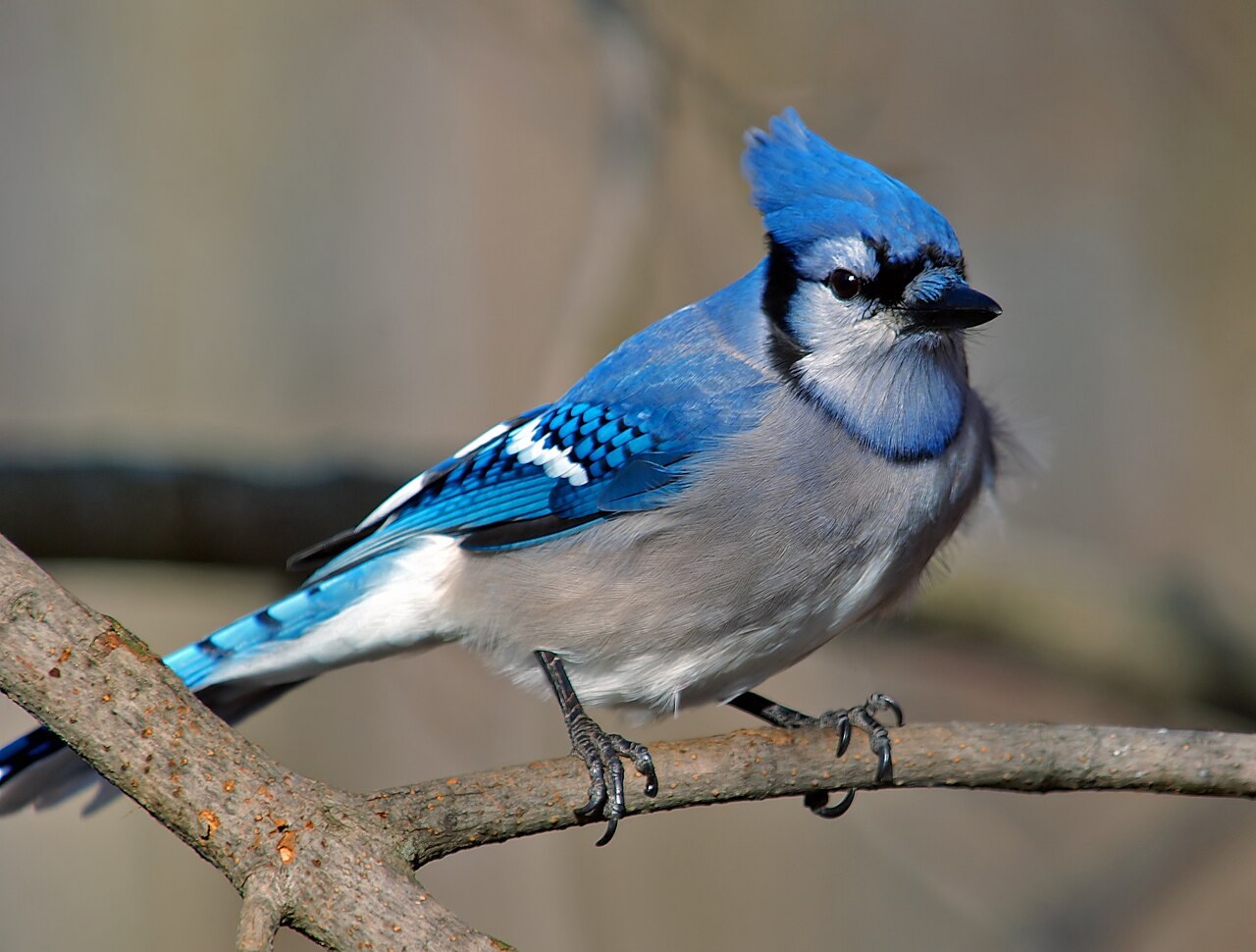
Blue jays are omnivores that eat mostly acorns, nuts, seeds, and insects, along with fruit and the occasional egg or small animal. Studies of their diet show it is dominated by plant food, especially acorns, with insects making up a large share in summer. They are famous for caching thousands of acorns each fall, which actually helps oak trees spread. At feeders, blue jays love peanuts, sunflower seeds, and suet. This guide covers exactly what blue jays eat through the year, whether they really eat other birds, their special relationship with acorns, and the best foods to offer them.
| Food Type | Examples | When |
|---|---|---|
| Nuts and acorns | Acorns, beechnuts, peanuts | Especially fall and winter |
| Seeds | Sunflower, corn | Year-round |
| Insects | Caterpillars, beetles, grasshoppers | Mostly spring and summer |
| Fruit | Berries, wild fruit | Summer and fall |
| Animal matter | Eggs, nestlings, small vertebrates | Occasional |
| Suet | Suet cakes at feeders | Cold months |
What Do Blue Jays Eat?
Blue jays have a broad, opportunistic diet, but the bulk of it is plant matter. Acorns and other nuts are the cornerstone, especially outside the breeding season, supplemented by seeds, grains, and a great deal of fruit. In spring and summer they eat large numbers of insects, including caterpillars, beetles, and grasshoppers, which provide the protein their growing chicks need. Analyses of blue jay stomach contents have long shown that plant food makes up the majority of the annual diet, with animal food a smaller share. This flexibility is a big reason blue jays thrive everywhere from deep woods to city parks. For the full picture of the bird itself, see our complete Blue Jay guide.
Do Blue Jays Eat Other Birds and Eggs?
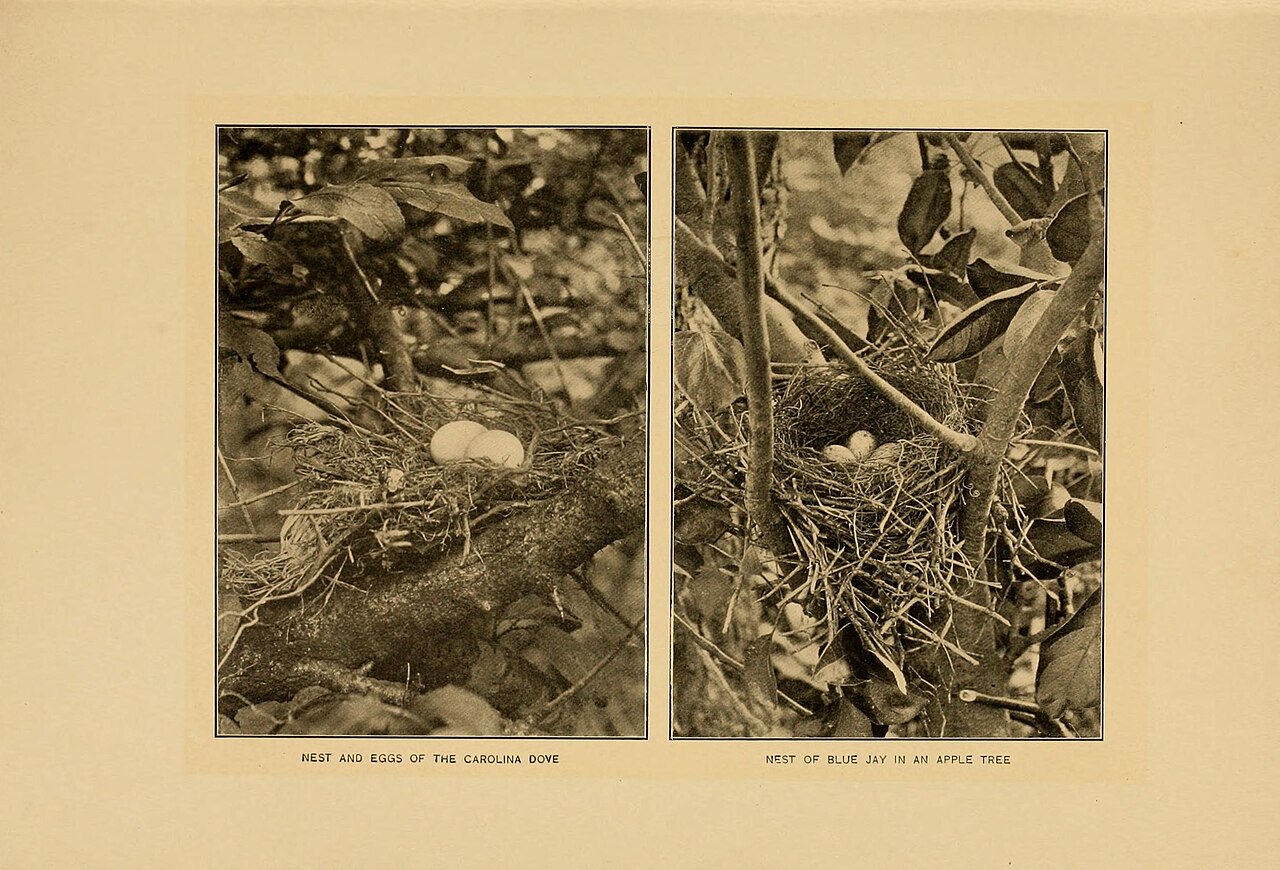
Blue jays can eat the eggs and nestlings of other birds, but this behavior is far rarer than their reputation suggests. A frequently cited study by the Cornell Lab of Ornithology examined the stomach contents of many blue jays and found evidence of eggs or nestlings in only a very small percentage of birds, with the vast majority of the diet being acorns, nuts, and insects. So while a jay will opportunistically raid a nest, it is not the ruthless nest predator folklore makes it out to be, and songbird populations are not meaningfully threatened by jays. Blue jays are also known to eat small or injured animals on occasion. If you want to support all the birds in your yard, focusing on habitat and feeders, as in our guide to attracting birds to a feeder, matters far more than worrying about jays.
Blue Jays and Acorns
Acorns are the signature food of the blue jay, and the relationship runs deep. In fall, a single jay may gather and cache thousands of acorns, carrying several at a time in its expandable throat and burying them across its territory to eat through winter. Because jays inevitably fail to retrieve some of these buried acorns, they effectively plant oak trees, and researchers credit blue jays with helping oak forests spread rapidly after the last ice age. This makes the blue jay one of the most ecologically important seed-dispersing birds in North America. Their strong bills let them hammer open acorns and other hard nuts that many birds cannot handle.
Best Foods to Feed Blue Jays at Feeders
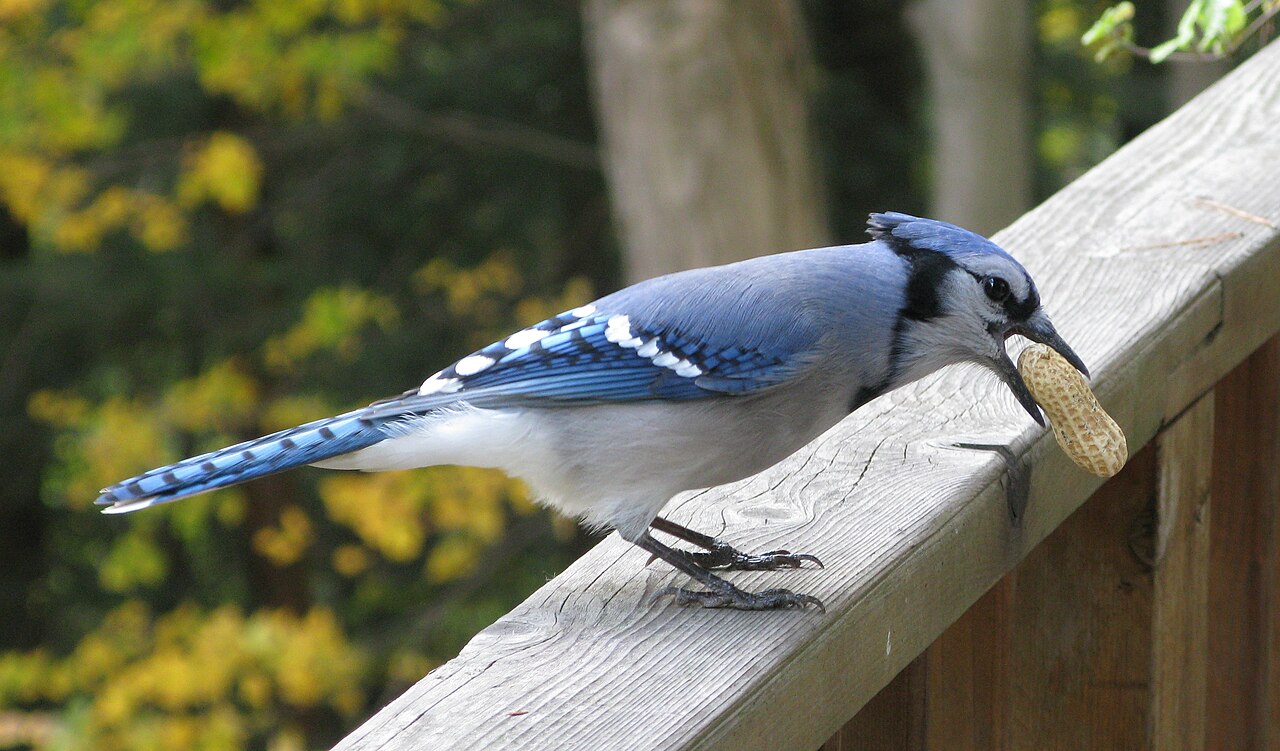
Blue jays are easy to attract with the right foods. Their clear favorites are peanuts, especially in the shell, which let them cache and haul to their hearts’ content. They also readily take black oil and striped sunflower seeds, cracked corn, and suet, particularly in cold weather. Because jays are large, a sturdy platform or hopper feeder or a dedicated peanut feeder suits them better than a small tube. Offering peanuts or sunflower on a tray is one of the most reliable ways to bring jays in. For the seeds jays and other birds prefer, see our guide to the best bird seed, and for feeder styles that handle bigger birds, our bird feeders guide. If squirrels raid the same foods, our squirrel-proof feeder guide can help.
What Do Blue Jays Eat in Winter?
In winter, blue jays lean heavily on the acorns and nuts they cached in fall, along with whatever feeders provide. This is when they most appreciate high-energy foods like peanuts, sunflower seeds, and suet, which help them survive cold nights. Because natural insect food is gone, a well-stocked feeder can be a real draw in the cold months, and jays will visit repeatedly, often caching feeder food just as they cache acorns. Keeping feeders full through winter not only helps the jays but also brings them close for easy viewing during the season when they are most feeder-dependent.
Foods to Avoid
While blue jays eat a wide range of foods, some things should not be offered. Avoid bread and heavily processed human foods, which provide little nutrition and can fill a bird without nourishing it. Do not offer salted or flavored nuts, since excess salt is harmful, so any peanuts should be plain and unsalted. Skip anything moldy or spoiled, as mold can be dangerous to birds. Stick to natural feeder foods like unsalted peanuts, sunflower seeds, cracked corn, and quality suet, and you will give jays exactly what they thrive on without any risk.
How Blue Jays Find and Store Food
Blue jays are planners, not just eaters. In autumn they enter a caching frenzy, selecting acorns and nuts, carrying several at once in an expandable throat pouch and beneath the tongue, and burying them one by one across their territory. A single jay can cache many thousands of nuts in a single fall, and remarkably, they remember a large share of these hiding spots through the winter using strong spatial memory. The nuts they forget sprout into seedlings, which is how jays quietly plant forests. At feeders you can watch a smaller version of this behavior play out, as a jay grabs several sunflower seeds or peanuts, wedges food into its throat, and flies off to store the haul before returning for more. Providing a steady supply of peanuts and sunflower, as described in our guide to choosing a bird feeder, lets you witness this caching up close.
Do Blue Jays Eat Suet and Mealworms?
Yes to both. Suet is an excellent cold-weather food for blue jays because it delivers concentrated fat and energy, and jays will readily visit suet cakes, especially in winter. Mealworms, whether dried or live, are also taken eagerly, since they mimic the insect protein jays hunt naturally in the warmer months. Offering mealworms in spring and summer can be particularly appealing when jays are feeding hungry nestlings. Both foods round out a jay-friendly feeding station alongside peanuts and sunflower seeds. For more ways to bring jays and other birds to your yard, our guide to attracting birds to a feeder covers placement and food choices in detail.
Do Blue Jays Eat Fruit and Berries?
Yes. Wild fruit and berries are a regular part of the blue jay diet, especially in late summer and fall when they are abundant. Jays take berries from shrubs and small trees such as elderberry, wild cherry, and dogwood, and they will also sample cultivated fruit in gardens. Adding native berry-producing plants to your yard is a natural way to feed jays and many other species without any feeder at all, and it supports the insects that jays also rely on. Our guide to plants that attract birds covers the best native shrubs and trees for turning a yard into a year-round food source. Between wild fruit in summer, insects in the breeding season, and cached acorns in winter, blue jays keep themselves fed through every season with very little help.
Frequently Asked Questions
What do blue jays eat?
Mostly acorns, nuts, seeds, and insects, plus fruit and the occasional egg or small animal. Plant food, especially acorns, makes up the majority of their diet, with insects important in summer.
Do blue jays really eat other birds’ eggs?
Rarely. A well-known Cornell study found eggs or nestlings in only a very small share of blue jay stomachs. Jays will raid a nest opportunistically, but it is a minor part of their diet, not their main food.
Do blue jays eat acorns?
Yes, acorns are their signature food. A single jay may cache thousands each fall, and because they do not retrieve them all, they help plant oak trees across the landscape.
Do blue jays eat peanuts?
Yes, peanuts, especially in the shell, are a favorite. Jays will often grab several and fly off to cache them rather than eating on the spot. Always offer unsalted peanuts.
What is the best food to attract blue jays?
Peanuts in the shell are the top choice, followed by sunflower seeds, cracked corn, and suet. Offer them on a sturdy platform, hopper, or peanut feeder rather than a small tube.
Do blue jays eat hummingbirds?
It is very rare. Blue jays are opportunists and could take a weak or injured small bird, but healthy adult hummingbirds are not a normal food. Their diet is dominated by nuts, seeds, and insects.
What do blue jays eat in winter?
Cached acorns and nuts from fall, plus feeder foods like peanuts, sunflower seeds, and suet. High-energy feeder food is especially valuable to them in cold weather.