What Do Ravens Eat? Complete Diet Guide
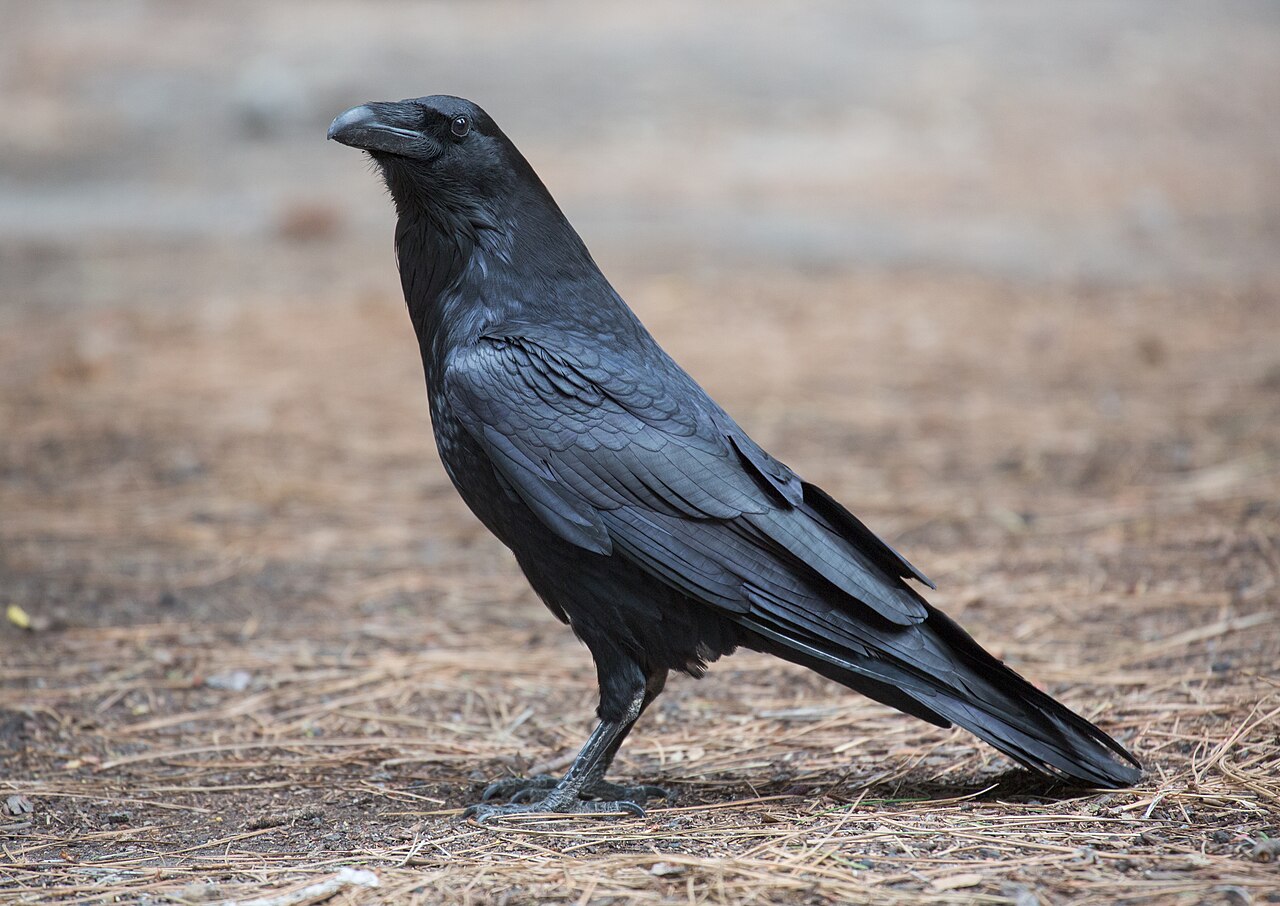
Ravens are omnivorous scavengers that eat almost anything, including carrion, small animals, insects, eggs, grains, fruit, and human food scraps. As one of the most intelligent and adaptable birds, the common raven takes full advantage of whatever food it can find, from a fresh carcass to a stolen sandwich. This guide covers exactly what ravens eat, how their intelligence helps them find food, how they differ from crows, what baby ravens eat, and the role ravens play as nature’s cleanup crew.
| Food | Examples |
|---|---|
| Carrion | Dead animals, roadkill, carcasses |
| Small animals | Rodents, eggs, nestlings, reptiles |
| Insects | Beetles, grubs, grasshoppers |
| Plant food | Grains, seeds, fruit, nuts |
| Human food | Scraps, garbage, pet food |
What Do Ravens Eat?
Ravens are supreme omnivores and opportunists, eating an enormous range of foods depending on what is available. According to the Cornell Lab of Ornithology, the common raven eats a highly varied diet that includes carrion, small animals, insects, grains, fruit, and human refuse, making it one of the most flexible feeders of any bird. Carrion is especially important, and ravens are famous scavengers that feed on dead animals and roadkill, often being among the first birds to find a carcass. They also hunt small prey such as rodents, reptiles, and amphibians, raid nests for eggs and nestlings, catch insects, and eat seeds, grains, nuts, and fruit. In areas near people, ravens readily exploit garbage and food scraps. This extreme dietary flexibility lets ravens thrive nearly everywhere, from deserts to forests to cities. For their close relatives, see our guide to what crows eat.
How Ravens Use Intelligence to Find Food
Ravens are among the smartest of all birds, and they use that remarkable intelligence to find and obtain food in ingenious ways. They are excellent problem-solvers, capable of using tools and figuring out puzzles to reach food, and they have superb memories that help them recall reliable food sources. Ravens are also known to follow predators such as wolves and even hunters, waiting to scavenge the remains of a kill, and some observations suggest ravens may lead predators to carcasses they cannot open themselves. They cache surplus food, hiding it to eat later, and will watch other ravens to steal caches, leading to clever concealment. This combination of intelligence, memory, and cunning makes ravens exceptionally effective at securing food, allowing them to exploit opportunities that few other birds could manage.
Ravens vs Crows: Diet and Differences
Ravens and crows are close relatives with similar omnivorous diets, but there are differences worth knowing. Both eat carrion, small animals, insects, grains, and human scraps, and both are highly intelligent. However, the common raven is noticeably larger than the American crow, with a heavier bill, a wedge-shaped tail visible in flight, shaggy throat feathers, and a deep, croaking call rather than the crow’s sharper caw. Ravens tend to be more solitary or found in pairs, while crows often gather in large flocks. Because of their greater size and power, ravens can tackle somewhat larger carrion and prey, and they are even more strongly associated with scavenging carcasses. Despite these differences, the two share the same opportunistic, adaptable approach to food that has made corvids so successful. For more on crows, see our guide to what crows eat.
What Do Baby Ravens Eat?
Baby ravens eat a protein-rich diet delivered entirely by their parents. The adults bring food back to the nest, feeding the nestlings a mix of animal matter such as insects, small animals, carrion, and eggs, along with bits of whatever else the adults are eating, since growing raven chicks need plenty of protein to develop quickly. Both parents typically help provision the young, working hard to keep up with their large, hungry brood. As the young ravens grow and fledge, they gradually learn to find food for themselves, and young ravens often form loose groups that forage and roost together before pairing off as adults. This parental feeding of protein-rich food is essential during the weeks the nestlings spend growing before they can survive on their own.
Ravens as Nature’s Cleanup Crew
Ravens play a valuable ecological role as scavengers, helping to clean up dead animals and recycle nutrients. By feeding on carrion, ravens remove carcasses from the landscape, which helps limit the spread of disease and returns nutrients to the ecosystem. Their willingness to eat almost anything also means they help clean up waste around human areas, though this sometimes brings them into conflict with people. As opportunistic omnivores, ravens fill an important niche, functioning as both predators of small animals and scavengers of the dead. This role, combined with their intelligence and adaptability, has earned ravens a prominent place in ecosystems across the Northern Hemisphere and a lasting place in human culture and folklore, as explored in our guide to raven symbolism.
Do Ravens Eat Other Birds?
Yes, ravens do eat other birds, though it is only one part of their broad diet. Ravens are known to raid the nests of other birds, eating eggs and nestlings when they find them, and they will also catch injured, sick, or very young birds. This makes ravens a threat to smaller birds during the breeding season, and other birds often mob ravens to drive them away from nesting areas. That said, birds and eggs are not a raven’s primary food, since carrion, small mammals, insects, grains, and fruit make up much more of the diet. Ravens take eggs and nestlings opportunistically, as part of their flexible, omnivorous approach to finding food, rather than specializing in hunting adult birds. This behavior is natural for such an adaptable scavenger and predator, and it parallels the habits of other corvids covered in our guide to what owls eat.
How Ravens Find Food Year Round
Ravens are remarkably successful at finding food in every season and habitat, which is central to their survival in harsh environments. In warmer months they take advantage of abundant insects, small animals, eggs, and plant foods, while in winter, when many foods are scarce, they rely heavily on carrion, becoming even more important as scavengers of animals that die in the cold. Ravens will travel widely in search of food, follow predators to carcasses, and remember reliable feeding sites, and their food-caching helps them through lean times. In areas near people, ravens exploit garbage, roadkill, and scraps year round. This year-round adaptability, shifting to whatever food the season provides, is a major reason ravens thrive from arctic tundra to hot deserts, a resourcefulness they share with the birds in our guide on attracting birds.
Do Ravens Store Food?
Yes, ravens are dedicated food cachers, hiding surplus food to eat later, which is another sign of their intelligence. When a raven finds more food than it can eat at once, especially from a large carcass, it will carry off pieces and hide them in scattered spots, covering the caches with leaves, snow, or debris to conceal them. Ravens have excellent memories for these hiding places and will return to them when food is scarce. They are also cunning about it, since ravens watch one another and will steal a rival’s cache, so a raven that suspects it is being observed may pretend to hide food in one place while actually caching it elsewhere. This clever caching behavior helps ravens survive lean times and make the most of temporary abundance, and it reflects the same sharp intelligence that shapes every part of how ravens find and manage food.
Related reading: what is a group of ravens called.
Frequently Asked Questions
What do ravens eat?
Ravens are omnivores that eat carrion, small animals, insects, eggs, nestlings, grains, fruit, nuts, and human food scraps. They are highly flexible, opportunistic feeders.
Do ravens eat meat?
Yes. Ravens are major scavengers of carrion and roadkill, and they also hunt small animals like rodents and reptiles. Meat and carrion are important parts of their diet.
What is the difference between a raven and a crow?
Ravens are larger than crows, with heavier bills, wedge-shaped tails, shaggy throat feathers, and deep croaking calls. Crows are smaller, gather in large flocks, and caw.
Do ravens really follow wolves?
Yes. Ravens often follow wolves and other predators to scavenge from their kills, a relationship so well known that ravens are sometimes called wolf-birds.
What do baby ravens eat?
Baby ravens eat a protein-rich diet of insects, small animals, carrion, and eggs brought to the nest by their parents, who work hard to feed the growing brood.
Do ravens store food?
Yes. Ravens cache surplus food to eat later and have excellent memories for their hiding spots. They also watch other ravens and may steal or re-hide caches.
Are ravens good for the environment?
Yes. As scavengers, ravens clean up carcasses, limit disease spread, and recycle nutrients, filling an important ecological role as both predators and cleanup crew.