How to Attract Mourning Doves to Your Yard
To attract mourning doves, offer seed on the ground or a low platform feeder, provide open space and water, and add perches where they can rest. Doves are ground-feeding seed specialists, so millet, cracked corn, and sunflower scattered on a tray or the ground will bring them in fast. They also need open sightlines to watch for danger, a source of water, and safe perches. This guide covers the best feeders, foods, water, and yard setup to make mourning doves regular visitors.
| Attractor | What to Provide |
|---|---|
| Feeder | Ground or low platform tray |
| Food | Millet, cracked corn, sunflower |
| Water | Ground-level or shallow bath |
| Perches | Wires, bare branches, fences |
| Space | Open, uncluttered feeding area |
| Cover | Nearby trees or shrubs for safety |
Use the Right Feeder for Doves
The single most important step in attracting mourning doves is offering food the way they like to eat it, on the ground or a low, open surface. Doves are large, heavy-bodied birds that struggle with small perches and hanging tube feeders, so those styles will mostly be ignored. Instead, use a ground feeder tray or a wide, low platform feeder with plenty of standing room. Simply scattering a handful of seed on a patio, a large flat rock, or a cleared patch of ground also works well and mimics how doves feed naturally. A platform feeder has the added benefit of keeping seed cleaner and off wet soil. For feeder styles and how different birds use them, see our bird feeders guide.
Offer the Seeds Doves Love
Mourning doves are seed specialists, so stocking the right seed is key. Their favorites are white proso millet, cracked corn, and milo, along with black oil sunflower seeds. Inexpensive mixed birdseed, which is heavy in millet and corn, is very attractive to doves, and it is one of the few cases where a basic seed mix outperforms premium blends for a specific bird. Avoid relying only on large striped sunflower or nuts, which doves handle less easily. Offering a generous, steady supply on the ground or a tray will quickly draw a local flock. For a full breakdown of seed types, see our guide to the best bird seed.
Provide Water and Grit
Water is a powerful dove attractant, and doves drink in an unusual way. Unlike most birds that scoop water and tip their heads back, mourning doves can suck water up continuously, so they appreciate a reliable, accessible source. A ground-level or shallow birdbath suits them best, since they are ground birds. Because doves swallow seeds whole and grind them with swallowed grit, offering a small area of coarse sand or fine gravel nearby can also help them, and they will often visit driveways and gravel patches for this reason. Fresh water and a little grit together make a yard noticeably more dove-friendly.
Add Perches and Open Space
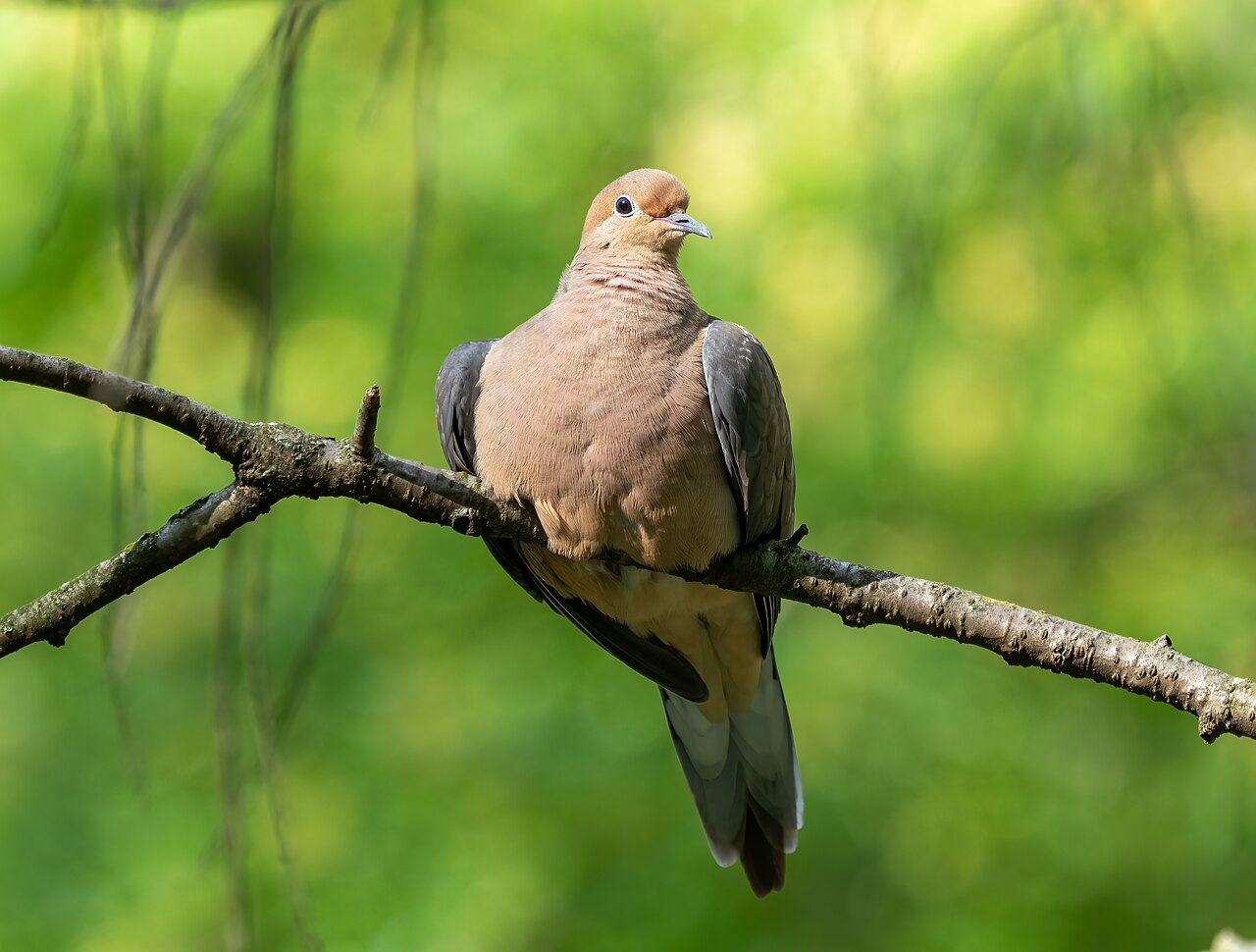
Mourning doves spend a lot of time resting and preening on open perches, so providing them makes your yard more inviting. Utility wires, bare branches, fence tops, and clotheslines are all favored dove perches, especially ones that catch morning sun. Just as important is open feeding space, since doves are wary birds that like a clear view of their surroundings while they eat. Keep the feeding area uncluttered and away from spots where a cat could hide, but with trees or shrubs nearby for quick escape. This balance of open feeding ground and nearby cover is exactly what makes doves feel safe enough to become regulars.
Make Your Yard Dove-Friendly Year Round
Beyond feeders, a few habitat choices keep doves coming back. Letting a corner of the yard grow a little wild produces natural weed and grass seeds that doves love, and native seed-bearing plants extend the natural food supply, as covered in our guide to plants that attract birds. Providing safe nesting spots helps too, since doves nest readily on ledges, in trees, and even in hanging planters, and they raise many broods a season where food is plentiful. Keeping cats indoors protects these ground-feeding birds, which are especially vulnerable while feeding. With open feeding areas, the right seed, water, and perches, mourning doves will become one of the most dependable and gentle presences in your yard, much like the approach in our guide to attracting birds to your feeder.
Common Mistakes When Attracting Doves
A few simple missteps keep doves away even in a well-stocked yard. The most common is relying only on hanging tube feeders, which doves cannot use easily, so the seed never reaches them. Another is placing feed in a tight, enclosed corner where doves feel exposed to ambush, since these wary birds want a clear view. Letting spilled seed grow moldy on wet ground is both unappealing and unhealthy, so a platform or a rotated feeding spot helps. Finally, allowing outdoor cats near the feeding area is especially dangerous for ground-feeding doves. Avoiding these mistakes, and simply offering seed in the open on a low surface, solves most dove-attracting problems. For general feeding setup, see our guide on attracting birds to your feeder.
How Many Mourning Doves Will Come?
Once doves find a reliable food source, they often arrive in growing numbers, since they are social outside the breeding season and gather in loose flocks. Mourning doves are among the most abundant birds on the continent, with the Cornell Lab of Ornithology estimating a population in the hundreds of millions, so in most areas there are plenty of local doves ready to discover your yard. Do not be surprised if a single visitor turns into a regular group over a few weeks. Providing enough open ground space so several can feed at once, rather than one small tray, keeps the peace among them. A dependable seed supply, water, and safe perches will make your yard a favorite stop for the whole neighborhood’s doves. For seed choices, see our guide to the best bird seed.
Do Mourning Doves Return to the Same Yard?
Yes, mourning doves are creatures of habit that return to reliable food and safe surroundings, so once your yard earns their trust they tend to become fixtures. A pair may even nest nearby if the setting feels safe, and because doves can raise several broods in a season where food is plentiful, a welcoming yard can host doves for much of the year. Consistency is the key: keeping seed available, water fresh, and the feeding area safe from cats builds the trust that turns occasional visitors into daily regulars. Over time you may recognize the same doves resting on the same wire each morning, a quiet, gentle presence that rewards the small effort of keeping them fed.
Best Time of Day to See Doves
Mourning doves are most active in the early morning and again in the late afternoon before dusk, so those are the best times to watch them at a feeding area. In the morning they often perch in the open to catch the first sun and warm up before feeding, and you will frequently see them lined along wires or fences at dawn. Midday tends to be quieter, as doves rest and digest the seed stored in their crops. Knowing this rhythm helps you time refills and enjoy the birds, and it explains why a morning glance out the window is often rewarded with a gathering of doves feeding peacefully on the ground below your feeders.
Related reading: what do mourning doves eat.
Frequently Asked Questions
How do I attract mourning doves to my yard?
Offer seed on the ground or a low platform feeder, stock millet, cracked corn, and sunflower, provide water and open feeding space, and add perches like wires and bare branches nearby.
What is the best feeder for mourning doves?
A ground feeder tray or a wide, low platform feeder. Doves are too large for most hanging tube feeders and small perches, so they prefer to feed on open, flat surfaces.
What food attracts mourning doves best?
White proso millet, cracked corn, and milo, plus black oil sunflower seeds. Inexpensive mixed birdseed heavy in millet and corn is especially attractive to doves.
Where should I put a dove feeding area?
In an open spot with a clear view, a little away from busy hanging feeders, with trees or shrubs nearby for escape. Doves feel safest where they can see danger coming.
Do mourning doves need water?
Yes. Water is a strong attractant, and doves prefer a ground-level or shallow bath. They can suck water up continuously, unlike most birds, and appreciate a reliable source.
Do mourning doves use bird houses?
Not enclosed boxes, but they nest on open ledges, in trees, and sometimes in hanging planters. An open nesting shelf can sometimes encourage them to nest safely.
Why won’t doves use my hanging feeder?
Because they are large, heavy birds that struggle with small perches and swinging feeders. Switch to a ground tray or wide platform and they will feed readily.