When Do Hummingbirds Come Back? Spring Return Guide
Hummingbirds return in spring, arriving in the southern United States as early as late February and reaching northern states and Canada by late April into May. Their return follows the warming weather and blooming flowers northward, so the timing depends heavily on your latitude. A good rule is to put feeders out about one to two weeks before hummingbirds are expected in your area. This guide covers when hummingbirds come back by region, what triggers their return, when to hang your feeders, and how to be ready for the first arrivals.
| Region | Typical Return |
|---|---|
| Gulf Coast and Deep South | Late February to March |
| Southeast and Southwest | March to early April |
| Mid-Atlantic and Midwest | Mid to late April |
| Northern states | Late April to early May |
| Canada and far north | May |
When Do Hummingbirds Come Back?
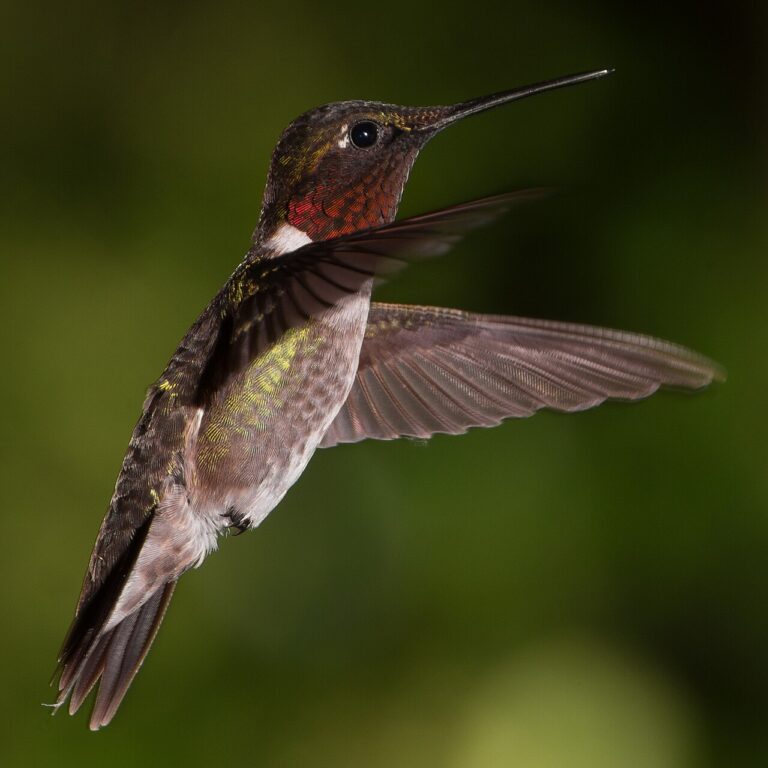
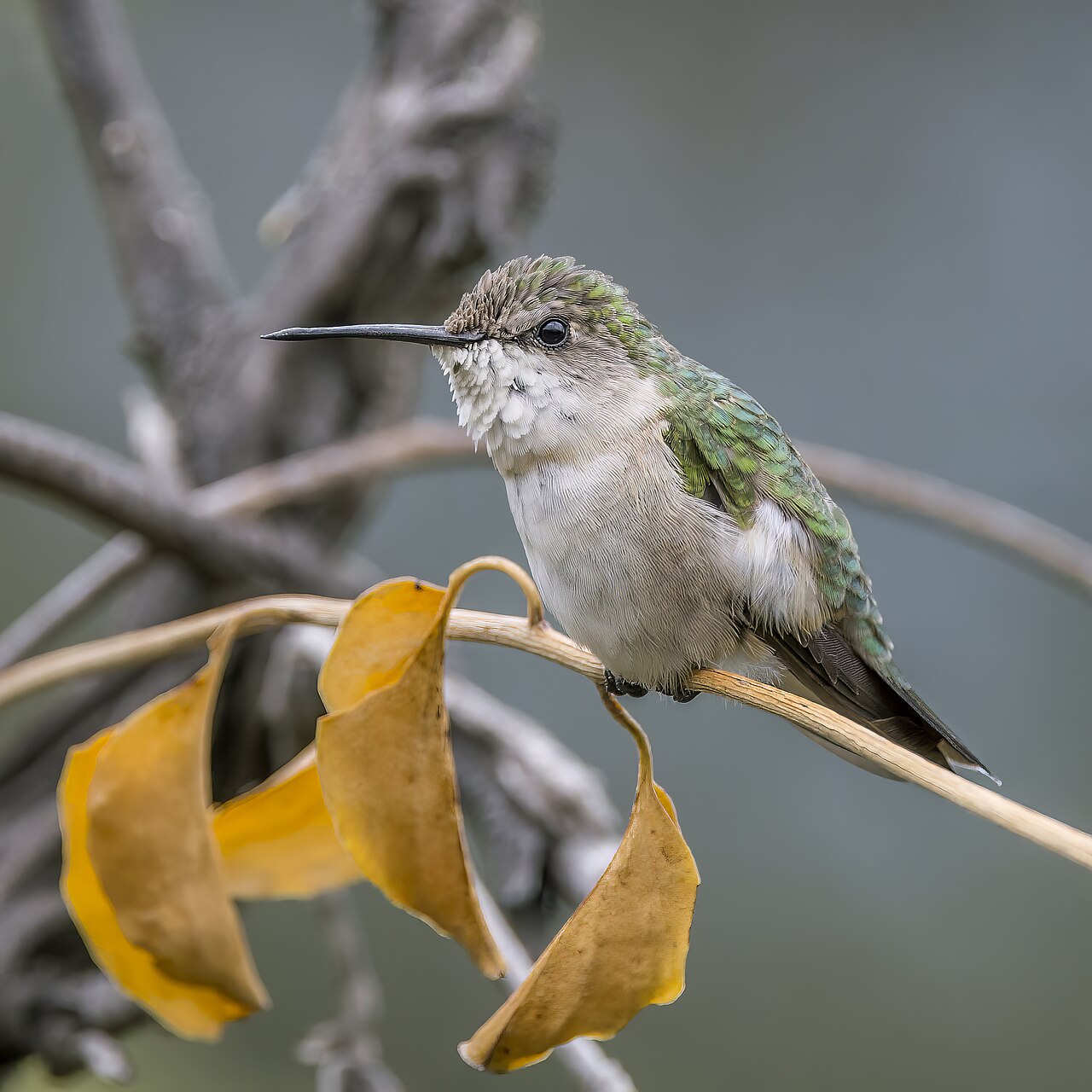
Hummingbirds return from their wintering grounds in a wave that moves north with the spring. The earliest arrivals reach the Gulf Coast and Deep South in late February and March, having crossed from Mexico and Central America, some by making a remarkable nonstop flight across the Gulf of Mexico. From there the wave spreads north, reaching the mid-Atlantic and Midwest by mid to late April and the northern states, and eventually Canada, through late April and May. Because the return tracks warming temperatures and blooming flowers, the exact date in your yard depends mostly on how far north you are. The Ruby-Throated Hummingbird is the species most of the eastern United States waits for each spring, as covered in our complete hummingbird guide.
What Triggers Their Return
Several cues drive spring migration. Increasing daylight is the primary trigger that tells hummingbirds it is time to move north, prompting them to build fat reserves and begin the journey. As they travel, they follow the availability of food, blooming nectar flowers and the tiny insects that emerge with warmer weather, along with sapsucker sap wells that provide early sugar before many flowers open. Weather also fine-tunes the timing, since a warm early spring can pull hummingbirds north sooner and a cold snap can slow them down. Males generally arrive first, ahead of females, to establish feeding territories before the females follow. This mix of daylight, food, and weather is why arrival dates shift a little from year to year.
When to Put Your Feeders Out
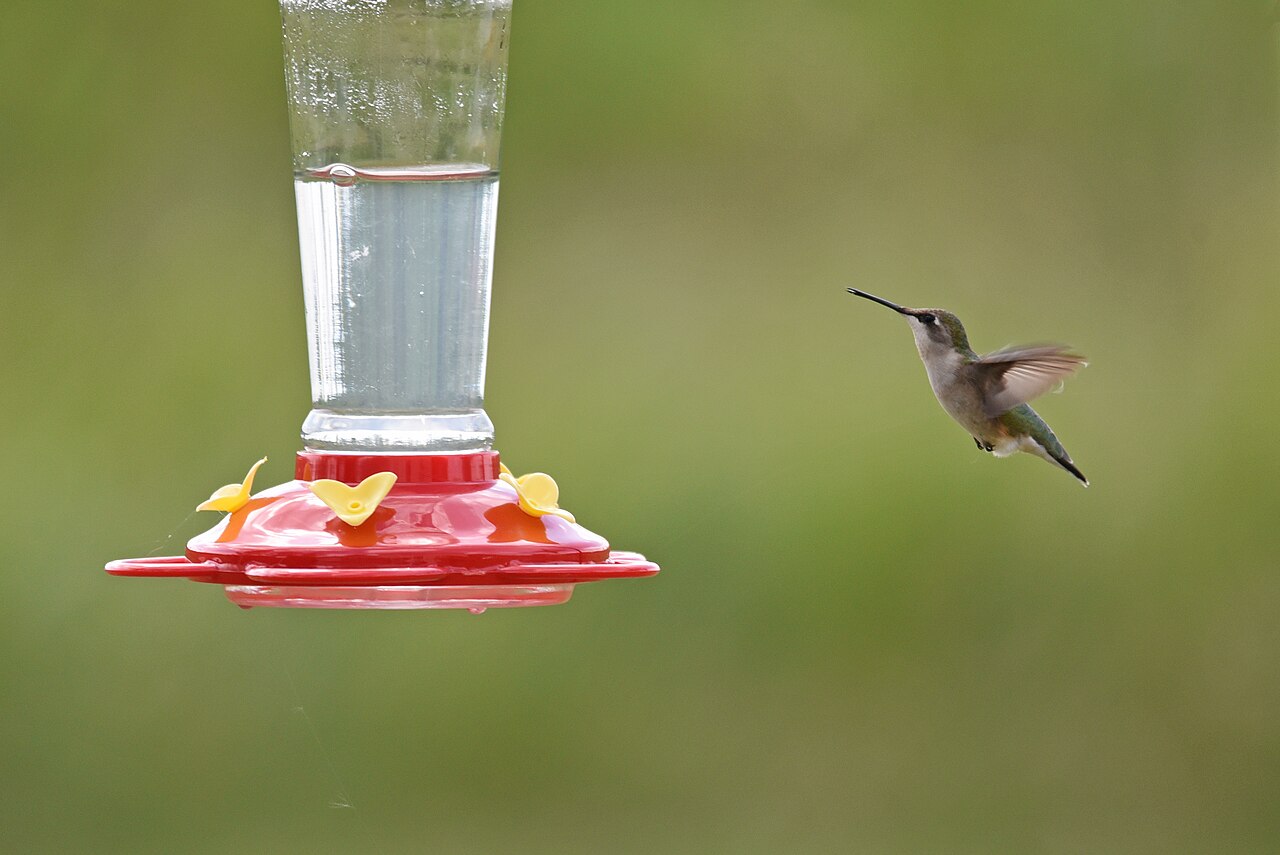
The best strategy is to hang your feeders about one to two weeks before hummingbirds typically return to your area, so an early arrival finds food waiting. For the Deep South that can mean late February, for the middle of the country early to mid April, and for northern states around late April. Putting a feeder out early does not keep hummingbirds from migrating or cause any harm, and it can catch early scouts and passing migrants who will remember your yard. Filling the feeder with a proper four to one nectar, made using our hummingbird sugar water recipe, and keeping it clean from the start gives returning birds a reliable first meal.
How to Be Ready for the First Arrivals
Beyond hanging a feeder, a few steps make your yard welcoming to the first hummingbirds of spring. Have early-blooming nectar flowers ready if you can, since natural nectar draws birds alongside feeders. Place feeders where returning hummingbirds can easily spot them, ideally with some red nearby, and near perches and cover. Because early spring can still bring cold nights, keeping nectar from freezing and refreshing it regularly helps the first arrivals through chilly spells. Getting set up before the wave reaches you means you will not miss those exciting first sightings, and the birds that find your yard early often stay to nest. For the full welcome plan, see our guide on how to attract hummingbirds and on flowers that attract birds.
Do the Same Hummingbirds Return Each Year?
Remarkably, yes, often the very same individuals come back to the same yards. Hummingbirds show strong site fidelity, meaning a bird that found a reliable feeder or garden one year will frequently return to that exact spot the next, sometimes appearing at a window where a feeder used to hang as if asking for it to be refilled. The Cornell Lab of Ornithology notes that many hummingbirds return to the same breeding areas year after year, navigating thousands of miles with astonishing precision. This is a wonderful reason to be consistent from season to season, since the hummingbirds you host this year may well be the ones that return next spring, and your reliability helps them complete their long migration successfully.
Getting Your Garden Ready for Spring
Beyond hanging a feeder, preparing your garden helps welcome returning hummingbirds. Early-blooming nectar plants such as columbine, coral honeysuckle, and flowering currant provide natural food right when the first birds arrive, before summer flowers open. Planning a succession of tubular blooms in red, orange, and pink ensures nectar from spring through fall. Leaving spiders and small insects undisturbed provides the protein hummingbirds need alongside nectar, so avoiding pesticides is key. A little planning before the season means your yard offers a full welcome the moment hummingbirds return. For plant ideas, see our guides to flowers that attract birds and plants that attract birds.
Why Timing Varies Year to Year
Even in the same location, hummingbird arrival can shift by a week or two from one year to the next, and weather is the main reason. A warm, early spring with blooming flowers can pull migrants north sooner, while a cold snap or late frost can stall them along the way. Wind patterns during migration also speed up or slow down the journey. This is why the regional dates above are guides rather than guarantees, and why watching local sightings each spring is the most accurate way to know when to expect your birds. Hanging your feeder a little early each year is the safest approach, since an early feeder never hurts and ensures you never miss the first arrival.
What to Do When the First One Arrives
Spotting your first hummingbird of spring is a thrill, and a few quick steps help you make the most of it. Make sure your feeder is filled with fresh four to one nectar and is clean, since that first bird may be tired and hungry from a long migration. Check that the feeder is easy to see, ideally with some red nearby, and positioned near a perch where the bird can rest. If you have early-blooming nectar flowers, all the better. Then simply enjoy the show, because an early arrival that finds your yard welcoming will often settle in for the season, and may be the same bird that returns to you next spring.
Tracking the Migration North
One of the most enjoyable parts of spring for hummingbird fans is following the migration as it moves north. Community sighting maps let you watch reported arrivals sweep up the continent week by week, giving you a clear signal of when to expect birds in your area. Checking these maps in early spring helps you time your feeder perfectly, hanging it just before the wave reaches you. It also connects you to a wider community of birders all watching for the same joyful sign of the season, and it turns the simple act of putting out a feeder into a small yearly ritual tied to the rhythm of the natural world.
Frequently Asked Questions
When do hummingbirds come back in spring?
They return in a wave moving north, reaching the Deep South in late February and March, the Midwest and mid-Atlantic in mid to late April, and northern states and Canada through late April into May.
When should I put my hummingbird feeder out?
About one to two weeks before hummingbirds typically return to your area, so early arrivals find food waiting. This ranges from late February in the South to late April in the North.
What makes hummingbirds migrate back north?
Increasing daylight is the main trigger, along with the availability of nectar flowers, insects, and sapsucker sap wells, plus warming weather that fine-tunes the timing.
Do males or females return first?
Males generally arrive first to establish feeding territories, with females following a little later in the spring.
Will putting a feeder out early stop hummingbirds from migrating?
No. Hanging a feeder early does not delay or prevent migration. It simply provides food for early arrivals and passing migrants, who may remember your yard.
How do I know when hummingbirds are near my area?
Community sighting maps track the migration in real time each spring, so you can watch the wave move north and see when the first birds reach your region.
Which hummingbird returns to the eastern US?
The Ruby-Throated Hummingbird is the main species across most of the eastern United States, returning each spring from Mexico and Central America.