Flowers That Attract Birds: 25 Best Blooms for Hummingbirds, Finches & Songbirds
A flower garden can attract birds nearly as effectively as a feeder, and unlike feeders, flowering plants provide everything birds need across the breeding and migration seasons: nectar for hummingbirds, seeds for finches and sparrows, insects (especially caterpillars and pollinators) for nesting parents to feed their young, and structural cover for shelter. The right flowers transform a garden bed from purely ornamental into functional bird habitat. This guide covers the 25 best flowers for attracting birds, grouped by category (hummingbird specialists, seed producers, insect hosts), with bloom timing across the season, regional considerations, and the apartment/container adaptations that make this strategy work even in small spaces.
Why Flowers Attract Birds
Flowers feed birds in three distinct ways, and the most effective bird-friendly gardens layer all three.
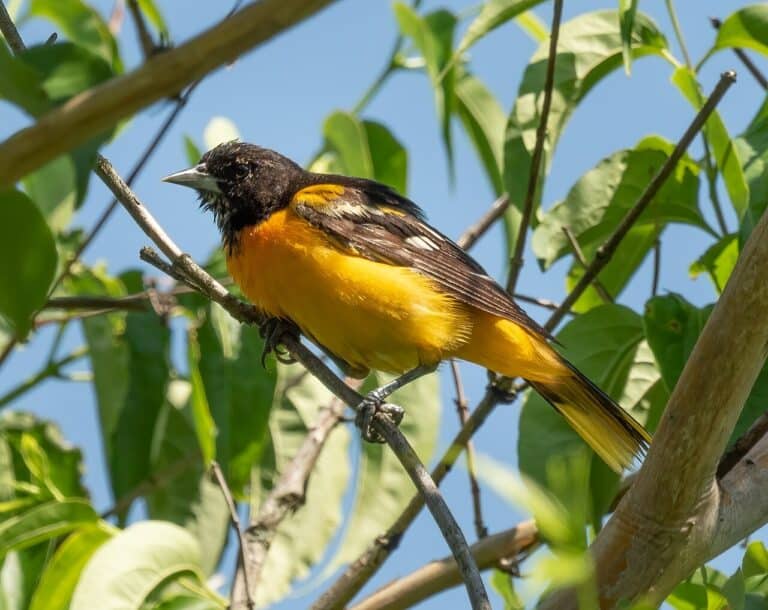
Direct nectar: Hummingbirds drink nectar directly from flowers. A garden with native nectar plants attracts hummingbirds independently of any feeder. Orioles, tanagers, and some warblers also feed on flower nectar occasionally.
Seeds: When flowers go to seed, those seeds feed finches, sparrows, juncos, and other small songbirds. The seed-feeding window extends from late summer through winter, exactly when natural seed sources elsewhere are scarce.
Insects: Flowers attract pollinators (bees, butterflies, beetles) and host caterpillars that breeding birds feed to their nestlings. This insect-attracting function is the most ecologically important and the most overlooked. 96% of American songbird species feed insects to their young, even species that mostly eat seeds as adults.
A flower garden that does all three creates the same habitat value as a yard with multiple feeders. The compounding advantage: once established, flowers cost nothing to maintain and produce ecological value year after year.
If you’re new to backyard birding overall, the complete attract birds to your yard guide covers the broader habitat framework. For the wider plant strategy (trees, shrubs, grasses, vines), see the plants that attract birds guide. This guide focuses specifically on flowers, annuals, perennials, and flowering plants for bird habitat.
The Hummingbird Specialist Flowers
These flowers are specifically adapted to hummingbird pollination, their shape (tubular), color (typically red), and nectar production align with hummingbird feeding behavior. They’re the highest-value flowers for hummingbird-focused yards.
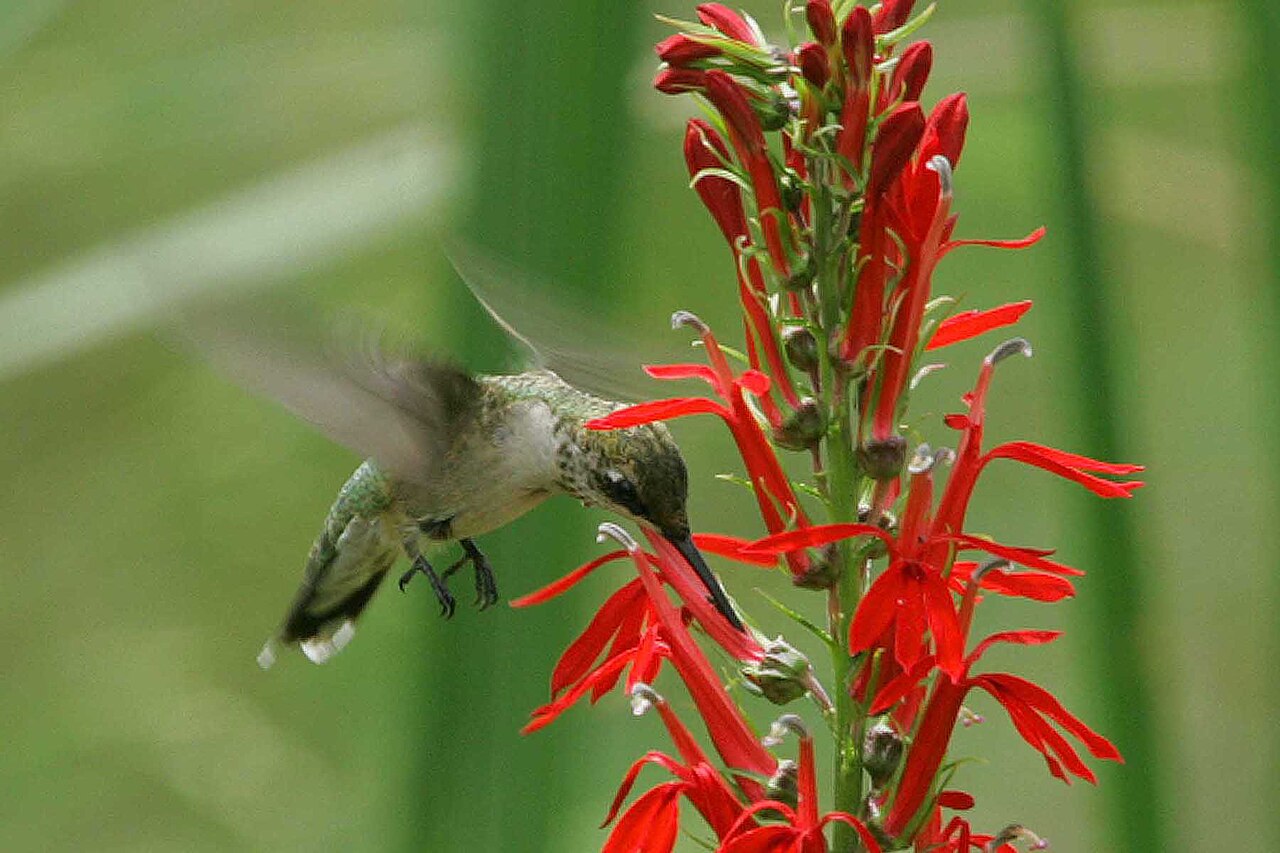
Cardinal Flower (Lobelia cardinalis)
Bright red tubular spires reaching 3 to 4 feet tall. Probably the single most reliable hummingbird flower in eastern North America. Blooms July through September, peak hummingbird season. Prefers moist soil and partial shade.
Trumpet Honeysuckle (Lonicera sempervirens)
A native vine with clusters of red-orange tubular flowers. Hardy in most US regions. Critically different from invasive Japanese Honeysuckle, make sure you’re buying the native species. Climbs trellises and fences, blooms April through October in many regions.
Bee Balm (Monarda didyma, Monarda fistulosa)
Tubular flowers in red, pink, lavender, or white. Different species suit different regions. Beloved by hummingbirds, bees, and butterflies simultaneously. The red varieties most strongly attract hummingbirds.
Trumpet Vine (Campsis radicans)
Aggressive native vine with large orange-red tubular flowers. One of the few flowers strong enough to attract hummingbirds from across the neighborhood. Be cautious about placement, it spreads vigorously and can damage structures.
Native Salvias
Many native salvia species attract hummingbirds, with red varieties especially. Salvia coccinea (Tropical Sage) is excellent for southern gardens. Salvia greggii (Autumn Sage) for the Southwest. Native salvias bloom long, often May through frost.
Columbine (Aquilegia canadensis and other natives)
Native columbines have distinctive spurred flowers, red and yellow in the eastern species, various colors in western varieties. Important early-season hummingbird flower, blooming April through June when other hummingbird flowers are still emerging.
Native Penstemons
Penstemons have tubular flowers in many colors, with red varieties especially attractive to hummingbirds. Different species suit different regions, Penstemon barbatus for the Southwest, Penstemon digitalis for the Midwest and East. Long blooming season.
For specific hummingbird feeder integration with these flowers, see the hummingbird feeder placement guide.
The Seed-Producing Flowers
These flowers feed finches, sparrows, juncos, and other seed-eating songbirds. The key timing: let them go to seed. Don’t deadhead, don’t cut back in fall. The dried seedheads through winter are when these flowers do their most important bird work.
Coneflowers (Echinacea purpurea, Echinacea pallida)
Purple coneflower especially. Goldfinches are particularly fond of coneflower seeds. Other small songbirds visit through fall and winter. Easy to grow, drought-tolerant, beautiful in summer.
Native Sunflowers (Helianthus species)
Common Sunflower (Helianthus annuus) is an annual; many native perennial sunflowers like Sawtooth Sunflower and Maximilian Sunflower also feed birds. Massive seed production, a single mature sunflower can produce 1,000+ seeds.
Black-Eyed Susan (Rudbeckia hirta)
Yellow daisy-type flowers blooming July through September. Seeds eaten by finches, chickadees, and sparrows. Self-seeds readily, providing both annual interest and ongoing seed crops.
Native Asters (Aster species)
Late-season flowers (August through October) in purple, pink, and white. Important for both pollinator support during fall migration and seed production for winter songbirds. New England Aster, Smooth Aster, and Heath Aster are widely available.
Joe-Pye Weed (Eutrochium species)
Tall pink-purple cluster flowers, 4 to 7 feet tall. Attracts butterflies and bees in summer, produces seeds in fall. Important late-season pollinator and seed source.
Goldenrod (Solidago species)
Yellow flower spikes blooming late summer into fall. Critical late-season pollen source, supports the bees and butterflies that overwinter or migrate. Not the cause of fall allergies (that’s ragweed, which blooms at the same time). Native species like Stiff Goldenrod and Showy Goldenrod are valuable.
Milkweed (Asclepias species)
Common Milkweed, Swamp Milkweed, and Butterfly Weed. Critical for monarch butterflies and many native pollinators. Seeds in fall feed some bird species, while the insects attracted feed nesting birds.
Bachelor’s Buttons (Centaurea cyanus)
A non-native but garden-friendly annual that produces excellent finch food. Goldfinches love bachelor’s button seeds. Re-seeds readily for ongoing crops.
Cosmos (Cosmos bipinnatus)
Annual flowers in pink, white, and orange. Easy to grow from seed, produces abundant seeds that finches eat. Long blooming season.
Zinnia (Zinnia elegans)
Annual flowers in many colors. The taller varieties produce seeds eaten by finches and sparrows in fall. Easy to grow, long-blooming.
The Insect-Hosting Flowers
These flowers attract the pollinators and host the caterpillars that birds feed to their nestlings. For nesting season especially, insect-attracting flowers are critical, even seed-eating adult birds feed caterpillars to their young.
Native Wildflowers (Various)
A native wildflower meadow with mixed species supports far more insects than any single non-native flower. Doug Tallamy’s research shows native flower mixes support 35× more insect biomass than non-native flower beds.
Native Violets (Viola species)
Underused but valuable. Native violets host caterpillars of fritillary butterflies, important food for ground-feeding birds. Common Blue Violet thrives in shady lawn areas.
Native Mint Family Plants (Mentha species, some natives)
Native mints attract many pollinator species. Mountain Mint species in particular are insect magnets, flying full of bees, wasps, and parasitoid insects that birds feed on.
Anise Hyssop (Agastache foeniculum)
A native perennial with lavender flower spikes. Important pollinator plant, attracts native bees, wasps, and butterflies in significant numbers, providing insect food for birds.
Joe-Pye Weed (mentioned above)
Also functions as a major pollinator attractor, the dense pink-purple clusters are alive with insects in late summer.
The Year-Round Bloom Strategy
A well-designed bird garden has flowers blooming continuously from early spring through frost. No single flower provides year-round value; the strategy is layering multiple species with overlapping bloom times.
Spring (March, May)
- Native Columbine (Aquilegia canadensis): April, June bloom, early hummingbird food
- Native Honeysuckle vine (Lonicera sempervirens): April onwards
- Bleeding Heart (Dicentra spectabilis or native Dicentra): Spring bloom
- Native Violets: Early spring
- Wild Geranium (Geranium maculatum): May
- Wild Bergamot or Bee Balm: Some varieties begin late May
Early Summer (June)
- Native Salvias: Begin blooming
- Bee Balm/Monarda: Peak bloom
- Bachelor’s Buttons: Annual
- Cosmos: Annual, plant after frost
- Early Coneflower species
Mid Summer (July, August)
- Cardinal Flower: Peak
- Native Sunflowers: Begin blooming
- Black-Eyed Susan: Peak
- Coneflowers: Peak
- Joe-Pye Weed: Bloom
- Anise Hyssop: Peak
Late Summer/Early Fall (September, October)
- Goldenrod: Critical late-season bloom
- Asters: Late-season bloom
- Late-blooming Salvias: Still active
- Sedum (Hylotelephium telephium): Important pollinator plant
- Trumpet Vine: Continues blooming until frost
Fall Through Winter (November onwards)
The flowers themselves have stopped blooming, but the dried seedheads continue feeding birds through winter. Don’t cut these back. Black-Eyed Susan, Coneflower, and Native Sunflowers especially provide critical winter seed.
Native vs. Non-Native: The Practical Truth
The native-plant principles from the complete plants guide apply here too. Native flowers support 30+ times more native insects than non-native equivalents, which means dramatically more food for breeding birds.
That said, some non-native flowers earn their place in bird gardens:
- Zinnias (non-native, from Mexico): Excellent seed producers, easy to grow, long blooming
- Cosmos (non-native): Same advantages
- Marigolds (non-native): Limited bird value but useful in container gardens
The general principle: at least 70% of your flower garden should be native species for maximum bird value. Non-natives can fill in for color, container plants, or vegetable garden borders, but shouldn’t dominate.
The strict invasive species to avoid:
- English Ivy (Hedera helix): Highly invasive
- Japanese Honeysuckle (Lonicera japonica): Replaces native cover
- Garlic Mustard (Alliaria petiolata): Crowds out native wildflowers
- Yellow Iris (Iris pseudacorus): Spreads aggressively
Container Gardening for Apartments and Small Spaces
You don’t need a yard for a bird-friendly flower garden. Apartment balconies, deck containers, and small patios can host effective bird-attracting flowers.
The best flowers for containers:
- Trailing Salvias (Salvia greggii varieties): Hummingbird magnet, container-suitable
- Native Salvias in upright pots:
- Petunias (non-native but pollinator-friendly)
- Bee Balm (smaller varieties): Container-suitable
- Bachelor’s Buttons (annual): Easy to grow from seed in containers
- Cosmos (annual): Containers love them
- Marigolds (non-native): Compact, easy
Practical tips:
- Containers should be at least 12 inches deep for most flowering plants
- Group multiple containers together for visual impact and easier maintenance
- Use lightweight potting soil, not garden soil
- Water more frequently than ground plantings (containers dry faster)
For apartment hummingbird strategies specifically, see the hummingbird feeder placement guide.
Pesticide and Pollinator Safety
A critical consideration that’s often skipped: flowers treated with systemic pesticides (especially neonicotinoids) become bird and pollinator traps. They attract insects and birds, but the insects are contaminated.
The signs of pesticide-treated plants:
- Cheap big-box garden center prices
- Plants labeled as “pollinator-friendly” but treated anyway
- Plants without “neonicotinoid-free” labeling
Where to buy safer flowers:
- Native plant nurseries (search “native plant nursery [your state]”)
- Local farmers markets that sell garden plants
- Cooperative extension service sales
- Audubon chapter plant sales
- Direct from seed: Plants grown from seed at home are pesticide-free
The detailed practical implications are covered in the plants that attract birds guide.
Maintenance for Bird-Friendly Flower Gardens
Bird-friendly flower gardens require minimal but specific maintenance:
- Don’t deadhead. Let flowers go to seed for fall and winter bird food.
- Don’t cut back in fall. Leave standing stems and dried seedheads through winter.
- Cut back in late spring rather than fall, many overwintering insects (including pollinator larvae) live in dead stems.
- Avoid all pesticides. As discussed above, pesticide-treated gardens become traps.
- Water during establishment. First year, supplemental water during dry periods.
- Spread native species (let them self-seed) rather than aggressively controlling expansion.
What to Avoid Planting
In addition to invasive species (mentioned above), several flower types provide minimal bird value:
- Hybrid tea roses (cultivated for human appeal, minimal insect or seed value)
- Sterile cultivars (many garden flowers are bred to be sterile, they produce no seed and offer pollen poorly)
- Double-flowered varieties (extra petals often prevent pollinators from reaching nectar)
- Plants treated with systemic pesticides (covered above)
These aren’t actively harmful, but the garden space they occupy could support native flowers that feed birds.
How to Get Started: A Simple Bird Flower Garden Plan
For a yard that hasn’t focused on bird-friendly flowers, the practical approach:
Year 1, Foundation:
- 3 to 5 native coneflowers (Echinacea purpurea)
- 3 black-eyed susans (Rudbeckia hirta)
- 1 patch (~5 plants) of native asters
- 1 patch of native sunflowers (annual)
- 1 cardinal flower or trumpet honeysuckle for hummingbirds
Year 2, Expansion:
- Add native salvia for hummingbird coverage
- Add Joe-Pye weed for late-season pollinator support
- Add 1-2 native penstemons
- Add native milkweed for monarchs and insects
Year 3, Polish:
- Fill in gaps with self-seeded plants
- Add specialty plants based on what’s working
- Remove any non-natives that aren’t performing
After 3 years, you’ve transformed an ordinary flower garden into ecological bird habitat that supports significant bird traffic through every season.
Frequently Asked Questions
What flowers attract the most birds?
Native coneflowers, native sunflowers, native asters, and cardinal flower lead in terms of total bird value. Cardinal flower for hummingbirds specifically; coneflowers and sunflowers for finches and seed-eating songbirds. A mixed native garden with all of these supports the widest range of species.
What flowers attract hummingbirds?
Cardinal flower, trumpet honeysuckle, bee balm, trumpet vine, native salvias, columbine, and native penstemons are the top hummingbird-attracting flowers. Red and orange tubular flowers especially. Native species perform better than non-native ornamentals for sustained hummingbird traffic.
Can I attract birds with annuals only?
Yes, though perennials are more reliable. Annuals like sunflowers, zinnias, cosmos, and bachelor’s buttons attract birds quickly (within weeks of blooming) and produce abundant seeds. Plant in mass groupings for maximum impact. Annuals provide instant gratification while perennials establish over years.
Do non-native flowers attract birds?
Some do (zinnias, cosmos, sunflowers as annuals are non-native but useful). However, non-native flowers support far fewer native insects than equivalent natives. For maximum bird value, at least 70% of your flower garden should be native species. Non-natives can supplement but shouldn’t dominate.
When should I plant flowers to attract birds?
Spring is ideal for most regions (after last frost). Perennials planted in spring establish through the growing season for bird benefits in years to come. Annual seeds can be planted directly outdoors after frost danger passes. Fall is also good for perennial planting in many regions, allowing root establishment before winter.
Should I let flowers go to seed?
Yes, absolutely. Let flowers complete their cycle and produce seedheads. The dried seedheads through fall and winter are when these flowers do their most important bird work, feeding finches, sparrows, and other seed-eating songbirds. Don’t deadhead; don’t cut back in fall.
Can I attract birds with flowers on a balcony?
Yes. Container flowers like native salvias, bee balm (compact varieties), bachelor’s buttons, cosmos, and trailing flowers attract hummingbirds and pollinators to balconies. A small container garden with 5 to 10 pots can support significant hummingbird traffic on its own.
What flowers should I avoid for bird gardens?
Hybrid tea roses (minimal bird value), sterile cultivars (produce no seed), double-flowered varieties (prevent pollinator access), and any flowers treated with systemic pesticides. Avoid invasive species like English ivy, Japanese honeysuckle, and yellow iris.
How long until birds visit my new flower garden?
Hummingbirds find tubular red flowers within weeks of blooming. Pollinator visits begin almost immediately as plants flower. Seed-eating songbirds visit in fall when seed production begins. Full habitat value takes 2 to 3 years as plants mature, but partial benefits appear in the first year.
Do birds prefer specific flower colors?
Hummingbirds strongly prefer red, orange, and pink tubular flowers (their eyes are tuned to these wavelengths). Seed-eating songbirds don’t show strong color preference, they’re attracted by seedhead availability rather than flower color. For maximum hummingbird attraction, ensure red flowers are prominent.
Should I plant flowers near my hummingbird feeder?
Yes. Native nectar flowers near feeders create compound attraction, hummingbirds visit both throughout the day. The combination is dramatically more attractive than either alone. Place native flowering plants 5 to 15 feet from feeders. See the hummingbird feeder placement guide for the full strategy.
Can flowers replace bird feeders?
Not entirely, but they can dramatically reduce dependence on feeders. A well-designed native flower garden produces nectar (for hummingbirds), seeds (for songbirds), and insects (for nesting parents), covering the main feeder functions. Many serious birders use flowers as primary food and feeders as supplemental.