Types of Hummingbirds: A Complete Guide
More than a dozen species of hummingbirds occur in the United States, from the ruby-throated hummingbird in the East to Anna’s, rufous, and many others in the West. These dazzling, tiny birds are famous for hovering flight and iridescent colors, and the Americas host hundreds of species in total. This guide covers how many types of hummingbirds there are, common species you can see, how to tell them apart, where they live, and which hummingbirds appear in different regions.
| Hummingbird | Key Features |
|---|---|
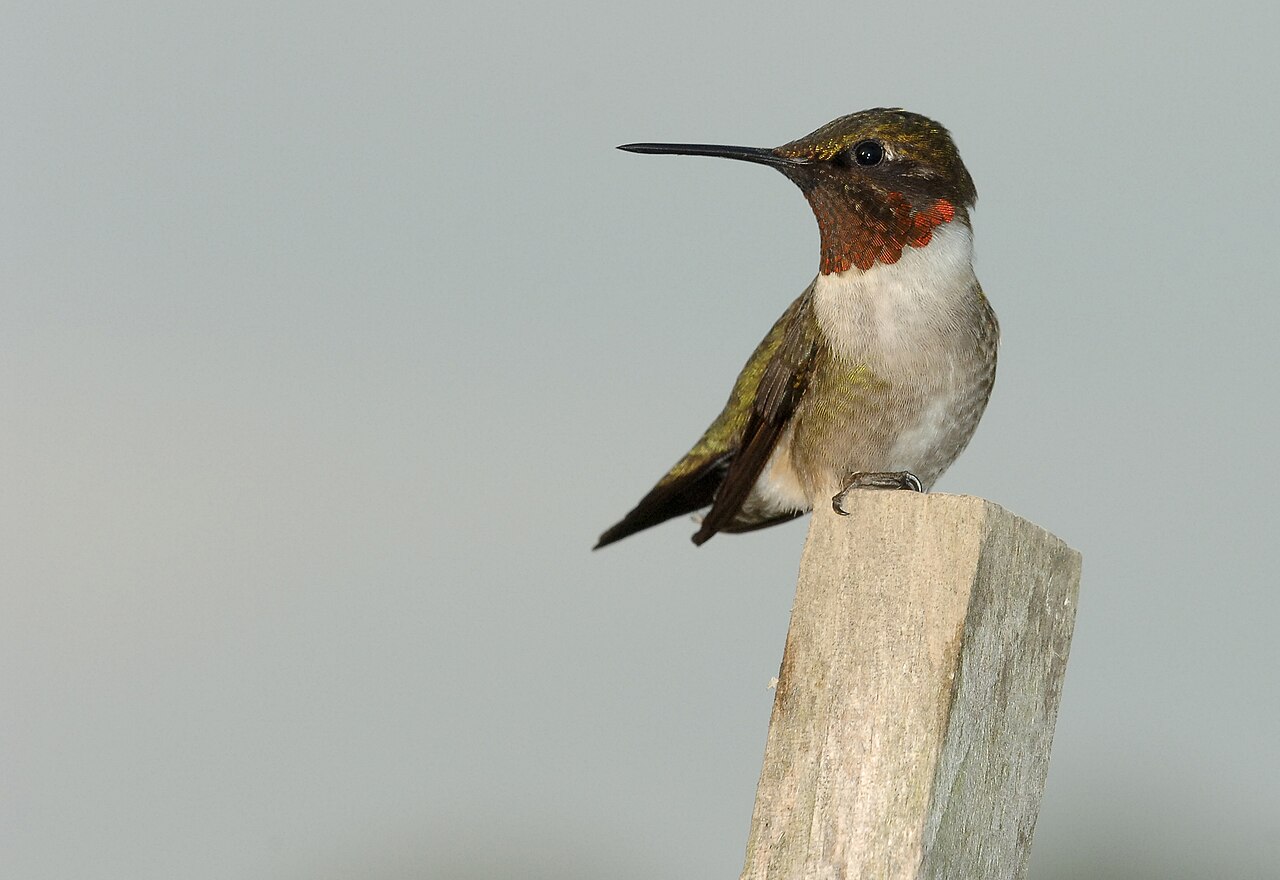
| Ruby-throated | Eastern US, male red throat |
| Anna’s | Western, male rose-pink head |
| Rufous | Orange, feisty, long migrant |
| Black-chinned | Western, male black-purple throat |
| Allen’s | Orange, coastal California |
| Broad-tailed | Mountain West, wing trill |
| Calliope | Smallest US bird |
| Costa’s | Desert, male purple throat |
How Many Types of Hummingbirds Are There?
There are more than three hundred species of hummingbirds in the world, all found only in the Americas, with well over a dozen occurring regularly in the United States. The vast majority of hummingbird diversity is concentrated in Central and South America, especially near the equator, while North America north of Mexico hosts a smaller but still impressive selection. In the eastern United States, there is essentially just one breeding species, the ruby-throated hummingbird, which makes identification simple there. The western United States, by contrast, is home to many species, including Anna’s, rufous, black-chinned, and several others, so identification is more challenging in the West. All hummingbirds share remarkable traits, including the ability to hover and even fly backward, extremely rapid wingbeats, tiny size, and often brilliant iridescent throat feathers on males called a gorget. This makes hummingbirds one of the most distinctive and beloved bird groups, as explored in our guide to the hummingbird guide.
Common Types of Hummingbirds
Several types of hummingbirds are especially notable. The ruby-throated hummingbird is the only breeding hummingbird in most of the East, with the male showing a brilliant ruby-red throat. In the West, Anna’s hummingbird is a common resident whose males have a dazzling rose-pink head and throat, and it can be seen year-round in parts of the Pacific coast. The rufous hummingbird is a feisty, orange-toned species famous for its long migration and aggressive defense of feeders. The black-chinned hummingbird is a widespread western species, its male showing a black throat with a thin purple band. Allen’s hummingbird is an orange coastal Californian species similar to the rufous, while the broad-tailed hummingbird of the mountain West produces a distinctive trilling sound with its wings. The calliope hummingbird is the smallest bird in the United States, and the Costa’s hummingbird of the desert Southwest has a striking purple throat. Each species has its own range, look, and personality.
How to Tell Hummingbirds Apart
Telling hummingbirds apart begins with location, which is the single most useful clue, since the East has essentially only the ruby-throated hummingbird while the West has many species. For adult males, the color of the iridescent throat, or gorget, is often diagnostic, such as the ruby-throated’s red, Anna’s rose-pink crown and throat, or Costa’s purple, though lighting can make a gorget look dark, so the right angle matters. Overall color helps too, as rufous and Allen’s hummingbirds show orange tones. Females and young birds are much harder, since they usually lack the bright gorget and look green above and pale below, so identifying them often requires close attention to subtle features and range, and some may not be safely identifiable in the field. Size, tail shape, and sounds, such as the broad-tailed hummingbird’s wing trill, can also help. By starting with region and then examining the male’s gorget color, you can identify most hummingbirds, a fascinating challenge tied to their meaning in our guide to hummingbird symbolism.
Where Hummingbirds Live
Hummingbirds live throughout the Americas, in an enormous range of habitats, from tropical rainforests and high mountain slopes to deserts, gardens, and backyards. In the United States, they are found in woodlands, meadows, canyons, deserts, and residential areas, especially wherever nectar-rich flowers or feeders are available. The ruby-throated hummingbird occupies the eastern United States in the warmer months, while the western states host a rich variety of species across diverse landscapes, including mountains and deserts. Most hummingbirds in the United States are migratory, spending winters farther south, though some, like Anna’s hummingbird along the Pacific coast, remain year-round. These birds are strongly tied to flowers for nectar and to small insects for protein, so flower-filled habitats attract them. Because hummingbirds readily come to garden flowers and nectar feeders, they are one of the most accessible and delightful groups of birds to observe, as many people discover when one visits, as covered in our guide to seeing a hummingbird.
Hummingbirds by Region
Which hummingbirds you can see depends heavily on where you live. In the eastern United States and Canada, the ruby-throated hummingbird is essentially the only species you will encounter during the breeding season, which makes things simple for eastern birders. The western United States is the hummingbird hotspot north of Mexico, with species such as Anna’s, rufous, black-chinned, Allen’s, broad-tailed, calliope, and Costa’s hummingbirds occurring in various states and habitats, so a western yard may host several species. The desert Southwest is especially rich, sometimes hosting additional species that range up from Mexico. Along the Pacific coast, Anna’s hummingbird is a familiar year-round resident. Migration also brings species through areas where they do not breed, adding to the variety at certain times of year. Knowing your region is the best starting point for figuring out which hummingbirds to expect, and for enjoying the wonderful diversity of these tiny jewels, whose care is detailed in our hummingbird guide.
What Makes Hummingbirds Special
Hummingbirds are among the most extraordinary birds on Earth, with abilities unmatched by other species. According to the Cornell Lab of Ornithology, hummingbirds can hover in place and even fly backward, feats made possible by wings that beat extremely rapidly and rotate in a figure-eight motion. Their hearts beat astonishingly fast, and they have very high metabolisms to fuel their energetic lifestyle, feeding frequently on nectar for sugar and on small insects for protein. To survive cold nights or food shortages, some hummingbirds can enter torpor, a deep, temporary slowing of their metabolism. In the East, the ruby-throated hummingbird is the only species that breeds, and some make an impressive nonstop flight across the Gulf of Mexico during migration. These remarkable traits make hummingbirds a source of endless fascination, and they explain the joy people feel when one appears, as explored in our guide to seeing a hummingbird.
Hummingbird Migration
Migration is one of the most impressive aspects of hummingbird life, especially given their tiny size. Most hummingbirds in the United States are migratory, traveling south to spend the winter in warmer regions such as Mexico and Central America, then returning north to breed. The ruby-throated hummingbird is famous for crossing the Gulf of Mexico in a single nonstop flight, an astonishing journey for such a small bird. The rufous hummingbird undertakes one of the longest migrations of any hummingbird relative to its body size, traveling between the Pacific Northwest and Alaska and its wintering grounds. Hummingbirds time their movements to coincide with the blooming of flowers along their routes, and providing clean nectar feeders can help fuel them on their travels. Understanding hummingbird migration adds appreciation for these tiny travelers and helps explain why they appear and disappear with the seasons in most areas.
Related reading: what do hummingbirds eat.
Frequently Asked Questions
How many types of hummingbirds are there?
There are more than three hundred hummingbird species worldwide, all in the Americas, with well over a dozen occurring regularly in the United States.
What is the most common hummingbird?
The ruby-throated hummingbird is the most common in the eastern United States, where it is the only breeding species, while Anna’s hummingbird is common in the West.
What is the smallest hummingbird in the US?
The calliope hummingbird is the smallest bird in the United States, a tiny species of the mountain West that still migrates impressive distances.
How do you tell hummingbirds apart?
Start with your region, then look at the male’s iridescent throat color, overall color, size, and sounds. Females and young birds are much harder to identify.
What hummingbirds live in the eastern US?
In most of the eastern United States, the ruby-throated hummingbird is essentially the only breeding hummingbird, which makes eastern identification straightforward.
How do you attract hummingbirds?
Use a feeder with a solution of one part white sugar to four parts water, no red dye, keep it clean and fresh, and plant nectar-rich, tubular flowers.
Where do hummingbirds live?
Hummingbirds live throughout the Americas in forests, mountains, deserts, gardens, and backyards. In the US, the East has the ruby-throated and the West has many species.