Hummingbird Symbolism: Meaning and Spiritual Signs
Hummingbird symbolism centers on joy, playfulness, resilience, and living in the present moment, and hummingbirds are widely seen as messengers of love, healing, and good luck. Their dazzling colors, tireless energy, and ability to hover and even fly backward give them rich spiritual meaning across many cultures. This guide covers what the hummingbird symbolizes, its spiritual meaning, its role across cultures, its connection to loved ones, and what the hummingbird represents as a spirit animal or on a feather.
| Symbol | Common Meaning |
|---|---|
| Joy | Happiness and playfulness |
| Living in the moment | Presence and mindfulness |
| Resilience | Strength despite small size |
| Love | Beauty, affection, sweetness |
| Adaptability | Agility and flexibility |
| Good luck | Positive energy and fortune |
What Does the Hummingbird Symbolize?
The hummingbird is one of the most joyful and uplifting bird symbols, tied above all to happiness, playfulness, and living fully in the present. Because hummingbirds move with such energy and delight, darting from flower to flower and hovering in midair, they became symbols of joy, lightness, and savoring life’s sweetness. Their remarkable agility, including the rare ability to fly backward and hover in place, connects them to adaptability and to the idea of being present and flexible. Despite their tiny size, hummingbirds are astonishingly tough and travel great distances, so they also symbolize resilience and strength. Beyond this, hummingbirds are widely associated with love, beauty, and good luck. These themes of joy, presence, resilience, and love run through hummingbird symbolism across cultures. For another meaningful bird, see our guide to cardinal symbolism.
Hummingbird Spiritual Meaning
Spiritually, the hummingbird is often seen as a messenger of joy, healing, and love. Encountering one is frequently read as a reminder to find happiness in small moments, to lighten up, and to appreciate the sweetness in life. Because hummingbirds can hover and fly backward, they are also linked spiritually to the idea of revisiting the past for healing while staying rooted in the present. Many people view the hummingbird as a bringer of good luck and positive energy, and as a sign to pursue what brings you joy with dedication. The hummingbird’s tireless flight also makes it a symbol of resilience and of accomplishing what seems impossible. As with all symbolism, these meanings are personal and cultural rather than proven, but the hummingbird’s vibrant, energetic nature makes it a natural emblem of joy and healing, much like the owl carries its own meaning of wisdom.
The Hummingbird Across Cultures
Hummingbirds hold deep meaning in many cultures, especially in the Americas where they are native. In various Native American traditions, the hummingbird is a beloved symbol of joy, love, beauty, and healing, and it is often associated with good fortune and positive energy. In Aztec culture, the hummingbird held powerful significance and was connected to an important deity, and warriors were sometimes linked to the bird’s energy and courage. Across Central and South America, hummingbirds have long been admired as bringers of happiness and love. Because hummingbirds are found only in the Americas, they feature most prominently in the folklore of these regions, where their dazzling beauty and lively spirit made them enduring symbols of joy, vitality, and good luck. This rich cultural heritage adds depth to the hummingbird’s meaning today.
Hummingbirds and Departed Loved Ones
For many people, hummingbirds carry a special connection to loved ones who have passed away. A hummingbird that appears at a meaningful moment is often felt to be a visit or message from a departed family member or friend, bringing comfort and a sense that they are near. This belief, similar to the way cardinals are seen in some traditions, gives real solace to those who are grieving, and a hummingbird lingering nearby or returning repeatedly can feel especially significant. The hummingbird’s beauty, its sudden appearances, and its uplifting energy make it a natural symbol of enduring love and connection. Whether or not one holds this belief literally, the comfort it brings is genuine, and the appearance of such a joyful, radiant bird during a difficult time can feel like a gentle, hopeful reminder of love that continues.
The Hummingbird as a Spirit Animal
As a spirit animal, the hummingbird represents joy, resilience, adaptability, and living in the present. People who feel connected to the hummingbird are often energetic, optimistic, and able to find delight in the small things, and the hummingbird spirit encourages savoring life, staying flexible, and approaching challenges with lightness and determination. It also invites you to seek out sweetness and joy, and to be resilient despite obstacles, just as the tiny hummingbird accomplishes remarkable feats. A found hummingbird feather is commonly taken as a token of joy, love, and good luck, a reminder to embrace happiness and stay light of heart. Whether or not spirit-animal ideas resonate with you, these meanings grow from the hummingbird’s genuinely vibrant, tireless, and beautiful nature. To welcome these birds themselves, see our guide on how to attract hummingbirds.
The Real Hummingbird Behind the Symbol
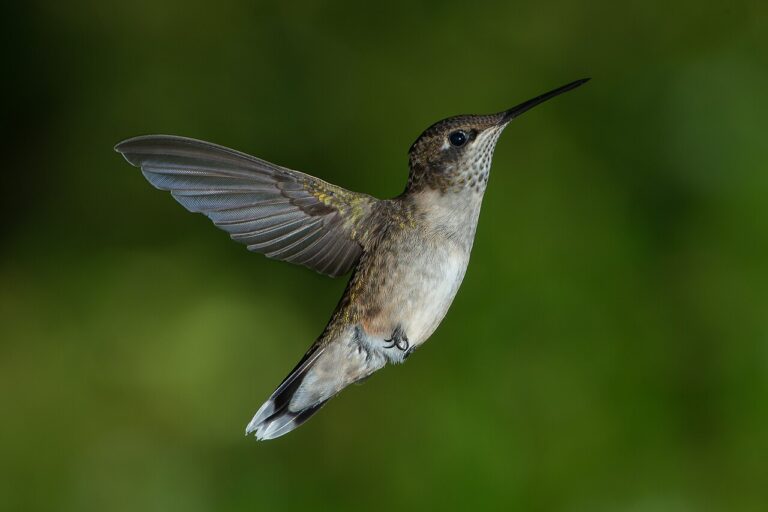
The hummingbird’s symbolism of energy, joy, and resilience is rooted in genuinely astonishing biology. According to the Cornell Lab of Ornithology, hummingbirds have extraordinarily fast metabolisms and can beat their wings dozens of times per second, allowing them to hover in place and even fly backward, something almost no other birds can do. Their hearts race at incredible rates, and they must feed frequently on energy-rich nectar to fuel this lifestyle. Despite weighing only a few grams, some hummingbirds migrate thousands of miles, including remarkable nonstop flights. These real abilities, tireless energy, precision flight, and outsized endurance in a tiny body, are exactly what made the hummingbird such a powerful symbol of joy, resilience, and accomplishing the seemingly impossible. Knowing the true hummingbird deepens the meaning people find in it, and you can learn what fuels them in our guide to what hummingbirds eat.
Hummingbird Symbolism in Dreams
Dreaming of a hummingbird is usually interpreted through the same themes of joy, love, and lightness that define the bird. A hummingbird appearing in a dream is often read as a positive sign, a message to embrace happiness, pursue what you love, or savor the present moment. Because hummingbirds are so agile and free, a dream hummingbird can also symbolize freedom, playfulness, and the ability to move lightly through life’s challenges. Some see it as a sign of good luck on the way or a reminder to bring more joy and sweetness into daily life. As with waking symbolism, dream meanings are personal, and the interpretation that resonates with your own feelings and circumstances is the one most worth holding onto, whether it points to joy, love, or renewal. To welcome real hummingbirds, see our guide to the best hummingbird feeders.
Hummingbird Meanings by Color
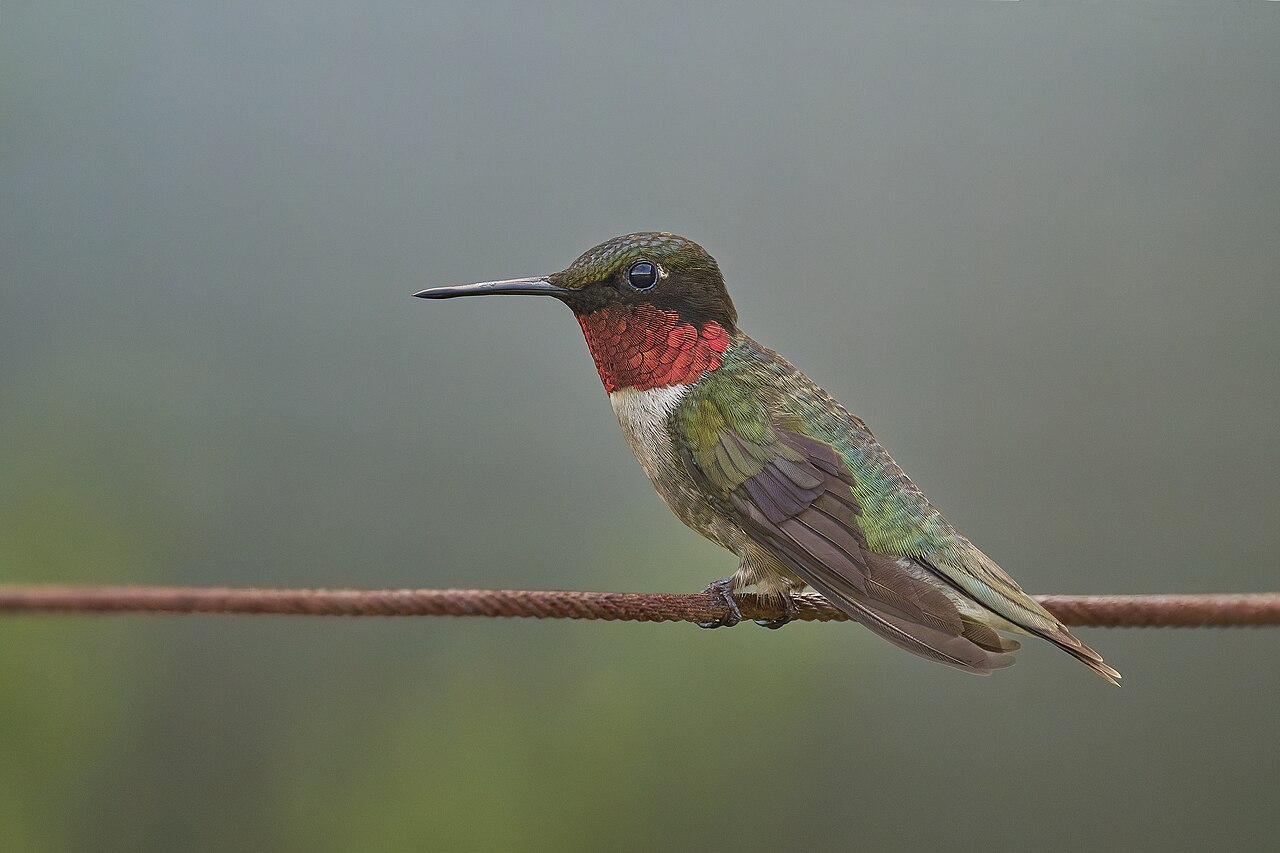
Because hummingbirds come in such dazzling colors, the particular color of a hummingbird is sometimes felt to add its own shade of meaning. A green hummingbird, the most common color, is often associated with growth, harmony, and good fortune. A red or ruby-throated hummingbird may be linked to energy, passion, and vitality, reflecting the warmth of its color. A blue hummingbird is sometimes tied to calm, clarity, and emotional depth, while a purple one may suggest spirituality and higher purpose. An iridescent or multicolored hummingbird can symbolize joy and the full spectrum of life’s beauty. These color meanings are folklore rather than fact, and they build on the hummingbird’s core symbolism of joy, love, and resilience. Whichever hummingbird you encounter, its uplifting spirit shines through, and you can invite these radiant birds to your yard using our guide on how to attract hummingbirds.
Related reading: seeing a hummingbird.
Related reading: types of hummingbirds.
Frequently Asked Questions
What does a hummingbird symbolize?
A hummingbird symbolizes joy, playfulness, resilience, and living in the present, along with love, beauty, adaptability, and good luck. It is one of the most uplifting bird symbols.
What is the spiritual meaning of a hummingbird?
Spiritually, the hummingbird is a messenger of joy, healing, and love, a reminder to savor small moments, stay present, pursue what brings you joy, and remain resilient.
Are hummingbirds a sign from a loved one?
Many people believe a hummingbird’s visit can be a message or sign from a departed loved one, bringing comfort and a sense that they are near, similar to beliefs about cardinals.
Is seeing a hummingbird good luck?
Yes, hummingbirds are widely seen as symbols of good luck, joy, and positive energy, and their appearance is generally read as an uplifting and fortunate sign.
What does a hummingbird mean in Native American culture?
In many Native American traditions, the hummingbird symbolizes joy, love, beauty, and healing, and it is often associated with good fortune and positive energy.
What does a hummingbird feather symbolize?
A hummingbird feather is commonly taken as a token of joy, love, and good luck, a reminder to embrace happiness, stay light of heart, and appreciate life’s sweetness.
What does the hummingbird spirit animal represent?
The hummingbird spirit animal represents joy, resilience, adaptability, and presence, encouraging you to savor life, stay flexible, and face challenges with lightness and determination.