Female Pheasant: How to Identify a Hen
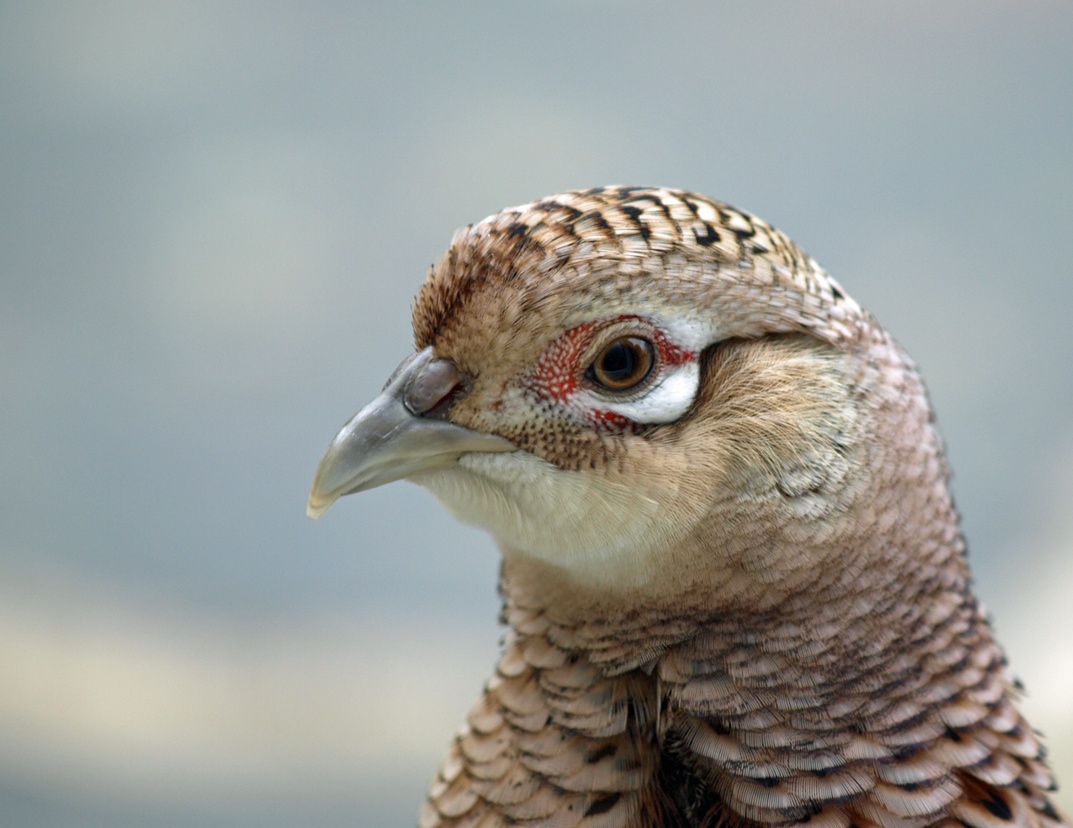
A female pheasant is called a hen, and she looks so unlike the male that people regularly report her as a completely different species. Where the cock is iridescent copper and green with a white neck ring, scarlet face wattles, and a tail up to 50 cm long, the hen is a uniform mottled buff and brown with a much shorter tail, no wattles, and no ear tufts. She is also about a third lighter, around 900 g against a cock’s 1.4 kg.
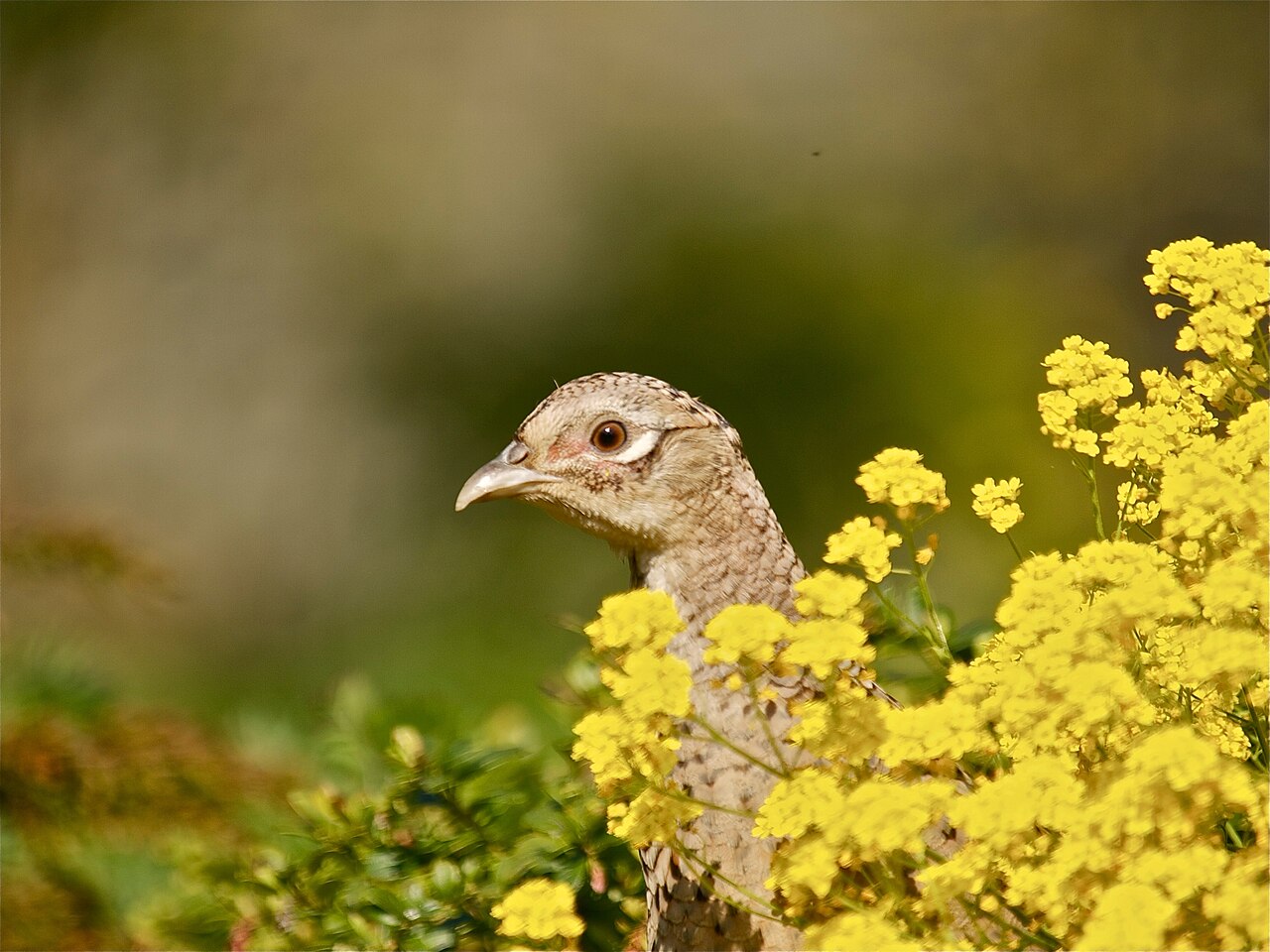
That drabness is not a design flaw. Ring-necked pheasants nest on the ground in open grassland with no cover but the vegetation around them, and the hen incubates alone for nearly a month. Her plumage is the only thing standing between the clutch and every fox, skunk, and hawk in the area, and it works well enough that most hens are walked past rather than seen.
| Feature | Hen | Cock |
|---|---|---|
| Plumage | Mottled buff and brown | Copper, green, iridescent |
| Neck ring | Absent | White, usually complete |
| Face | Plain, feathered | Bare scarlet wattles |
| Tail length | Roughly 20 to 25 cm | Up to 50 cm |
| Weight | About 900 g | About 1.4 kg |
| Spurs | Absent | Present on the leg |
| Clutch | 10 to 12 eggs | No parental role |
What a Female Pheasant Looks Like
A hen ring-necked pheasant is a large ground bird, roughly 50 to 63 cm long including the tail, with a small head, a slender neck, and a body shape that reads as chicken-like at distance. The overall colour is a warm sandy buff overlaid with dark brown or black barring and crescent-shaped markings across the back and flanks.
The tail is the most useful single feature after overall colour. It is long relative to most game birds, pointed, and finely barred, but nowhere near the extravagant length of a cock’s. A brown ground bird with a distinctly long pointed tail is almost certainly a hen pheasant, since the other candidates in the same habitat have short rounded tails.
The face is plain and fully feathered with no bare skin, and there are no ear tufts. Legs are grey and lack the spur that every adult cock carries. Among ornamental species the contrast is even sharper, as our guide to the golden pheasant shows. Our guide to types of pheasants covers the other species, where female plumage varies considerably.
Hen vs Cock: Every Difference
Ring-necked pheasants show some of the most extreme sexual dimorphism of any common game bird, and no single feature is ambiguous. Colour resolves it instantly in any light: the cock is unmistakably iridescent, the hen uniformly brown. There is no intermediate plumage in adults.
Structure confirms it. The cock has bare scarlet skin around the eye that flushes brighter during display, small feathered ear tufts that raise when alert, a white neck ring in most North American birds, and a leg spur. The hen has none of these. Size difference is obvious when both are together and reliable enough alone once you have a reference.
Behaviour separates them further. Cocks crow, a harsh two-note kok-kok followed by a burst of rapid wingbeats, and they hold display territories through spring. Hens are quiet, move through cover rather than displaying from it, and cluster loosely in small groups outside the breeding season. This split between a conspicuous male and a cryptic female repeats across many backyard species, as our guides to the female cardinal and the female grackle describe.
What a Female Pheasant Is Called
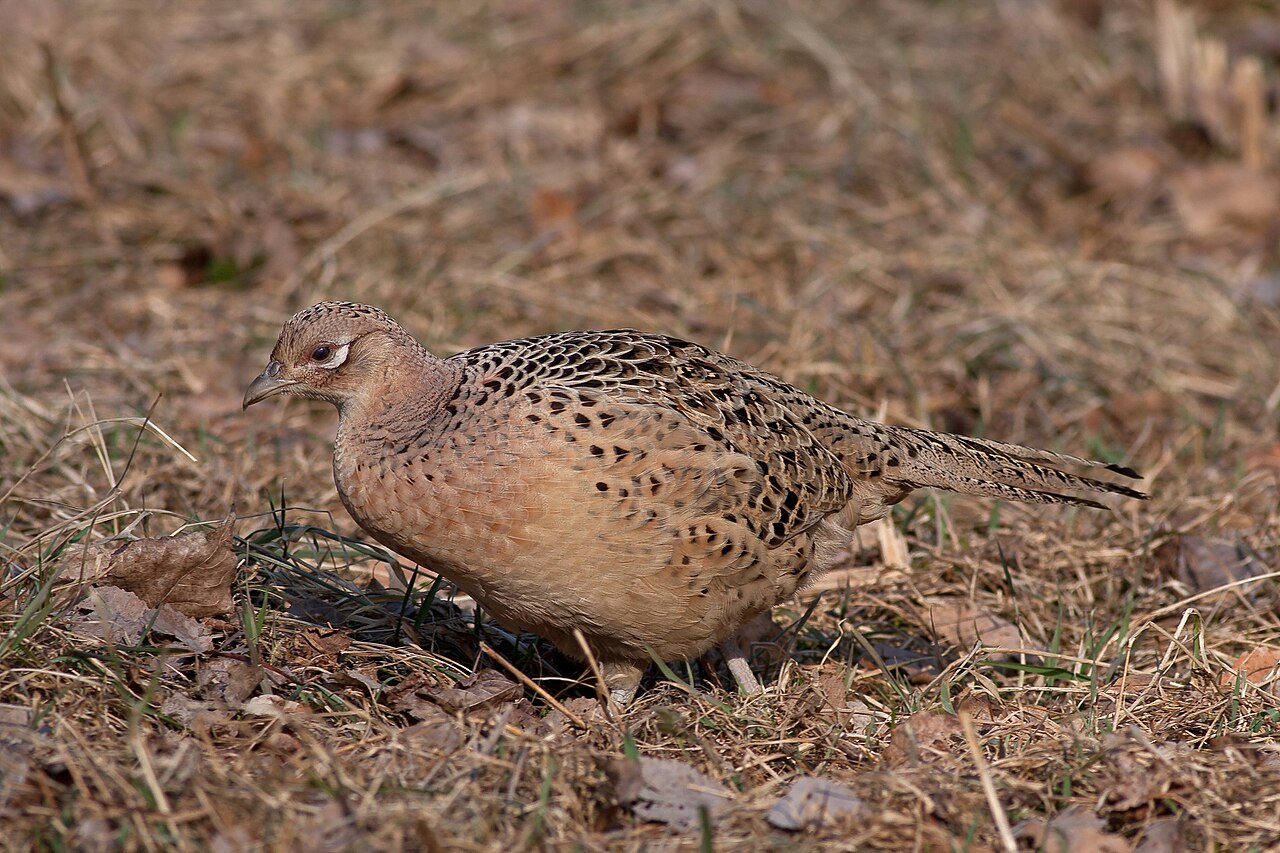
The adult female is a hen. The adult male is a cock, or a rooster in North American hunting usage. A chick of either sex is a chick, and juvenile birds are sometimes called poults following poultry terminology, though this is less standard than it is for turkeys.
A group of pheasants is a nest, a nide, or a bouquet in older venery lists, and simply a flock or a covey in practical usage. Hunters commonly refer to a flush of birds rather than a flock, since pheasants are seen in the air more often than sitting.
The terminology matters legally in the United States, because most states run rooster-only seasons and regulations are written in those terms. Being able to sex a bird on the flush is a practical requirement rather than a matter of interest, and it is the reason state agencies publish identification material every autumn.
Birds Mistaken for a Female Pheasant
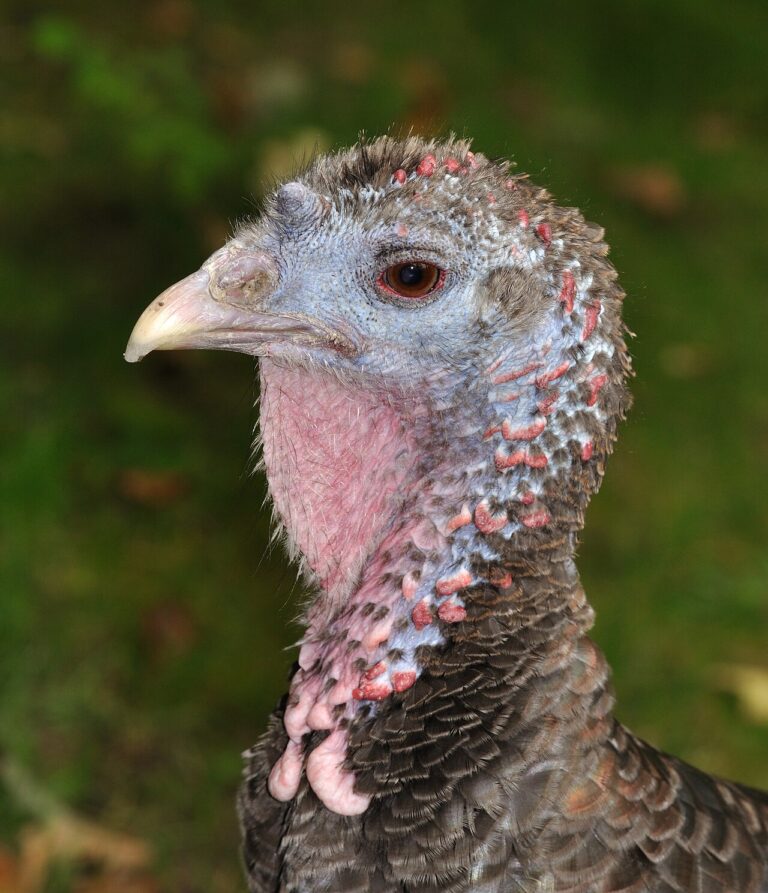
Hen wild turkeys are the most common confusion at distance, and size settles it: a turkey hen weighs 8 to 12 pounds against a pheasant hen’s 2. Turkeys also have a bare bluish head and a fan-shaped tail rather than the pheasant’s long pointed one. The same cryptic-female pattern appears in waterfowl, as our guide to the female duck covers. Our guide to the female turkey covers that bird in detail.
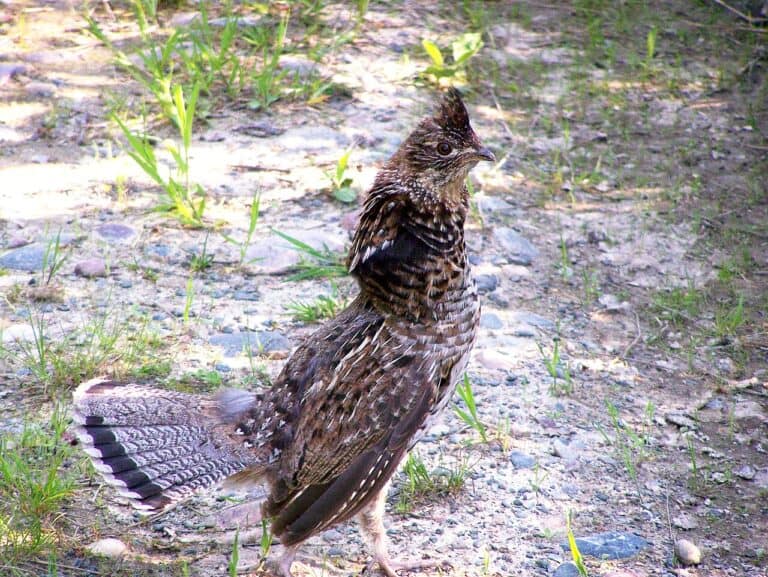
Female ruffed grouse, sharp-tailed grouse, and greater prairie chickens all overlap in colour and habitat in parts of the range. All three have distinctly shorter, rounder tails and stockier builds, and ruffed grouse show a dark band near the tail tip that no pheasant has.
Juvenile cock pheasants cause trouble in early autumn, since young males have not yet developed full plumage and can look superficially hen-like. Look at the tail length and for the first traces of bare facial skin and iridescence on the rump. By the time hunting seasons open, most young cocks are clearly identifiable.
Female Pheasant Nesting and Eggs
Hens nest on the ground in a shallow scrape lined with grass, typically in undisturbed grassland, hayfield margins, fencerows, or wetland edges. Clutch size runs 10 to 12 eggs, laid roughly one per day, and the eggs are a plain olive-brown with no markings.
Incubation begins only once the clutch is complete, so all chicks hatch within a few hours of each other, and it lasts 23 to 28 days. The hen sits nearly continuously and leaves only briefly to feed. Nest loss to predators and to hay mowing is high, and hens will renest up to two or three times if a clutch is destroyed early enough in the season.
Chicks are precocial, hatching downy with eyes open and leaving the nest within hours to follow the hen and feed themselves, mostly on insects for the first weeks. Insect availability in the first three weeks is the single strongest predictor of how many chicks survive to autumn, which is why insecticide use and the loss of weedy field margins matter so much to pheasant numbers. They can make short flights at about 12 days, considerably earlier than most people expect, which is the main defence available to a ground-nesting bird.
Do Pheasants Lay Eggs Without a Male?
Yes, in the same way a chicken does. A hen ovulates and lays on her own seasonal cycle whether or not a cock is present, and those eggs are simply unfertilised. Game farms keeping hens separately still collect eggs, they just will not develop.
Wild hens typically produce one clutch per year, with renesting attempts if the first is lost. Farmed hens under controlled light and feeding lay far more, commonly 40 to 60 eggs across a season, because eggs are removed continuously and the hen keeps replacing them.
Pheasant eggs are edible and taste similar to chicken eggs, with a proportionally larger yolk. They are not a commercial product because wild output is low and seasonal, and in the United States collecting eggs from wild nests is prohibited under state game laws regardless.
Female Pheasant Sounds and Behaviour
Hens are far quieter than cocks. Their main vocalisations are soft clucking contact notes, a sharper alarm call, and a distinctive series used to gather chicks. None of it carries far, which is consistent with a bird whose survival strategy is concealment rather than advertisement.
The loudest sound a hen makes is not vocal at all. A flushing pheasant of either sex produces an explosive burst of wingbeats loud enough to startle anyone who walks one up, and hens often flush at the last possible moment from directly underfoot, having held position until the intruder was almost on top of them.
Social structure shifts through the year. Hens gather into loose groups through winter, disperse to nest in spring, and form brood groups through summer that gradually merge again in autumn. A single hen in May is almost certainly nesting nearby and is best left undisturbed.
Why Hunting Seasons Are Rooster Only
Pheasants are polygynous, meaning one cock breeds with several hens, so removing males has little effect on the following year’s production while removing hens directly reduces it. Most states therefore restrict harvest to roosters, and the U.S. Fish and Wildlife Service (fws.gov) and state agencies manage populations on that basis.
The arrangement works because the population is limited by nesting success rather than by male numbers. Habitat quality, predation, and hay mowing timing determine how many chicks reach autumn, and a surplus of cocks has no cost. This is the same logic behind bearded-bird-only turkey seasons.
The practical consequence for anyone in the field is that identifying a hen in flight matters. Hens flush with the same explosive noise as cocks, and in poor light the colour difference is less obvious than it seems on the page. Tail length and the absence of the white neck ring are the marks that hold up at speed.
Related reading: Female Cowbird.
Frequently Asked Questions
What is a female pheasant called?
A hen. The adult male is a cock or rooster, and chicks of either sex are chicks. State hunting regulations in the United States are written using these terms because most seasons are rooster only.
How do you tell a male from a female pheasant?
Colour resolves it instantly: cocks are iridescent copper and green with a white neck ring and bare scarlet face wattles, hens are uniformly mottled brown with a plain feathered face. Cocks also have leg spurs, ear tufts, and a tail up to twice as long.
What bird looks like a female pheasant?
Hen wild turkeys are the most common confusion at distance, though a turkey weighs four to six times as much and has a fan-shaped tail. Female ruffed grouse, sharp-tailed grouse, and greater prairie chickens overlap in colour but all have much shorter, rounder tails.
Do pheasants lay eggs without a male?
Yes. Hens lay on their own seasonal cycle whether or not a cock is present, and those eggs are simply unfertilised. Wild hens typically produce one clutch of 10 to 12 eggs per year, while farmed hens under controlled conditions lay 40 to 60 across a season.
How many eggs will a pheasant lay in a year?
A wild hen normally lays one clutch of 10 to 12 eggs, with renesting attempts of usually fewer eggs if the first is destroyed early. Game farm hens lay 40 to 60 in a season because eggs are collected continuously and the hen keeps replacing them.
How long does a pheasant sit on her eggs?
Incubation runs 23 to 28 days and begins only once the full clutch is laid, so all chicks hatch within a few hours of each other. The hen incubates alone and leaves the nest only briefly to feed, relying entirely on her camouflage for protection.
Why is pheasant hunting rooster only?
Pheasants are polygynous, so one cock breeds with several hens and removing males has little effect on next year’s production. Removing hens reduces it directly. Population size is limited by nesting success, habitat, and predation rather than by male numbers, so a surplus of cocks costs nothing.