Deer Crossing Your Path: Meaning, Symbolism, and the Real Reason
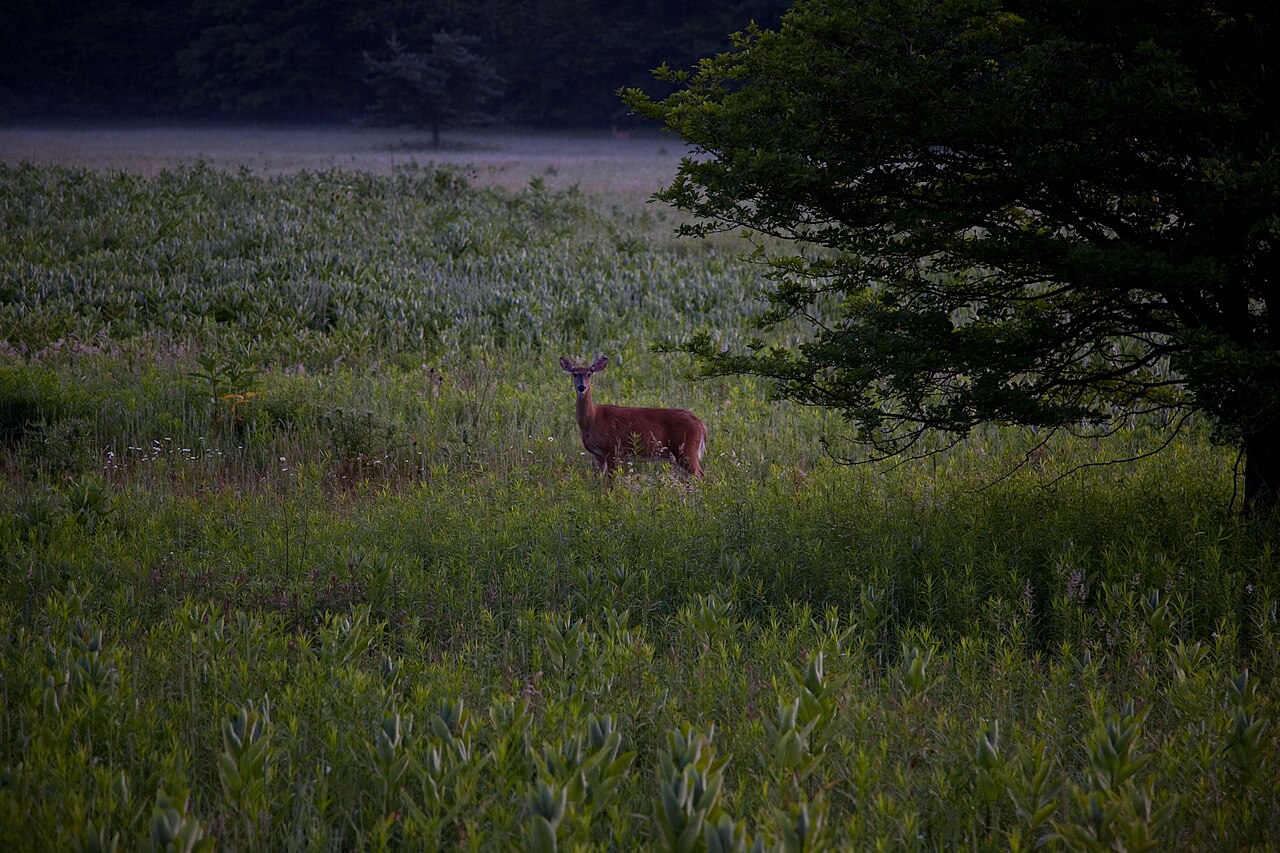
A deer crossing your path is traditionally read as a call to move gently through a situation that force will not solve, to trust an instinct you have already formed, and to accept that a new direction is opening. Across Celtic, Japanese, Buddhist, and Christian traditions the deer appears as a guide and a messenger rather than as a warning, which makes it one of the more consistently positive animal omens.
There is also a hard practical layer, and it deserves equal weight. Deer populations across North America have recovered to roughly 30 million animals, and the encounters people find meaningful are concentrated in exactly the conditions that produce collisions: dawn and dusk, October through December, along road edges where woodland meets open ground. Around 1.5 million deer-vehicle collisions happen each year in the United States.
| Encounter | Traditional Reading |
|---|---|
| Single deer crossing | A new path opening, move gently |
| Two deer together | Partnership, balance, companionship |
| Stag with antlers | Authority, regeneration, standing your ground |
| Doe with fawn | Protection, patience, family focus |
| Deer that stops and stares | A message worth pausing over |
| White deer | Rare and significant across many traditions |
| Deer running in front of a car | Symbolically urgency, practically the rut |
What a Deer Crossing Your Path Traditionally Means
Three themes recur across almost every tradition that features deer. The first is gentleness as strength: the deer survives not by fighting but by awareness, speed, and knowing when to move. Read this way, a deer crossing your path suggests handling something through sensitivity rather than confrontation.
The second is intuition. Deer are famously alert, reading the environment continuously through hearing and scent, and folklore consistently maps that onto the idea of perceiving something before it becomes obvious. A deer encounter is frequently interpreted as confirmation of a feeling the observer already has but has not acted on.
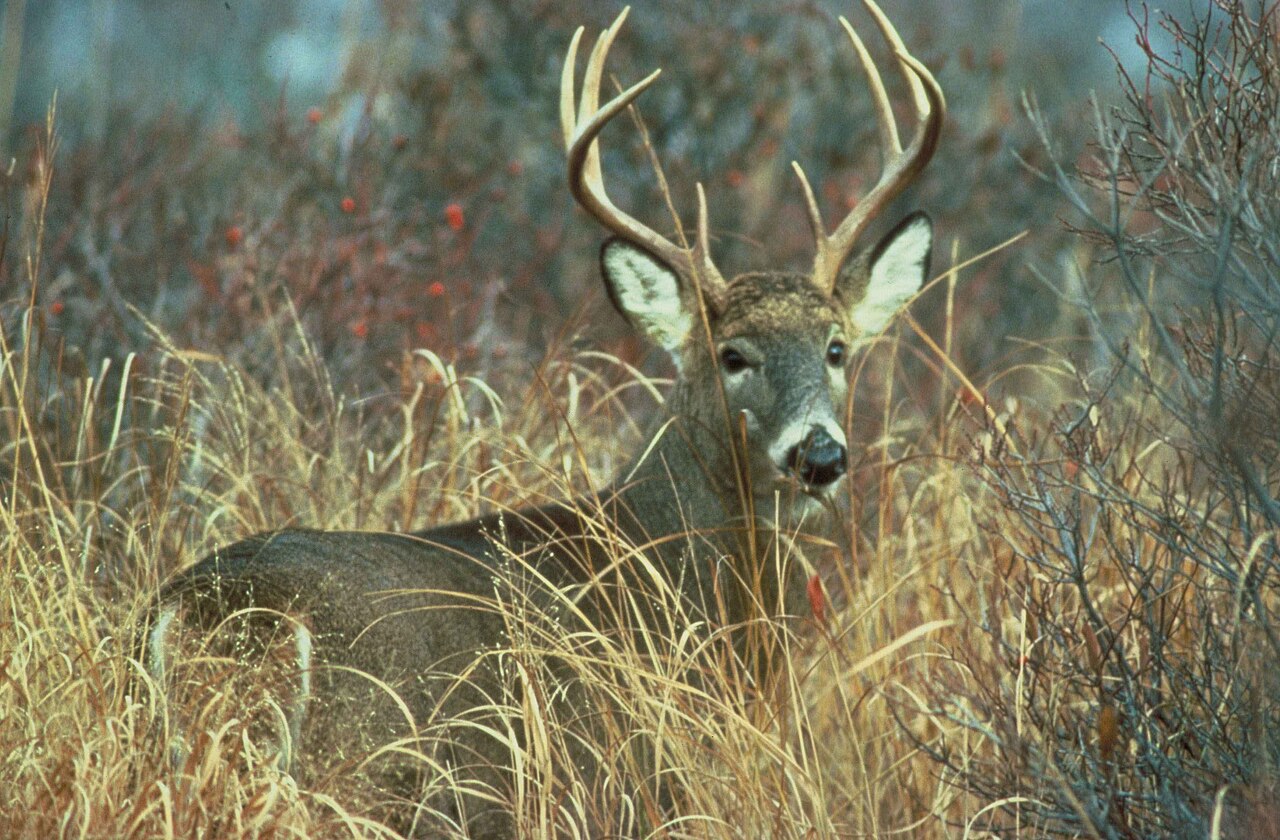
The third is regeneration, and it comes specifically from antlers. Stags shed and regrow antlers every year, a genuinely unusual biological process, and traditions from Celtic Britain to Siberia built symbolism of renewal and cyclical return on that observation. A stag crossing your path carries this layer that a doe does not.
Is a Deer a Good Omen?
More consistently than most animals, yes. Unlike the fox or the crow, which carry genuinely divided readings, the deer is treated as auspicious across the large majority of traditions that address it. There is no widespread body of folklore casting a deer sighting as a warning of misfortune.
The Christian tradition contributes some of the most explicit positive imagery. Psalm 42 opens with a hart panting for water as a figure for spiritual longing, and the legends of Saint Hubert and Saint Eustace both centre on a stag appearing with a cross between its antlers, converting the hunter. Deer appear in Christian art as symbols of piety and of the soul seeking God.
Where negative readings exist they are usually specific rather than general. Some traditions treat a deer entering a settlement as a sign of disruption in the wild, and a few regional folk beliefs read a deer behaving strangely as an ill omen. Those are exceptions against a broadly favourable picture. Our guide to what a crow visit means covers an animal with a far more divided reputation.
Deer Symbolism Across Cultures
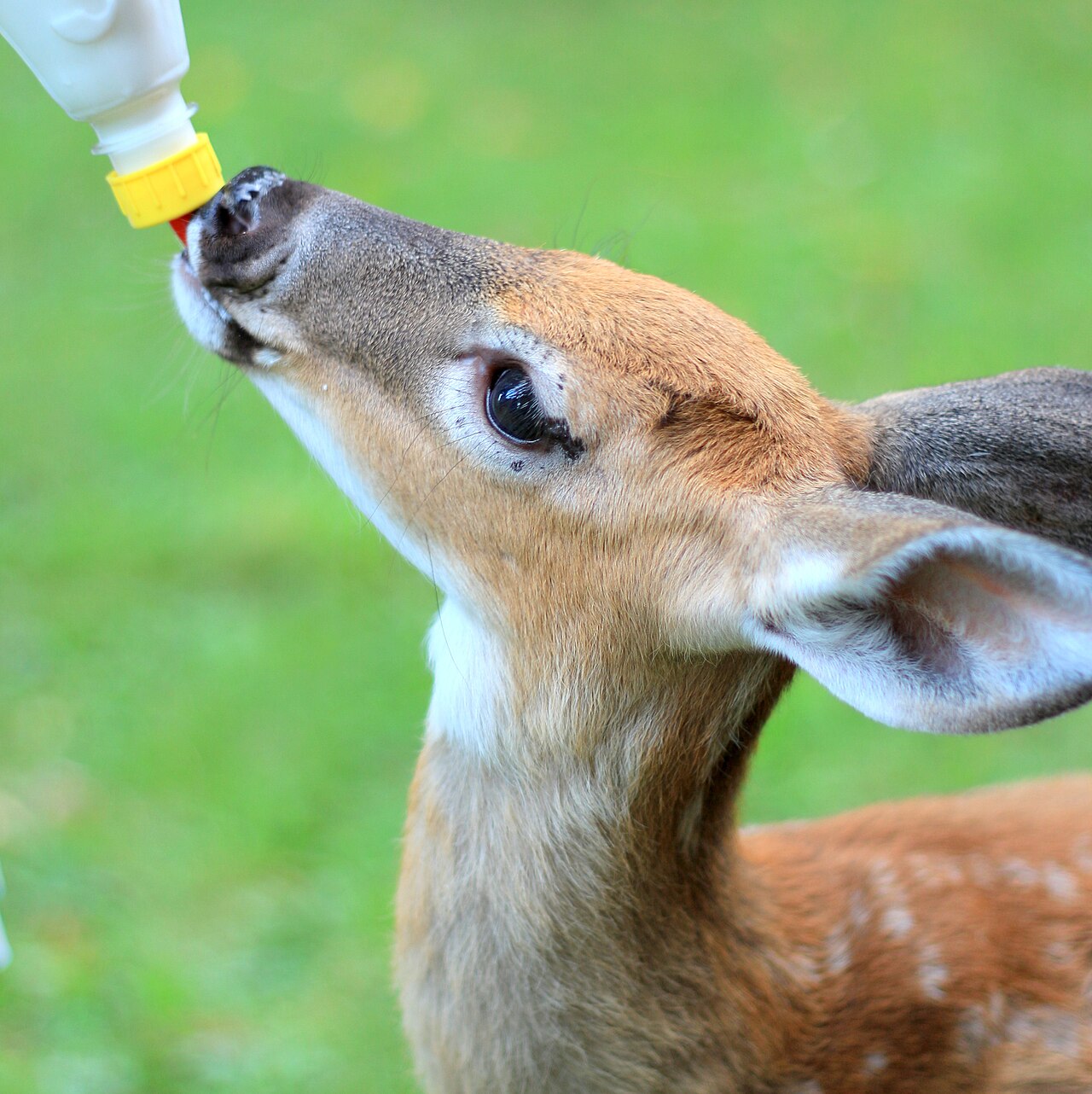
In Celtic tradition the stag is associated with Cernunnos, an antlered figure linked to wild places and abundance, and deer appear repeatedly in Irish and Welsh mythology as guides that lead travellers between the ordinary world and the otherworld. The white stag in particular signals that a quest is beginning.
In Japan deer are treated as messengers of the kami, and the free-roaming deer of Nara Park have been protected on that basis for over a millennium in connection with the Kasuga Grand Shrine. Killing one was historically a capital offence, and the animals remain a living part of the site rather than a symbolic one.
Buddhist tradition places the deer at the centre of its origin story, since the Buddha delivered his first sermon in the Deer Park at Sarnath, and a pair of deer flanking a wheel is a standard motif on Tibetan monasteries. Across Indigenous North American traditions deer carry a wide range of meanings tied to sustenance, gentleness, and reciprocity, and those meanings are specific to individual nations rather than shared.
What Different Deer Encounters Mean
Traditional interpretation pays close attention to circumstance. A single deer crossing quickly and continuing is generally read as a signal about direction and timing. A deer that stops, turns, and holds eye contact is treated as more significant, and the usual reading is that something in the observer’s situation requires attention rather than action.
Two deer together shift the reading toward partnership and balance, and a doe with a fawn toward protection, patience, and family. A stag adds authority and the antler symbolism of renewal. These distinctions appear across enough separate traditions to be worth noting rather than being a modern invention.
A white deer carries special weight almost everywhere. Most white deer in North America are leucistic white-tailed deer rather than true albinos, and they are rare enough that several states protect them specifically. Their scarcity is the reason folklore treats them as significant. Our guide to the baby deer covers the fawn that appears in so many of these encounters.
Deer as a Spirit Animal
In contemporary spirit animal frameworks the deer represents gentleness, alertness, intuition, and grace under pressure. People who identify with it typically describe themselves as sensitive to atmosphere and inclined to withdraw from conflict rather than engage it, and the framework treats that as a strength rather than an avoidance.
The shadow reading is part of the same picture. Deer energy taken too far becomes skittishness, an inability to hold ground, and a habit of fleeing situations that would resolve if faced. Most modern interpretations pair the two rather than offering only the flattering half.
It is worth being clear about provenance. Modern spirit animal and totem systems are largely twentieth century syntheses that draw eclectically from Celtic, East Asian, and various Indigenous sources without belonging to any of them. Treating them as a contemporary interpretive framework rather than as ancient doctrine is the more accurate framing.
When a Deer Runs in Front of Your Car
This is the most searched version of the question and it has two answers that do not compete. Symbolically, a deer appearing suddenly and forcing a stop is read as an interruption demanding attention, often interpreted as a signal to slow down in a broader sense than the literal one.
Practically, the timing explains almost all of it. Deer-vehicle collisions peak sharply from October through December, driven by the rut, when bucks range widely and pay far less attention to roads. A second smaller peak occurs in spring when yearlings disperse. Dawn and dusk account for the majority of incidents because that is when deer move and when human vision is worst.
Deer also almost never travel alone. A deer crossing in front of a car is very likely followed by one or more others within seconds, which is the single most useful piece of practical knowledge in this entire subject. Slowing and waiting after the first animal clears prevents a large share of collisions.
Why You Are Seeing More Deer
The population picture explains most modern sighting increases. White-tailed deer were reduced to perhaps half a million animals in the United States by 1900 through unregulated hunting and habitat loss, and they now number around 30 million following a century of regulated management and the loss of large predators.
Landscape change helped as much as protection did. Deer thrive on edge habitat where woodland meets open ground, and suburban development creates enormous quantities of exactly that structure. Lawns, ornamental plantings, and gardens supply high-quality browse, and hunting pressure in developed areas is minimal.
Seasonality drives the rest. The autumn rut concentrates movement, spring dispersal moves yearlings through unfamiliar ground, and hard winters push deer into suburban areas for food. Anyone who has started walking at dawn will begin seeing deer within weeks and reasonably experience it as a sudden increase. Our guides to deer sounds and deer poop cover how to confirm what is using an area.
What to Do If a Deer Runs Into Your Car
Do not swerve. Transportation safety data from the U.S. Department of Transportation (dot.gov) consistently shows that swerving to avoid a deer causes far more serious injuries than striking it, because the vehicle leaves the road, hits a tree, or crosses into oncoming traffic. Brake firmly, stay in the lane, and release the brake just before impact if you can, which lets the front end rise slightly.
Afterwards, move the vehicle off the road if it is drivable, put hazard lights on, and stay inside if you are on a fast road. Do not approach an injured deer. A wounded animal will kick with considerable force and antlers cause serious injury, so this is a call to the police or a state wildlife officer rather than something to handle yourself.
Report the collision even if damage looks minor, since many insurance policies treat animal strikes under comprehensive rather than collision cover and a report supports the claim. Several states also require reporting before a deer carcass can be removed or kept. Our guide to mule deer versus whitetail covers which species you are likely to encounter regionally.
Frequently Asked Questions
What does seeing a deer mean spiritually?
Most traditions read it as a prompt toward gentleness over force, trust in an instinct you have already formed, and acceptance of a new direction. Alertness and intuition are the other recurring themes, and stags add antler symbolism of renewal and regeneration.
Is it good luck when you see a deer?
Generally yes. The deer is one of the more consistently positive animal omens, treated as auspicious across Celtic, Japanese, Buddhist, and Christian traditions, with no widespread body of folklore casting a sighting as a warning. Negative readings exist but are regional and specific rather than general.
What does the Bible say about seeing a deer?
Psalm 42 opens with a hart panting for streams of water as an image of spiritual longing, and deer appear in Christian art as symbols of piety and of the soul seeking God. The legends of Saint Hubert and Saint Eustace both centre on a stag appearing with a cross between its antlers.
What does it mean when a deer runs in front of your car?
Symbolically it is read as an interruption demanding attention. Practically, collisions peak from October through December during the rut and at dawn and dusk. The most useful fact is that deer rarely travel alone, so another animal is very likely to follow within seconds.
What does a single deer crossing your path mean?
A single deer crossing quickly and continuing is generally read as a signal about direction and timing, often interpreted as a new path opening. A deer that stops and holds eye contact is treated as more significant and is usually read as a message worth sitting with rather than acting on.
Should I swerve to avoid a deer?
No. Swerving causes far more serious injuries than striking the animal, because the vehicle leaves the road or crosses into oncoming traffic. Brake firmly, stay in your lane, and do not approach an injured deer afterwards. Call police or a state wildlife officer instead.
What does a white deer mean?
White deer carry special significance across nearly every tradition that mentions them, and in Celtic mythology a white stag signals the beginning of a quest. Most white deer in North America are leucistic white-tailed deer rather than true albinos, and several states protect them specifically because they are so rare.