Spiritual Meaning of Seeing a Lizard: Good Omen or Warning?
The spiritual meaning of seeing a lizard depends on where, when and how it happened: a darting lizard on a garden path reads differently from one on the kitchen wall at midnight, and a lizard that falls on you differs from both.
Modern spiritual writing treats the sighting as encouraging in nearly every case. Several older traditions disagree, from the Gowli Shastra in India to Māori lore, and treat specific lizard encounters as warnings. All of these meanings are beliefs, and the lizard itself follows warmth and insects.
Seeing a lizard, especially one that crosses your path or shows up at your door, counts in modern spiritual readings as a good omen: a nudge to slow down, trust your instincts and adapt to change, with a warning reading only in a few cases, such as a lizard falling on you.
What Does It Mean When a Lizard Crosses Your Path?
Folk tradition treats a lizard crossing your path as a prompt to stop for a moment and notice what is shifting around you. The animal appears, holds still, and vanishes in a second or two, and folk interpreters see that brief interruption as the point. Something in your routine wants attention before it slips past. Unlike a deer crossing your path, which folk tradition ties to gentleness, the lizard’s message is about adaptability.
Direction matters in the modern reading. A lizard running toward you signals that something is arriving: an opportunity, a visitor, news. One running away from you grants permission to let something go. Neither is a rule, only a lens that spiritual writers apply to the moment.
The freeze and dash pattern carries its own message about timing. Lizards wait motionless until the threat or the prey is exactly where they want it, then commit fully. Read symbolically, that means holding back while the picture is unclear and acting without hesitation once it sharpens.
Where the crossing happened adds a layer. A sunny garden path points to growth and warmth in folk tradition, while a doorstep crossing is weightier, because folk belief treats thresholds as the place where one state of life gives way to another. A fox crossing your path stands for cunning and a deer for gentleness.
Seeing a Lizard in Your House
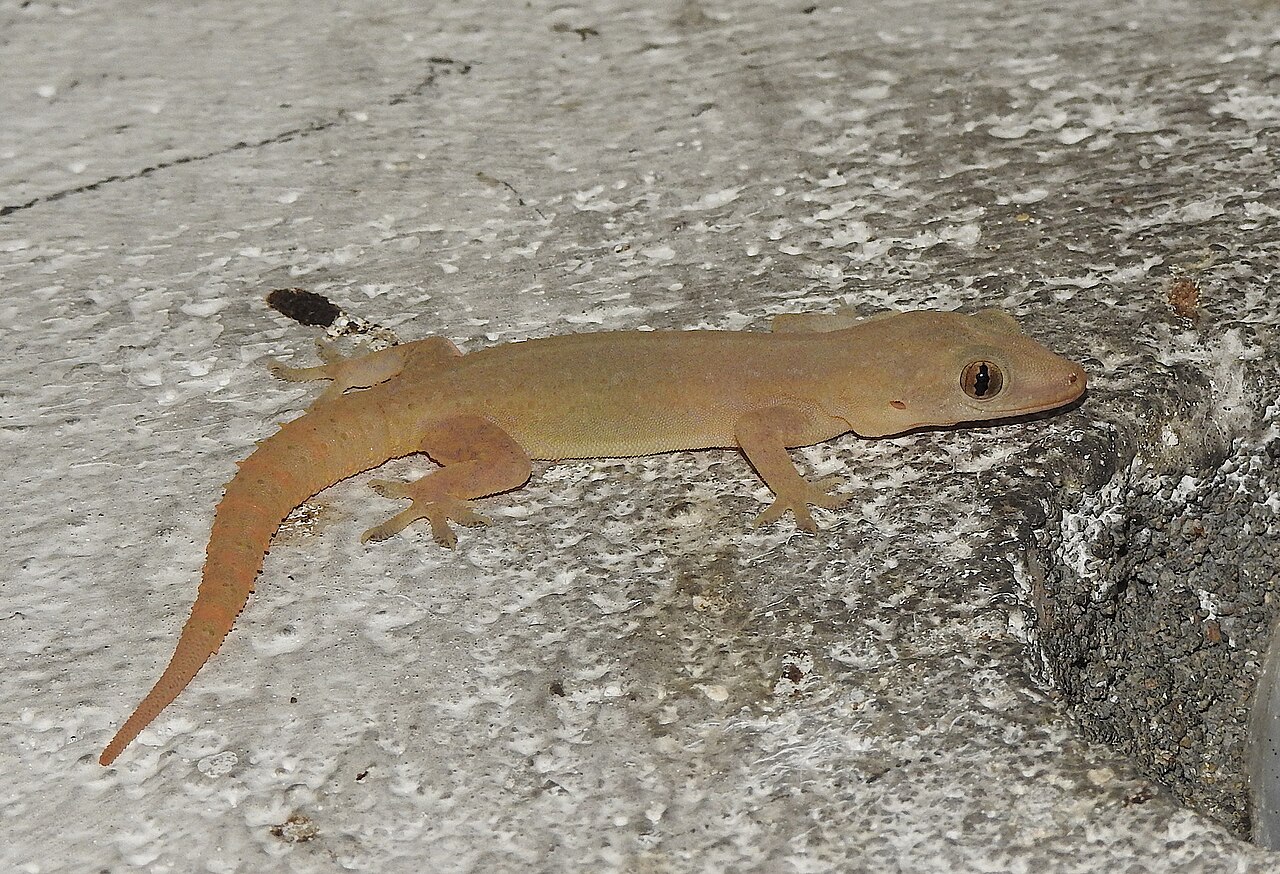
In parts of South and Southeast Asia a house gecko (Hemidactylus frenatus) indoors counts as a lucky guest that keeps the home free of pests. The welcome is not universal. In large parts of India the gecko is believed to be poisonous, and its chirp is read as a bad omen unless it comes from the right wall or at the right moment.
Modern spiritual practice treats the room as the key to the message. A lizard in the kitchen stands for abundance and nourishment, one in the bedroom for a relationship that needs honesty, one in the bathroom for cleansing or release, and one at the entrance for a newcomer or a fresh start. These are interpretive conventions, popular in blogs and dream dictionaries rather than in any single tradition.
| Situation | Common spiritual reading | Where the belief comes from |
|---|---|---|
| Lizard on your bed | A relationship or private matter needs a clear look | Modern spiritual practice |
| Lizard on the ceiling above you | Protection from above, or a problem you keep ignoring | Modern spiritual practice |
| Lizard in your car | Travel plans or a life direction about to change | Modern spiritual practice |
| Lizard at your workplace | Adapt your approach, a project needs patience | Modern spiritual practice |
| Lizard on a birthday or anniversary | Blessing on the year ahead | Modern spiritual practice |
| Lizard on a grave | The departed is at peace, a message of continuity | Modern spiritual practice |
Lizards enter homes because insects gather at lamps and lit windows. A porch light draws moths and midges after dark, geckos follow them, and a wall that was empty at noon is busy by ten o’clock. If the visitor sat in the kitchen, the CDC advises keeping reptiles out of the kitchen and anywhere food is prepared or eaten, so wipe down the counters it touched before you cook.
Is a Lizard a Good Omen? Luck, Money and Warnings
Yes, a lizard is a good omen in the bulk of spiritual sources, and the negative readings hang on specific circumstances rather than on the animal itself. A lizard that falls onto your body or a lizard that bites in a dream carries the cautionary meanings. An ordinary sighting on a warm afternoon does not.
Money is a thinner link. In parts of India the house lizard is linked to the goddess Lakshmi and so to wealth, and modern readers treat a gecko settling near a shop entrance as a sign that trade will improve. Outside that household belief and the blogs that repeat it, no tradition makes the lizard a wealth symbol. For a closely related question, see our guide to seeing a butterfly meaning. For a closely related question, see our guide to seeing a butterfly meaning.
The reason the lizard scores so well as an omen is its survival strategy. It seeks warmth, watches quietly, and escapes the instant danger gets close. Read symbolically, warmth means the right conditions, watching means observing first, escaping means leaving early.
What Does It Mean When a Lizard Falls on You?
A lizard falling on you is the one lizard sighting that carries a warning in its own right, and the detailed system behind it comes from India. The Gowli Shastra interprets the fall by the part of the body it lands on, with different outcomes for the head, the shoulders, the hands and the feet, and the same fall differs in meaning for men and women. A fall on the head is treated as a grave reading, while a fall on the feet points to travel in several versions of the system.
The remedy is as specific as the omen. At the Varadharaja Perumal temple in Kanchipuram, visitors touch a golden and a silver lizard on the ceiling in the belief that it cancels the bad effects of such a fall. In homes without a temple nearby, a bath and a short prayer typically serve the same purpose.
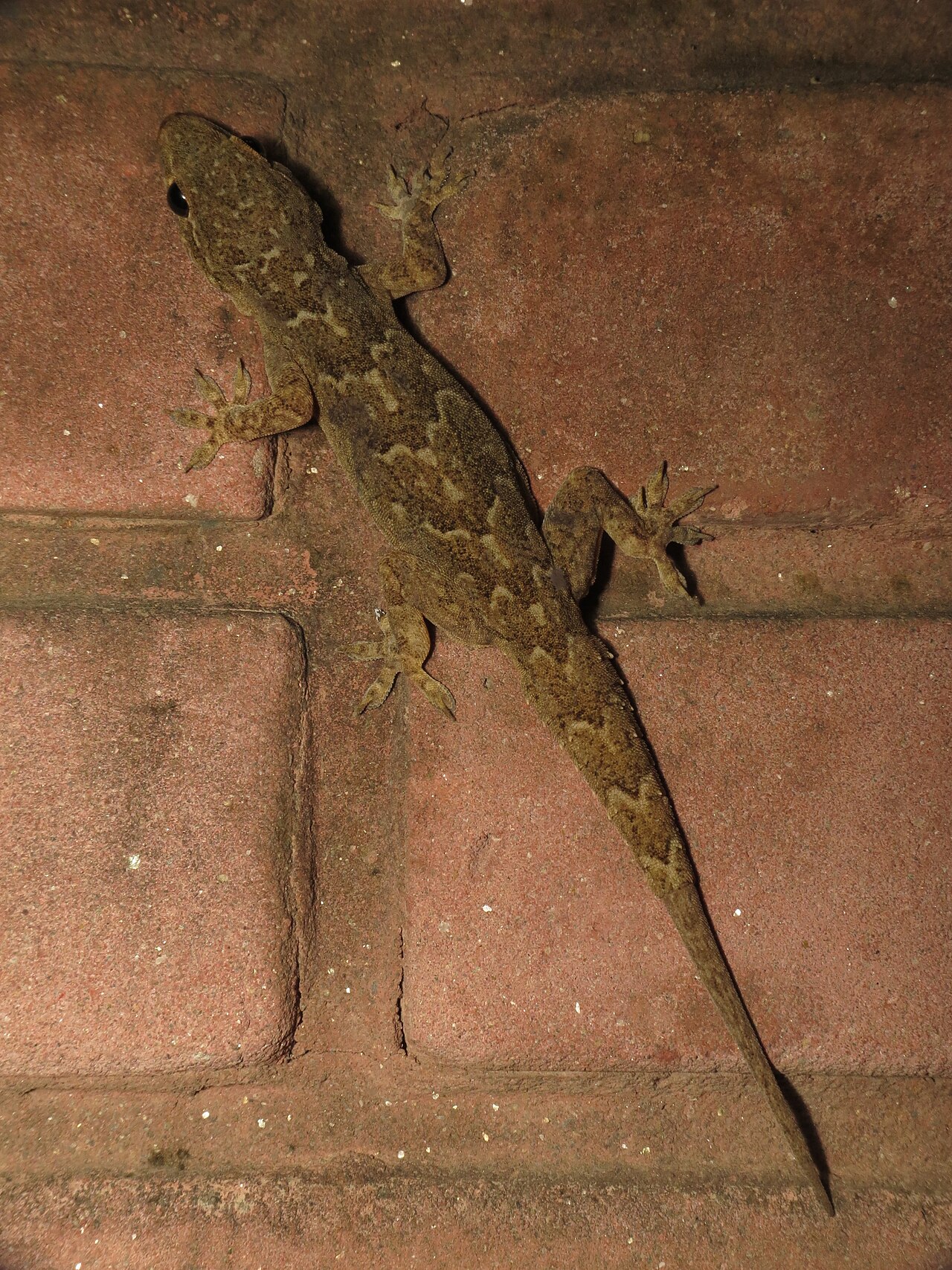
The event itself is ordinary. House geckos hunt on ceilings and plaster, lose their grip, and land on whoever is below, and a system of omens this detailed grew up precisely because the fall happens so regularly in South Asian homes.
A Lizard Visiting Your Porch, Window or Doorstep
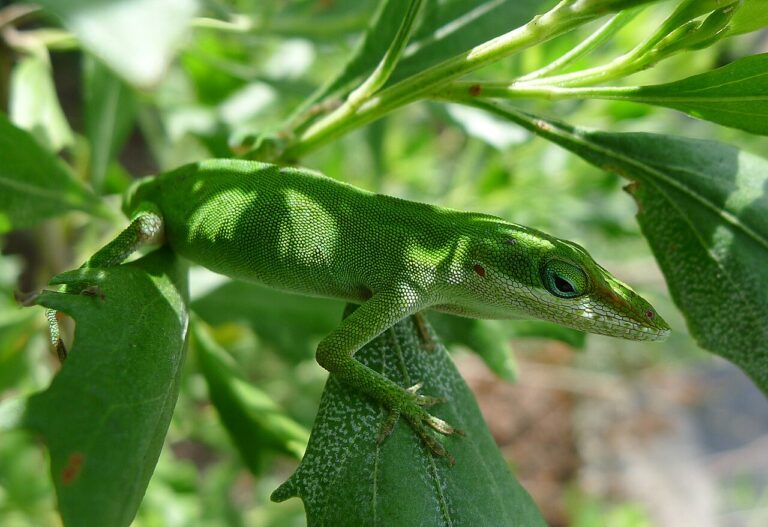
A lizard that keeps returning to the same railing or step counts as a visitor rather than a passerby, and the message attached to it is patience. The green anole (Anolis carolinensis) that suns itself on a Florida porch every afternoon is doing nothing more than warming up, yet spiritual readers see a model of calm: take in the warmth, stay still, let the day come to you.

A lizard on the window glass adds the idea of a boundary. The pane separates the inside life from the outside one, and the animal pressed against it becomes an invitation to look at a familiar situation from the other side. A lizard that watches you through the glass for minutes at a time, head cocked, is the version of this sighting that people describe as a visit rather than a chance encounter.
Seeing a Lizard at Night
A lizard seen at night is typically a gecko, and the nocturnal timing shifts the meaning toward intuition, dream work and the ability to see in the dark. House geckos hunt after sunset with eyes built for low light, and spiritual writers make that a message about trusting what you sense but cannot yet prove.
South Asian folk belief adds a specific detail. In Bengal, Bangladesh and parts of Assam, the gecko’s call is heard as “thik thik”, Bengali for “correct”, so a chirp right after someone speaks counts as confirmation that the statement is true. In Sri Lanka and much of northern India, by contrast, the same call counts as a warning not to start an important task.
Why Am I Seeing Lizards Everywhere?
Modern spiritual practice treats repeated lizard sightings as a sign that the lizard is acting as your spirit animal for this stretch of your life, not as a one time omen of the kind attached to other animal signs. The idea is that a message you missed once is being sent again until it lands.
A totem is a different thing again, a lasting emblem of a person, family or clan, and the lizard as spirit animal and totem carries that longer tradition.
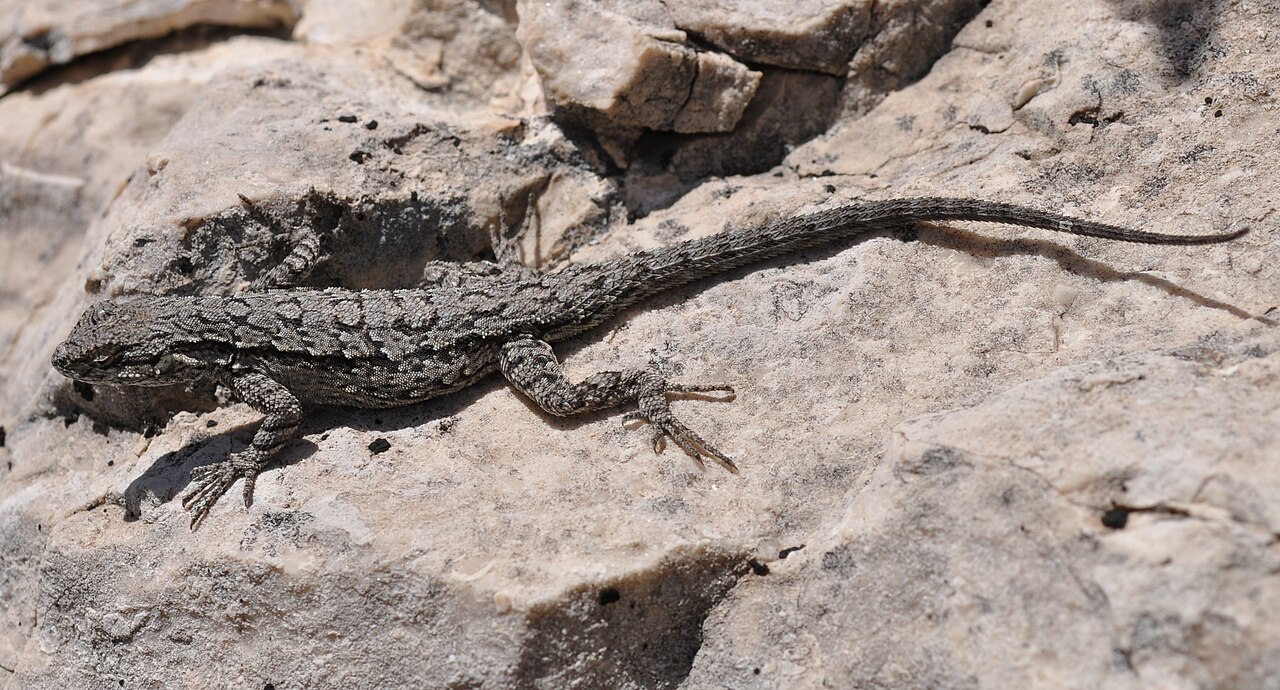
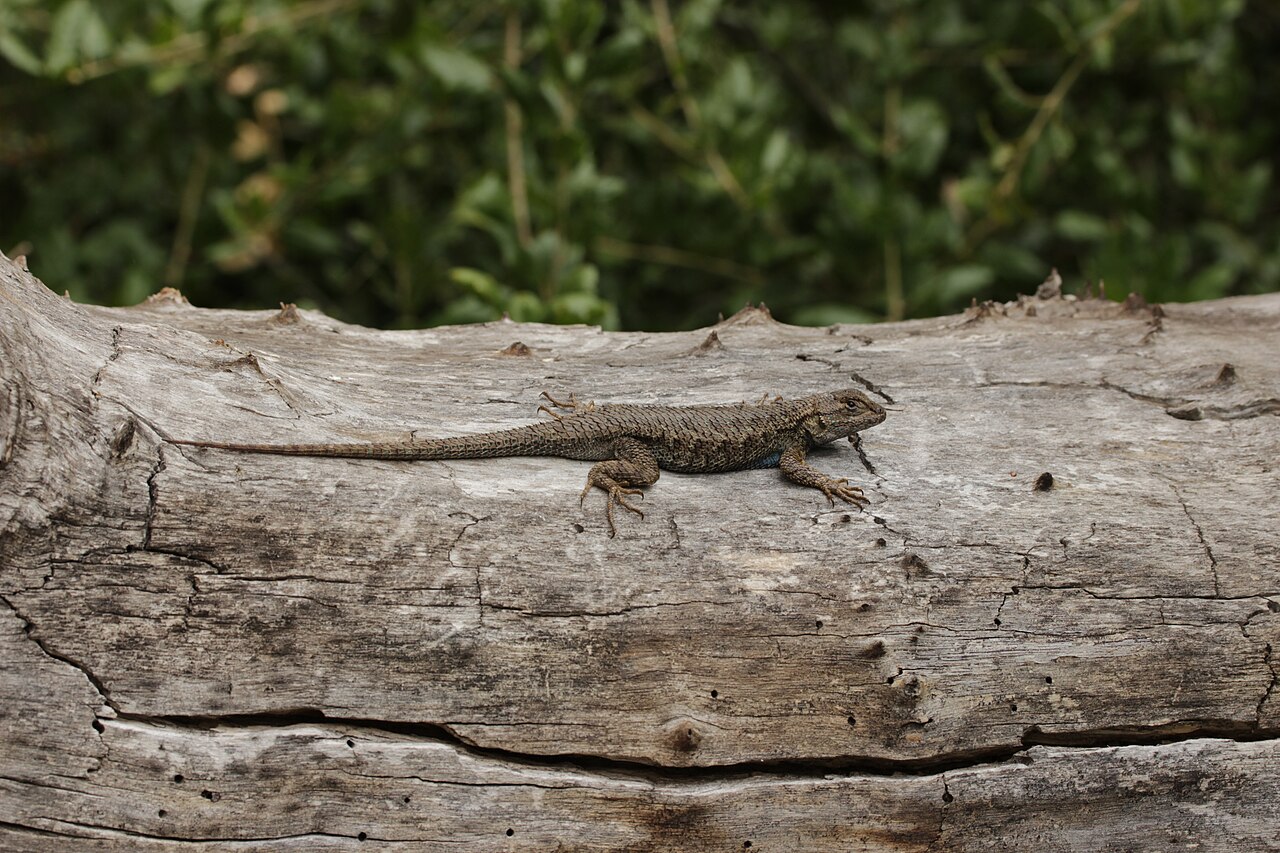
There is also a seasonal explanation. Lizards are far more active in warm months, so a sudden sense of seeing them everywhere in April or May tracks the weather as much as anything else. Western fence lizards (Sceloporus occidentalis) emerge in spring across the West and spend hours on posts and rocks in plain view.
Seeing a Lizard in a Dream
Dream lizards count as inner signals rather than outside omens: a watching lizard stands for an unnoticed opportunity, a biting one for a warning about someone close. Dream interpreters hold that the sleeping mind builds the lizard from your own state, so the scene says more about your week than about the animal.
Baby, Brown or Green: What the Lizard Itself Tells You
A little lizard, or a baby lizard, signals a new beginning: something small that has every chance to grow if it is left undisturbed. The reading matches the animal, since a hatchling anole or skink is tiny and already fully able to hunt for itself.
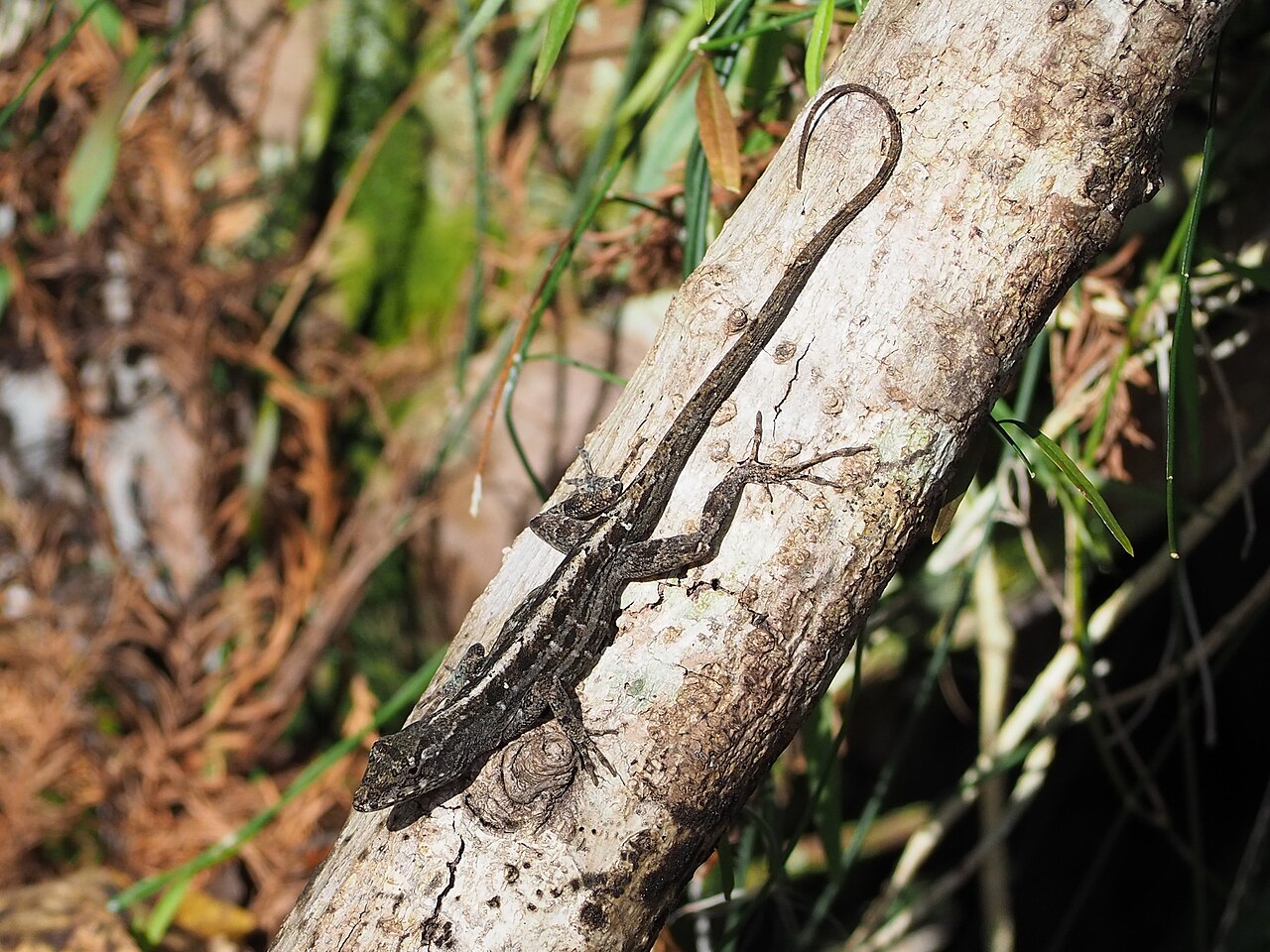
Color carries a modern layer of meaning. Brown, as on the brown anole (Anolis sagrei) that turns up in Florida yards, stands for grounding, home and practical matters, while green points to growth and healing. A pale or whitish gecko carries purity and a clean slate, and a lizard with a blue tail gets the meaning of communication and speaking plainly.
Seeing Two Lizards Together
Two lizards together carry a relationship meaning: partnership, a bond being tested, or two sides of your own nature coming into balance. Twin flame blogs treat two lizards as a mirror or partner sign, a modern reading rather than a tradition, and the pair facing each other is taken as the strongest version of it.
In plain zoology, two lizards close together are rival males disputing a sunny perch, or a male courting a female, in nearly every case, and the head bobbing and push ups you see are territorial display.
Lizard Meaning in Native American Traditions
Native American lizard meaning is not one meaning, because there is no single Native American tradition. Among the Lakota and other Plains nations, beaded amulets shaped like a lizard for boys or a turtle for girls, as a rule, were made to hold a child’s umbilical cord and were worn or kept as protection for that child. The lizard shape stood for long life and the ability to escape harm, in keeping with the animal’s quickness.
Asian and Pacific Lizard Beliefs
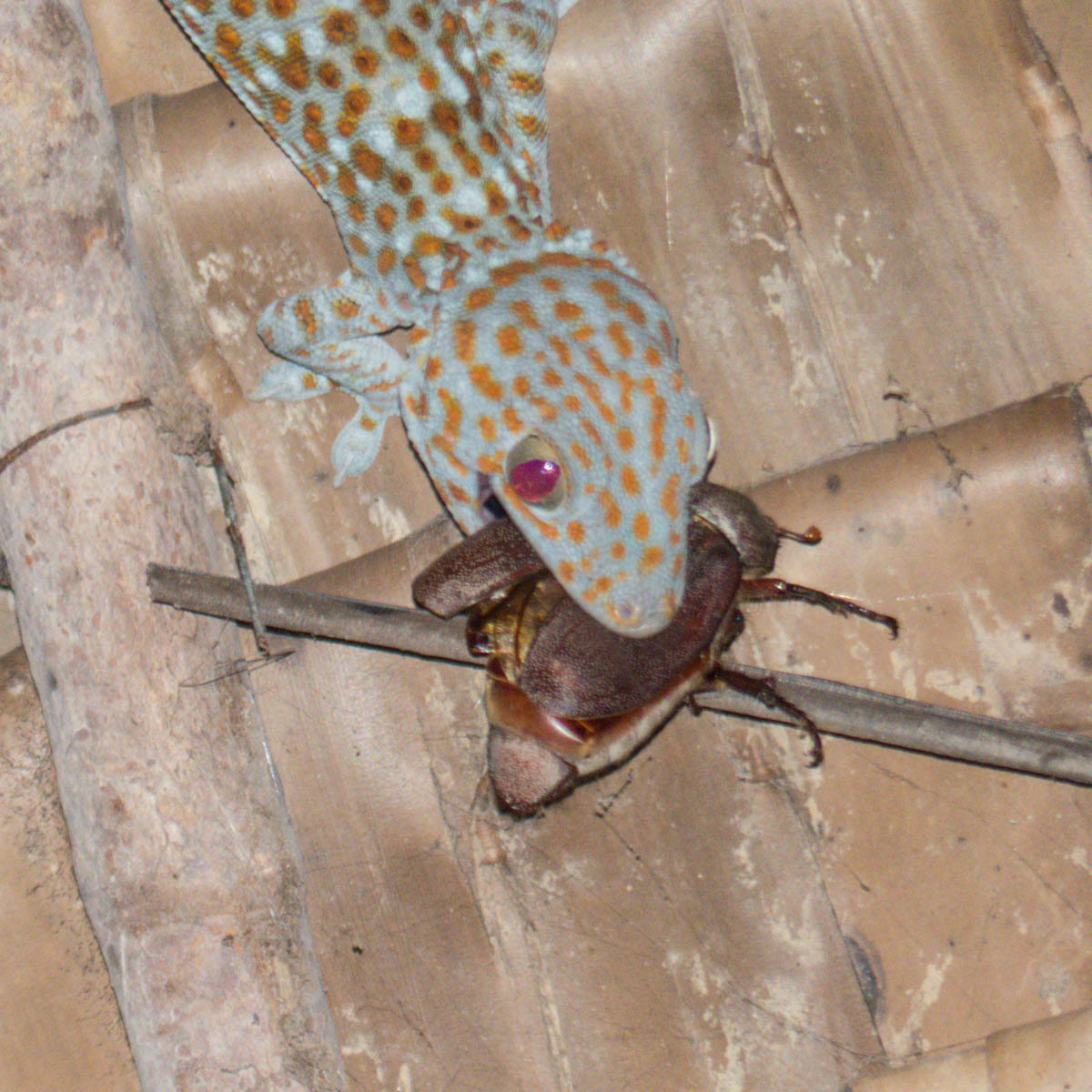
East and Southeast Asia split on the lizard. In Chinese folk tradition the gecko belongs, in parts of the country, among the five poisons warded off around the Dragon Boat Festival. In Thailand, Indonesia and the Philippines, the call of the tokay gecko (Gekko gecko) counts as a lucky sign, and a tokay living in the roof is left alone.
In the Pacific, Hawaiian tradition describes the moʻo as lizard shaped guardian spirits of ponds, streams and fishponds. Among the Māori, the ngārara, the native lizards, serve as omens and as messengers tied to the gods, feared in one story and protective in the next.
Finding a Dead Lizard: What It Means
A dead lizard marks the end of a phase rather than a threat: something that served its purpose has finished, and the sign is a prompt to release it. On the doorstep it closes a chapter, in the car a route you no longer need.
Modern spiritual sources stop short of calling a dead lizard an omen of death, though folk traditions in places treat it as an inauspicious sign.
What Does the Bible Say About Lizards?
The Bible mentions lizards directly in Leviticus 11, where several kinds of lizard are listed among the creatures that move along the ground and are unclean to eat. The passage is dietary law, with no symbolic weight attached to the animal in the text itself.
Proverbs 30:28 is the verse that spiritual writers lean on. In modern translations such as the NIV and ESV it describes the lizard as a creature you can catch with your hand, yet it is found in kings’ palaces. The King James Version renders the same word as “spider”, so the lizard reading depends on which translation sits on your shelf. Preachers use the verse as encouragement for anyone who feels too small to matter.
Frequently Asked Questions
Is it safe to touch a lizard that wanders into your home?
No, not without washing afterward. Lizards can carry Salmonella in their digestive tracts even when they look clean, the bacteria spread through indirect contact with droppings too, and symptoms generally appear one to three days after contact. Children younger than 5 should not handle reptiles at all, per the CDC.
Does a lizard falling on you mean bad luck?
Not automatically. In the Gowli Shastra the outcome depends on the body part and on whether it landed on the left or right side, with the same spot counting as lucky for a man and unlucky for a woman in several cases. The traditional remedy after a bad fall is a bath and a temple visit.
Are lizards a symbol of money?
No, not in any major tradition. The link comes from Indian household belief that ties the house lizard to good fortune, and from modern blogs that repeat it. The feng shui animal that does guard a shop’s income is the three legged money toad, Jin Chan, placed near the entrance.
Is a lizard dropping its tail a bad sign?
No. It is a defense move first: the lizard sacrifices a part to escape a predator, and the tail keeps twitching to hold attention. In spiritual readings the moment stands for letting go of something valuable to stay safe, with the reassurance that what was lost can regrow in time.
Does a pet lizard carry the same spiritual meaning as a wild one?
No. Spiritual writers treat only a lizard that arrives uninvited as a sign, and a pet you chose does not count as an omen. Keeping one has its own rules: reptiles do not belong in child care centers or nursery schools, per New York State health guidance, and hand sanitizer needs at least 60% alcohol.
Is seeing a lizard the same as seeing a snake spiritually?
No. Some lizards are legless and get mistaken for snakes, yet the two readings differ. The lizard message centers on adaptability and surviving by retreat. The snake message centers on shedding skin, rebirth and hidden knowledge. If the animal had eyelids and ear openings, it was a lizard, and the lizard reading applies.
Sources
- CDC, About Reptiles and Amphibians
- New York State Department of Health, Salmonella from Amphibians and Reptiles: Questions and Answers
- CDC, Salmonella Infection