Lizard Symbolism: 8 Spiritual Meanings and Omens Explained
Seeing a lizard is traditionally read as a sign of regeneration, adaptability and the need to let something old fall away, and that is the core of the lizard spiritual meaning in almost every tradition that mentions the animal. A reptile that can drop its tail and grow a new one gives folklore its clearest picture of surviving a loss and rebuilding afterward.
The same small animal carries very different weight depending on who is reading the sign. Native American stories tie it to dreaming, biblical law puts it on a list of unclean creatures, Celtic folklore treats it as a messenger from the underworld, and households across East and South Asia watch which wall a lizard lands on before deciding whether the day brings money or bad news. The sections below keep those traditions apart, then work through the situations people actually search for.
Spiritually, a lizard is a symbol of regeneration, patience and adaptability. Most traditions treat a lizard sighting as a prompt to shed something that no longer serves you and to trust instinct over planning. In Native American and Aboriginal stories it is also a dream guide, while biblical texts list it among unclean animals.
What Do Lizards Signify Spiritually?
Lizards signify eight things across the traditions that mention them, and the overlap between cultures is striking. They stand for regeneration, because many species regrow a shed tail; for adaptability, because they live on deserts, swamps and city walls alike; for patience, because a basking lizard waits motionless for warmth; and for instinct, because they react before they think. They also carry dreaming and vision, survival through letting go, solar energy and warmth, and quiet watchfulness.
Those eight meanings explain why interpretations differ so widely. A tradition that focuses on the shed tail reads the lizard as rebirth. A tradition that focuses on its stillness reads it as a call to slow down. Both are describing the same animal, just a different part of its behavior. If you want the biology behind the symbol first, our guide to the main lizard groups in North America covers what these animals actually do.
What Does It Mean If a Lizard Visits You or Crosses Your Path?

When a lizard visits you, the common folk reading is that a change you have been avoiding is already underway and your instincts know it. The visit is treated as timing rather than warning: something in your life is ready to be dropped the way a lizard drops a tail. People who report repeated visits are usually told the message was missed the first time, not that the omen worsened.
A lizard crossing your path is read slightly differently. Because the animal cuts across your direction rather than meeting you, many traditions interpret it as a redirection, a nudge that the road you are walking is not the only one. In Mesoamerican and southern United States folk belief alike, the crossing is considered neutral to positive, especially if the lizard pauses and then continues rather than fleeing.
Is Seeing a Lizard a Good Omen?

In most traditions, seeing a lizard is a good omen. It is linked to renewal, protection of the home and the arrival of small unexpected money, and the animal itself is harmless to people, which matters: cultures rarely build dark omens around animals that do no damage. House lizards and geckos eating insects indoors earned a protective reputation for exactly that practical reason.
The exceptions are specific rather than general. Hindu and Tamil omen texts treat some landing positions on the body as unlucky, biblical law treats the animal as unclean, and a dead lizard found indoors is widely read as an ending that has already happened. None of those turn a casual sighting in the yard into a warning. If you keep finding droppings instead of the animal, lizard droppings have their own identification signs.
Next question: Spiritual Meaning of Seeing a Lizard: Good Omen or Warning?
Lizard Symbolism in Native American Traditions

In several Native American traditions the lizard is connected to dreaming and to the unseen. In Hopi and Zuni stories lizards are associated with survival in dry country and with patience, and lizard figures appear in petroglyphs across the Southwest. In Lakota tradition a lizard amulet was sewn for children as a protective charm, and the animal is linked to long life.
Navajo accounts treat the horned lizard with particular respect; it is addressed in some stories as a grandparent figure and left undisturbed. These are living traditions with regional differences, so the honest statement is narrow: lizards appear as protectors, dream guides and symbols of endurance in specific nations, not as a single pan-tribal meaning. The Texas horned lizard is the species behind many of those Southwestern accounts.
What Does the Bible Say About Lizards?
The Bible mentions lizards directly in Leviticus 11, where the gecko, the monitor lizard, the wall lizard, the skink and the chameleon are listed among creatures that move on the ground and are declared unclean to eat. The passage is dietary law rather than omen reading: it tells Israelites what not to eat and what makes a vessel unclean, and says nothing about what a lizard sighting predicts.
Proverbs 30 adds the other biblical reference, grouping the lizard with the ant, the locust and the badger as small creatures that are wise despite their size, noting that it can be caught by hand yet lives in kings’ palaces. Christian interpretation has used that verse to read the lizard as humble persistence. Anyone asking what the Bible says about lizards is therefore getting two answers: unclean in law, quietly admirable in wisdom literature.
Lizard Symbolism in Celtic and European Folklore
Celtic folklore gives the lizard a role as a messenger between the living world and the otherworld, because the animal slips into cracks in stone and disappears underground. In Irish and Scottish accounts that movement made it a creature of thresholds, and seeing one was taken as a sign that a hidden matter was about to surface. The regrown tail fed the same idea of returning from the unseen.
Mainland European folk belief was more practical and more superstitious at once. Wall lizards living in a farmhouse were often tolerated as luck, while harming one was thought to invite bad weather or a poor harvest. Medieval bestiaries claimed that an old lizard going blind would face the rising sun through a crack in a wall to regain its sight, an image Christian writers used for spiritual renewal.
Lizard Symbolism in East Asian and South Asian Traditions
In Chinese tradition the gecko is associated with household protection and with the sun, and the animal’s presence on a wall is generally welcome rather than feared. Japanese folk belief connects the house lizard to guarding the home, and the common word for it uses characters that read as house guardian. In both cases the reading is domestic: the lizard is part of the household rather than a visitor with a message.
South Asian traditions are far more specific. Tamil and Telugu omen texts, often called gowli shastra, assign a separate meaning to the body part a lizard falls on, with some positions read as money and others as travel or conflict. Belief in those lists remains common in parts of India and Sri Lanka. Stated as belief rather than fact, the pattern is clear: the lizard is treated as a precise messenger in the south and as a guardian further east.
Lizard Omens by Situation: House, Window, Night and Dead Lizards
Most searches for lizard symbolism are really about one situation, so the readings below are the ones that appear most consistently in folk sources. None of them is a prediction, and all of them have a plain biological explanation running alongside the symbolic one.
| Situation | Traditional reading | Plain explanation |
|---|---|---|
| Lizard in the house | Protection and household luck; a guardian has arrived | Following insects drawn to indoor and porch lights |
| Lizard at the window | News is coming; something outside wants your attention | Basking on warm glass or hunting moths at the pane |
| Lizard seen at night | Hidden matters surfacing; work with instinct, not logic | Geckos are nocturnal and hunt under artificial light |
| Same lizard repeatedly | The message was missed; the change is still waiting | Lizards hold small territories and reuse basking spots |
| Dead lizard found | An ending already complete; stop holding the old form | Cold snaps, cats and window strikes kill small reptiles |
| Lizard in a dream | Instinct speaking before the conscious mind catches up | Common anxiety imagery involving small fast animals |
Green, Black, White and Brown Lizard Spiritual Meaning
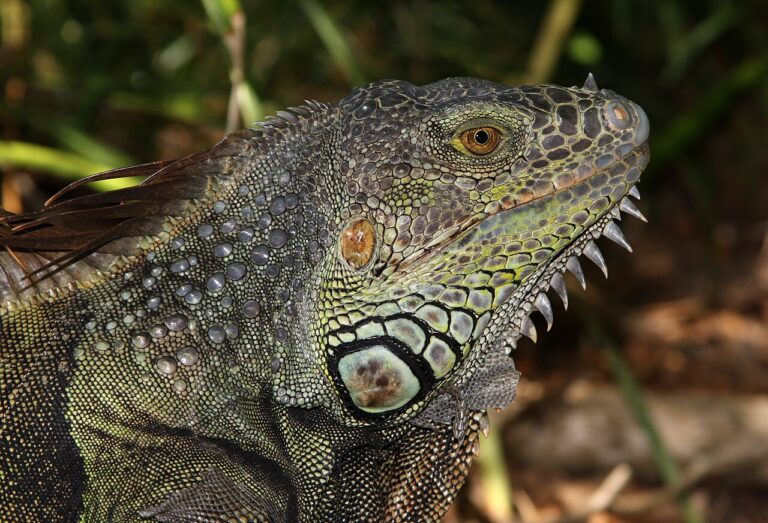
Color readings are a modern layer on older symbolism, and they follow general color meaning rather than herpetology. A green lizard is read as growth, healing and fresh money, helped by the fact that the green anole turns brown under stress and green when calm. A black lizard is read as protection and the shadow side, the part of a situation you have not looked at yet.
A white lizard is treated as the strongest sign in South Asian house lore, usually peace or a spiritual message, partly because pale geckos are genuinely uncommon indoors. A brown lizard is the most ordinary sighting and is read as grounding, work and stability. Keep the order right: the species and its behavior come first, and color is a secondary note. House geckos shift tone with temperature and light, so the same animal can look like two different omens in one evening.
Lizard as Spirit Animal, Totem and Power Animal
As a spirit animal, the lizard is described as a guide for people who need to detach from something before it costs them more, and for dreamers who work out problems in sleep rather than at a desk. The traits attached to it are regeneration, stillness before action, and sensitivity to a change in the air. People who claim it as a totem usually describe themselves as quiet observers who move fast once they decide.
As a power animal in contemporary shamanic practice, the lizard is called on for dream work and for recovery after a loss. The shadow side is given as avoidance: hiding in a crack instead of facing the matter, and dropping ties too easily because regrowth feels cheap. The animals themselves are more sober than any of this suggests, and the National Park Service documents native lizard populations across park land for anyone who wants the ecology instead. If you prefer other reptile symbolism, see snake symbolism and turtle symbolism for two very different readings.
Frequently Asked Questions
What does it mean to see a little lizard?
A little lizard is read as a small beginning rather than a weak sign. Folk interpretation treats juvenile and small-bodied lizards as new projects, early pregnancies or ideas that need protecting before they can stand on their own. Practically, most lizards you see indoors are small species like geckos and anoles, not juveniles.
Are lizards a symbol of money?
Yes, in several traditions. South Asian house lore links certain lizard positions and a lizard falling on the right side of the body to money arriving, and Chinese gecko symbolism connects household lizards to prosperity. Western folklore is quieter on it, treating a lizard more as renewal than as wealth.
Is seeing a lizard in a dream good or bad?
Dream interpreters generally read it as good but uncomfortable. A lizard in a dream is taken as instinct surfacing, often about a relationship or job you already doubt. A lizard biting or chasing you in the dream is read as avoidance, while a calm basking lizard is read as patience being rewarded.
What is the spiritual meaning of a blue tongue lizard?
The blue tongue lizard, or blue-tongued skink (Tiliqua scincoides), carries Aboriginal Australian associations with protection, bluff and standing your ground, since the animal shows its blue tongue to look dangerous without being venomous. Modern readings extend that to setting boundaries with display rather than aggression.
What does killing a lizard mean spiritually?
Killing a lizard is read negatively almost everywhere, including in the biblical-influenced folk belief that treats harm to a harmless creature as guilt you carry. European farm lore warned that it brought bad weather or crop failure. The practical reading is simpler: house lizards eat insects, so removing them costs you free pest control.
What does it mean if a lizard falls on you?
In Tamil and Telugu omen lists, the meaning depends entirely on where it lands, with the head, right shoulder and left arm all read differently, from honor to argument to travel. Outside those traditions a falling lizard has no fixed meaning, and geckos lose grip on painted ceilings often enough to explain most cases.