Snake Symbolism: What It Means to See One, by Tradition
Seeing a snake is traditionally read as a sign of transformation: something in your life is ending its old form and starting a new one. Snake symbolism carries that meaning across almost every culture that has written about the animal, because a snake sheds its entire skin and emerges looking reborn, and people have built meaning on that image for thousands of years.
The second layer is harder to pin down, because the snake is one of the few animals whose symbolism runs strongly positive and strongly negative at the same time. In one tradition it is a healer and a guardian of water, in the next it is the voice of temptation. Which reading applies depends on the tradition you are drawing from and on the circumstance in which the animal appeared.
In most traditions, seeing a snake symbolizes transformation, healing, and renewal, drawn from the animal shedding its skin. In Christian and biblical interpretation it more often signals temptation or deceit. The situation matters: a snake crossing your path is widely read as a call to change direction.
| Situation | Common traditional reading |
|---|---|
| Snake crossing your path | A change of direction is coming; do not continue as before |
| Snake in your garden or yard | Renewal at home, or a hidden matter surfacing |
| Snake at a window or doorway | A message arriving; a boundary being tested |
| Snake seen at night | Something working below awareness, often fear itself |
| Seeing snakes repeatedly | A lesson not yet learned, pressed again |
| Finding a dead snake | A cycle closed, a threat passed, an ending accepted |
| Snake in a dream | Buried emotion or instinct asking for attention |
| Shed snake skin | Rebirth, letting go of an old identity |
What Does It Symbolize When You See a Snake?
Across folklore traditions, the dominant meaning is transformation. The snake grows by outgrowing its own skin, and symbol systems from the Mediterranean to the Great Plains read that as a model for human change: the self you were is shed, not destroyed. Where a culture valued healing, the snake became medicine, which is why the staff of Asclepius still marks hospitals today.
The second common reading is awareness of hidden things. Snakes live in burrows, under rocks, and in water, which associated them with what lies beneath the surface. In many traditions, seeing one is said to indicate that something concealed, whether a truth, a fear, or an opportunity, is about to come into view.
Snake Symbolism in Native American and Celtic Traditions
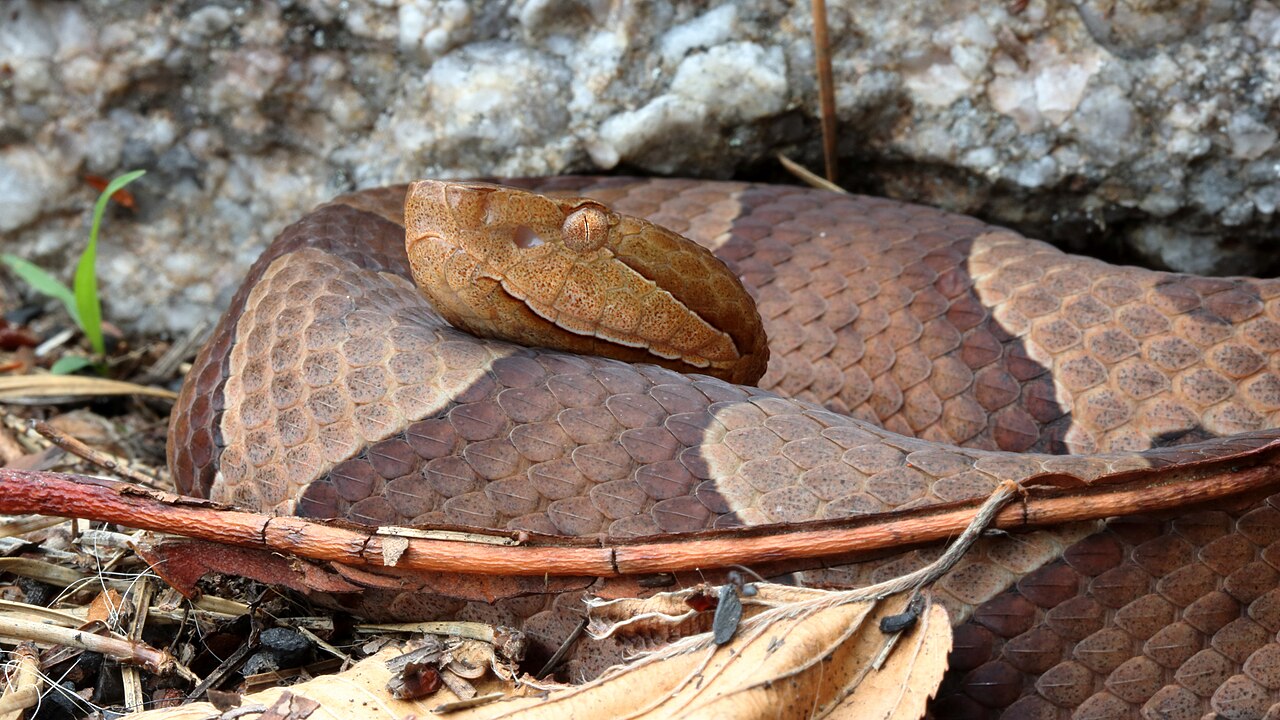
Native American traditions are many and distinct, and their snake meanings differ sharply. In Hopi tradition the Snake Dance petitions for rain, placing serpents in the role of messengers to the underworld powers that bring water. In Lakota tradition the snake is more often associated with caution and with lower world energy, a being to be respected rather than courted.
In Celtic tradition the serpent is tied to healing wells, wisdom, and the turning of the year. Serpent imagery coils through La Tene metalwork and later Insular manuscripts, and the ram headed serpent appears alongside the figure identified as Cernunnos on the Gundestrup cauldron. The Celtic reading is generally regenerative, closer to the shedding image than to any notion of evil. Readers who follow animal meanings across cultures will find a similar split in coyote symbolism.
Snake Meaning in the Bible and Christianity
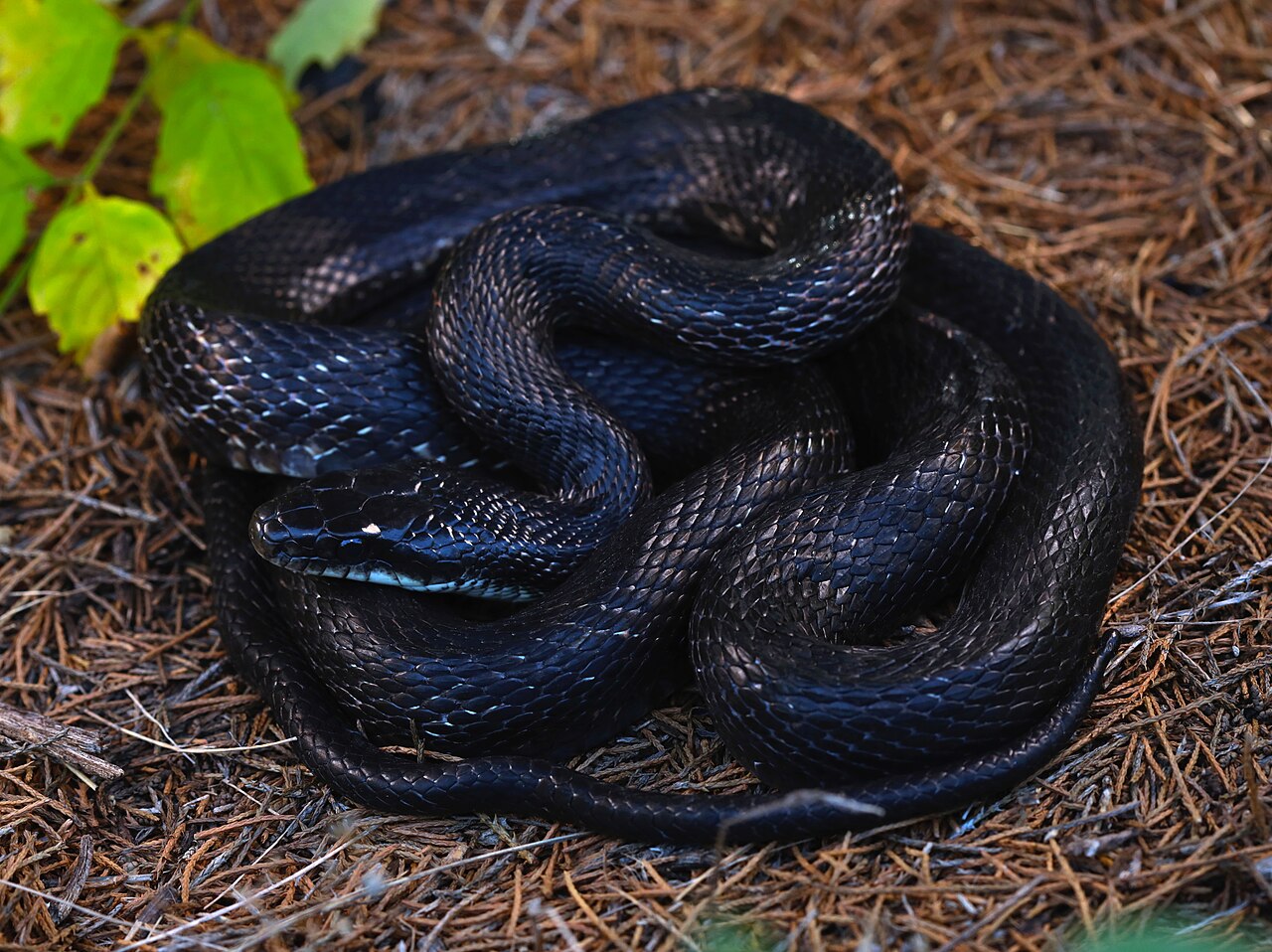
In Christian interpretation the snake carries the heaviest negative weight of any animal. Genesis 3 casts the serpent as the deceiver in Eden, and Revelation 12:9 identifies “that old serpent, called the Devil.” In that framework the snake stands for temptation, cunning, and the sin of pride, and this is the reading most English speakers absorb first.
The Bible is not uniform on the point. In Numbers 21, a bronze serpent lifted on a pole heals those who look at it, and in Matthew 10:16 Jesus tells his followers to be “wise as serpents and harmless as doves,” which treats serpent wisdom as a virtue. Christian readings therefore hold both the tempter and the healer. The dove in that same verse carries its own long tradition, covered in dove symbolism.
Snake Symbolism in East Asian Cultures
In Chinese tradition the snake is the sixth animal of the zodiac and signals intelligence, discretion, and refinement rather than danger. People born in Snake years are described as thoughtful and private, and the snake is sometimes called the little dragon, which places it close to the most auspicious creature in the system.
Japanese tradition associates white snakes with Benzaiten, the goddess of water, music, and fortune, and a white snake sighting is considered a sign of coming prosperity. In Hindu tradition, nagas guard water and treasure, and kundalini is pictured as a coiled serpent at the base of the spine whose rising represents spiritual awakening.
What Does a Snake Crossing Your Path Mean?
A snake crossing your path is one of the most widely cited omens, and the usual interpretation is that a change of direction is required. The symbolism is literal: something moved across the line you were traveling. In several folk traditions the sighting is read as a prompt to review a decision already made rather than as a warning of harm.
Context shifts the reading. A snake in the garden is often taken as renewal at home or as a household matter surfacing, while a snake at a window or threshold is read as a message arriving and a boundary being tested. Seeing the same animal repeatedly is interpreted as a lesson pressed a second time, and finding a dead snake as a cycle that has closed. Compare the way location governs meaning in dead bird symbolism and bird symbolism.
Snake as a Spirit Animal, Totem and Omen
In contemporary spirit animal practice, which draws loosely on several older traditions, the snake is associated with transformation, healing, and the shedding of what no longer serves. People who identify the snake as a spirit animal usually describe a period of personal change, and the symbol is read as encouragement rather than warning.
The words differ in meaning. A totem in its original Ojibwe sense names a clan lineage, not a personal guide, and using it for an individual animal connection is a modern extension. An omen is a single event read as a sign, while a spirit animal is an ongoing relationship. Keeping those apart makes the symbolism clearer, as it does with cardinal symbolism and crow symbolism.
For verified natural history behind the folklore, the Smithsonian Institution maintains species and cultural collections that document both the animals and the traditions built around them.
Related reading: Crocodile Symbolism.
Frequently Asked Questions
What does snake shedding symbolize?
Shedding symbolizes rebirth and the release of an old identity. The animal grows a new skin beneath the old one and walks away from the shell intact, which traditions from Greece to China read as the clearest natural image of renewal available. Finding a shed skin is treated as a favorable sign in most of them.
Are snakes symbols of rebirth?
Yes, this is the most consistent snake meaning worldwide. The ouroboros, a serpent eating its own tail, appears in Egyptian, Greek, and Norse imagery as a symbol of cycles with no end. Even traditions that treat snakes as dangerous usually preserve the rebirth association alongside the warning.
What sin does the snake represent?
In Christian moral tradition the serpent is most often linked to pride and to the deceit that flows from it, since the Eden account has the serpent promising knowledge that makes humans like God. Some later writers attach envy or lust instead, so the association is not fixed by scripture itself.
What is the etymology of the word serpent?
Serpent comes through Old French from the Latin serpentem, the present participle of serpere, meaning to creep or crawl. The Latin verb traces back to a Proto Indo European root meaning to crawl, which also produced the Greek herpein, the source of the word herpetology.
Is it against God to have a pet snake?
No mainstream Christian denomination teaches that keeping a snake is sinful. The Eden account treats the serpent as a figure in a narrative, not as a prohibition on the animal, and biblical dietary and ritual rules concern eating and touching dead animals rather than keeping live ones. Views vary among individual believers.