What Do Spiders Eat? Diet, Hunting, and Why It Matters
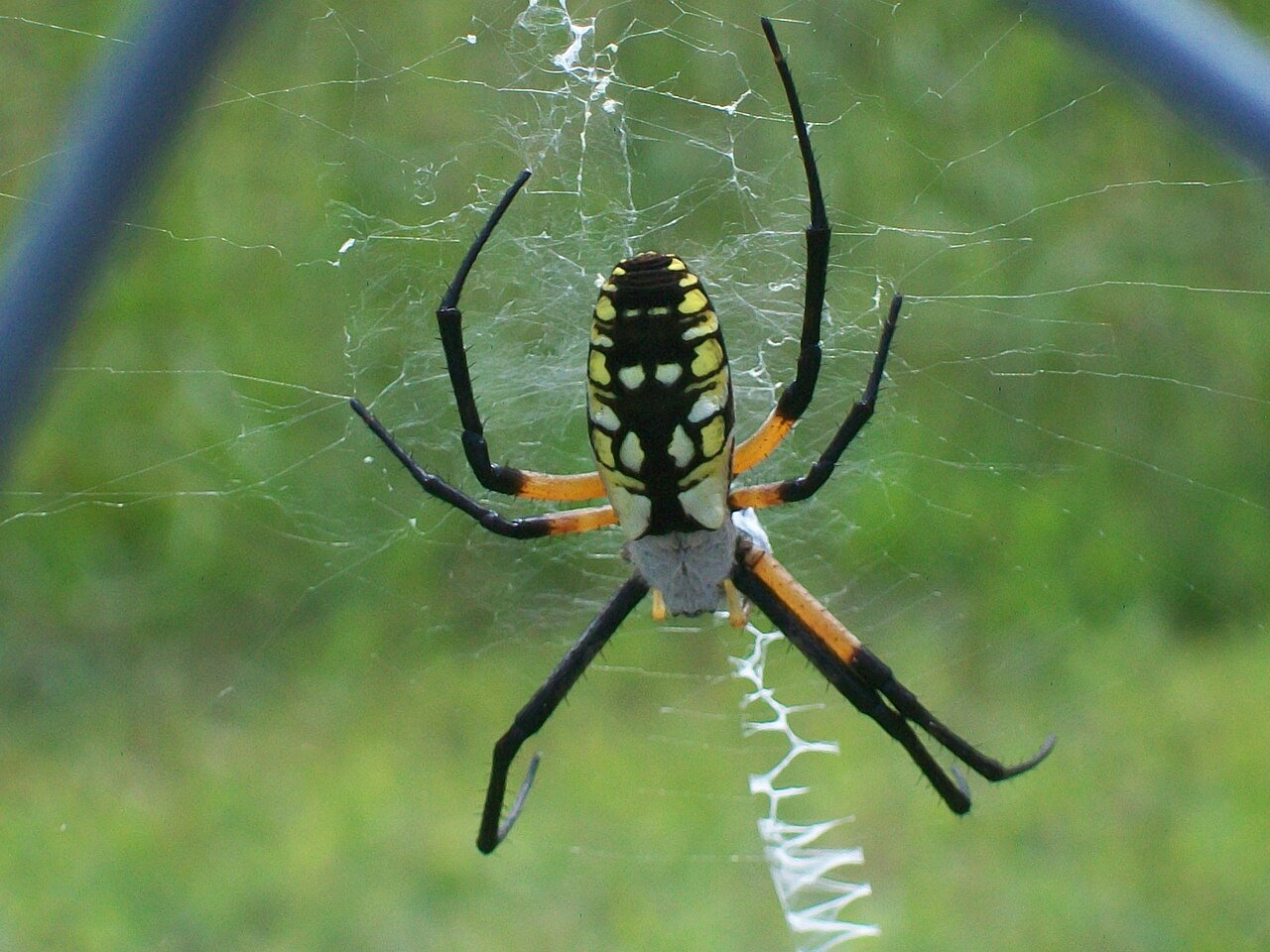
Spiders eat insects and other small arthropods almost exclusively, catching prey with webs, ambush, or active hunting depending on the species, then injecting digestive enzymes and drinking the liquefied contents rather than chewing solid food. A few large tropical species occasionally take small vertebrates, but the overwhelming majority of a spider’s diet, in any home or garden, is insects.
That makes spiders one of the most effective pest control agents already present in a house or yard for free, quietly removing flies, mosquitoes, moths, and other insects without any effort on your part. This guide covers what spiders actually eat, how their feeding method works, and why leaving them alone usually pays off.
Spiders eat insects and other small arthropods, including flies, mosquitoes, moths, ants, and other spiders, caught by web, ambush, or active hunting. They inject digestive enzymes into prey and drink the liquefied contents rather than chewing. Most spiders eat every few days to weeks and can survive far longer without food than most insects, making them efficient, low-maintenance pest control.
| Aspect | Spider Feeding |
|---|---|
| Main diet | Insects: flies, mosquitoes, moths, ants, beetles |
| Also eats | Other spiders, small arthropods |
| Capture method | Web-building, ambush, or active hunting |
| How it feeds | Injects digestive enzymes; drinks liquefied prey |
| Feeding frequency | Every few days to a few weeks |
| Without food | Can survive weeks to months, species dependent |
What Do Spiders Eat?
Overwhelmingly insects and other small arthropods: flies, mosquitoes, moths, ants, beetles, crickets, and small spiders, matched to whatever is available and small enough for that species to subdue. Diet is opportunistic rather than fixed, driven by what the local insect population offers.
Larger species, including some tarantulas and huntsman spiders in tropical regions, occasionally take small vertebrates such as lizards, frogs, or even small birds and rodents, but this is uncommon and represents a small fraction of total prey even for those species, whose diet remains predominantly insects and arthropods.
Almost all spiders are exclusively carnivorous, with one notable exception, Bagheera kiplingi, a jumping spider that feeds mainly on plant material from acacia trees, making it the only known largely herbivorous spider species. The jumping spider diet guide covers the more typical carnivorous jumping spider diet.
What Do Most House Spiders Eat?
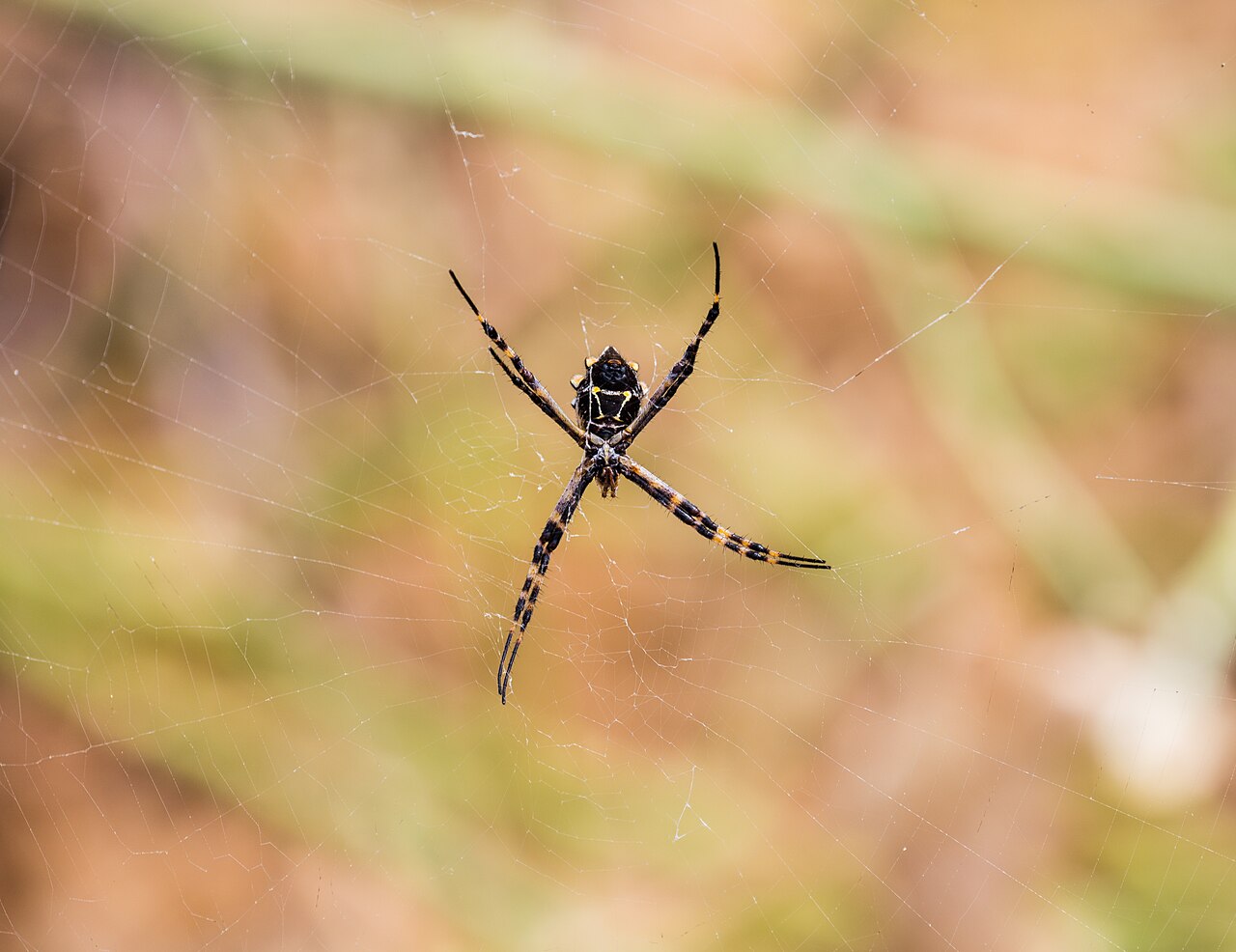
Whatever insects are already inside the home: flies, mosquitoes, moths, silverfish, and occasionally other spiders, caught in webs built in corners, along baseboards, or in undisturbed areas like basements and closets. A house spider is, functionally, working through the same pest population a homeowner would otherwise be trying to control separately.
Web placement is not random. House spiders position webs across likely insect flight paths, near lights that attract flying insects at night, along windowsills where insects enter, and in corners where air currents funnel small prey, and a web that repeatedly catches nothing gets abandoned and rebuilt elsewhere.
Species that hunt rather than build webs, including many house-dwelling wolf and jumping spiders, patrol floors and walls at night looking for the same insect prey, using vision and vibration sensing rather than a web to locate and ambush it. The house spider guide covers common household species in more detail.
What Is a Spider’s Favorite Food?
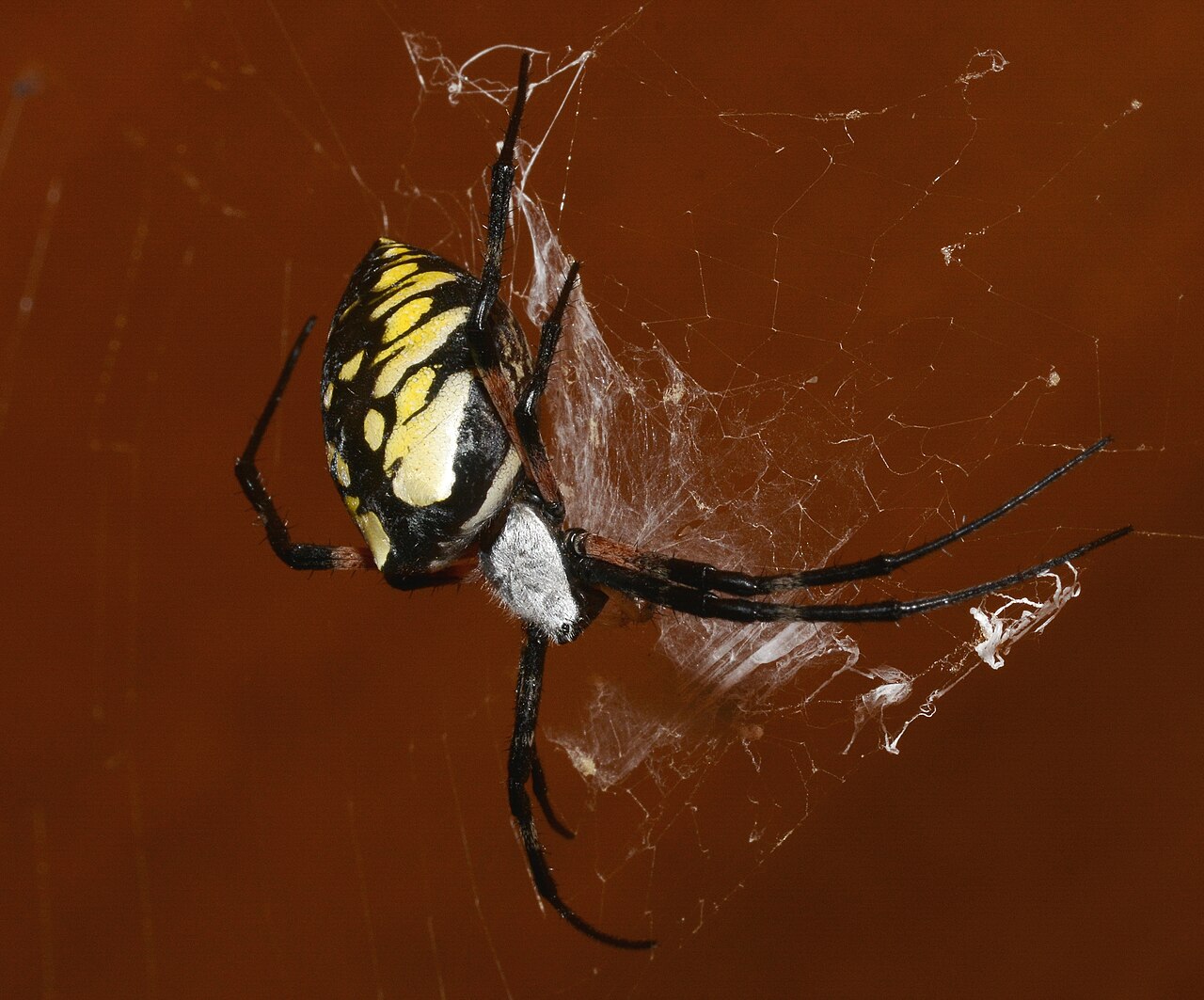
There is no single favorite in the way that phrase implies for most animals; spiders take whatever prey is available, sized appropriately, and catchable by their particular method, and preference research generally shows spiders adjusting web size and placement or hunting behavior to match local prey abundance rather than holding out for one species.
That said, soft-bodied, weakly flying insects like flies, moths, and mosquitoes are consistently easy prey across most web-building species, since they struggle less effectively against silk than a hard-shelled beetle might, making them a disproportionately common catch relative to their actual abundance.
For hunting species like wolf spiders and jumping spiders, prey selection leans toward whatever is slow enough to be caught and small enough to be subdued safely, with crickets, small moths, and other spiders being common targets given typical size and speed.
Do Spiders Eat Other Spiders?
Yes, regularly. Cannibalism and eating other spider species is common across many families, and it happens both between species competing for the same territory and, in some species, between individuals of the same species, including a female eating a male after or occasionally during mating in certain species.
Larger, more aggressive hunting species, including some jumping spiders that specialize in hunting other spiders rather than insects, treat spider prey as a primary rather than incidental food source, using specialized hunting tactics such as approaching along a rival’s own web to avoid detection.
Web-building species also sometimes catch and eat wandering spiders that blunder into their web the same way any other insect prey would be caught, meaning spider-on-spider predation happens opportunistically even in species that are not deliberate spider hunters.
Why Shouldn’t You Squish a Spider?
Because it is actively working as free pest control. A single spider can consume dozens of insects over its lifetime, including species like mosquitoes and flies that people actively want fewer of indoors, making most household spiders a net benefit rather than a pest themselves.
The vast majority of house spiders are harmless to people, unable to bite through skin effectively or possessing venom too mild to cause more than minor local irritation if a bite does occur, which is uncommon in the first place since most spiders avoid confrontation with something as large as a person.
Relocating rather than killing addresses the discomfort factor without losing the pest control benefit: capturing a spider under a cup with a piece of paper slid underneath and releasing it outside or in a less trafficked room removes it from view without ending a useful predator. The guide to birds that eat spiders covers the next link in that food chain.
How Often Do Spiders Need to Eat?
Most spiders eat every few days to a couple of weeks depending on prey availability and their own metabolic rate, which is generally slow compared to warm-blooded animals of similar size, letting them go considerably longer between meals than most insects could tolerate.
A large meal can sustain some species for an extended period, since spiders store energy efficiently and their activity level drops between feedings, conserving resources during lean periods rather than needing constant intake the way a more metabolically active animal would.
Juveniles and smaller species generally need to feed more frequently relative to their size than large adult spiders, since growth demands more consistent energy intake, while a large, mature spider that has fed well can afford to wait out a longer stretch without available prey.
How Long Can a Spider Survive Without Food?
Remarkably long for their size, often several weeks to a few months depending on species, size, and temperature, since spiders have a low metabolic rate and can enter a reduced-activity state to conserve energy when prey is scarce, unlike most insects which need far more frequent feeding.
Water matters more than food in the short term for most species, and access to even minimal moisture extends survival time considerably compared to a spider deprived of both food and water, which will decline much faster than one with water access alone.
This extended survival capacity is part of why a spider can persist in a rarely used room or storage area for a surprisingly long time between visible prey catches, appearing to survive on very little because, relative to its size and needs, very little is genuinely enough for extended stretches.
What Keeps Spiders Away From Your Home?
Reducing the insects they feed on is the most effective long-term approach, since spiders go where prey is; sealing gaps around windows and doors, fixing torn screens, and reducing exterior lighting that attracts flying insects at night all cut off the food supply that draws spiders in.
Peppermint oil, vinegar, and citrus are commonly cited home remedies, and while some spiders show a mild aversion to strong scents, the effect is generally temporary and inconsistent, working better as a minor deterrent alongside exclusion methods than as a standalone solution.
Regular vacuuming of corners, closets, and undisturbed areas removes both spiders and the egg sacs some species leave behind, disrupting the cycle more effectively than repeated web clearing alone, which does not prevent a spider from simply rebuilding in the same productive spot.
Do Spiders Sleep?
Not in the way mammals do, with no evidence of the complex brain-wave patterns associated with mammalian sleep, but spiders do have activity and rest cycles, with many species showing distinct nocturnal or diurnal patterns and periods of reduced movement that function similarly to rest.
A 2022 study led by researchers at the University of Konstanz and published in the Proceedings of the National Academy of Sciences found REM-like leg twitching and eye movement during rest periods in jumping spiders, suggesting something functionally comparable to sleep may occur even in an animal without a mammalian-style brain, though the science here is still developing and comparisons to human sleep should be made cautiously.
Practically, this means a spider that appears motionless in its web or a corner during the day, for a nocturnal species, is very likely in a genuine rest state rather than simply waiting, and is unlikely to react quickly to disturbance the way it would during its normal active period.
Are Spiders in Your Home a Bad Sign?
Generally no, and in most cases the opposite: a spider or two indoors usually means there are insects to eat, and the spider is providing free pest control rather than indicating anything wrong with the home’s cleanliness or condition.
A sudden noticeable increase in spider numbers is worth paying attention to, though, since it often reflects a genuine increase in the insect population they are feeding on, making the spiders a symptom pointing toward an underlying insect issue worth investigating rather than the primary problem itself.
Certain species that are medically significant, such as black widows or brown recluses in regions where they occur, warrant more careful handling and professional pest control if regularly encountered indoors, but the vast majority of house spiders fall well outside that category and are best left alone or gently relocated. The wolf spider vs brown recluse guide and scorpion diet guide cover related identification and feeding topics.
Do Spiders Drink Water?
Yes, spiders do need water and will drink droplets of dew, rain, or condensation when available, and some species also draw moisture indirectly from the liquefied prey they consume, since their liquid-only feeding method delivers water alongside nutrients in every meal.
Web-building species positioned near a consistent moisture source, such as a bathroom or basement with higher humidity, generally fare better and grow larger than those in persistently dry areas, which is part of why spiders are so often found in bathrooms, basements, and other damp corners of a house.
A prolonged dry spell without either standing water or prey is harder on most spiders than an equivalent stretch without food alone, making humidity and moisture access a meaningful factor in how long a spider can persist in a given space beyond food availability by itself.
Frequently Asked Questions
What do spiders eat?
Mostly insects and other small arthropods: flies, mosquitoes, moths, ants, and sometimes other spiders, caught by web, ambush, or active hunting.
Do house spiders eat mosquitoes?
Yes. Mosquitoes and other soft-bodied, weakly flying insects are among the easiest and most common prey for web-building house spiders.
Why shouldn’t you squish a spider?
It functions as free pest control, consuming dozens of unwanted insects over its lifetime. Relocating rather than killing keeps that benefit intact.
How often do spiders eat?
Every few days to a couple of weeks on average, depending on prey availability, species, and size, since spiders have a low metabolic rate.
How long can a spider survive without food?
Often several weeks to a few months, since spiders conserve energy efficiently and need far less frequent feeding than most insects.
Do spiders eat other spiders?
Yes, regularly, both between different species competing for territory and, in some species, between individuals of the same species.