Birds That Eat Spiders and Why It Matters for Nestlings
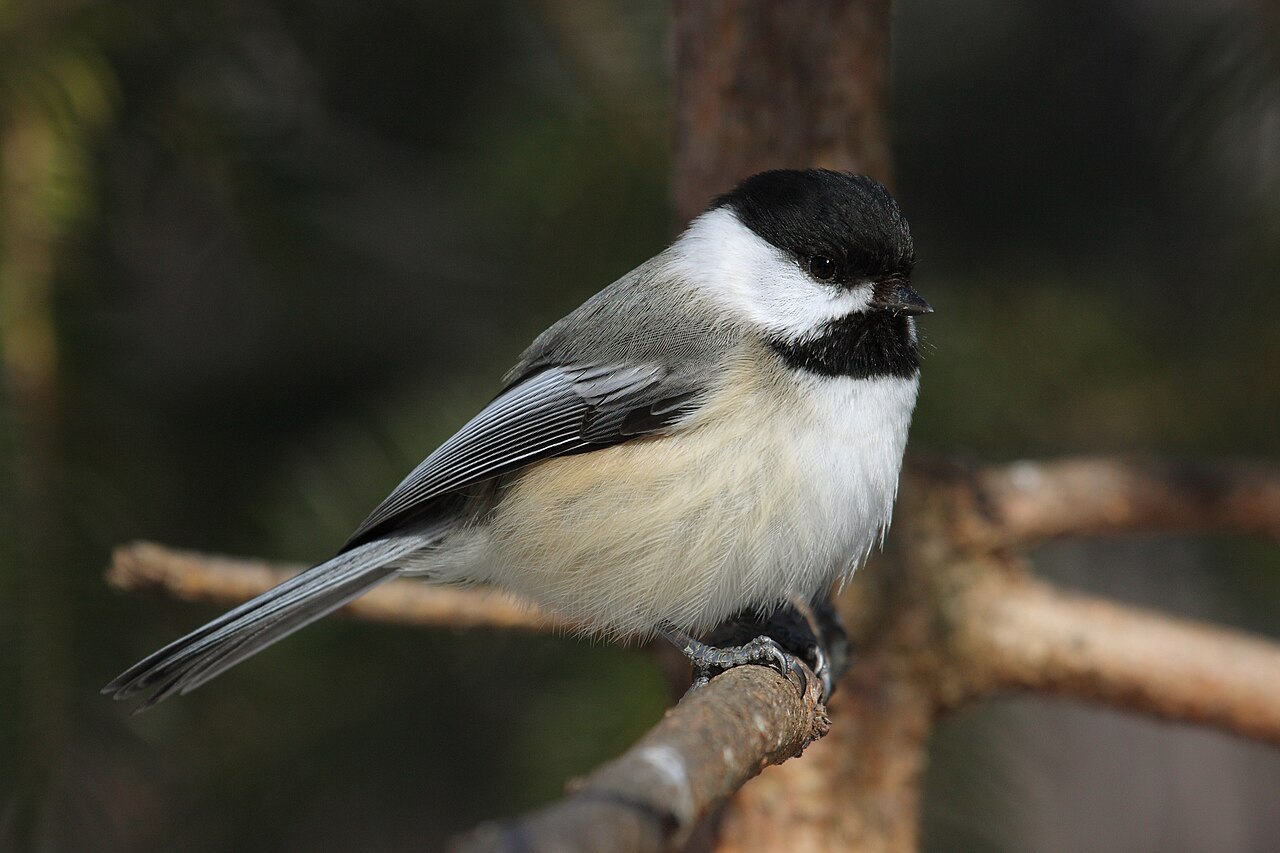
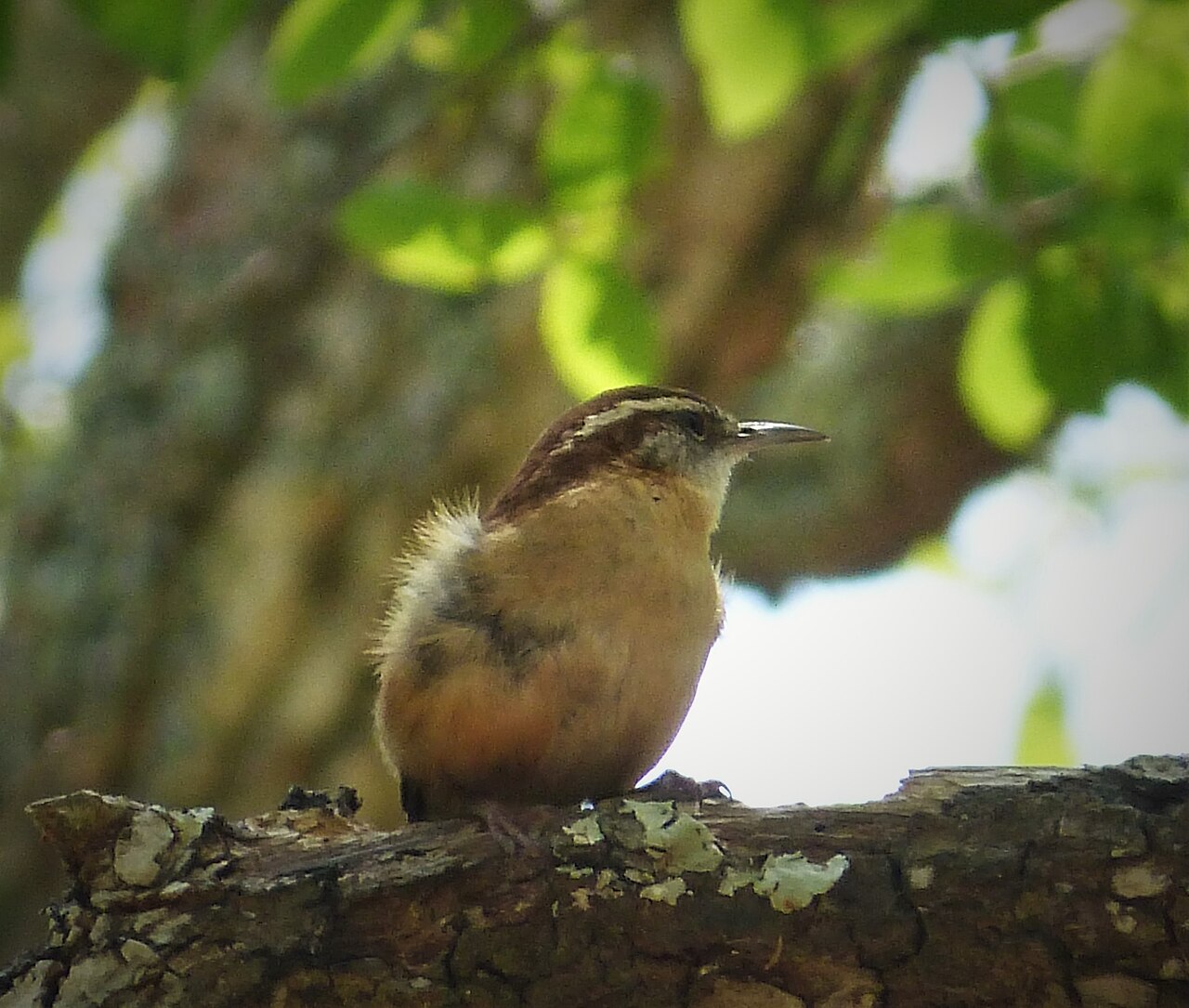
Birds that eat spiders include Carolina wrens, house wrens, chickadees, titmice, nuthatches, bluebirds, warblers, vireos, and hummingbirds. Almost every insectivorous songbird takes spiders, and for some the share is substantial: spiders can make up 10 to 20 percent of the breeding-season diet in several wren and warbler species, and they matter far more than that number suggests because of what they contain.
Spiders are unusually rich in taurine, an amino acid that developing bird brains require and that most insects supply poorly. Studies of blue tits have found parents selecting spiders specifically for nestlings, and chicks raised on taurine-rich diets show better learning and bolder behaviour later. A bird eating spiders in your garden is not just controlling pests, it is provisioning its young with something it cannot easily get elsewhere.
| Bird | Role |
|---|---|
| Carolina wren | Heavy spider feeder, works crevices and eaves |
| House wren | Gleans webs and bark constantly |
| Chickadees and titmice | Take spiders and egg sacs year round |
| Warblers and vireos | Canopy gleaners, spiders in breeding season |
| Hummingbirds | Eat spiders and steal silk for nests |
| Bluebirds and phoebes | Take spiders from the ground and walls |
| Nutritional reason | Taurine for nestling brain development |
Which Birds Eat Spiders
The strongest spider feeders are the small gleaners that work bark, crevices, and foliage rather than open ground or air. Carolina wrens and house wrens are the standouts, probing under siding, into woodpiles, behind shutters, and along eaves, which is exactly where house spiders build.
Chickadees, titmice, nuthatches, and brown creepers all take spiders and spider egg sacs while working bark, and they do so year round rather than only in summer. Egg sacs are particularly valuable in winter because they are concentrated protein that stays put, and a chickadee working a corner of a porch in January is often after them.
Canopy specialists take large numbers during the breeding season. Warblers, vireos, kinglets, and gnatcatchers all glean spiders from leaves and twigs, and for several warbler species spiders form a significant share of what gets carried to nestlings. Our guide to identifying backyard birds covers most of the species involved.
Why Spiders Matter More Than Their Share Suggests
The nutritional argument is the interesting part. Spiders are far richer in taurine than caterpillars, beetles, or flies, and taurine is required for normal development of the nervous system and retina in young birds. Insects supply it poorly, so a diet of caterpillars alone leaves a gap.
Research on blue tits carried out at the University of Glasgow found parents deliberately selecting spiders for nestlings rather than taking them in proportion to availability, and experiments supplementing chicks with taurine produced measurably better spatial learning and greater risk-taking as fledglings. The effect persisted well beyond the nestling period.
This reframes what a spider-rich garden provides. Caterpillars are the volume food that drives chick growth, and spiders are the micronutrient source that shapes how those chicks develop. A yard that supports both raises better birds than one that supports only the first.
Timing matters as much as quantity. The taurine requirement peaks in the first ten days after hatching, when the nervous system develops fastest, and spider availability in early spring therefore has more influence than total spider numbers across the season. Gardens that keep leaf litter and standing vegetation through winter have spiders active weeks earlier than gardens cleared in autumn.
Hummingbirds and Spiders
Hummingbirds have the most involved relationship with spiders of any bird group, and it runs in two directions. They eat spiders, taking small ones directly and picking trapped insects out of webs, and small spiders form a meaningful part of the protein intake that nectar cannot supply.
They also harvest silk. Hummingbird nests are built from plant down bound together with spider silk, which makes the cup elastic enough to stretch as the chicks grow. Without silk the nest would either be too rigid or fall apart, and females spend considerable time gathering it.
The relationship carries risk. Hummingbirds are occasionally caught in the webs of large orb weavers, and there are documented cases of golden silk orb weavers and similar species killing them. It is rare, but it is the reason hummingbirds approach webs cautiously and work the edges rather than the centre.
Do Birds Eat Spider Egg Sacs?
Yes, and it is more significant than adult predation for controlling numbers. A single egg sac can contain dozens to hundreds of spiderlings, so a chickadee taking one removes far more potential spiders than the same bird taking one adult.
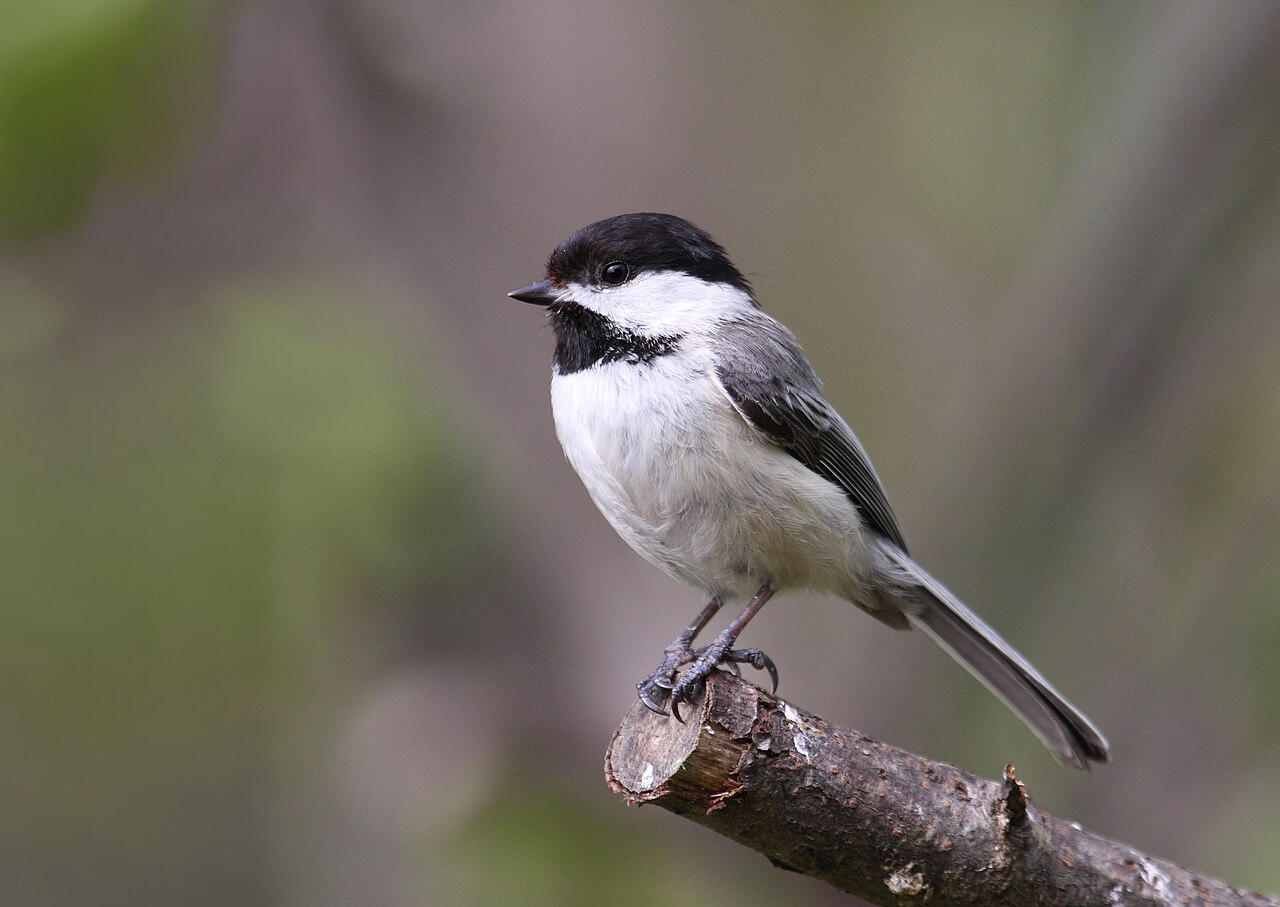
Chickadees, titmice, wrens, nuthatches, and brown creepers all target them, working the crevices where spiders attach sacs. This is one of the reasons winter bird activity around a porch or shed matters, since egg sacs laid in autumn sit through winter as an accessible food source when little else is available.
Wasps are the more serious egg sac predator overall, particularly the parasitoid species that specialise in spider eggs, but birds contribute meaningfully. Our guide to birds that eat wasps covers the birds working the other side of that relationship.
Which Animal Eats the Most Spiders?
Not birds. Other spiders take the top position, since spiders are heavily cannibalistic and many species specialise in hunting other spiders. Pirate spiders, some jumping spiders, and the various species that raid webs all live primarily on other arachnids.
Wasps come second and are arguably more impactful per encounter. Spider wasps paralyse spiders and seal them alive in a burrow as food for a single larva, and mud daubers pack cells with paralysed spiders, sometimes twenty or more to a chamber. Some species specialise in black widows.
Beyond those, lizards, frogs, toads, shrews, centipedes, and ants all take spiders in quantity. Birds sit somewhere in the middle of this list: important, widespread, but not the dominant predator by volume. What makes them worth attention is that their predation concentrates exactly where people notice spiders, on buildings and around doorways, rather than in the leaf litter where most spider mortality actually happens. Our guide to the jumping spider covers one group that eats and is eaten in roughly equal measure.
Will Birds Get Rid of Spiders in My House?
No, and expecting that misunderstands where the two overlap. House spiders live indoors in corners, basements, and behind furniture, and no bird has access to any of that. Birds work the exterior: eaves, siding, window frames, porch ceilings, and woodpiles.
Where they help is at the boundary. Reducing the exterior spider population around doors, windows, and vents lowers the number that find their way inside, and a resident pair of Carolina wrens working the outside of a house does exactly that. The effect is real but indirect.
Indoor spider numbers are driven by entry points and by indoor insect availability rather than by exterior predation. Sealing gaps and reducing outdoor lighting near doors, which draws the insects spiders follow, does more than anything involving birds. Our guide to the grass spider covers one of the species most often found at that boundary.
Why You Should Not Kill Spiders
Spiders are among the most effective pest controllers in and around a house. They eat mosquitoes, flies, moths, cockroaches, and other spiders, and a single house spider consumes a substantial number of insects over its life. Removing them raises the population of everything they were eating.
The risk they pose is overstated. Of the roughly 3,000 spider species in North America, only a handful can cause medically significant bites, and verified bites from even those are far rarer than diagnoses suggest, since many skin lesions attributed to spiders turn out to be infections. Our comparison of the wolf spider and the brown recluse covers the two most frequently confused.
They also feed the birds. A garden with a healthy spider population supports better nestling development through the taurine pathway, and spraying to eliminate spiders removes both a pest controller and a bird food source at the same time. Catch and release outdoors handles the ones you genuinely do not want inside, and a glass and a piece of card takes about ten seconds.
How to Attract Spider-Eating Birds
Structure matters more than food. Carolina wrens and house wrens need dense low cover, brush piles, woodpiles, and cluttered edges rather than open lawn, and they nest readily in odd cavities including hanging baskets, garage shelves, and old boots. A tidy yard supports very few of them, and a single unmown corner with a brush pile changes that faster than anything bought.
Nest boxes work well for wrens, chickadees, titmice, and bluebirds, and hole size determines which species uses them. Boxes sited in or near shrub cover attract wrens, while boxes on open posts suit bluebirds. All of these are heavy spider feeders during the breeding season, and a box occupied by any of them means several hundred spiders removed from the immediate area over a few weeks.
The one thing that undoes everything else is insecticide. Broad-spectrum sprays remove spiders, caterpillars, and the insects that feed both, and a treated yard cannot support breeding insectivores regardless of how many boxes are up. Our guides to the Carolina wren and the house wren cover the two most useful species to encourage.
Frequently Asked Questions
Which birds eat spiders?
Carolina wrens, house wrens, chickadees, titmice, nuthatches, brown creepers, bluebirds, phoebes, warblers, vireos, kinglets, and hummingbirds all eat spiders. Wrens and small bark-gleaning birds are the heaviest feeders, working crevices, eaves, and siding where house spiders build.
Why do birds eat spiders?
Beyond general protein, spiders are unusually rich in taurine, an amino acid required for nervous system and retina development in nestlings that insects supply poorly. Blue tit studies found parents selecting spiders deliberately, and taurine-supplemented chicks showed better learning and bolder behaviour as fledglings.
Which animal eats the most spiders?
Other spiders, since many species specialise in hunting arachnids and cannibalism is common. Wasps come next, with spider wasps and mud daubers paralysing spiders and sealing them alive as larval food. Lizards, frogs, shrews, centipedes, and ants all take large numbers too.
Do birds eat spider egg sacs?
Yes, and it matters more than adult predation because one sac holds dozens to hundreds of spiderlings. Chickadees, titmice, wrens, nuthatches, and brown creepers all target them, and sacs laid in autumn provide accessible winter protein when other food is scarce.
Do hummingbirds eat spiders?
Yes, and they also steal spider silk. Small spiders and insects taken from webs supply protein that nectar cannot, and females bind their nests with silk so the cup stretches as chicks grow. Large orb weavers occasionally catch and kill hummingbirds, which is why they work web edges cautiously.
Will birds get rid of spiders in my house?
No. Birds have no access to indoor corners, basements, or spaces behind furniture. They work exterior surfaces such as eaves, siding, and porch ceilings, which indirectly reduces how many spiders find their way in. Sealing entry points and reducing outdoor lighting does far more.
Why should you never kill a spider?
They control mosquitoes, flies, moths, and cockroaches, so removing them raises the numbers of everything they were eating. Medically significant species are a tiny minority and verified bites are rarer than diagnoses suggest. They also feed birds, and killing them removes both a pest controller and a nestling food source.