Raccoon Poop: Identification, Latrines, and the Roundworm Risk
Raccoon poop is a tubular dropping, typically 2 to 3 inches long and about the width of a finger, blunt on both ends rather than tapered, dark brown to black when fresh, and most often found concentrated in repeat-use communal spots called latrines rather than scattered randomly the way many other backyard mammals distribute their waste. This latrine habit is the single most useful identification clue available, since finding a substantial pile of similar-looking droppings in one consistent location, often at the base of a tree, on a flat rock, on a deck, or in an attic corner, points strongly toward raccoons before you even examine the droppings themselves closely.
Raccoon droppings deserve genuinely more caution than most backyard wildlife scat, since raccoon roundworm, a parasite carried in a meaningful percentage of raccoon populations, poses real health risks to humans and pets if droppings are handled or disturbed carelessly. This guide covers identification, the latrine behavior that makes finding raccoon droppings so distinctive, the specific health risks involved, and safe cleanup procedures that account for those risks properly.
| Feature | Raccoon Poop |
|---|---|
| Size | 2 to 3 inches long, finger-width |
| Shape | Tubular, blunt ends |
| Color | Dark brown to black, fresh |
| Contents | Variable: seeds, fur, insect parts |
| Placement | Communal latrines, repeated use |
| Key risk | Raccoon roundworm eggs |
What Raccoon Droppings Look Like
A typical raccoon dropping measures roughly 2 to 3 inches in length and approximately the diameter of an adult finger, presenting as a fairly uniform tubular shape with blunt, rounded ends rather than the tapered points seen on fox or coyote droppings. Fresh droppings appear dark brown to nearly black and somewhat moist, gradually lightening and drying to a grayer, more crumbly texture as they age over subsequent days.
Contents vary considerably based on the raccoon’s recent diet, reflecting the species’ famously omnivorous, opportunistic feeding habits, and careful (gloved) examination of dried droppings often reveals undigested seeds, berry skins, insect exoskeleton fragments, small bone pieces, or occasional fur, a genuinely variable content profile that shifts seasonally alongside whatever food sources raccoons happen to be exploiting most heavily at a given time.
Size can vary somewhat between individual raccoons and even between different droppings from the same animal depending on recent food intake, making overall shape and the blunt-ended tubular profile considerably more reliable identification features than precise length measurements alone, particularly when comparing against similarly sized droppings from other mammals sharing the same habitat.
Raccoon Latrines: The Key Identification Behavior
Raccoons are unusual among common backyard mammals in their consistent use of designated communal latrine sites, meaning multiple raccoons, often from the same family group or overlapping territories, repeatedly deposit droppings in the same specific location rather than distributing waste more randomly across their range the way many other mammals do.
Typical latrine locations include the base of large trees, particularly where raccoons regularly climb, flat rocks, fallen logs, woodpiles, the tops of stumps, decks, rooflines, and attic spaces when raccoons have taken up residence in a structure, with the consistent reuse of these specific spots meaning an established latrine accumulates droppings in various stages of decomposition, fresh dark specimens alongside older, grayer, more weathered ones.
This latrine behavior makes raccoon dropping identification genuinely more straightforward in one specific sense: finding a substantial accumulation of similar tubular droppings concentrated in one consistent spot, rather than scattered individual droppings spread across a wide area, itself strongly suggests raccoons before even closely examining individual dropping characteristics, since few other common backyard mammals share this particular concentrated, repeated-use latrine habit to the same degree.
Health Risk: Raccoon Roundworm
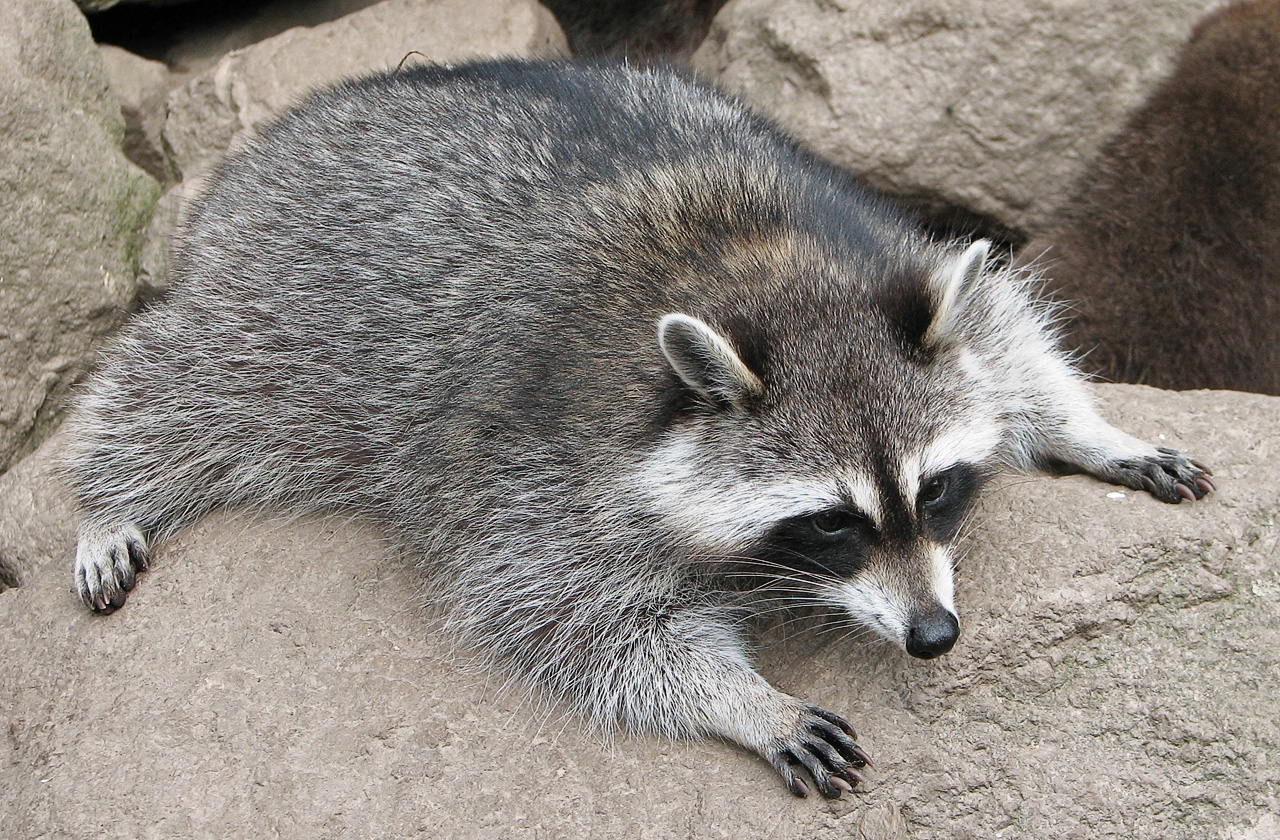
The most significant health concern associated with raccoon droppings is Baylisascaris procyonis, commonly called raccoon roundworm, a parasite whose eggs are shed in raccoon feces and can survive in soil for extended periods, remaining infectious to humans and other animals that accidentally ingest contaminated soil, food, or objects, particularly relevant around children who might put contaminated items in their mouths during outdoor play.
While actual human infections remain relatively rare overall, the parasite carries a notably severe potential outcome when infection does occur, since the roundworm larvae can migrate through human tissue, including in rare severe cases to the brain and eyes, making raccoon latrines a genuine concern worth taking seriously rather than dismissing as routine backyard wildlife nuisance, according to guidance published by the CDC (cdc.gov) specifically addressing this parasite’s risks and recommended precautions.
This elevated risk profile is precisely why raccoon droppings warrant more careful handling than many other backyard wildlife scat types, and why identifying an active raccoon latrine on your property, particularly one accessible to children or pets, should prompt prompt, careful cleanup using the specific precautions covered below rather than simply ignoring the accumulation or attempting casual removal without appropriate protective measures.
Safe Cleanup of Raccoon Latrines
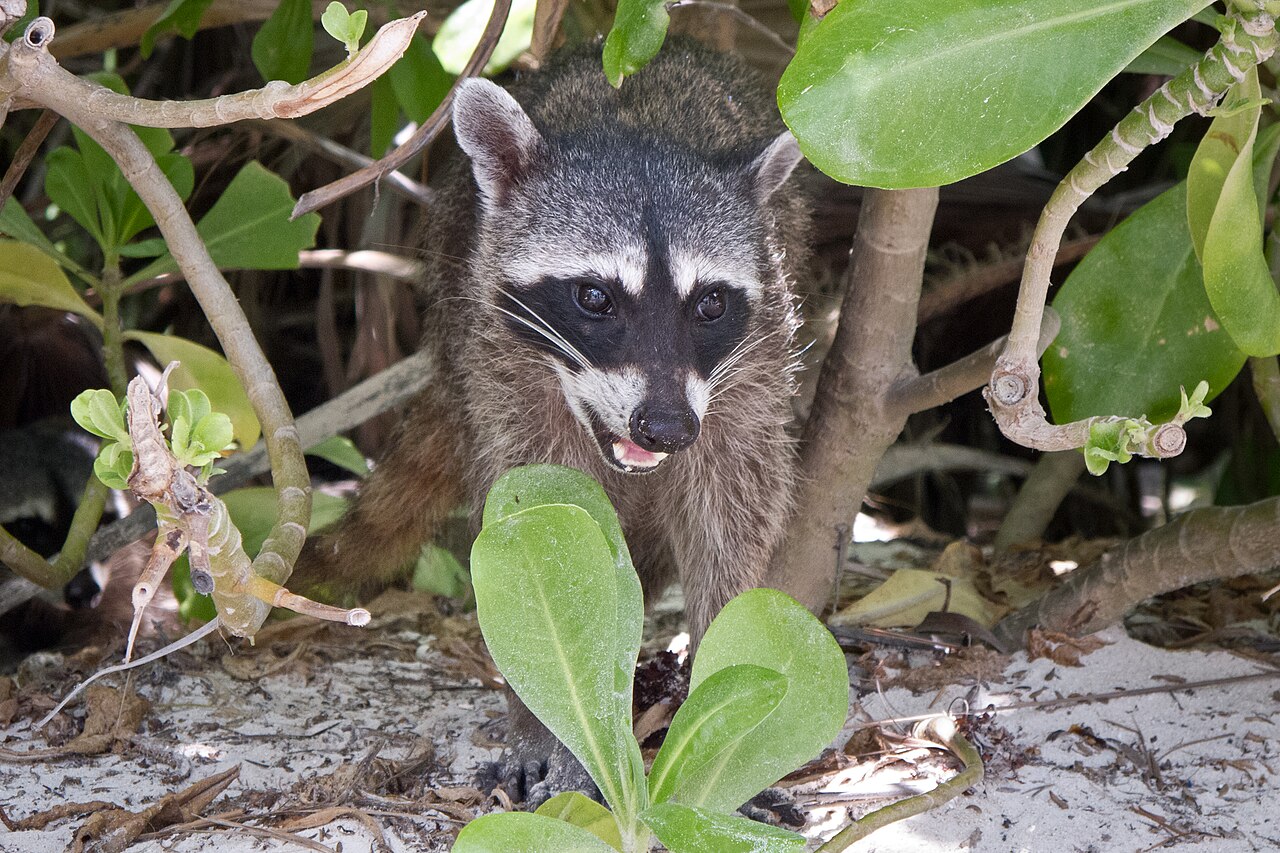
Given the roundworm risk specifically, proper cleanup protocol differs meaningfully from casual approaches appropriate for lower-risk wildlife droppings. The CDC and other public health sources specifically recommend avoiding actions that could aerosolize dried fecal material and the parasite eggs it may contain, meaning dry sweeping, leaf blowing, or pressure washing a dried latrine site without prior treatment poses genuine inhalation risk that more careful methods avoid.
Recommended cleanup generally involves first pouring boiling water directly over the affected area, since roundworm eggs are notably resistant to many common disinfectants but are effectively destroyed by heat, followed by careful physical removal of the softened material using a disposable scraper or shovel while wearing disposable gloves, then bagging the waste securely for disposal rather than composting it, given the parasite’s environmental persistence.
For latrines found in less accessible locations like attics or chimneys, or for larger, long-established accumulations, professional wildlife removal services experienced specifically with raccoon exclusion and cleanup often represent the safer and more thorough option, particularly given both the physical difficulty of accessing some latrine locations safely and the genuine health stakes involved in incomplete or improperly protected cleanup attempts.
Raccoon Poop vs Other Backyard Droppings
Distinguishing raccoon droppings from other common backyard mammal scat relies primarily on the combination of size, shape, and that distinctive latrine concentration behavior covered above. Compared to fox droppings, which show a distinctly tapered, twisted rope-like shape often placed prominently on trail junctions or rocks as scent-marking territorial displays, raccoon droppings appear blunter and more uniformly tubular, without the fox’s characteristic pointed tapering.
Compared to squirrel or rat droppings, which run considerably smaller overall, raccoon droppings are notably larger and thicker, roughly finger-width rather than the pencil-lead thinness typical of rodent scat, making size alone a fairly reliable initial sorting feature before considering shape or placement details more carefully.
The latrine behavior itself provides perhaps the most distinctive overall clue, since while some other mammals, including skunks to a lesser degree, occasionally reuse favored spots, few match the raccoon’s consistent, concentrated communal latrine habit, meaning a substantial accumulation of similarly sized, blunt-ended tubular droppings in one consistent location should specifically raise raccoon as the leading identification candidate even before closely examining individual dropping characteristics in detail.
Seasonal Patterns in Raccoon Latrine Activity
Raccoon latrine activity tends to follow a broadly seasonal pattern tied to the species’ overall activity level and diet, with the most substantial accumulations typically building during the warmer months from spring through fall, when raccoons are most actively foraging, raising young, and moving through their territories most frequently, compared to the reduced activity of winter, when raccoons in colder climates den up for extended periods and forage considerably less often.
Spring often brings a noticeable uptick in latrine activity as raccoon families with newly independent juveniles expand their foraging range together, sometimes establishing new latrine sites or expanding use of existing ones as the overall local raccoon population effectively increases with a new generation of young raccoons old enough to move and feed independently but still often traveling in family groups.
Late summer and fall frequently show the heaviest latrine accumulation of the year, as raccoons increase feeding substantially to build fat reserves ahead of winter, a period when checking known or suspected latrine sites and performing any necessary cleanup becomes particularly worthwhile before accumulated droppings from an active season have a chance to build up considerably over many weeks of heavy late-season feeding activity.
What Finding a Latrine Means for Your Property
Discovering an active raccoon latrine on your property most immediately indicates that raccoons, likely a family group given the communal nature of latrine use, are regularly present and using your yard, deck, roofline, or an accessible structure as part of their established territory, information that connects directly to the broader behavioral patterns covered in our raccoon sounds guide and baby raccoon guide for anyone managing an ongoing raccoon presence.
Beyond the immediate cleanup and health precautions covered above, an established latrine often signals it is worth investigating whether raccoons have found entry into an attic, chimney, or crawl space nearby, since latrines frequently form close to den sites, and addressing any structural entry points alongside latrine cleanup provides a more complete, longer-term solution than addressing the droppings alone without considering why raccoons chose that specific location repeatedly in the first place.
For properties with recurring raccoon latrine problems despite cleanup efforts, reducing the underlying attractants, securing trash containers, eliminating easy pet food access, and sealing potential den entry points, generally provides more lasting results than repeated latrine cleanup alone, since raccoons will simply reestablish a latrine nearby if the underlying reasons drawing them to the property in the first place remain unaddressed.
Related reading: Raccoon vs Possum Poop.
Frequently Asked Questions
What does raccoon poop look like?
A tubular dropping, 2 to 3 inches long and finger-width, with blunt rather than tapered ends, dark brown to black when fresh. Contents vary widely based on recent diet, including seeds, fur, and insect parts.
Why do I find raccoon droppings all in one spot?
Raccoons use designated communal latrine sites repeatedly, often at tree bases, flat rocks, decks, or attic spaces, rather than scattering droppings randomly, making this concentrated pattern a strong identification clue on its own.
Is raccoon poop dangerous?
Yes, more so than many other wildlife droppings, primarily due to raccoon roundworm, a parasite whose eggs can survive in soil and pose genuine health risks to humans, particularly children, if ingested from contaminated soil or objects.
How do I safely clean up a raccoon latrine?
Pour boiling water over the area first to destroy resistant roundworm eggs, then remove material with a disposable scraper while wearing gloves, and bag the waste for trash disposal rather than composting.
Why shouldn’t I sweep or leaf blow raccoon droppings?
Dry sweeping or leaf blowing can aerosolize dried fecal material and any roundworm eggs present, creating an inhalation risk. Softening with boiling water first before physical removal avoids this hazard.
How is raccoon poop different from fox poop?
Raccoon droppings are blunt-ended and tubular, found in concentrated communal latrines, while fox droppings are tapered and twisted, typically placed individually as territorial scent marks on prominent trail features.
Does finding a raccoon latrine mean raccoons are living nearby?
Very likely yes; latrines are often located close to den sites, so an active latrine is worth pairing with a check for potential attic, chimney, or crawl space entry points nearby.