
What Do Foxes Eat? Diet, Pet Risk, and Yard Attraction
Foxes are omnivores with an unusually broad diet, eating small rodents, rabbits, birds, insects, earthworms, fruit, berries, and carrion, and in suburban areas, human food waste and pet food left outdoors. Rodents typically make up the largest share, which is why a fox in a yard is generally reducing the local mouse and vole population rather than posing any threat to it.
That adaptability is the whole reason foxes thrive in habitats ranging from remote wilderness to dense city neighborhoods, where a species with a narrower diet would struggle. This guide covers what foxes actually eat, whether they pose a risk to pets, and what draws them to a yard in the first place.
Foxes are omnivores eating small rodents, rabbits, birds, insects, earthworms, fruit, berries, and carrion, with rodents usually the largest share. In suburban areas they also scavenge food waste and outdoor pet food. They rarely threaten cats or medium dogs, though very small pets and unprotected poultry are at genuine risk. Removing food sources is the most effective way to discourage them.
| Food Type | Notes |
|---|---|
| Small rodents | Mice, voles, rats; usually the largest dietary share |
| Rabbits and hares | Common where abundant |
| Birds and eggs | Ground-nesting species most vulnerable |
| Insects and worms | Significant in warm months |
| Fruit and berries | Seasonal; important in late summer and autumn |
| Carrion and scraps | Opportunistic; common in suburban areas |
What Do Foxes Eat?
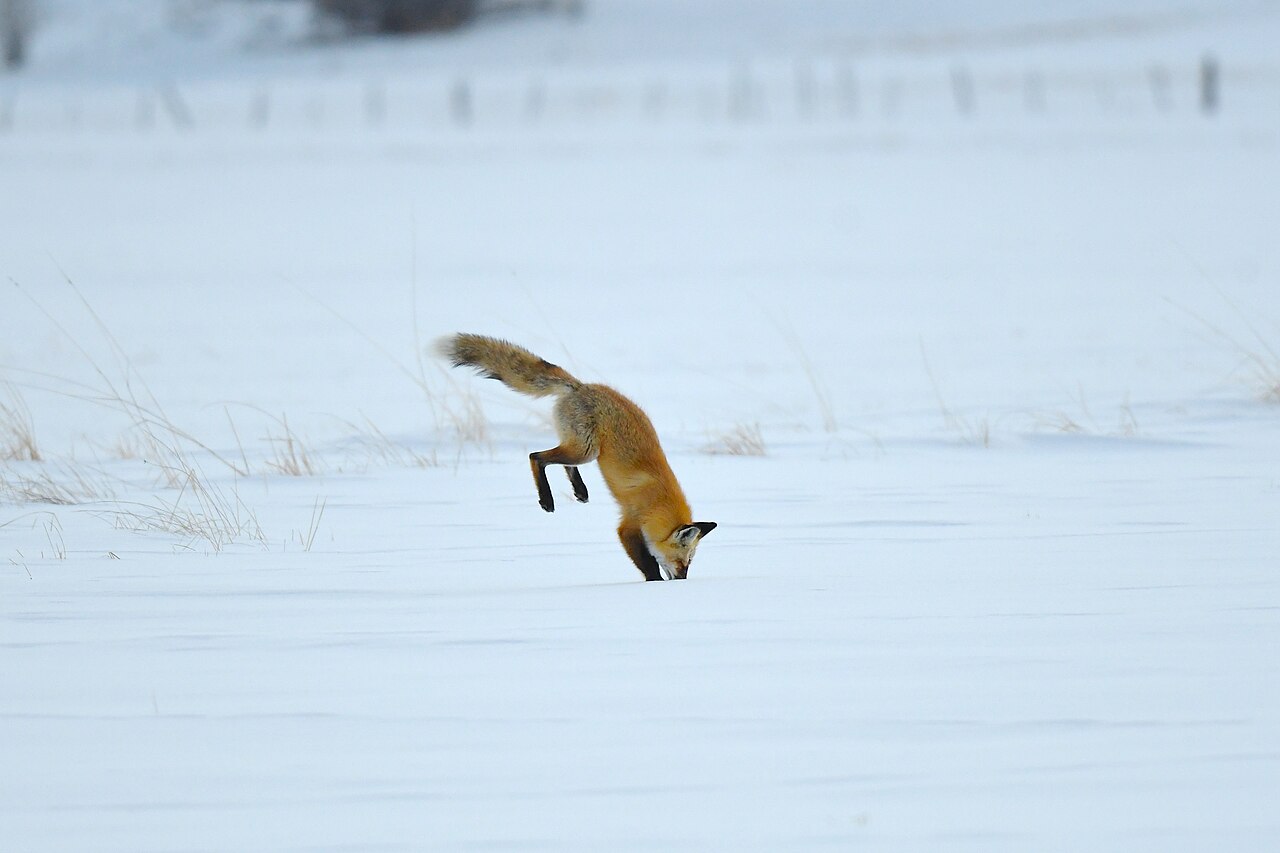
Small rodents form the backbone of most fox diets, with mice, voles, and rats typically making up the largest single category, hunted using the distinctive high pouncing motion foxes use to break through grass or snow to reach prey they’ve located by sound.
Beyond rodents, the diet expands to include rabbits, ground-nesting birds and their eggs, insects, earthworms, amphibians, and reptiles, with the exact mix depending heavily on season and local availability rather than a fixed preference for any single prey type.
Plant material matters more than most people assume. Foxes eat significant amounts of fruit and berries, particularly in late summer and autumn when wild berries ripen, and this seasonal shift toward plant foods is a documented pattern across red fox populations. The fox poop identification guide covers how this varied diet shows up in droppings, often visibly containing berry seeds or fur.
What Food Do Foxes Like Most?

Given a choice, foxes favor energy-dense animal prey, particularly small mammals, which offer the best return relative to hunting effort, and a fox with reliable access to a healthy rodent population will generally prioritize that over lower-calorie options.
In suburban and urban settings, easy calories from human sources become disproportionately attractive precisely because they require almost no hunting effort, meaning unsecured garbage, compost with food scraps, and pet food left outside can shift a local fox’s diet substantially toward scavenging.
This preference for the easiest available calories is the practical key to managing fox presence: a yard that offers effortless food will hold a fox’s interest far longer than one where the only available meals require actual hunting, regardless of what the fox would eat in a natural setting.
Will a Fox Hurt a Dog or Cat?
Rarely. Foxes are considerably smaller than most people assume, with adult red foxes typically weighing only 8 to 15 pounds despite appearing larger due to their thick fur, putting them well below the size where they would treat an adult cat or medium-sized dog as prey.
Conflict, when it happens, is usually defensive or territorial rather than predatory, with a fox more likely to flee a confrontation with a dog than engage, and documented attacks on cats are uncommon, with cats and foxes frequently coexisting in suburban areas with mutual avoidance.
Genuinely small pets, kittens, very small dogs, rabbits, guinea pigs, and unprotected poultry, are a different matter and do face real risk, since these fall clearly within the size range foxes hunt naturally. Secure housing rather than fox removal is the effective protection here. The guide to whether foxes are dangerous covers this risk assessment in detail.
What Attracts Foxes to Your Yard?
Food, in almost every case. Unsecured garbage bins, compost containing food scraps, pet food bowls left outdoors, fallen fruit under trees, and bird feeders that spill seed and attract rodents all create reliable feeding opportunities that make a yard worth visiting repeatedly.
Shelter matters secondarily. Dense shrubs, gaps under sheds and decks, and undisturbed brush piles offer denning and resting spots, and a yard providing both food and cover is considerably more likely to host a resident fox than one offering only one of the two.
A healthy rodent population is an indirect but significant draw, meaning a yard with mice or voles active around a shed, compost, or woodpile is effectively advertising a food source, which is why rodent control often reduces fox visits more reliably than any direct deterrent.
Are Foxes Good to Have Around?
From a pest control standpoint, generally yes. A fox regularly hunting a property meaningfully reduces local rodent numbers, addressing mice, voles, and rats that damage gardens, contaminate stored food, and get into structures, without any of the drawbacks of poison bait.
They also consume large numbers of insects, including agricultural pests, and their scavenging of carrion serves a modest cleanup function, making their overall ecological role in a suburban environment more beneficial than problematic in most circumstances.
The genuine caveats are the small-pet and poultry risk described above, plus the standard wildlife disease considerations, mange and, rarely, rabies, that apply to any wild mammal, and keeping pet vaccinations current addresses the practical side of that concern. The guide to fox activity patterns covers when they’re most likely to be around.
What Smells Do Foxes Hate?
Strong scents including chili pepper, garlic, and certain commercial repellents are commonly recommended as fox deterrents, along with predator urine products, though effectiveness is generally modest and temporary since foxes habituate quickly to smells not backed by any real consequence.
A fox with access to reliable food will typically tolerate an unpleasant smell rather than abandon a good territory, which is why scent deterrents rarely resolve a persistent fox presence on their own and work better as one component alongside removing the food source.
Physical exclusion, secure bins with locking lids, fencing with a buried or outward-angled base to prevent digging, and bringing pet food indoors, addresses the actual reason foxes return, making it considerably more effective than any odor-based approach.
What Are a Fox’s Natural Predators?
Coyotes are the most significant threat to foxes across much of North America, both killing them directly and displacing them from territory through competition, and areas with established coyote populations often support noticeably fewer foxes as a result.
Larger predators including wolves, mountain lions, bobcats, and large birds of prey such as eagles will also take foxes, particularly juveniles, and domestic dogs occasionally kill foxes in areas where their ranges overlap closely with human settlement.
Human activity remains the largest source of fox mortality overall, through vehicle collisions, trapping, and habitat loss, considerably outweighing natural predation in most populated regions. The fox vs coyote guide covers the relationship between these two species in more detail.
Does a Fox’s Diet Change With the Seasons?
Substantially. Spring and early summer see heavy predation on small mammals and ground-nesting birds, coinciding with the period when foxes are provisioning cubs and energy demands are at their highest for a breeding pair.
Late summer and autumn bring a marked shift toward fruit and berries as wild blackberries, elderberries, and fallen orchard fruit become abundant, and studies of fox scat from this period frequently find berry seeds making up a substantial proportion of the visible contents.
Winter pushes foxes back toward rodents supplemented by carrion and cached food, and this is when suburban food sources become most attractive relative to natural options, which is why fox sightings around houses often increase in the coldest months. State fish and wildlife departments publish seasonal activity guidance for local fox populations.
Do Foxes Store Food?
Yes, foxes cache surplus food regularly, burying it in shallow holes and covering it with soil or leaves, then returning later to retrieve it, a behavior that lets them exploit temporary food abundance rather than being limited to what they can eat immediately.
Caching is particularly important in winter and during periods when hunting success is unpredictable, and foxes appear to remember cache locations with reasonable accuracy rather than relying purely on scent to find them again later.
This behavior occasionally surfaces in suburban settings when a fox buries food scraps or stolen items in a garden bed, which can seem like odd behavior but is simply normal caching applied to whatever the fox has acquired, including non-food items in some cases.
How Much Does a Fox Eat Per Day?
An adult red fox typically consumes around one to two pounds of food daily, which in practice might mean several mice and voles, or a rabbit, or a mixed haul of insects, worms, fruit, and scavenged scraps depending on what the day’s hunting produces.
Energy demands rise sharply during the cub-rearing period in spring, when a breeding pair must feed a litter of typically four to six cubs alongside themselves, driving noticeably more intensive hunting and more frequent daytime activity than at other times of year.
Hunting success rates are lower than most people assume, with many pounce attempts failing entirely, which is part of why easy suburban food sources are so disproportionately attractive: a single accessible garbage bin can represent more reliable calories than an afternoon of hunting in a field.
Should You Feed a Fox?
No. Deliberately feeding foxes habituates them to human presence, reduces their natural wariness, and increases the likelihood of conflict, since a fox that associates people with food behaves very differently around houses, pets, and children than a wary wild one does.
Habituated foxes are also more likely to be perceived as a nuisance and reported for removal, meaning well-intentioned feeding often leads directly to a worse outcome for the animal than leaving it to hunt naturally would have.
Wildlife agencies consistently advise against feeding wild canids for exactly these reasons, and the same logic extends to unintentional feeding through accessible garbage and outdoor pet food, which produces the same habituation without anyone deciding to feed the animal at all. The fox sounds guide covers how to identify a fox’s presence without needing to attract one closer.
Frequently Asked Questions
What do foxes eat?
Small rodents, rabbits, birds, insects, earthworms, fruit, berries, and carrion. Rodents typically make up the largest share of the diet.
Will a fox attack my cat or dog?
Rarely. Adult red foxes weigh only 8 to 15 pounds and generally avoid confrontation. Very small pets and unprotected poultry do face genuine risk.
What attracts foxes to a yard?
Accessible food, unsecured garbage, outdoor pet food, fallen fruit, and rodents drawn by spilled bird seed, along with shelter under sheds and in dense shrubs.
Are foxes good to have around?
Generally yes. They significantly reduce rodent and insect populations. The main caveats are risk to very small pets and poultry.
What are a fox’s natural predators?
Coyotes are the most significant, both killing foxes and displacing them from territory. Wolves, mountain lions, bobcats, and eagles also take foxes.
Should you feed foxes?
No. Feeding habituates them to people, reduces natural wariness, and increases conflict, often leading to the fox being removed.