Fox Lifespan: 2 to 5 Years Wild, 14 in Captivity
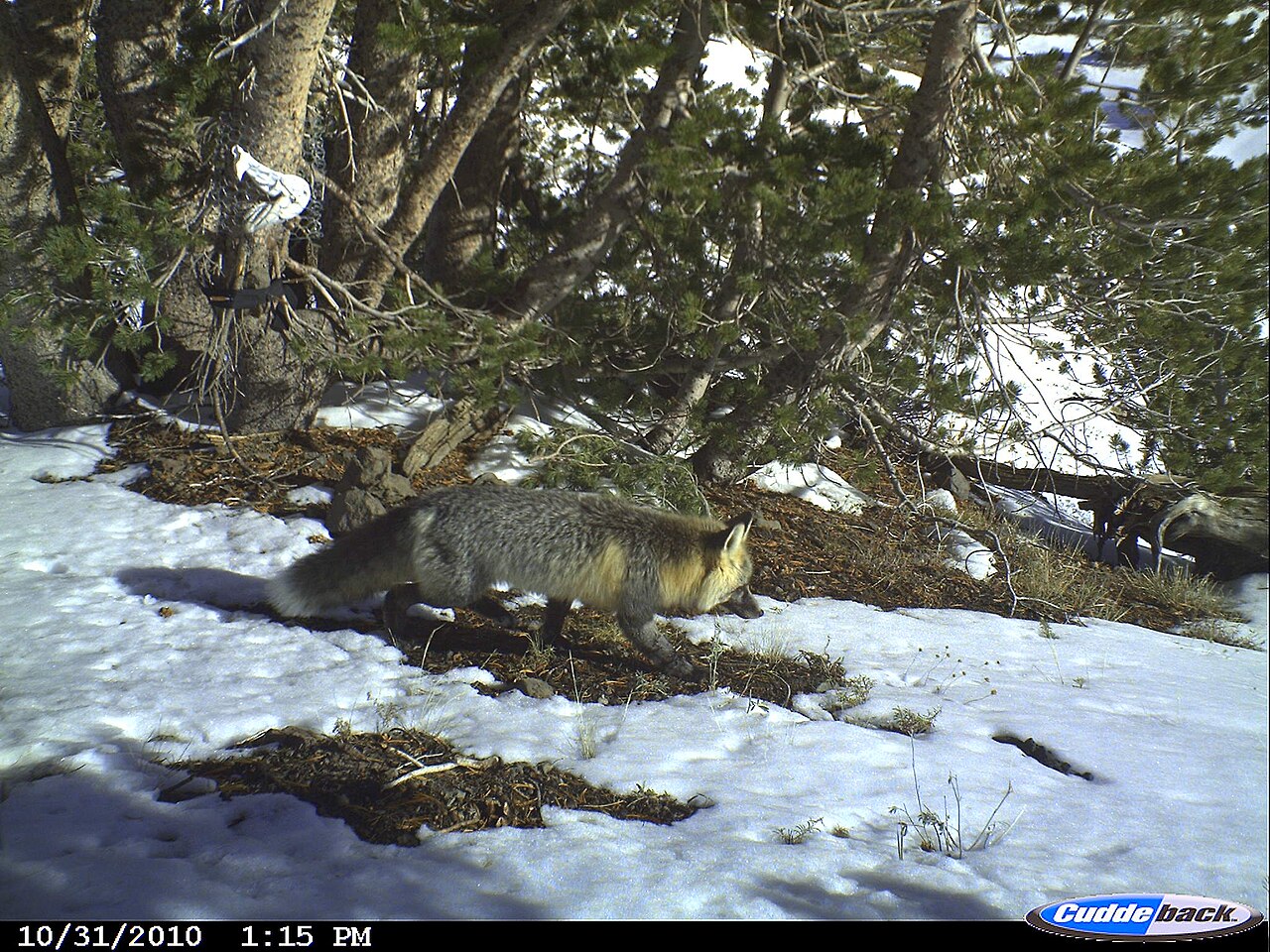
Fox lifespan in the wild is 2 to 5 years for a red fox (Vulpes vulpes). In captivity the same animal reaches 10 to 14 years, and a few have passed 20. That gap of roughly four to one is one of the widest recorded for any North American carnivore, and it says almost nothing about fox biology and almost everything about what kills foxes.
Foxes are not short-lived animals in the way that shrews or mayflies are. They are built to last more than a decade. Most simply never get the chance, because more than half of every fox generation dies before its first birthday, and cars, disease, and hunters take most of the rest.
Foxes live 2 to 5 years in the wild and 10 to 14 years in captivity, with a record of 21 years. Average wild figures are pulled down by juvenile mortality: 50 to 70 percent of fox cubs die in their first year. A fox that survives to age two often reaches five or six.
| Species | Wild lifespan | Captive lifespan | First-year mortality |
|---|---|---|---|
| Red fox (Vulpes vulpes) | 2 to 5 years | 10 to 14 years | 50 to 70 percent |
| Gray fox (Urocyon cinereoargenteus) | 3 to 6 years | 12 to 15 years | about 50 percent |
| Arctic fox (Vulpes lagopus) | 3 to 4 years | up to 16 years | 60 to 80 percent |
| Fennec fox (Vulpes zerda) | 6 to 8 years | 10 to 14 years | not well documented |
| Swift fox (Vulpes velox) | 3 to 6 years | up to 14 years | about 50 percent |
| Kit fox (Vulpes macrotis) | 5 to 7 years | up to 12 years | about 60 percent |
How Long Do Foxes Live in the Wild?
Field studies on radio-collared red foxes across the United States and Britain converge on a mean of 2 to 3 years for animals that survive to independence, with an outer range near 9 years. That mean is an average of two very different groups: a large mass of animals that die young and a small tail that does well.
The pattern matters because averages mislead here. Once a fox clears its first winter, its annual survival rate climbs to roughly 50 to 70 percent per year, which is respectable for a mid-sized predator. Biologists who track individuals rather than populations routinely find foxes at 6 and 7 years old in stable territories.
Habitat shifts the number in ways that surprise people. Urban foxes in some cities survive better than rural ones because hunting pressure is low and food is constant, though traffic removes that advantage in places with fast roads. Compare that with the raccoon lifespan, which follows an almost identical wild-versus-captive split for the same reasons.
How Long Do Foxes Live in Captivity?

Zoo and sanctuary red foxes commonly reach 10 to 14 years. Removing predation, starvation, vehicles, and most parasites more than doubles the wild figure, and veterinary care catches the mange and dental disease that would otherwise end a fox at 4 or 5.
The oldest well-documented captive red foxes reached 20 and 21 years, both in managed facilities with dedicated geriatric care. Those animals were arthritic and largely blind at the end, which is a life stage no wild fox reaches. Arctic foxes have been recorded to 16 years under the same conditions.
Captivity is not automatically kind. Foxes kept in small enclosures without digging substrate develop stereotypic pacing and shortened lifespans, and hand-raised animals released back to the wild rarely last a season. The gain comes from veterinary medicine and safety, not from confinement itself.
Why Is a Fox Lifespan So Short?
Wild fox lifespan is short because fox mortality is front-loaded, not because foxes age quickly. A red fox reaches full size at about 7 months and breeds at 10 months, and the species is built around producing a large litter fast rather than protecting a small one for years.
A vixen bears 4 to 6 kits per year and can raise 12 in a good season. That reproductive strategy tolerates heavy losses. Natural selection has no reason to invest in fox longevity when the expected payoff is collected in the first two breeding seasons.
Physiologically, foxes show few signs of rapid senescence. Captive animals stay reproductively active into their eighth or ninth year, and their teeth, not their organs, usually set the practical limit in the wild. A fox with worn molars cannot process bone and loses condition through winter.
Red Fox Lifespan Versus Gray Fox Lifespan
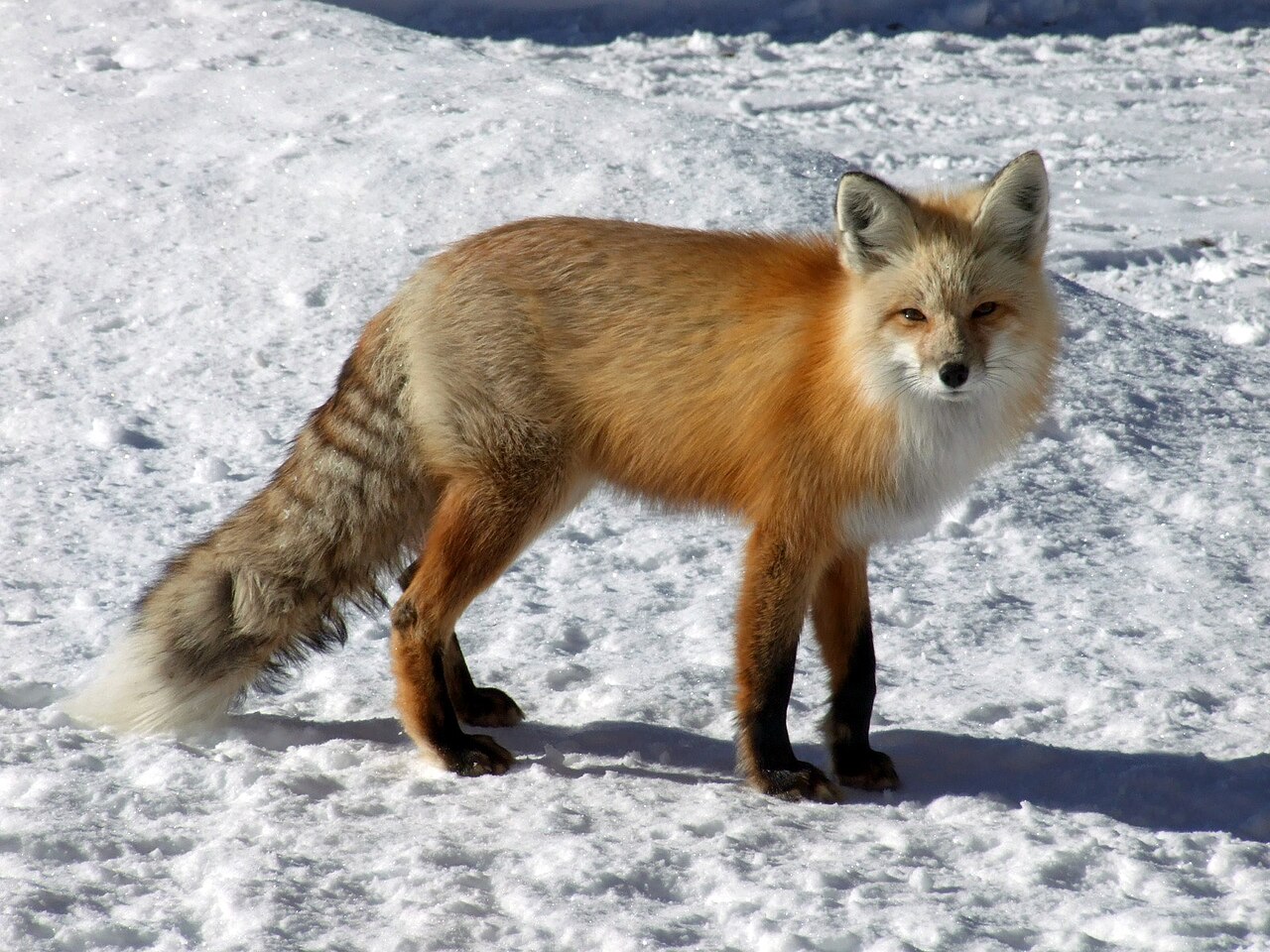
Gray foxes (Urocyon cinereoargenteus) tend to live slightly longer in the wild than red foxes, roughly 3 to 6 years, and the difference is mostly about trees. Gray foxes climb, which gives them an escape route from coyotes and dogs that red foxes do not have.
Red foxes compensate with range. They occupy more habitat types than any other wild canid and tolerate suburbs, farmland, tundra edge, and desert margin. That breadth means more fox populations exist, but also that more of them sit next to roads and poultry yards.
Where the two overlap, coyote density is the strongest predictor of which does better. Red foxes shift toward human-dominated edges to avoid coyotes, while gray foxes hold denser cover. The species with the better escape option usually posts the higher survival curve.
Arctic Fox and Fennec Fox Lifespan
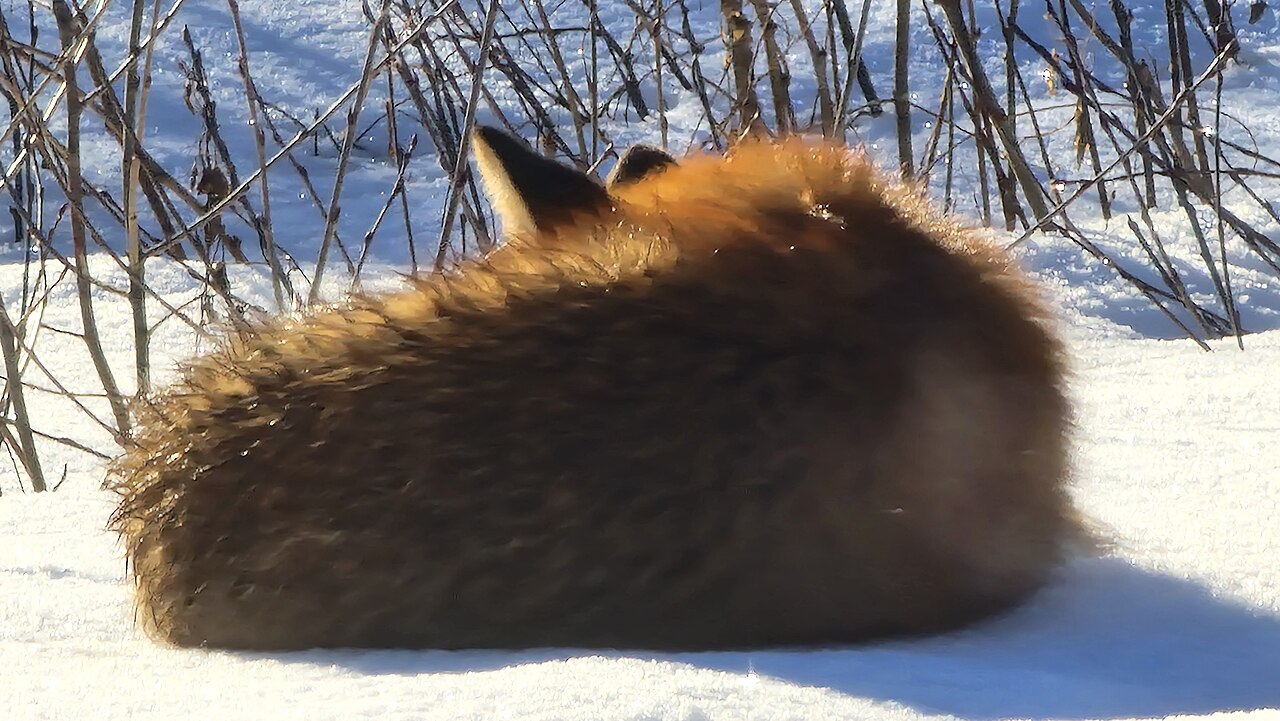
The arctic fox (Vulpes lagopus) has the harshest numbers in the family. Wild averages sit near 3 to 4 years, and in years when lemming populations crash, first-year mortality can exceed 80 percent. Entire cohorts fail when the prey cycle bottoms out.
Those losses are the price of a boom-and-bust food base. In a peak lemming year a single vixen may raise 14 kits, the largest litter of any wild canid. The specialized cold-weather traits behind that survival are covered in arctic fox adaptations.
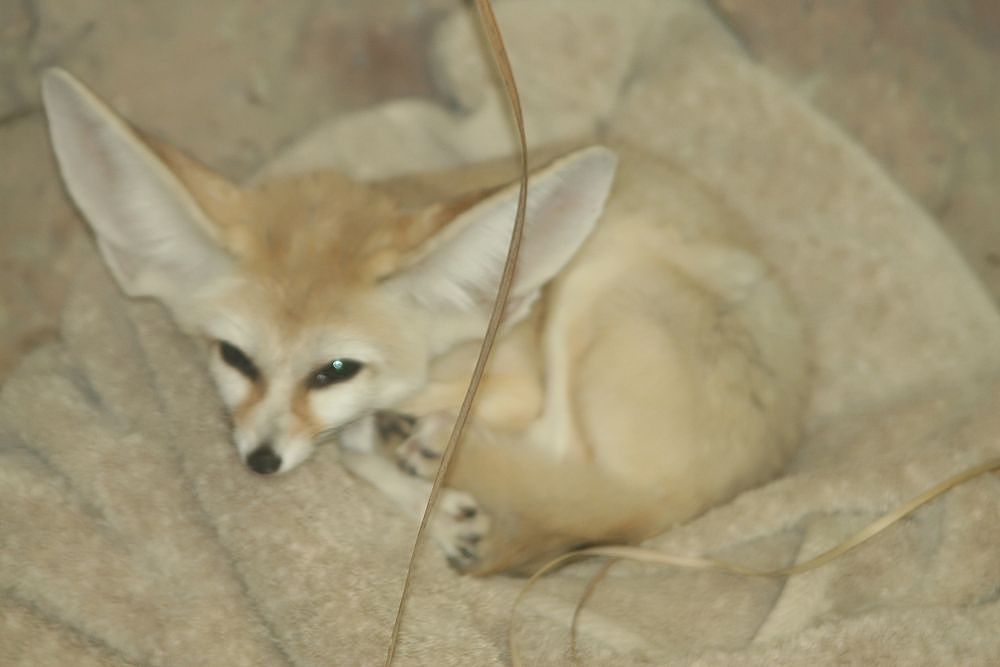
Fennec foxes (Vulpes zerda) run the opposite pattern. Desert life is stable compared with the tundra, and wild fennecs are estimated at 6 to 8 years, the best wild figure in the family. A baby fennec fox stays in the family burrow far longer than a red fox kit does.
Baby Fox Lifespan: The First Twelve Months
Between 50 and 70 percent of red fox kits die before their first birthday, and most of those deaths happen in two windows. The first is the four weeks after weaning, when kits are mobile but poor hunters. The second is dispersal in autumn.
Dispersing juveniles, especially males, travel 6 to 20 miles (10 to 32 km) through unfamiliar ground held by other foxes. They cross roads they have never seen and hunt territory they do not know. Vehicle strikes peak sharply in October and November for exactly this reason.
Kits that stay near the natal range do better, and some vixens remain as non-breeding helpers for a year. This is why the number of kits born tells you little about fox population size the following spring. The autumn dispersal is the filter.
What Is the Most Common Cause of Death for Foxes?
Human causes dominate. Vehicle collisions are the leading recorded cause of death for red foxes in most studied populations in the US and Europe, followed by hunting and trapping, then disease. Together, human-linked causes account for 60 to 80 percent of known fox deaths.
Sarcoptic mange is the disease that matters most. An epidemic can remove 90 percent of a local fox population within a few years, as happened in parts of Britain and the American Midwest. Rabies and canine distemper add further losses, and both spread faster where foxes concentrate around food.
Starvation is less common than people assume and usually secondary. A fox that starves is generally already carrying mange, a bad injury, or worn teeth. Healthy adult foxes are versatile enough to find food in nearly any month.
What Is a Fox’s Worst Enemy?
In North America, the coyote. Coyotes kill red foxes directly and exclude them from prime habitat, and the expansion of coyotes across the eastern United States tracked closely with declines in rural red fox density. This is competition, not predation for food: coyotes rarely eat the foxes they kill.
Other predators take a smaller share. Golden eagles, bobcats, wolves, and large owls all kill foxes, mostly kits. Domestic dogs kill foxes in suburbs and on farms, and free-roaming dogs are a significant cause of mortality near settlements.
Measured by total deaths, though, the honest answer is the automobile. No predator in the fox’s range removes as many foxes per year as road traffic does, and no natural enemy concentrates its effect on dispersing juveniles the way roads do.
How Old Is the Oldest Fox?
The oldest documented red fox reached 21 years in captivity. Wild records are far lower: the oldest confirmed wild red foxes in tagging studies were 9 to 10 years old, and animals past 7 are rare enough that biologists note them individually.
Age verification is the hard part. Wild fox age is determined by counting cementum annuli in a sectioned tooth, which requires a dead animal or a veterinary extraction. Claims about very old wild foxes based on appearance alone are unreliable, because mange and injury make a 4-year-old look ancient.
For a sense of scale across the animals sharing the same woodlot, a gray squirrel averages 6 years in the wild, and a white-tailed deer can pass 10. Foxes sit below both despite being a larger predator, which is the whole puzzle of fox longevity in one comparison.
How Long Do Foxes Live as Pets?
Captive-bred foxes kept as pets typically live 10 to 14 years, similar to zoo animals, but only with an enclosure, a fox-experienced veterinarian, and a legal permit. Most US states prohibit keeping native red or gray foxes, and permits where they exist are restrictive.
Fennec foxes are the species most often kept legally, and they live 10 to 14 years in home care. They are nocturnal, loud, and destructive indoors, and they require specialized diets. Vaccination is another problem: no rabies vaccine is licensed for foxes in the United States, so a bite report can mean euthanasia regardless of vaccination history.
Domesticated silver foxes from the Russian farm-fox experiment are sometimes sold in the US. They are tame in temperament but retain a strong musk odor, dig constantly, and mark indoors. Rescue surrender rates are high, and the animals rarely reach their full potential lifespan after a second or third rehoming.
How to Estimate a Fox’s Age
Coat and body shape give a rough field estimate. Kits under four months have short muzzles, dark fuzzy fur, and rounded ears. Juveniles from five to ten months are leggy with a thin brush. Adults carry a full tail and a defined white bib.
Beyond about 18 months, field aging becomes guesswork. Muzzle graying appears in some foxes by year four and in others never. Tooth wear is the reliable marker, and it can only be read closely on a captive or dead animal.
Wildlife agencies age harvested foxes by cementum annuli, the same layered rings used for bears and bobcats, with accuracy within one year. Veterinary research on fox aging and disease is published through the University of Illinois College of Veterinary Medicine, which maintains one of the longer-running red fox health datasets in the country.
Frequently Asked Questions
Can foxes remember people?
Yes. Foxes recognize individual humans by face, voice, and gait, and habituated wild foxes will approach a specific person while fleeing a stranger on the same path. Memory for food sources is strong enough that a fox will return to a spot months after a single successful visit.
Is a fox more intelligent than a dog?
Not in the ways dogs are tested. Dogs outperform foxes on human-directed tasks like following a pointed finger, a skill domestication selected for. Foxes do better on independent problem solving, such as working out a latch alone, because they hunt without a pack and cannot rely on partners.
What smell does a fox hate?
Foxes avoid capsaicin, ammonia, and predator urine, and commercial repellents rely on those. The effect fades within days once the fox learns nothing bad follows. Physical exclusion works better: a fence buried 12 in (30 cm) deep with an outward apron stops digging.
How can you tell a fox is happy?
Relaxed foxes hold their ears forward and loose, keep the tail low and softly curved, and make a chuckling sound called gekkering during friendly play. A fox that is content around humans will roll, stretch, and yawn. A flattened tail and pinned ears mean stress, not affection.
Do foxes live alone or in family groups?
Red foxes are socially flexible. A typical group is a mated pair and that year’s kits, but where food is dense, several related vixens may share a territory, with subordinate females helping raise a single litter. Hunting is nearly always solitary regardless of group size.
What animal has a 5 minute lifespan?
No animal lives only five minutes as a complete organism. The claim usually refers to adult mayflies of the genus Dolania, where mated females live under five minutes after their final molt. Those insects spend one to two years as aquatic nymphs before that brief adult stage.