Squirrel Lifespan: How Long Squirrels Live, by Species
A wild eastern gray squirrel lives about 6 years if it survives its first winter, but the average squirrel lifespan across all births is closer to 1 year, because most young squirrels never see their first birthday. Both numbers are correct, and the gap between them explains almost every conflicting figure you will find on the subject.
Squirrels are built to die young and replace themselves fast. Mortality in the first 12 months runs 50 to 75 percent depending on species and habitat, so the population average gets dragged down hard. The animals that clear that filter often go on for a decade, and in captivity some have passed 20 years.
Squirrels live 1 to 2 years on average in the wild, but that figure includes heavy first-year mortality. A gray squirrel that reaches adulthood averages about 6 years, with a maximum near 12 in the wild and 20 or more in captivity. Ground squirrels and chipmunks live shorter lives, typically 2 to 3 years.
| Species | Average if it reaches adulthood | Wild maximum | Captive maximum |
|---|---|---|---|
| Eastern gray squirrel (Sciurus carolinensis) | 6 years | 12 years | 20+ years |
| Fox squirrel (Sciurus niger) | 6 to 8 years | 13 years | 18 years |
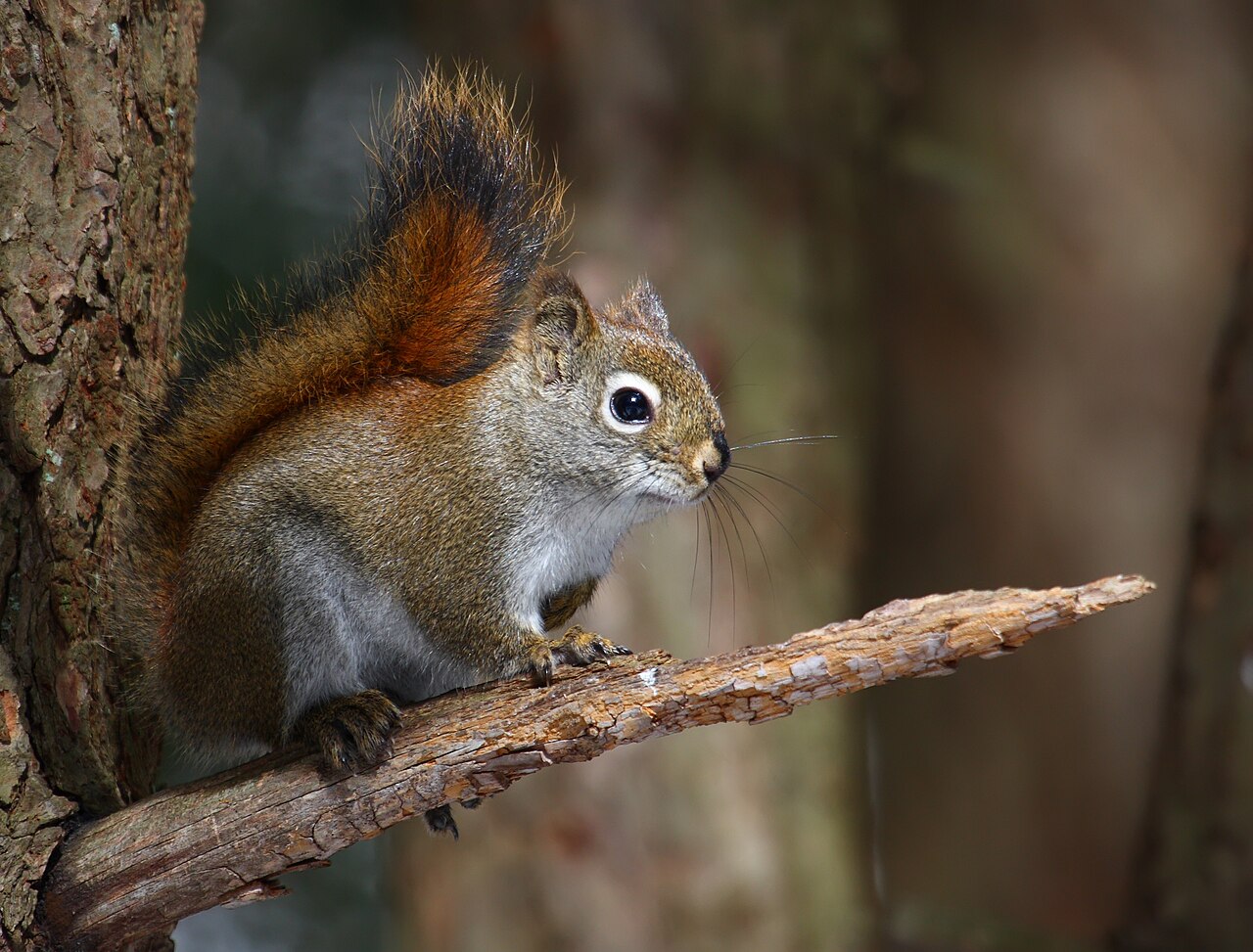
| American red squirrel (Tamiasciurus hudsonicus) | 3 to 5 years | 8 years | 10 years |
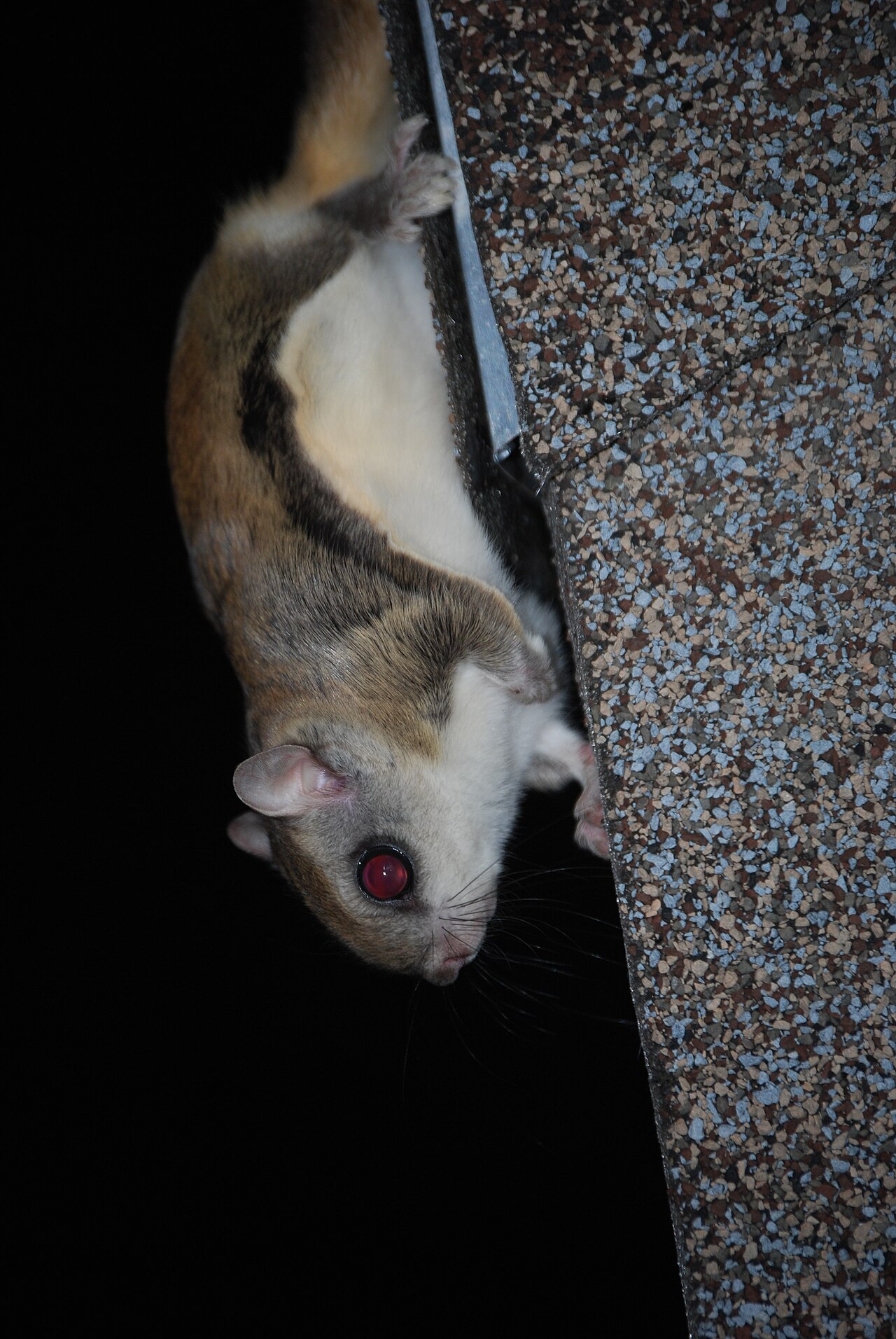
| Southern flying squirrel (Glaucomys volans) | 5 years | 6 years | 19 years |
| Eastern chipmunk (Tamias striatus) | 2 to 3 years | 8 years | 10 years |
| Thirteen-lined ground squirrel (Ictidomys tridecemlineatus) | 2 years | 5 years | 8 years |
How Long Do Squirrels Live in the Wild?
The lifespan of a squirrel in the wild depends entirely on whether you count the ones that die as juveniles. Studies of marked gray squirrel populations put first-year mortality between 50 and 75 percent, which pulls the raw average to roughly 1 to 2 years. Among squirrels that reach one year old, the average climbs to about 6, and females reliably outlive males.
The male penalty is behavioral. Males range farther during the two annual breeding seasons, cross more roads, and fight more, so they take the losses. Field data from long-running study plots, including work summarized by the SUNY College of Environmental Science and Forestry, shows adult females holding territories for years while male turnover stays high.
Twelve years is the practical wild ceiling for a gray squirrel. A few marked individuals have been recovered older.
Gray, Fox, Red, and Black Squirrel Lifespan
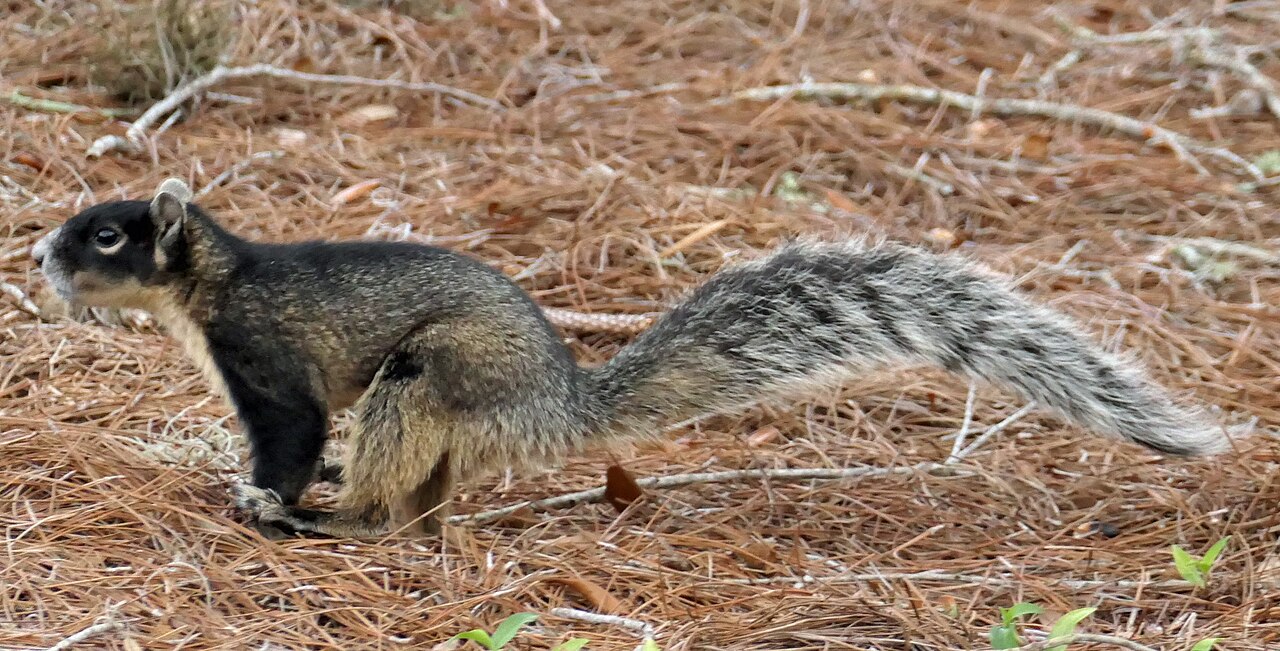
Fox squirrels live the longest of the common North American tree squirrels, with adults averaging 6 to 8 years and one wild female documented at 13. They are bigger, slower to mature, and hold larger home ranges than gray squirrels.
American red squirrels run shorter, typically 3 to 5 years as adults, because they defend a single central food hoard called a midden and pay for that with constant conflict. Southern flying squirrels average about 5 years in the wild but hold the captive record for the group at 19.
Black squirrel lifespan is the same as gray squirrel lifespan, because black squirrels are not a separate species. They are a melanistic color morph of the eastern gray, more common in northern cities and in parts of Ontario and Michigan.
Why So Many Squirrels Die in Their First Year
Nest failure comes first. Litters born in a leaf nest rather than a tree cavity are far more exposed to storms, and a drey that comes apart in March wind usually kills the whole litter. Young squirrels leave the nest at 10 to 12 weeks and enter the most dangerous stretch of their lives immediately.
Then comes the first winter. A juvenile that failed to cache enough acorns, or that lost its caches to a competitor, starves in January and February. Mast failure years, when oaks produce almost no acorns, push juvenile mortality toward the top of the range.
Predation and traffic fill in the rest. Hawks, owls, foxes, snakes, and outdoor cats all take young squirrels, and vehicles take a large share in suburbs.
How Long Do Squirrels Live in Captivity?
Captive squirrels routinely reach 15 to 20 years, roughly triple the wild adult average, because the three things that kill wild squirrels are removed at once: predators, vehicles, and winter food shortage. Documented gray squirrels in zoos and licensed rehabilitation care have passed 23 years.
That number is not an argument for keeping one. Squirrels are illegal to keep as pets in most US states, they become destructive and territorial at sexual maturity, and hand-raised adults frequently bite. Rehabilitators aim to release, not to house long term.
The gap also shows how much of wild mortality is external rather than biological aging. A squirrel body is capable of two decades.
Squirrel Lifespan in a House or Attic
A squirrel living in an attic has the same biological lifespan as one outside, around 6 years as an adult, but its risk profile changes rather than disappears. Shelter and warmth cut winter losses, while chewed wiring, poison bait set for rodents, and traps raise mortality from other directions.
Attic squirrels are usually females with a litter, since a warm dry cavity is exactly what they select for nesting. That is why the problem tends to appear in late winter and again in late summer, matching the two breeding seasons. They do not sleep through the cold either, since tree squirrels do not hibernate.
Exclusion after the young are mobile works better than trapping. Sealing a female out while nursing young leaves dead animals in the wall.
What Shortens a Squirrel’s Life, and What Helps
Beyond predators and cars, disease matters more than people expect. Squirrel fibromatosis produces the lumpy skin tumors often seen on gray squirrels, mange causes fatal winter hair loss, and notoedric mange spreads fast in dense urban populations. Botfly larvae look alarming but rarely kill.
Habitat quality is the lever that actually moves the average. Mature oaks and hickories, standing dead trees with cavities, and connected canopy all raise survival, because cavity nests roughly double overwinter survival compared with leaf dreys. Feeders help less than people think and concentrate disease transmission when they are not cleaned.
Their mostly daytime schedule, covered in our look at whether squirrels are nocturnal, also keeps them clear of the owls that take nocturnal mammals after dark.
Frequently Asked Questions
What is the 5 7 9 rule for squirrels?
It is a feeder placement guideline, not a biology rule. Hang a feeder at least 5 ft (1.5 m) above the ground, 7 ft (2.1 m) horizontally from anything a squirrel can jump off, and 9 ft (2.7 m) below overhead branches. Those distances exceed a gray squirrel’s jumping range. See our squirrel-proof feeder picks.
Do squirrels partner for life?
No. Gray and fox squirrels are promiscuous, with several males pursuing one female during her brief daily estrus and the winner rarely being her only mate. Litters commonly have multiple fathers. Males provide no parental care, and the female raises the young alone.
What is a squirrel’s worst enemy?
Red-tailed hawks take the most adult tree squirrels across most of North America, with great horned owls hunting the same population after dark. In suburbs, vehicles and free-roaming domestic cats rival any natural predator. For juveniles, rat snakes and raccoons raiding nests do the most damage.
How intelligent are squirrels?
Very, by rodent standards. Gray squirrels remember cache locations for months using spatial memory and landmarks, solve novel mechanical puzzles in under a minute, and remember the solution nearly two years later. They also perform deceptive caching, faking a burial when they know they are being watched.
Do squirrels bond with humans?
They habituate rather than bond. A squirrel that takes food from your hand has learned you are a reliable source, not formed an attachment. Hand-raised individuals can seem affectionate as juveniles, then turn territorial and bite at maturity, which is one reason rehabilitators avoid unnecessary handling.