What Do Elephants Eat? Diet & Feeding Habits Guide
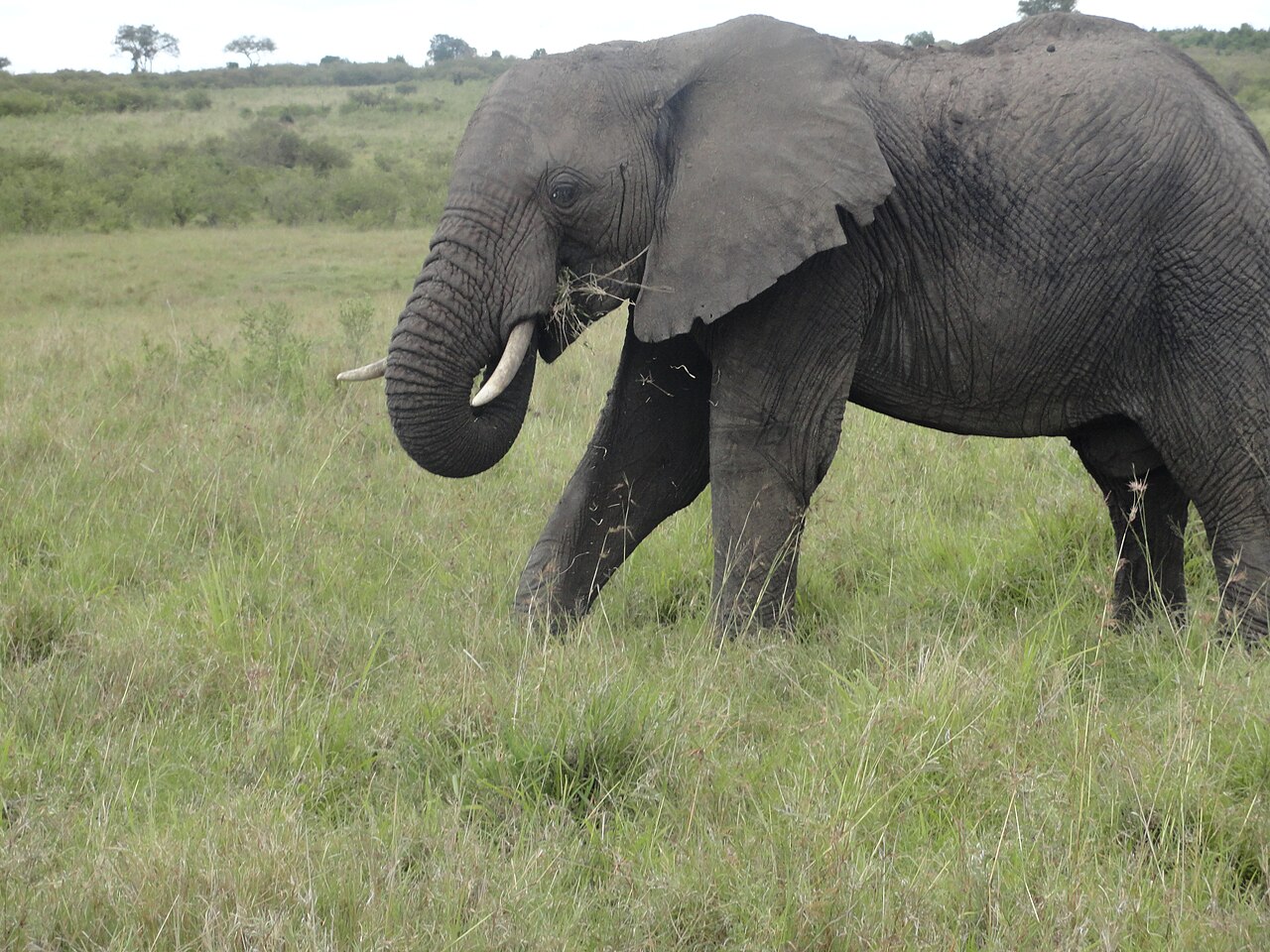
Elephants are strict herbivores that eat an enormous 150 to 300 kilograms (roughly 330 to 660 pounds) of vegetation daily, spending 16 to 18 hours a day, nearly 80 percent of their waking hours, almost constantly foraging just to meet their energy needs. This guide covers what elephants eat by season and species, why they need such staggering quantities of food, and the surprising mineral-seeking behaviors that supplement their plant-based diet.
| Detail | Amount |
|---|---|
| Daily food intake | 150 to 300 kg (330 to 660 lb) of vegetation |
| Daily water intake | 68 to 98 liters (18 to 26 gallons), up to 152 L (40 gal.) |
| Time spent feeding | 16 to 18 hours per day (~80% of the day) |
| Digestive efficiency | Only 40 to 50% of food consumed is digested |
Why Do Elephants Need to Eat So Much?
Elephants have a genuinely inefficient digestive system for their size, absorbing only about 40 to 50 percent of the vegetation they consume, which means they must eat an enormous volume just to extract enough usable energy and nutrients. Unlike ruminants such as cows, which have multiple stomach chambers specifically adapted to break down tough plant fiber thoroughly, elephants have a single stomach and rely more heavily on gut bacteria and sheer volume of intake to compensate for that comparatively simple digestive setup. This combination of massive body size and modest digestive efficiency is exactly why elephants spend nearly every waking hour either eating or moving toward the next food source rather than resting for extended periods like many other large mammals.
Elephants are not the only large omnivore or herbivore with dramatic seasonal feeding patterns; see our guide to what bears eat for a similarly wide-ranging diet shaped by hibernation instead of constant foraging.
What Do Elephants Eat in the Wild?
An elephant’s wild diet is remarkably varied and shifts significantly with the seasons. Grasses form the foundation during the wet season, when they are abundant, tender, and relatively easy to digest, and elephants can graze on grasses for hours at a time when conditions allow. As the dry season sets in and grasses die back or become scarce, elephants pivot to tougher browse: leaves, twigs, shrubs, and especially tree bark, which they strip using their tusks to carve into trunk surfaces. Bark is a particularly valuable dry-season fallback since it provides calcium and roughage that aid digestion even when it requires considerably more effort to access than simply grazing on grass.
How Elephant Diet Differs by Species
The three living elephant species show meaningfully different dietary emphasis based on their habitat. African savanna (bush) elephants rely heavily on grasses as a dietary staple, supplemented by bark, leaves, and shrubs across the open grasslands and woodlands they inhabit. African forest elephants, by contrast, consume considerably more fruit and seeds pulled directly from rainforest trees, a diet that makes them especially important seed dispersers, sometimes called “gardeners of the forest,” since their dung deposits viable seeds across the vast distances they travel through dense forest habitat. Asian elephants eat a broadly similar mix of grasses, leaves, roots, bark, and fruit to their African relatives, but in parts of their range they also consume rice, bananas, and sugarcane from cultivated farmland, a food source that unfortunately places them in frequent conflict with farmers protecting their crops.
Do Elephants Eat Meat or Insects?
No, elephants are strict herbivores and do not eat meat, insects, or any animal protein as part of their natural diet, relying entirely on plant material for nutrition. This sets them apart from many other large mammals that supplement a mostly plant-based diet with occasional animal protein when convenient. There have been rare, isolated observations of incidental non-plant material being ingested, but these are not considered a genuine part of the species’ natural feeding behavior, and elephants lack the specialized digestive adaptations that true omnivores or carnivores, such as birds of prey, rely on to process animal protein efficiently.
Do Elephants Eat Soil?
Yes, and this behavior, called geophagy, serves a genuine nutritional purpose rather than being random or accidental. A purely plant-based diet leaves a meaningful gap in sodium and other minerals like calcium and potassium, so elephants deliberately seek out mineral-rich soil deposits, often at specific, well-known salt licks, digging with their tusks and feet to access nutrient-dense earth several feet below the surface. In some regions, generations of elephants visiting the same mineral-rich locations have carved deep hillside caverns over time, and these excavated mineral licks often become vital resources for other wildlife species as well, not just the elephants that originally created them.
Elephant Feeding vs Other Large Herbivores
Elephants stand apart from other large herbivores like giraffes or rhinos partly because of just how broad their food processing range is: their trunk allows remarkably precise manipulation, from delicately plucking small leaves to forcefully stripping entire sections of bark, a level of dexterity most other browsing mammals simply cannot match with their mouths alone. This trunk versatility, combined with their willingness to shift dramatically between grazing and browsing depending on season, lets elephants exploit a wider range of available vegetation types than many more dietarily specialized herbivores sharing the same habitat.
How Much Water Do Elephants Drink?
Water needs are substantial, generally 68 to 98 liters (18 to 26 gallons) daily, though an especially thirsty individual can consume up to 152 liters (40 gallons) in a single day. An adult male elephant is capable of drinking up to 212 liters (55 gallons) in under five minutes when given the opportunity, using its trunk to draw up large volumes of water rapidly. This substantial water requirement, combined with the need for near-constant foraging, is a major reason elephant herds follow predictable seasonal routes between rivers, lakes, and watering holes rather than settling permanently in any single location.
Elephant Feeding Behavior and Social Learning
Feeding is deeply social among elephants, and matriarchs, the oldest and most experienced females in a herd, play an outsized role in guiding the group to reliable feeding grounds and water sources across huge home ranges that can span dozens of miles. Younger elephants, including calves already sampling solid food, learn what is safe and worthwhile to eat largely by observing and mimicking older, more experienced herd members rather than through trial and error alone, a form of cultural knowledge transmission that university wildlife ecology programs studying elephant behavior consider critical to herd survival, particularly during difficult dry seasons when finding adequate food requires accumulated environmental knowledge passed down across generations, a pattern of learned behavior also seen in social predators like owls teaching hunting skills to fledglings.
What Do Baby Elephants Eat?
Elephant calves nurse on their mother’s milk as their primary source of nutrition for an unusually long period, typically four to six years, with the milk itself notably high in fat, around 15 percent, to support rapid early growth. Calves begin sampling and nibbling on solid plant matter starting around three to four months of age, learning what to eat largely by watching and mimicking their mother and other experienced herd members, particularly the matriarch, but they continue relying on milk as their primary nutrition source for years even after that experimental solid-food eating begins.
Elephant Digestion and Ecological Role
Because elephants absorb only around 40 to 50 percent of what they eat, a substantial portion of consumed plant matter passes through largely undigested, and this apparent inefficiency actually has significant positive ecological consequences. Elephant dung is dense with viable, germinating seeds, making elephants one of the most important large-scale seed dispersers in the ecosystems they inhabit, capable of carrying seeds dozens of miles from a parent plant before depositing them, complete with a nutrient-rich dung “starter fertilizer,” in a new location. This same voluminous, nutrient-rich waste also supports numerous smaller organisms, including insects and other invertebrates, in the surrounding ecosystem, illustrating how a single species’ feeding habits can ripple outward to support an entire food web well beyond the elephants themselves.
Related reading: what do crickets eat.
Frequently Asked Questions
What do elephants eat?
Elephants are herbivores that eat grasses, leaves, twigs, bark, roots, shrubs, and fruit, consuming roughly 150 to 300 kilograms (330 to 660 pounds) of vegetation per day depending on season and availability.
Why do elephants eat so much food every day?
Elephants have an inefficient digestive system, absorbing only about 40 to 50 percent of what they consume. Their massive size combined with modest digestive efficiency means they must eat huge volumes to get enough usable energy.
Do elephants eat meat?
No, elephants are strict herbivores and do not eat meat or animal protein under normal circumstances. Their digestive systems are adapted entirely for processing plant material.
Why do elephants eat soil?
Elephants practice geophagy, deliberately eating mineral-rich soil to obtain sodium, calcium, and other minerals missing from their plant-based diet. They often visit specific salt licks and dig with their tusks to access nutrient-rich earth.
How much water do elephants drink per day?
Adult elephants typically drink 68 to 98 liters (18 to 26 gallons) of water daily, with some individuals consuming up to 152 liters (40 gallons) in a single day.
What do baby elephants eat?
Elephant calves nurse on their mother’s milk as their primary nutrition source for 4 to 6 years, beginning to sample solid plants around 3 to 4 months old while still relying heavily on milk.
How does elephant diet differ between species?
African savanna elephants rely heavily on grasses, African forest elephants eat significantly more fruit and seeds, and Asian elephants eat a similar mix but sometimes raid cultivated crops like rice and sugarcane in farmed areas.
Conservation researchers and university ecology programs increasingly view elephant feeding behavior as a keystone ecological process rather than simply a matter of individual survival, since the sheer scale of vegetation elephants consume and disperse through their dung actively shapes forest structure, grassland composition, and water access for countless other species sharing the same landscape.
University conservation biology programs studying elephant populations continue to emphasize that protecting the vast home ranges elephants need to sustain this feeding pattern is one of the most pressing challenges in elephant conservation, since fragmented habitat directly limits their ability to follow the seasonal foraging routes their feeding biology genuinely requires.
Anyone visiting a wildlife park, sanctuary, or protected reserve where elephants roam can expect to see this feeding behavior on near-constant display, a genuinely accurate window into how these animals actually spend the vast majority of their lives in the wild, not unlike observing the constant, patient foraging habits documented in guides to other large wild herbivores and omnivores.
The next time an elephant appears to be doing nothing more than slowly walking and eating, it is worth remembering that this unhurried routine represents millions of years of evolutionary fine-tuning to a genuinely demanding nutritional challenge.
Understanding just how much elephants eat, and why, ultimately deepens appreciation for why protecting large, connected wild spaces matters so much for a species whose survival depends entirely on the freedom to keep moving and eating on this scale.
Zoos and sanctuaries committed to genuine elephant welfare design feeding programs and enclosure enrichment specifically to encourage this natural, near-constant foraging behavior, recognizing that a bored, under-stimulated elephant fed only a few large daily meals misses out on the mental and physical engagement its wild counterparts get from hours of active foraging every single day.